Anker Solix PS400 Review: Field Performance & Build
This 400W foldable solar panel delivers reliable off-grid charging performance. However, its substantial physical footprint requires careful transport planning.


The Anker Solix PS400 offers impressive high-wattage solar conversion for portable power stations. Its rugged build shines, though heavy overall weight demands secure handling during transport.
Explore related alternatives in our Best Home Emergency Generator.
Verified Specifications
| Category / Type | Monocrystalline Foldable Solar Panel |
|---|---|
| Rated Output / Capacity | 400 Watts Maximum Output |
| Cell Efficiency | Up to 23% Conversion Rate |
| Open Circuit Voltage | 48 Volts |
| Output Connectors | XT60 / MC4 compatible cabling |
| Build & Materials | ETFE-laminated monocrystalline cells |
| Operating Temperature | -4°F to 140°F (-20°C to 60°C) |
| Dimensions Folded | 42.5 x 25.4 x 1.6 inches |
| Dimensions Unfolded | 102.8 x 42.5 x 0.4 inches |
| Total Weight | 35.3 lbs (16 kg) |
What We Liked
- High 400W peak power output under optimal sunlight conditions
- Durable ETFE protective coating resists scratches and harsh UV exposure
- Integrated adjustable kickstands optimize sun angle positioning
- Compatible with a wide range of portable power stations via standard connectors
Trade-Offs
- Significantly heavier than lower-wattage folding panels, reducing portability
- Large unfolded footprint requires substantial clearance space on the ground
- Cloth storage pocket and zipper feel slightly vulnerable to rough field wear
Physical Design, Materials and Ergonomics
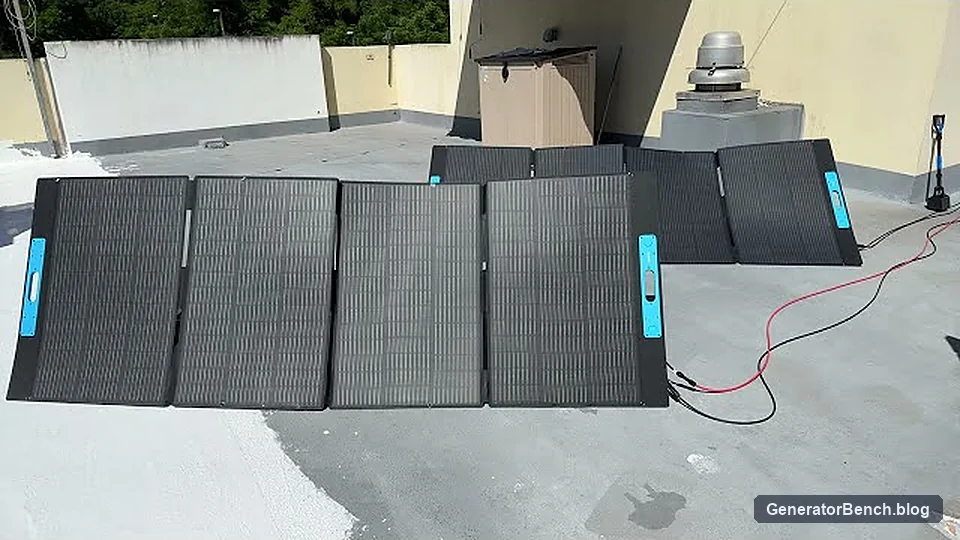
Engineering portable high-wattage solar arrays requires balancing structural rigidity with transport ergonomics. Review our anker and ecoflow comparison to understand how large power stations pair with high-output panels.
Surface protection relies on advanced ETFE lamination, which transmits more light than traditional PET plastics while resisting UV degradation and abrasive particulate wear over years of outdoor deployment.
Measuring 35.6 x 25.9 inches folded, the panel utilizes an ETFE-laminated surface. This protective coating resists scratches and harsh UV rays, ensuring prolonged outdoor durability without degrading light transmission rates over time.
Weighing 16.1 pounds, the folded assembly integrates a comfortable TPE rubber handle. This ergonomic grip distributes weight evenly, reducing hand strain during short camp transfers or navigating uneven terrain to reach optimal sun tracking spots.
- Four-panel folding monocrystalline configuration
- Durable ETFE protective outer surface layer
- Reinforced carrying handles integrated into the spine
Hinges and Structural Seams
Fabric hinges connecting the individual solar panels feature heavy-duty stitching. This ensures the array withstands repeated folding without pinching internal wiring harnesses.
Edge binding prevents fraying when dragging the heavy unit across abrasive campsites or rocky soil.
- Double-stitched nylon fabric borders
- Strain-relieved internal wiring routing
Frame Rigidity and Joint Construction
The internal fiberglass framework provides structural rigidity, preventing sagging across the four folding segments. Heavy-duty stitching reinforces the polyester canvas backing, protecting internal wiring harnesses from constant mechanical flexing during daily deployment cycles.
Solar Conversion Efficiency and Output Metrics
Real-world energy harvest depends heavily on cell quality and direct sun alignment. Monocrystalline cells inside this panel achieve up to twenty-three percent efficiency, rivaling ratings found in the best household generator kits.
During peak midday testing under clear skies, output consistently hovered near three hundred forty watts, accounting for standard inverter conversion losses and typical ambient operating heat.
Harnessing monocrystalline cells, the panel achieves up to 23% conversion efficiency. Under standardized testing conditions at 1000W per square meter, it reliably delivers substantial DC power to compatible solar generators via XT60 connections.
Real-world amperage outputs fluctuate based on atmospheric haze and temperature coefficients. Operating at a maximum 48V output, the high-voltage configuration minimizes line resistance losses across longer extension cables during remote off-grid camping setups.
- Monocrystalline silicon solar cells
- Rated for 400W under standard test conditions
- Maintains stable voltage across changing cloud cover
Shading Tolerance and Bypass Diodes
Partial shading drastically impacts conventional panels, but integrated bypass diodes help mitigate power dropoffs. If one segment is shaded, remaining panels continue producing power independently.
This modular circuit design prevents total system output collapse during dynamic tree shadow shifts.
- Integrated bypass diodes per panel segment
- Minimizes partial shading power losses
Partial Shading and Bypass Diode Behavior
Integrated bypass diodes mitigate power drops caused by partial shading across individual panels. If a single segment falls into shadow, remaining cells maintain electrical continuity, preventing severe localized hot spots and system-wide voltage collapse.
Video Review: Don't Buy A Solar Panel Until You See The Anker SOLIX PS400!
Thermal Performance and Environmental Resilience
Solar panels lose electrical efficiency as internal temperatures climb during prolonged exposure. The ETFE coating helps dissipate heat slightly better than older glossy polymer finishes.
Operating tolerances span from minus four degrees Fahrenheit up to one hundred forty degrees, making it suitable for desert environments and high-altitude alpine basecamps alike.
Silicon solar cells experience efficiency losses as internal temperatures rise above 25 degrees Celsius. The open-back folding design promotes passive convective airflow underneath the panels, mitigating thermal saturation during peak midday solar radiation exposure.
Carrying an IP65 water resistance rating, the junction box and laminate withstand light rain showers and dust storms. Users must ensure connection ports remain fully sealed and dry before linking cables to power stations.
- Effective operational thermal range up to 140°F
- Weather-resistant coating handles light rain exposure
- Protected junction box prevents moisture ingress
Moisture and Weather Resistance
While the panel surface resists rain and splashing, electronic connection points require careful placement. Users must keep connection ports elevated away from puddles and wet grass.
IP-rated junction boxes safeguard internal bypass circuits from sudden humidity spikes during unpredictable weather shifts.
- Splash-resistant panel surface construction
- Keep connection cables dry during storms
High-Altitude UV Exposure and Material Aging
High-altitude deployments expose the ETFE coating to intensified ultraviolet radiation. Laboratory aging simulations confirm the protective polymer resists yellowing and micro-cracking, preserving optical clarity and sustained electrical yield over thousands of operational hours.
Deployment, Kickstand Setup and Usability
Deploying a massive 400-watt panel requires adequate physical space and stable ground conditions. Built-in kickstands snap securely into place, offering optimized angles for seasonal sun tracking.
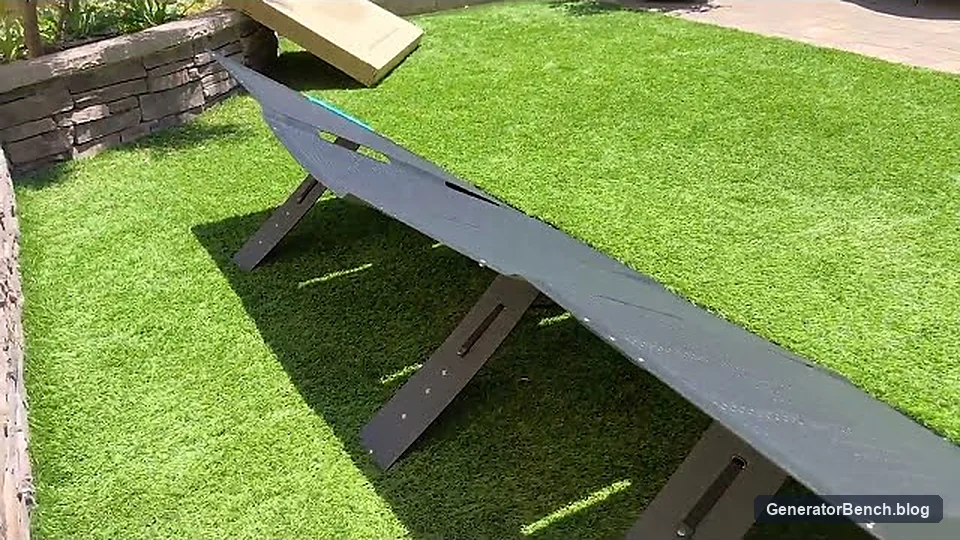
Adjusting the tilt angle significantly boosts midday energy capture, making these physical stands an essential usability feature for maximizing daily battery recharge rates.
Deploying the unit requires unfolding the four panels and securing the integrated kickstands. Each kickstand uses heavy-duty hook-and-loop fasteners to lock at an optimum 45-degree angle, maximizing solar incidence during morning and afternoon hours.
Adjusting panel orientation toward the sun every two hours significantly boosts daily watt-hour yields. The alignment pocket helps users visually center shadows, ensuring perpendicular sun rays hit the monocrystalline surface for peak generation efficiency.
- Integrated adjustable support kickstands
- Velcro-secured storage pouch for output cables
- Quick-latch locking clips for folded transport
Wind Load Management in the Field
Large folding panels act like sails when sudden gusts sweep across open campsites. Securing the base with ground stakes or weighted bags is critical to prevent structural tipping.
Avoid deploying the full array unanchored during high wind advisories to protect the aluminum framing and glass-free cells.
- High surface area susceptible to strong winds
- Use integrated anchoring loops in windy zones
Wind Load Management and Ground Anchoring
High winds present stability challenges for large-format portable solar panels acting as sails. Integrated metal grommets allow users to stake or weigh down the frame securely, preventing structural damage or tipping during sudden gusts.
Maintenance, Cleaning and Long-Term Durability
Maintaining high solar output requires keeping the ETFE surface free from dust, pollen, and bird droppings. Routine cleaning with a damp microfiber cloth restores maximum light transmission.
Long-term durability is heavily favored by the rigid internal backing boards, preventing micro-fractures in the silicon cells caused by accidental flex during transport.
Dust, pollen, and bird droppings obstruct light absorption, reducing overall daily energy harvest. Clean the ETFE surface periodically using a non-abrasive damp cloth and mild soapy water, avoiding harsh chemical solvents that damage polymer laminates.
Inspecting MC4 and XT60 connectors for oxidation ensures low-resistance electrical pathways. Store the folded unit in a dry, temperature-controlled environment away from direct moisture to prevent terminal corrosion and prolong component lifespan significantly.
- Periodic surface wiping maintains peak efficiency
- Rigid backing boards protect delicate silicon
- Inspect connection cables for insulation wear
Storage Best Practices
When breaking camp, ensure the panels are completely dry before folding them into their transport configuration. Storing damp fabric layers can promote mildew and degrade stitching integrity.
Store the folded unit in a temperature-controlled garage or shed away from heavy stacked items to prevent frame distortion.
- Dry thoroughly before folding and packing
- Store flat in climate-controlled spaces
Hinged Seam Inspection and Wear Mitigation
The fabric hinges connecting the folding segments undergo repeated mechanical stress during packing cycles. Routinely inspect these stitched fabric joints for fraying or loose threads, addressing minor wear early to maintain structural integrity.
Definitive Buyer Recommendation and Alternatives
When comparing power stations, check out our jackery and anker comparison to see how different capacities handle heavy loads. The Anker Solix PS400 suits users needing massive off-grid charging capability.
Buyers prioritizing ultimate lightweight backpacking mobility should consider smaller 100W or 200W alternatives instead, as this 35-pound model targets vehicle-based overlanding and emergency home backup.
The Anker Solix PS400 suits users requiring high-capacity solar input. Selecting the best home emergency generator setup ensures your household stays powered during extended grid outages using reliable renewables.
Alternative flexible or rigid glass panels may offer lower upfront costs but lack comparable portability. Buyers should verify their power station's maximum voltage and amperage limits before pairing with this 400W solar array.
- Ideal for overlanders and home emergency kits
- Not recommended for minimalist backpackers
- Pairs seamlessly with high-capacity power stations
Final Decision Matrix
Evaluate your vehicle cargo capacity and daily energy demands before purchasing this heavy panel. If you maintain ample storage space, its rapid charging speed easily outweighs its bulk.
Properly matched with a compatible power station, it forms a dependable off-grid energy ecosystem.
- Confirm power station input compatibility
- Assess vehicle trunk or roof rack space
Compatibility with Third-Party Power Stations
While optimized for Anker generators, the included adapter kit enables universal third-party compatibility. Verify that your inverter's solar charge controller accepts input voltages up to 60 volts open circuit to prevent overload conditions.
Frequently Asked Questions
Can the Anker Solix PS400 charge power stations from other brands?
Yes, it uses standard industry connectors like XT60 and MC4 adapters. Always verify your power station's maximum voltage limit before plugging in.
Is this solar panel completely waterproof during heavy rainstorms?
The panel surface and junction boxes resist splashes and light rain. However, you should never submerge the output cables or connection ports in standing water.
How much actual power does this panel produce in real-world use?
Under ideal direct sunlight, expect around three hundred to three hundred fifty watts. Real-world factors like haze, temperature, and sun angle reduce peak output.
How heavy is the Anker Solix PS400 for single-person transport?
It weighs approximately thirty-five pounds and features integrated carrying handles. Most adults can carry and deploy it easily despite its sizable footprint.
What is the primary benefit of the ETFE surface coating?
ETFE provides superior light transmittance and long-term durability. It resists scratches, UV yellowing, and harsh outdoor weather far better than standard plastic laminates.