Why Is My Generator Revving Up And Down
Engine surging disrupts sensitive connected electronics and indicates underlying mechanical or fuel delivery failures. Diagnosing this speed fluctuation requires methodical troubleshooting of specific components.

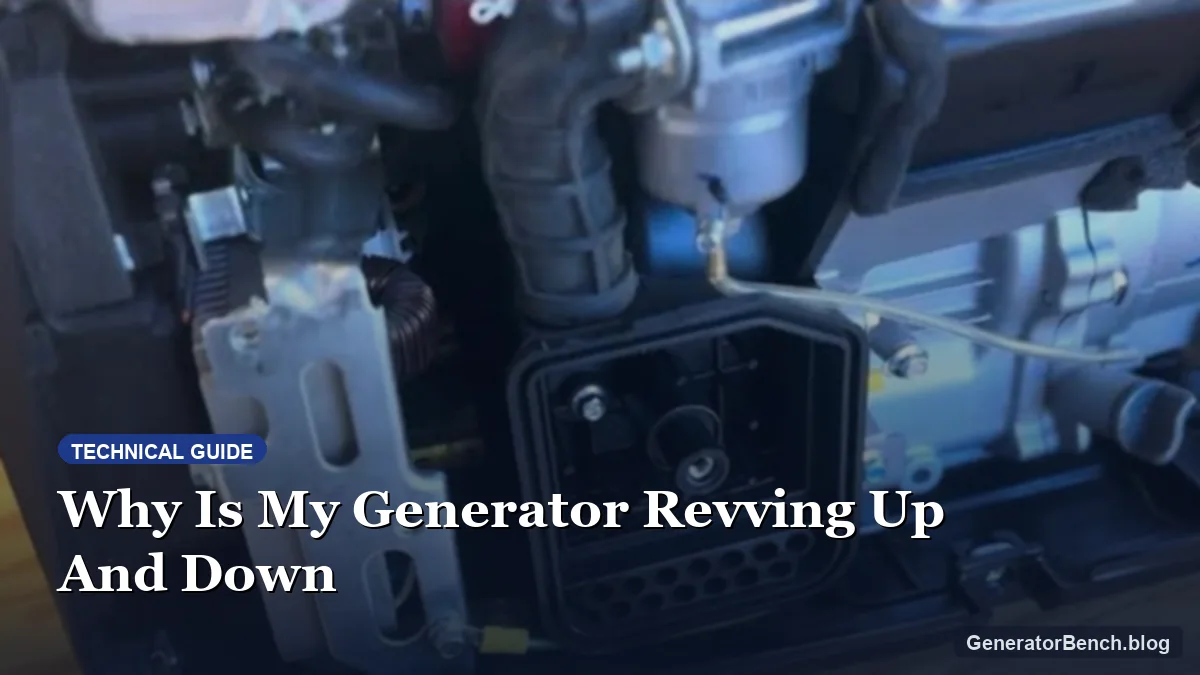
Generator surging is primarily caused by restricted fuel flow, dirty carburetors, or a misadjusted governor system. Cleaning jets and checking linkage springs usually restores steady RPMs.
Looking for matching picks? See our Best Back Up Generator.
Practical Quick-Reference Table
| Scenario / Metric | Recommended Target | Why It Matters |
|---|---|---|
| Carburetor Jet Size | Clear and unobstructed | Prevents lean fuel spikes |
| Governor Spring Tension | Manufacturer specified | Maintains stable engine load response |
| Fuel Tank Venting | Fully open position | Prevents vacuum lock fuel starvation |
| Spark Plug Gap | 0.028 to 0.030 inches | Ensures consistent ignition timing |
| Idle Circuit Passage | Completely unblocked | Stops low-speed hunting behavior |
| Automatic Voltage Regulator | Stable output voltage | Protects sensitive downstream loads |
Understanding the Mechanics of Engine Surging
Generator hunting or surging manifests as rhythmic changes in engine speed. This oscillation disrupts frequency output and risks damaging sensitive connected equipment during prolonged power outages.
Internal combustion engines rely on precise air-fuel ratios and steady governor control. When either system fluctuates, the engine rapidly cycles between rich and lean operating states.
Recognizing the acoustic pattern helps pinpoint the root cause quickly. A rapid pulsing often points to fuel delivery restrictions, while erratic shifts suggest mechanical linkage wear.
Always disconnect heavy electrical loads before starting diagnostics. Before reconnecting devices, use our generator wattage sizing calculator to safely prevent overloading the alternator during initial startup.
- Monitor frequency output using a digital multimeter.
- Check for consistent exhaust smoke color changes.
- Inspect throttle plate movement during engine load shifts.
- Record ambient temperature and altitude operating parameters.
The Role of Engine Speed Control
The mechanical governor acts as the central brain regulating engine RPM under varying electrical demands. It balances centrifugal force against spring tension to maintain precise frequency output.
Any mechanical binding within this delicate balance causes overcorrection cycles. The throttle continuously opens and closes, creating the familiar surging sound during operation.
- Verify free movement of internal flyweights.
- Check pivot points for accumulated grime.
Carburetor Jet Restrictions and Fuel Delivery Issues
Modern small engines feature extremely tiny brass passages inside the carburetor bowl. Ethanol-blended gasoline easily leaves varnish deposits that partially block these critical fuel metering orifices.
When the main jet or idle jet gets partially clogged, fuel flow drops momentarily. The engine leans out, loses power, and the governor reacts by opening the throttle wide.
This sudden rush of extra fuel momentarily overcorrects the air-fuel mixture, causing the engine to speed up. The governor then backs off, creating an endless surging loop.
Thoroughly cleaning the carburetor requires complete disassembly and ultrasonic immersion or chemical solvent soaking. Never use oversized wire pins that can permanently damage delicate brass jet orifices.
- Remove the float bowl to inspect for debris.
- Use aerosol carburetor cleaner with an extension straw.
- Verify free movement of the carburetor float.
- Replace deteriorated rubber bowl gaskets immediately.
Clearing Varnish from Small Passages
Stubborn varnish deposits resist casual spray cleaner applications and demand careful mechanical clearing. Use specialized guitar string wire matching the exact diameter of the pilot jet.
Compressed air blasts help clear loosened particulate matter from deep internal emulsion tubes. Always wear eye protection when working with pressurized solvent aerosols and air lines.
- Soak brass components in safe solvent cleaner.
- Blow out all internal passages completely dry.
Video Walkthrough: The Truth About Generator Surging and How to Stop It
Governor Linkage and Spring Tension Calibration
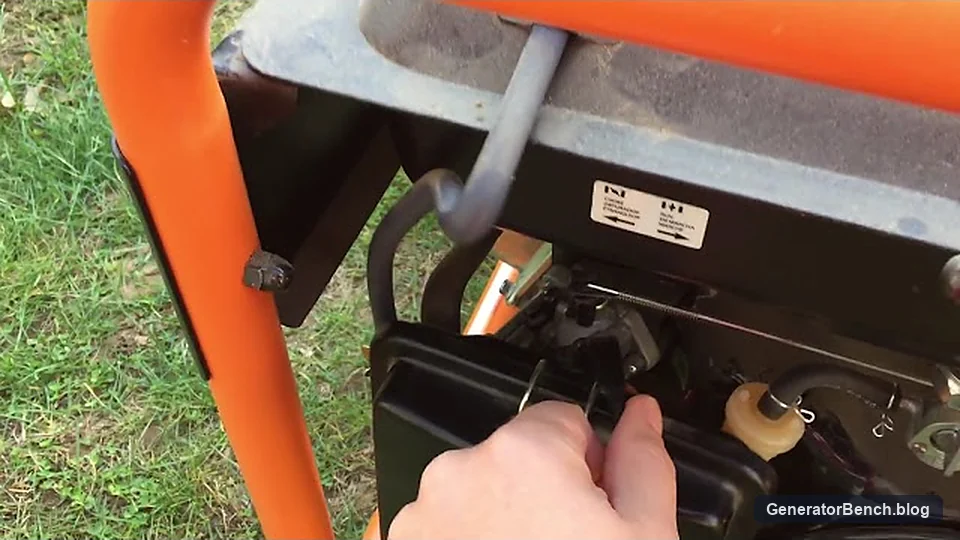
The governor arm connects to the throttle butterfly valve via thin metal rods and tension springs. Over time, these springs stretch out or lose their original factory calibration.
Stretched or weak governor springs fail to hold the throttle steady against normal engine vibrations. This mechanical slop allows the throttle to drift erratically under constant loads.
Inspect all linkage rods for excessive wear, bending, or friction against adjacent engine shrouds. Every pivot point must move effortlessly without any binding or side-to-side play.
Calibrating the governor requires loosening the clamp bolt and rotating the cross shaft correctly. Refer to your specific engine service manual for exact static adjustment procedures and angles.
- Inspect spring coils for permanent stretching deformation.
- Clean grime from external linkage connection points.
- Verify correct hole selection on governor arms.
- Tighten adjustment clamp bolts securely after tuning.
Static and Dynamic Governor Adjustments
Static adjustments involve holding the throttle wide open while rotating the governor shaft fully. This sets the baseline relationship between internal flyweights and external throttle linkage arms.
Dynamic tuning requires running the engine under a controlled electrical load to check response. Fine-tune the sensitivity screw to eliminate any remaining hunting behavior smoothly.
- Perform static setting with engine completely stopped.
- Test dynamic response using standard resistive loads.
Evaluating Automatic Voltage Regulator and Electrical Load
An unstable electrical load can sometimes mimic mechanical engine surging through feedback loops. The automatic voltage regulator attempts to compensate for erratic output by shifting exciter current fields.
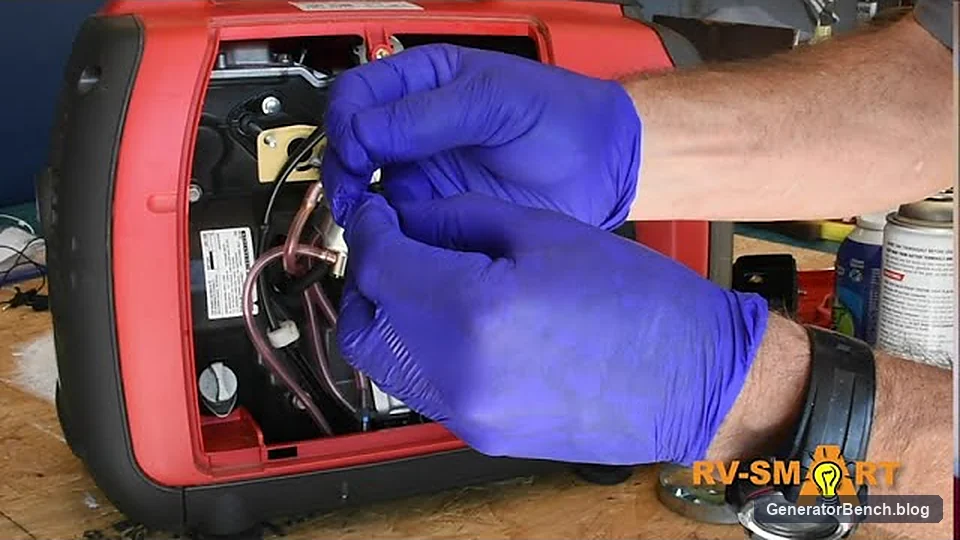
Defective capacitors or failing diodes inside the alternator head cause voltage fluctuations. These electrical anomalies trick the control system into altering engine speed to stabilize output power.
Disconnect all branch circuit breakers to isolate your backup power system entirely. When evaluating replacements, consult our best briggs and stratton generator selections to find reliable engine alternatives.
Test the generator output frequency and voltage using a true RMS digital multimeter. Steady voltage with erratic RPM points directly back to mechanical governor or fuel delivery faults.
- Measure AC voltage across standard duplex receptacles.
- Check AVR mounting bolts for secure electrical grounding.
- Inspect slip rings for pitting or heavy carbon.
- Test brush pack length for excessive electrical wear.
Isolating Electrical Feedback Loops
Modern inverter generators rely on complex inverter modules to synthesize clean sine wave power. Internal inverter faults can create anomalous load demands that affect prime mover stability.
Diagnostic error codes flashed by inverter LED indicators point toward specific circuit board failures. Consult factory diagnostic manuals before replacing expensive inverter control assemblies.
- Check inverter cooling fan operation status.
- Inspect internal wiring harness connections carefully.
Fuel Quality, Contamination, and Tank Venting Flaws
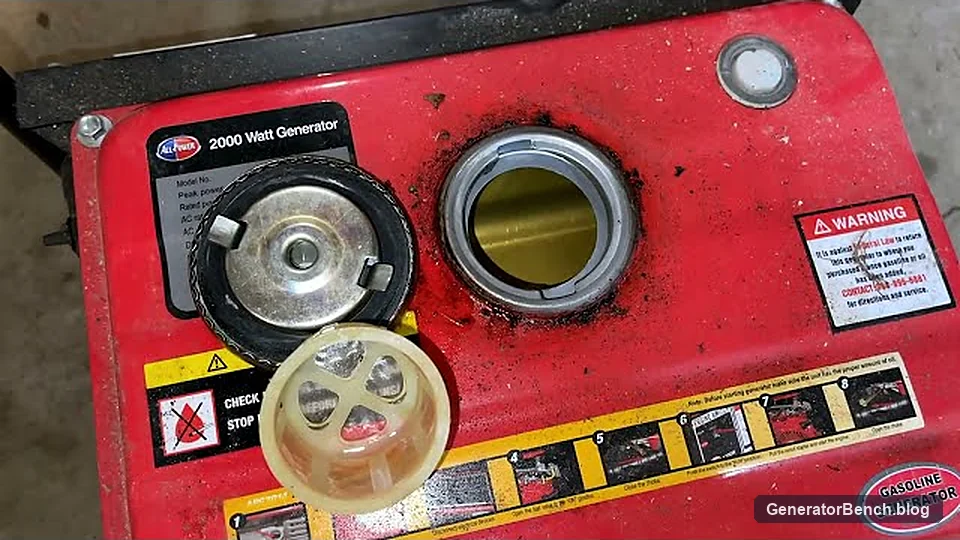
Stale gasoline absorbs atmospheric moisture and degrades rapidly within thirty days of purchase. Phase-separated fuel creates severe combustion inconsistencies that force the engine to hunt for RPM stability.
Always drain old fuel before long-term storage. To protect your investment during trips, choose a best generator for home and rv model featuring sealed fuel systems.
Blocked fuel tank vents create an internal vacuum that restricts steady fuel delivery. As fuel flows out, a partial vacuum builds up until the carburetor starves for gas.
Once the fuel flow drops, the engine slows down, relieving the vacuum temporarily. Gas then flows again, the engine speeds up, and the frustrating surging cycle repeats endlessly.
- Ensure the fuel cap vent valve is open.
- Check inline fuel filters for particulate clogs.
- Inspect rubber fuel lines for internal collapsing.
- Use chemical fuel stabilizers during storage periods.
Inspecting Fuel Filters and Petcocks
Inline fuel filters trap rust and sediment before they reach the sensitive carburetor inlet. A partially clogged paper element restricts flow enough to induce noticeable high-speed surging.
Fuel shutoff valves or petcocks can also develop internal blockages from degrading tank liners. Remove the petcock assembly to clean its internal mesh screen thoroughly.
- Replace disposable inline filters every operating season.
- Test petcock flow rate into a container.
Video Walkthrough: Disassembly
Spark Plug Condition and Ignition Timing Anomalies
A fouled or worn spark plug causes intermittent misfires that disrupt smooth engine operation. When the combustion chamber misses a power stroke, engine RPM drops momentarily before recovering.
Carbon-fouled electrodes prevent a strong, consistent spark from igniting the air-fuel charge properly. This creates irregular combustion cycles that mimic governor hunting and throttle surging behaviors.
Remove the spark plug and inspect the ceramic insulator for cracks or heavy soot. The electrode gap must match exact manufacturer specifications to ensure reliable ignition performance.
Replace old spark plugs annually as part of routine preventative maintenance schedules. Using the correct resistor plug type prevents electromagnetic interference with digital control modules.
- Check spark plug gap with a wire gauge.
- Clean soot deposits using a wire brush.
- Torque new plugs to exact manufacturer limits.
- Inspect ignition coil boot for rubber cracks.
Checking Ignition Coil Air Gaps
The ignition coil must maintain a precise air gap from the rotating flywheel magnets. An incorrect air gap weakens spark energy and causes erratic high-speed engine operation.
Adjust the coil air gap using a non-magnetic feeler gauge during flywheel rotation. Secure the mounting bolts firmly once the proper clearance is successfully established.
- Loosen coil mounting bolts slightly for adjustment.
- Insert feeler gauge between coil and flywheel.
Step-by-Step Diagnostic Procedures for Steady RPMs
Systematic troubleshooting prevents unnecessary parts replacement. Reading our detailed briggs and stratton 6500 generator review helps isolate common carburetor idle issues quickly and effectively.
Start by draining old fuel and replacing the spark plug with a fresh unit. Refill the tank with fresh gasoline and test the generator operation without any electrical loads.
If surging persists, remove and thoroughly clean the carburetor jets using proper solvent. Inspect all governor linkage springs for wear and calibrate static tension according to specifications.
Finally, check the fuel tank vent and replace any restricted inline fuel filters. These comprehensive steps resolve the vast majority of troublesome engine surging issues permanently.
- Verify fuel freshness and tank venting first.
- Clean carburetor jets and float bowls thoroughly.
- Inspect governor springs and linkage alignment.
- Test generator output under controlled electrical loads.
Final Operational Verification and Testing
After completing all repairs, run the generator for fifteen minutes without any connected load. Gradually apply fifty percent and one hundred percent loads to confirm steady operation.
Monitor the frequency meter to ensure output stays within acceptable herz tolerances. Stable performance under load confirms that your surging diagnosis and repair were completely successful.
- Check for fuel or oil leaks during testing.
- Verify clean exhaust emissions under heavy load.
Frequently Asked Questions
Why does my generator surge only when I plug in appliances?
This behavior indicates the engine is struggling to meet sudden electrical demand increases. Check for overloaded circuits or clean dirty carburetor main jets to restore full power delivery under load.
Can bad gas cause my portable generator to rev up and down?
Stale gasoline absorbs moisture and forms varnish deposits that block tiny carburetor jets. Draining old fuel and replacing it with fresh gasoline usually eliminates this erratic engine surging behavior entirely.
How do I know if my generator governor is broken?
A broken governor usually exhibits loose external linkage rods and stretched tension springs. Inspect the control arm for excessive play and verify that internal flyweights move freely without binding.
What should I clean first when troubleshooting a surging small engine?
Always start by inspecting the carburetor float bowl and cleaning the main and pilot jets. Remove varnish buildup using appropriate chemical solvents and compressed air blasts to clear restrictive passages.
Does a dirty air filter affect engine speed stability?
Restricted airflow alters the proper air-fuel ratio, causing the engine to run rich and stumble. Replace clogged air filters to ensure consistent oxygen supply and smooth mechanical RPM regulation.