What Wattage Generator Do I Need For A Refrigerator
Determining the correct backup power capacity for your kitchen cooling appliance requires understanding running versus starting electrical loads. Proper sizing prevents motor damage and ensures safe food preservation during unexpected outages.


A standard household refrigerator typically requires 600 to 800 running watts during normal operation. However, you must always account for a much higher surge capacity reaching 1,200 to 2,200 starting watts when the compressor motor kicks on.
Looking for matching picks? See our Best Portable Generator For Refrigerator.
Practical Quick-Reference Table
| Scenario / Metric | Recommended Target | Why It Matters |
|---|---|---|
| Standard Top-Freezer Fridge | 600W Running / 1,800W Surge | Baseline residential cooling requirement. |
| Large French Door Fridge | 800W Running / 2,400W Surge | Inverter compressors need clean power. |
| Mini Compact Refrigerator | 100W Running / 300W Surge | Low load for basic emergency kits. |
| Total Surge Allowance | 3x Running Wattage | Prevents severe voltage drops during startup. |
| THD Power Quality | Under 3 Percent | Protects sensitive digital refrigerator control boards. |
| Extension Cord Gauge | 12 AWG Heavy Duty | Minimizes voltage loss over long outdoor runs. |
Understanding Refrigerator Electrical Load Dynamics

Modern residential refrigeration units depend on electric compressors to maintain safe internal storage temperatures. These motorized systems require distinct power phases that fluctuate significantly between idle states and active cooling cycles.
When choosing a backup power source, consult our best portable generator for refrigerator guide. Failing to account for transient startup spikes will cause immediate overloads and trip internal circuit breakers.
Ambient kitchen temperatures and frequent door openings also force compressors to run longer intervals. This operational reality demands a power source with reliable thermal capacity and sustained output consistency.
Mechanical wear inside older compressor pumps can increase electrical resistance over time. Consequently, vintage kitchen appliances often demand higher starting currents than newer, energy-efficient models manufactured today.
- Monitor internal cabinet temperatures during extended utility outages to ensure food safety limits.
- Inspect appliance data plates for exact voltage and amperage rating specifications.
- Keep condenser coils clean to minimize compressor strain and lower electrical consumption.
- Avoid opening refrigerator doors unnecessarily while operating on portable generator backup power.
Compressor Motor Characteristics
Single-phase induction motors utilize an internal start winding to generate initial rotational force. This mechanical necessity creates a brief electrical surge that heavily taxes portable generators.
Once the motor achieves optimal rotational speed, a centrifugal switch disconnects the start winding. The compressor then settles into its lower continuous running wattage requirement indefinitely.
- Induction motors draw heavy locked-rotor amperage during startup.
- Capacitor-assisted compressors reduce peak electrical surge demands slightly.
Calculating Running Versus Surge Requirements

Running wattage represents the steady electrical draw your refrigerator needs while maintaining cold temperatures. Most standard household models consume between 600 and 800 watts continuously during regular cycling.
Starting wattage, or surge power, reflects the massive electrical spike required to force a stationary compressor motor into motion. This temporary demand can reach 2,200 watts or higher.
Multiplying your refrigerator's running wattage by a factor of three provides a safe safety margin. This calculation accounts for simultaneous compressor starts and auxiliary defrost heater activations.
Never rely solely on average running specifications printed in appliance marketing brochures. Always verify the physical specification label affixed inside the main refrigerator door cavity.
- Locate the manufacturer rating label usually positioned near the crisper drawers.
- Convert running amperage to watts by multiplying by standard household voltage.
- Add a 20 percent safety buffer to account for mechanical aging over time.
- Factor in defrost cycle heaters that activate periodically throughout the day.
Accounting for Defrost Cycle Spikes
Automatic defrost heaters consume substantial electrical energy when melting frost accumulation off internal evaporator coils. These heating elements can add 500 to 1,000 watts to your baseline load.
If a defrost cycle initiates while the compressor motor starts, total demand peaks. Running calculations through our wattage sizing calculator prevents unexpected shutdowns during these overlapping electrical events.
- Defrost heaters operate on timed intervals independent of cooling cycles.
- Combine maximum running load with defrost wattage for safe capacity planning.
Video Walkthrough: Fridge Backup Power - What Size Power Station Is Enough?
Evaluating Compressor Types And Inverter Technology
Traditional fixed-speed compressors switch abruptly between full power and completely off states. This binary operation triggers harsh electrical spikes that demand robust generator surge capabilities.
Modern variable-speed inverter compressors adjust their cooling output dynamically based on immediate thermal demand. These advanced units eliminate harsh electrical spikes by ramping up motor speed gradually.
Inverter refrigerators operate efficiently on lower continuous power without aggressive starting surges. However, their sensitive microprocessors require clean electrical current with minimal harmonic distortion.
Feeding dirty power from a conventional generator into modern refrigeration units risks frying control boards. Reviewing our best indoor generator for refrigerator selections ensures you properly protect expensive smart electronics.
- Inverter compressors reduce peak starting surge requirements significantly.
- Smart control boards demand stable sine wave electricity during outages.
- Conventional open-frame generators produce higher total harmonic distortion levels.
- Pure sine wave generators safeguard delicate digital appliance thermostats.
Total Harmonic Distortion Limits
Total harmonic distortion measures the deviation of an AC waveform from a pure sinusoidal shape. Keeping THD under 3 percent prevents overheating in sensitive appliance motor windings.
Inverter generators utilize digital microprocessors to clean up electrical output before it reaches your equipment. This ensures your refrigerator's internal computer operates without electronic interference.
- High THD causes motor buzzing and excessive thermal buildup.
- Inverter units provide stable voltage regulation under fluctuating loads.
Managing Multi-Appliance Kitchen Power Loads Safely
Connecting multiple household appliances to a single portable generator requires careful load balancing and arithmetic. Exceeding your generator's rated capacity will trip circuit breakers or stall the engine.
If you plan to run a refrigerator alongside essential lights and medical devices, sum all wattages. Ensure the combined running and starting totals remain well below maximum output ratings.
Staggering appliance startup sequences prevents simultaneous motor surges from overloading your power source. Never plug heavy motorized loads into the same circuit simultaneously during an emergency.
Kitchen setups often include countertop microwaves or coffee makers that draw massive amounts of auxiliary power. Turn off these auxiliary heating devices while the refrigerator compressor cycles on.
- Calculate total running watts for every device connected simultaneously.
- Identify the largest single motor starting surge in your configuration.
- Stagger high-draw appliance operations to protect generator alternator windings.
- Keep total continuous load below 80 percent of generator capacity.
Prioritizing Critical Household Loads
Food preservation remains a critical priority during extended commercial utility outages. Utilizing our top best inverter generator for refrigerator choices helps protect perishable groceries and vital household medications safely.
Supplemental loads like LED lighting and phone chargers add minimal electrical burden to the system. You can safely incorporate these low-draw items alongside your kitchen refrigerator.
- Perishable food safety windows close rapidly without proper refrigeration.
- Low-wattage LED lights consume negligible portable generator capacity.
Selecting The Right Generator Output Specifications
Choosing a portable generator with a continuous rating of 2,000 watts comfortably handles most single refrigerators. This provides enough headroom for both running loads and sudden compressor surges.
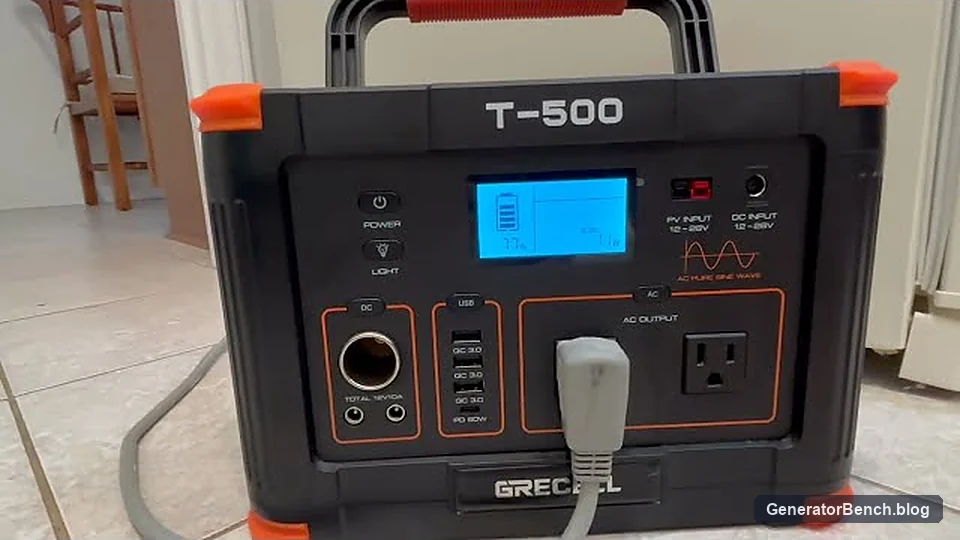
Larger side-by-side or commercial-style residential refrigerators may require a 3,000 to 4,000 watt unit. This extra capacity accommodates larger motors and simultaneous auxiliary kitchen appliance demands.
Always check fuel tank capacities and runtime metrics when evaluating potential generator specifications. Efficient inverter models adjust engine speed dynamically to match actual electrical loads.
Portability and weight considerations also matter when positioning equipment outside during severe weather events. Select a unit with sturdy wheels and folding handles for easy deployment.
- Match continuous generator wattage to maximum appliance running demands.
- Verify surge wattage ratings exceed your refrigerator's compressor spike.
- Opt for fuel-efficient inverter generators during multi-day outages.
- Ensure adequate physical clearance for safe exhaust ventilation.
Evaluating Dual-Fuel Versatility
Dual-fuel generators allow you to operate equipment using either gasoline or propane gas seamlessly. Propane storage offers indefinite shelf life compared to deteriorating gasoline supplies.
Running on propane typically reduces maximum generator output by approximately 10 percent. Account for this power reduction when sizing your unit for refrigerator backup duty.
- Propane fuel prevents carburetor gumming during long storage periods.
- Gasoline delivers slightly higher peak wattage output performance.
Video Walkthrough: The 5 Best Solar Generator for Refrigerator in 2025 |Reviews| Best Solar Generators for Your Fridge
Cord Selection And Proper Connection Safety Protocols
Connecting your refrigerator to an outdoor generator requires heavy-duty extension cords rated for outdoor use. Undersized cords experience severe voltage drops and dangerous thermal overheating.
Use a 12 AWG extension cord for runs under 50 feet to maintain electrical integrity. Longer distances demand thicker 10 AWG wiring to prevent motor damage.
Never run standard indoor household extension cords through open doorways or windows during emergencies. This creates severe pinching hazards and exposes electrical conductors to moisture.
Direct plug-in connections or manual transfer switch setups provide the safest transfer of backup power. Always verify that generator frames are properly grounded before starting.
- Inspect all extension cords for cuts, abrasions, or exposed copper wiring.
- Match cord gauge ratings strictly to total electrical amperage loads.
- Keep connection plugs elevated off wet ground surfaces outdoors.
- Never backfeed household wiring without an approved transfer switch installed.
Avoiding Carbon Monoxide Hazards
Portable generators produce deadly carbon monoxide gas and must operate strictly outdoors. Position units at least 20 feet away from windows, doors, and fresh air intakes.
Install working carbon monoxide detectors on every level of your home before operating backup generators. Never run equipment inside garages, sheds, or enclosed porches.
- Position exhaust mufflers pointing away from inhabited living spaces.
- Test household carbon monoxide detector batteries regularly during outages.
Practical Fuel Management And Runtime Calculations
Maintaining an adequate fuel supply ensures your refrigerator stays cold throughout multi-day utility interruptions. Calculate your daily fuel consumption based on average running load percentages.
Inverter generators feature eco-modes that throttle engine speeds down when cooling demand drops. This intelligent feature significantly extends runtime per gallon of fuel consumed.
Store backup fuel in approved, sealed containers treated with fresh fuel stabilizers. Always shut down the generator engine and let it cool before adding fresh fuel.
Keeping a detailed fuel log helps you anticipate refueling intervals during extended weather emergencies. Proper planning prevents unexpected compressor warm-up periods and food spoilage.
- Store emergency fuel safely in well-ventilated outbuildings away from living areas.
- Use chemical fuel stabilizers to prevent gasoline degradation over time.
- Allow hot engines to cool completely before refueling safely.
- Monitor fuel gauges frequently during peak operational demand cycles.
Calculating Fuel Consumption Rates
Most portable generators consume roughly 0.5 gallons per hour at 50 percent load. Smaller inverter units often achieve much better fuel economy under light kitchen loads.
Multiply your generator's hourly fuel burn rate by your expected daily runtime hours. This calculation reveals your total fuel storage requirements for extended outages.
- Check manufacturer runtime charts for precise fuel consumption data.
- Plan for increased fuel consumption during freezing winter weather conditions.
Frequently Asked Questions
Can a 1000 watt generator run a standard refrigerator?
A 1,000-watt portable generator can easily power compact mini-fridges during emergencies, but it will generally struggle with large residential kitchen appliances.
Standard household refrigerators require 1,800 to 2,200 surge watts when their compressor motors kick on, which instantly overloads smaller power units and trips internal circuit breakers.
What size generator do I need for a full-size fridge and freezer?
Running a full-size kitchen refrigerator and a separate chest freezer simultaneously requires a generator rated for at least 3,000 continuous watts.
This generous electrical capacity safely accommodates overlapping compressor motor surges, automatic defrost cycles, and auxiliary household LED lighting without straining the engine alternator.
Why are inverter generators recommended for modern refrigerators?
Inverter generators are strongly recommended for modern refrigerators because they produce exceptionally clean electricity with minimal harmonic distortion. Feeding dirty power from conventional open-frame generators into sensitive smart appliances can permanently damage digital control boards and internal thermostats.
How do I find my refrigerator's exact electrical requirements?
You should always check the manufacturer identification label located inside your refrigerator door cavity to find exact electrical specifications. Multiplying the listed running amperage by your local household voltage reveals the precise continuous wattage demand required for proper backup sizing.
What type of extension cord should I use for a refrigerator generator?
Connecting your kitchen refrigerator to an outdoor generator requires heavy-duty 12 AWG extension cords rated specifically for outdoor environmental conditions.
Never route cords through open windows or doors because this creates dangerous pinching hazards and exposes live electrical conductors to moisture.