What Size Generator to Run Window Unit and Fridge
Calculating power needs prevents dangerous overloads during unexpected outages. Proper generator sizing ensures both household appliances run safely throughout any emergency power loss event.

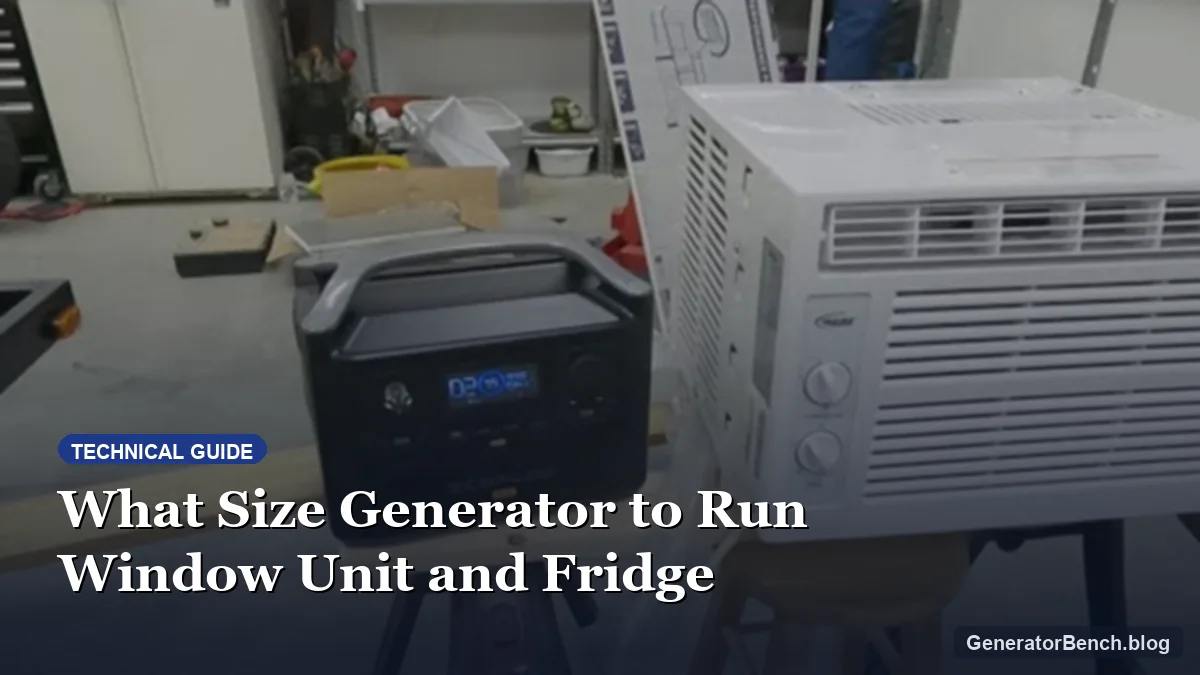
You generally need a reliable 3500-watt to 4500-watt portable generator. This capacity safely handles heavy startup surges of both units simultaneously without tripping safety circuit breakers.
Looking for matching picks? See our Best Generator For Fridge.
Practical Quick-Reference Table
| Scenario / Metric | Recommended Target | Why It Matters |
|---|---|---|
| Standard Window AC | 500-900 Running Watts | Requires clean sine wave power |
| AC Startup Surge | 1500-2500 Starting Watts | Compressor motor requires momentary spike |
| Standard Refrigerator | 200-400 Running Watts | Continuous cycling demands steady output |
| Fridge Startup Surge | 1200-1800 Starting Watts | Inductive load spikes during motor kick |
| Combined Minimum | 3500 Starting Watts | Prevents engine stalling under dual load |
| Recommended Buffer | 4500 Starting Watts | Allows safe headroom for accessories |
Calculating Combined Running and Starting Watts
Determining exact power requirements begins with locating the specification labels on your specific appliances. These metal plates list crucial electrical ratings needed for accurate math.
Running watts represent continuous power consumption during normal operation. Starting watts indicate the massive momentary surge required to spin heavy internal electric motors up to speed.
Combining these metrics ensures your chosen best generator for fridge handles overlapping demand cycles without failing. If both compressors kick on simultaneously, total wattage requirements spike dramatically.
Always prioritize the highest simultaneous starting surge over simple running totals. Neglecting this crucial mathematical step often results in stalled motors and tripped inverter protection circuits.
When sizing a generator for multiple appliances, you must account for both continuous running wattage and surge starting watts. Compressors require a massive initial electrical spike to overcome mechanical inertia upon startup.
Add the running wattage of your refrigerator and window air conditioner together. Then, identify the single highest starting wattage requirement among your connected devices to establish a safe baseline capacity threshold.
Never assume both motors will cycle on simultaneously, but your generator must handle overlapping loads safely. Apply a safety buffer of twenty percent above your absolute peak calculation to prevent unexpected engine stalls.
Consult the manufacturer data plate on each appliance housing for exact amperage ratings. Multiply volts by amps if wattage is missing to find the accurate electrical load required for proper generator sizing.
- Locate running and starting wattage on appliance data plates.
- Add continuous running watts for both active devices together.
- Identify the highest single motor startup surge requirement.
- Add that peak surge to the baseline running total.
Evaluating Inductive Load Multipliers
Inductive loads like compressors create severe electrical resistance upon initial startup. This phenomenon demands up to three times normal running wattage for brief seconds.
Failing to account for inductive multipliers guarantees your generator engine will bog down. Modern digital meters help measure these exact electrical spikes very accurately.
- Compressors utilize heavy copper windings creating high inductance.
- Surge multipliers typically range from two to three times.
Accounting for Simultaneous Cycling Overlaps
Refrigerators and residential air conditioners operate on independent thermostats throughout the day. Their compressor cycles will eventually overlap during prolonged power outage scenarios.
Sizing your portable equipment for simultaneous operation prevents unexpected shutdowns when both household appliances demand maximum power at the exact same moment.
- Thermostats trigger cooling cycles independently of each other.
- Assume overlapping surges will occur during extended runs.
Window Air Conditioner Electrical Demands
Window air conditioning units vary widely in cooling capacity measured in British Thermal Units. A standard unit requires substantial electrical current to cool effectively.
Smaller cooling units rated around five thousand BTUs demand modest running power. Larger units exceeding twelve thousand BTUs push electrical demands significantly higher during hot summer weather conditions.
Compressor design inside the cooling chassis heavily influences starting surge requirements. Older fixed-speed rotary compressors demand much higher startup amperage than modern units.
Evaluating your specific cooling device prevents purchasing an undersized portable generator that cannot handle initial compressor engagement phases. Consulting our best generator to run a house guide helps clarify capacity limits.
Window air conditioning units feature heavy-duty induction motors that demand high locked rotor amps during startup. An average 8,000 BTU unit typically consumes around 900 running watts while requiring 1,800 surge watts.
Modern inverter window units utilize variable speed compressors that eliminate traditional hard starting spikes. These efficient models draw smooth current, significantly reducing the peak starting wattage needed from your portable generator.
Older mechanical dial units demand heavier electrical margins due to high inductive resistance and older compressor designs. Always check your unit's Energy Efficiency Ratio label to estimate realistic continuous power draws during peak summer heat.
Compressor cycling causes recurring voltage sags that can stress sensitive electronics connected to the same circuit. Dedicated generator circuits or managed loads protect your appliances from experiencing harmful brownout conditions during operation.
- BTU ratings directly correlate with electrical wattage consumption.
- Fixed-speed compressors require intense initial starting surges.
- Fan motors add minor running loads to the circuit.
- Voltage drops can stall delicate internal cooling fans.
Managing Soft-Start Kits on Cooling Units
Installing specialized soft-start devices significantly reduces the massive electrical surge demanded by window units. These aftermarket electronic components smooth out initial power delivery.
Reducing startup amperage allows smaller portable generators to successfully power both cooling and refrigeration appliances together without mechanical engine strain.
- Soft-start modules ramp up voltage gradually over seconds.
- Total starting amperage drops by up to fifty percent.
Video Walkthrough: What Size GENERATOR Do I Need To POWER My House? SIMPLE!
Refrigerator Compressor Surge Requirements
Household refrigerators maintain steady internal temperatures through intermittent compressor cycles running throughout the day and night. These continuous operations demand careful wattage allocation.
While standard units consume minimal running wattage, their internal pump motors require substantial starting power. This momentary surge prevents the refrigerant pump from stalling.
Modern energy-efficient refrigerators feature advanced inverter compressors that minimize electrical spikes. Older top-freezer models often demand much harsher startup wattage parameters during outages.
Protecting perishable food items requires uninterrupted power delivery to maintain safe internal food storage temperatures during prolonged emergency power events.
Household refrigerators operate intermittently, meaning their internal compressors cycle on and off throughout the day. While running watts remain low, typically around 200, the motor starting surge reaches 1,200 watts.
Defrost heaters represent another major electrical load that triggers periodically during normal refrigeration cycles. When a defrost cycle activates simultaneously with compressor startup, total draw spikes past standard running thresholds unexpectedly.
Side-by-side and French door models require larger generators than basic top-freezer units due to extra electronic controls and ice makers. Always calculate for the maximum surge capacity to prevent the compressor from stalling out.
If your refrigerator stalls during a startup surge, repetitive failed attempts can permanently damage the compressor windings. Providing an adequate wattage safety margin ensures reliable cooling performance during extended power outages.
- Refrigerators run intermittently based on internal thermostat settings.
- Startup surges typically last for several crucial seconds.
- Defrost heaters add massive transient loads if activated.
- Keep doors closed to minimize compressor run cycles.
Accounting for Defrost Cycle Wattage Spikes
Automatic defrost heaters consume massive amounts of electrical power when actively melting ice buildup inside freezer compartments. This transient load adds sudden electrical stress.
Sizing your portable generator with adequate headroom ensures these hidden defrost cycles do not trip main safety breakers unexpectedly. Using our wattage sizing calculator simplifies total load estimation significantly.
- Defrost heaters operate independently of compressor cooling phases.
- Wattage demands can spike by twelve hundred watts.
Inverter Versus Traditional Portable Generator Performance
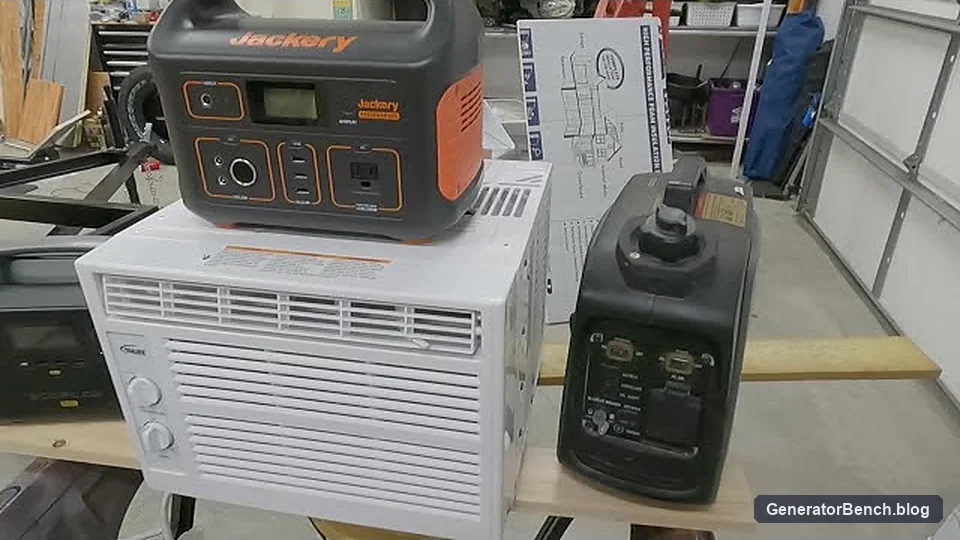
Choosing between traditional frame generators and advanced inverter models impacts fuel efficiency and power quality significantly. Inverter technology delivers exceptionally clean household electricity.
Sensitive electronic controls inside modern appliances require stable sine wave power to prevent internal component damage during extended generator operation periods.
Traditional frame generators offer robust budget-friendly power but produce higher total harmonic distortion levels unsuitable for modern smart appliances.
Carefully matching generator output quality to appliance sensitivity ensures long-term operational reliability and prevents premature electrical failure.
Traditional frame generators use synchronous alternators running at a fixed 3,600 RPM to produce stable electricity. They offer high power output for their cost but suffer from higher total harmonic distortion levels.
Inverter generators convert raw AC power to DC and then back to clean AC, delivering exceptional pure sine wave output. This clean power protects sensitive appliance control boards and digital thermostats from premature electrical failure.
Fuel efficiency sets inverters apart because their internal microprocessors throttle engine speed to match the current electrical demand. Operating at variable speeds reduces noise and conserves fuel during low-load running conditions.
When running both a refrigerator and a window AC unit simultaneously, a twenty-two hundred watt inverter is typically the bare minimum size required. Parallel capability allows pairing two smaller units for combined heavy loads.
- Inverters throttle engine speed dynamically based on electrical load.
- Traditional units run at constant high RPMs constantly.
- Total harmonic distortion remains below three percent for inverters.
- Parallel kits combine two units for increased wattage.
Evaluating Total Harmonic Distortion Limits
Total harmonic distortion measures the cleanliness of alternating current waves produced by generator alternators. High distortion overheats inductive appliance motors.
Clean power protects delicate digital display panels and refrigerator control boards from erratic electrical behavior during outages.
- Low THD prevents premature motor winding thermal breakdown.
- Inverter alternators condition power through electronic microprocessors.
Fuel Selection and Runtime Calculations Under Load
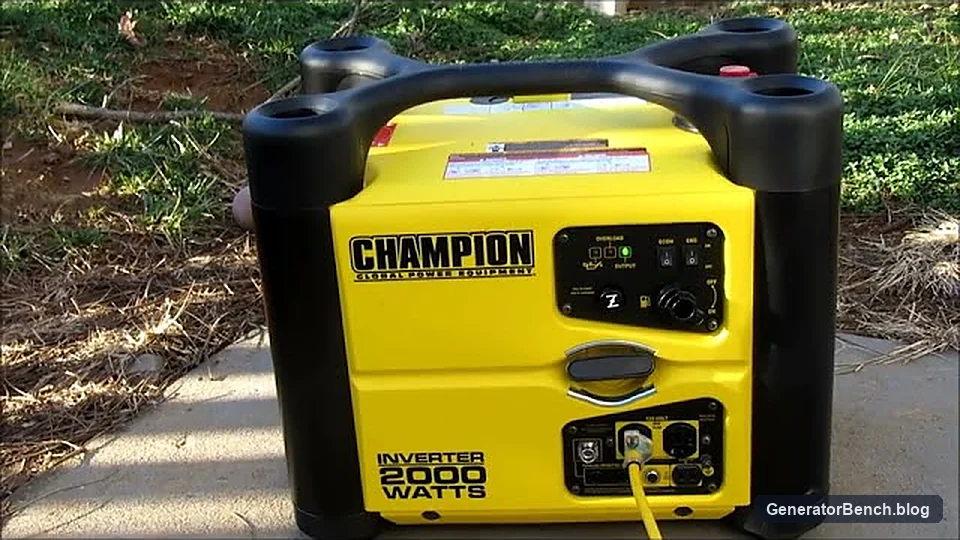
Portable generators operate on gasoline, propane, or natural gas, each offering distinct storage and runtime advantages during emergencies. Gasoline delivers maximum peak output power.
Safe propane fuel storage offers infinite shelf life without degrading carburetor jets, making it ideal for infrequent emergency deployment scenarios.
Running dual-fuel equipment under moderate combined loads requires careful fuel consumption tracking to prevent unexpected emergency engine shutdowns.
Maintaining adequate fuel reserves ensures continuous operation for both your cooling unit and refrigeration appliance through multi-day power outages.
Portable generators typically operate on gasoline, propane, or natural gas, each offering distinct storage and efficiency traits. Gasoline provides high energy density but degrades quickly, requiring stabilized fuel storage for emergency readiness.
Propane offers an indefinite shelf life and cleaner emissions, though running on vapor results in a ten percent power reduction compared to gasoline. Always factor this drop into your combined appliance wattage sizing equations.
Calculating exact runtime requires checking manufacturer fuel consumption charts at fifty percent load. Real-world fuel consumption increases significantly when compressor motors cycle on and off continuously throughout the day.
Maintaining extra fuel reserves ensures uninterrupted cooling during extended outages lasting multiple days. Storing fuel safely in approved containers away from living spaces prevents hazardous fume accumulation and fire safety risks.
- Gasoline degrades quickly inside small engine carburetors.
- Propane reduces maximum running wattage output slightly.
- Calculate fuel burn rates at fifty percent load.
- Store fuel safely in approved containers away from heat.
Managing Extended Run Times Safely
Refueling a hot generator engine introduces severe fire hazards during emergency operation. Always shut down the motor before adding fresh fuel when operating the best generator to run a fridge.
Larger integrated fuel tanks extend operational windows but add significant physical weight to portable equipment transport frames.
- Allow engines to cool before pouring liquid fuel.
- Utilize fuel shutoff valves to clear carburetor bowls.
Cord Gauge Safety and Proper Receptacle Placement
Delivering electrical current safely from your generator to appliances requires heavy-duty extension cords rated for outdoor use. Undersized cords overheat rapidly.
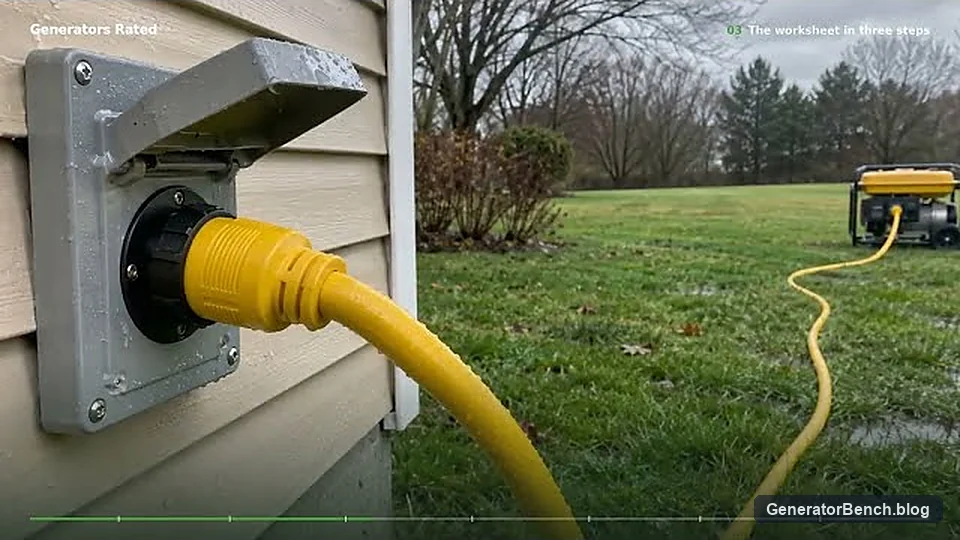
Match cord wire gauges strictly to total amperage draws and physical distances to prevent dangerous voltage drops over extended runs.
Always plug your major appliances directly into dedicated generator receptacles without daisy-chaining multiple power strips together.
Inspect all electrical cord insulation regularly for cracks, abrasions, or exposed copper wiring before activating your power system.
Using the correct extension cord gauge is critical for preventing dangerous voltage drops over long distances. Undersized cords create excessive resistance, causing the conductor wires to overheat and potentially triggering thermal overloads.
For heavy appliance loads, always deploy heavy-duty twelve gauge copper wire cords rated for outdoor use. Never daisy-chain multiple extension cords together, as connection points introduce resistance and severe voltage sag risks.
Position your generator at least twenty feet away from your home with the exhaust pointing away from windows. This placement prevents deadly carbon monoxide gas from entering your living spaces while powering your window air conditioner.
Weatherproof covers and GFCI protected outlets are mandatory when operating electrical equipment in wet or damp conditions. Inspect your entire cord run regularly for abrasions or exposed wiring to maintain optimal safety.
- Use twelve-gauge or ten-gauge cords for heavy loads.
- Keep extension cord runs as short as possible.
- Protect connections from rain and standing water.
- Never run cords underneath heavy floor rugs.
Preventing Carbon Monoxide Poisoning Risks
Portable generators emit lethal carbon monoxide gas and must always operate outdoors far away from residential windows and doors.
Install reliable battery-operated carbon monoxide detectors inside your living space to ensure immediate warning during generator use.
- Position exhaust pointing away from all living areas.
- Never operate generators inside garages or sheds.
Environmental Factors and Altitude Derating Rules
Operating portable generators at high elevations reduces engine horsepower because thinner air supplies less oxygen to combustion chambers.
High ambient temperatures also decrease maximum electrical output capacity by forcing engines to work harder under intense thermal stress.
Always apply standard derating percentages when calculating generator size for hot weather or mountainous camping deployment locations.
Properly accounting for environmental variables prevents unexpected overloads when your equipment operates outside optimal sea-level conditions.
Generator engine performance degrades significantly as operating altitude increases due to lower atmospheric air density. Standard carbureted engines lose approximately three and a half percent of their power per thousand feet of elevation.
If you live in a mountainous region, you must install an altitude carburetor jet to restore proper air-fuel mixtures. Failing to adjust for high elevation causes running engines to flood and drastically drops available wattage capacity.
Ambient outdoor temperature also impacts generator output, particularly during scorching summer heatwaves. High temperatures reduce air density and cooling efficiency, forcing many units into thermal overload protection mode sooner than expected.
Always factor local environmental conditions into your initial generator sizing calculations to avoid overload shutdowns. Providing a generous power cushion accounts for extreme weather variables seamlessly during emergencies.
- Derate generator output by three percent per thousand feet.
- Reduce capacity further for ambient temperatures above eighty degrees.
- Clean cooling fins regularly to maintain optimal airflow.
- Use appropriate oil viscosities for seasonal weather.
Maintaining Equipment During Severe Weather
Running generators in heavy rain or snow requires specialized protective tents designed to maintain adequate ventilation while blocking moisture intrusion.
Protect sensitive electrical control panels from direct water contact to avoid catastrophic short circuits and potential user shock hazards.
- Never touch wet control panels with bare hands.
- Ensure proper grounding rod installation before startup.
Frequently Asked Questions
Can a 2000-watt generator run a window unit and fridge?
A standard 2000-watt unit cannot safely run both appliances together because their combined starting surges exceed its maximum output limit. You need at least 3500 watts to prevent immediate engine stalls and tripped overloads.
What size generator runs a refrigerator and small AC?
A portable generator rated between 3500 and 4500 starting watts easily handles both a standard refrigerator and a small window air conditioner. This capacity provides essential safety headroom for overlapping compressor startup cycles.
Why do refrigerators and air conditioners need extra wattage?
Inductive electric motors require a massive momentary power spike to overcome initial mechanical inertia when starting up. This starting surge can reach up to three times their normal continuous running wattage requirement.
Should I use an inverter or conventional generator?
Inverter generators are strongly recommended because they produce clean, stable power with very low harmonic distortion. Clean electricity protects sensitive digital control boards and electronic appliance components from premature failure.
How do I calculate total wattage needs for appliances?
Add the continuous running wattage of both devices together, then add the highest single motor starting surge. Choosing the highest peak requirement ensures your power source operates reliably without bogging down.