Schedule And Duration Of Preventive Maintenance Of Generator
Proper maintenance scheduling extends equipment lifespan. Tracking exact operational hours ensures reliable backup power.

Adhering to strict service timelines prevents catastrophic engine failure. Always record runtime hours before initiating any scheduled overhaul tasks.
Looking for matching picks? See our Best Electric Generator.
Practical Quick-Reference Table
| Scenario / Metric | Recommended Target | Why It Matters |
|---|---|---|
| Weekly Inspection | 15 minutes max | Ensures ready state |
| Monthly Service | 30-45 minutes | Validates fluid levels |
| Semiannual Overhaul | 2-3 hours | Replaces worn filters |
| Annual Load Test | 2-4 hours | Burns carbon deposits |
| Battery Testing | Monthly check | Prevents no-start issues |
| Winding Megohm Check | Annual audit | Detects internal moisture |
Establishing Baseline Operational Hours For Routine Service
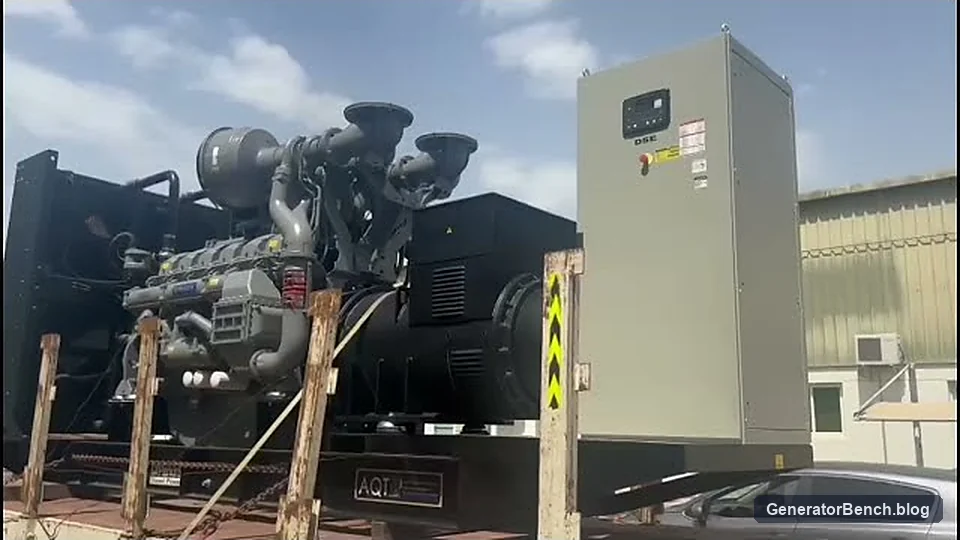
Establishing a robust preventive maintenance schedule requires tracking cumulative engine operating hours accurately. Modern standby generators utilize digital hour meters to log total runtime under heavy electrical loads.
Operators must categorize mechanical service intervals based on cumulative run time rather than calendar dates alone. Recognizing these operational thresholds prevents premature wear on critical internal components.
Environmental conditions also dictate whether facility managers should accelerate standard maintenance timelines. Dusty or humid climates require significantly shortened intervals for all basic mechanical servicing tasks.
Establishing a precise maintenance schedule relies on tracking total running hours using digital hour meters. Portable units require service every 100 hours, whereas standby units operate on strict calendar intervals alongside hour tracking.
Heavy dust loads or extreme ambient temperatures demand shortening standard service intervals by up to 50 percent. Environmental stressors accelerate oil breakdown, necessitating rigorous monitoring of crankcase conditions and fuel filter contamination rates.
Integrating automated telemetry systems helps facility managers log operational metrics accurately. Consulting our best Briggs and Stratton generator picks reveals how smart sensors flag anomalies early, preventing catastrophic alternator failures.
- Log every test cycle in a dedicated equipment ledger.
- Monitor ambient temperature shifts near the generator housing.
- Calibrate digital hour meters during every primary service interval.
- Account for standby versus prime power operational demands.
Digital Hour Meter Tracking
Digital hour meters provide precise data required for scheduling component replacements safely. Checking these displays weekly helps technicians forecast upcoming service requirements efficiently.
- Record decimal readings during monthly inspections.
- Reset service reminder lights after completing maintenance.
Daily And Weekly Inspection Protocols For Backup Units
Daily checks involve simple visual walkthroughs of the entire enclosure. Reviewing the best generator for home and rv options helps technicians verify that intake louvers and exhaust vents remain completely clear of debris.
Weekly test runs ensure the internal combustion engine primes properly and circulates oil. Running the unit under a light electrical load prevents moisture accumulation inside alternator windings.
Inspecting fuel lines for micro-cracks prevents dangerous leaks during extended grid power outages. Addressing minor fluid weeping immediately safeguards the entire installation area against hazards.
Routine daily walkthroughs require checking enclosure clearances and verifying that the control panel displays no active fault codes. Operators must confirm the main circuit breaker remains in the proper auto position.
Weekly visual audits should encompass inspecting fuel supply lines for leaks and testing the battery charger output voltage. Maintain float voltages between 13.2 to 13.8 volts for standard twelve-volt starting systems.
Unloaded exercise runs lasting twenty minutes prevent moisture accumulation within generator windings. Document exhaust color and listen for abnormal mechanical rattling during this weekly automated cycle to catch minor issues quickly.
- Verify enclosure security latches function correctly.
- Inspect exhaust piping for soot or blockage.
- Check battery charger status indicator lights.
- Confirm manual fuel shutoff valves remain open.
Visual Enclosure Walkthroughs
Visual inspections catch minor fastener loosening before excessive vibration causes mechanical failure. Technicians should examine vibration isolators and mounting bolts closely during every walkthrough.
- Check rubber damper pads for dry rot.
- Verify control panel cover seals tightly.
Video Walkthrough: Generator Maintenance 101: The Basics
Monthly Mechanical Checks And Fluid Level Verification
Monthly maintenance focuses primarily on fluid levels and starting battery health parameters. Checking engine oil viscosity ensures proper lubrication during emergency cold-weather startup phases.
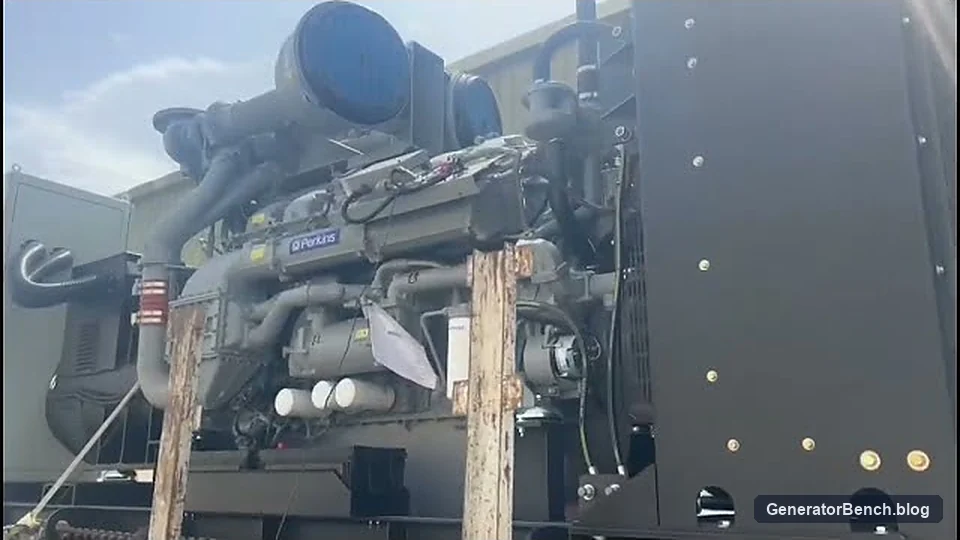
Coolant levels must be verified strictly when the engine is completely cold. Maintaining proper coolant concentration prevents both freezing damage and internal cooling block corrosion.
Battery terminal connections require cleaning to remove corrosive sulfate buildup rapidly. Testing terminal voltage confirms the starting system can deliver required cranking amperage reliably.
Monthly upkeep mandates verifying engine oil levels using the dipstick, ensuring fluid sits squarely between the low and full marks. Never overfill crankcases because excessive oil causes harmful internal foaming.
Coolant concentration must be tested monthly using a refractometer to ensure a balanced 50/50 mix of antifreeze and distilled water. This ratio protects against freezing temperatures and internal corrosion simultaneously.
Inspect belt tension across the alternator and cooling fan pulleys, allowing no more than three-eighths inch of deflection under moderate thumb pressure. Loose belts induce premature bearing wear and charging system failure.
- Measure specific gravity in flooded lead-acid batteries.
- Top off radiator coolant reservoirs using distilled water.
- Inspect drive belt tension for excessive slack.
- Lubricate hinges and latches on weather enclosures.
Coolant And Oil Diagnostics
Analyzing fluid color and consistency reveals hidden internal wear patterns early. Dark oil contaminated with fuel dilution requires immediate full system drainage and replacement.
- Test coolant freeze point using a refractometer.
- Wipe dipsticks with lint-free shop towels.
Semiannual Overhauls And Comprehensive Filter Replacements
Semiannual service intervals demand comprehensive filter replacements across all core systems. Changing fuel, oil, and air filters protects precision fuel injection components from abrasive particulate matter.
Technicians must inspect spark plugs or glow plugs for heavy carbon fouling. Replacing worn ignition components restores optimal combustion efficiency and lowers overall fuel consumption.
Crankcase breather elements also need careful inspection during semiannual maintenance windows. Clearing clogged breathers prevents excessive internal pressure from blowing out fragile paper gaskets.
Semiannual maintenance schedules require replacing primary fuel filters, secondary water separators, and engine air filters. Fresh filtration media prevents abrasive particles from damaging high-pressure common rail injectors.
Drain engine oil completely while the block remains warm to suspend particulate contaminants effectively. Torque oil drain plugs back to precise manufacturer specifications to prevent catastrophic crankcase leaks during operation.
Clean cooling fins on air-cooled units and inspect radiator cores on liquid-cooled models for debris blockages. Technicians should also test heavy-duty starting battery terminals for signs of chemical sulfation.
- Dispose of old engine oil responsibly.
- Coat new oil filter gaskets with clean oil.
- Torque drain plugs to manufacturer specifications.
- Inspect air filter media for microscopic tears.
Fuel System Sediment Removal
Draining water separators prevents moisture from reaching sensitive fuel injectors. Water contamination can cause catastrophic corrosion inside high-pressure common rail fuel systems.
- Catch separated water in clear containers.
- Prime fuel systems after filter replacement tasks.
Annual Load Bank Testing And Electrical System Audits
Annual maintenance requires rigorous load bank testing to verify generator power output. As noted in our Briggs and Stratton 6500 generator review, applying a resistive load burns off carbon buildup safely.
Electrical audits ensure circuit breakers and transfer switches operate smoothly without hesitation. Technicians should measure insulation resistance on alternator windings using specialized megohmmeters.
Verifying safety shutdown sensors prevents catastrophic engine damage during actual emergencies. Testing low oil pressure switches guarantees immediate engine shutdown protection under duress.
Annual load bank testing verifies that emergency generators can deliver their full nameplate kW rating without experiencing thermal overload, voltage collapse, or dangerous frequency drops under sustained stress.
Technicians must inspect main bus bars and terminal connections using infrared thermography cameras to identify high-resistance hotspots before they cause electrical arcing, component failure, or unexpected power outages.
Calibrate automatic transfer switches during annual audits to guarantee seamless power switching during utility failures. Verify that transfer time delays match specified National Fire Protection life safety codes.
- Run load banks for at least two hours.
- Check alternator bearing temperatures with infrared meters.
- Inspect main circuit breaker trip mechanisms carefully.
- Calibrate voltage regulators to precise factory parameters.
Alternator Winding Insulation Checks
Measuring winding resistance identifies moisture trapped within generator stators. Low resistance readings require stator baking procedures before returning units to active service.
- Disconnect electronic control boards prior to testing.
- Record megohm values for historical tracking purposes.
Video Walkthrough: Omexom Offshore | Preventive maintenance of generators by AI
Duration Estimates For Every Maintenance Tier Level
Understanding service durations helps facility managers plan operational downtime effectively. Basic weekly inspections typically require less than fifteen minutes of active technician labor.
Monthly servicing routines generally take between thirty and forty-five minutes. These sessions involve fluid checks, battery tests, and minor exterior cleaning steps thoroughly.
Comprehensive semiannual and annual overhauls demand significantly more time allocation. Technicians should budget several hours for filter changes and load bank tests.
Daily and weekly operator visual checks typically require only ten to fifteen minutes to complete. These rapid inspections catch obvious fluid leaks, structural damage, or loose safety guards quickly.
Monthly and semiannual servicing procedures demand significantly more time, generally ranging from two to four hours depending on system capacity verified using our wattage sizing calculator.
Comprehensive annual load bank testing requires a full day, often lasting six to eight hours due to setup, thermal stabilization runs, cooldown periods, and detailed electrical system diagnostic reporting.
- Schedule minor maintenance during low-demand operational windows.
- Allocate extra time for unexpected component replacement tasks.
- Coordinate with facility stakeholders before shutting down units.
- Keep backup replacement parts stocked to minimize delays.
Labor Allocation For Major Overhauls
Major annual servicing often requires a dedicated two-person technician team. Complex electrical audits and load bank setups necessitate specialized multi-hour coordination efficiently.
- Review safety lockout procedures before starting work.
- Verify all specialized testing tools are calibrated.
Documentation Best Practices For Technical Equipment Longevity
Maintaining meticulous service logs ensures long-term operational reliability. Documenting every completed task helps future technicians trace historical equipment performance trends accurately.
Digital maintenance management software streamlines scheduling and parts inventory tracking. Storing manuals alongside service records prevents costly delays during emergency repairs.
Compliance audits often require verifiable proof of regular preventive maintenance execution. Detailed record-keeping protects facility operators against liability issues during unexpected power failures.
Maintaining meticulous service logs is essential for proving regulatory compliance and protecting equipment warranties. Record every operational hour, replacement part number, and fluid quantity in a centralized facility database.
Digital maintenance management software helps schedule upcoming service tiers automatically based on real-time usage data. This proactive tracking prevents missed intervals and reduces the risk of unexpected mechanical failures.
Archiving oil analysis lab reports alongside standard repair invoices provides valuable historical context regarding internal engine wear trends over the operational lifespan of the commercial power generation asset.
- Store physical logs inside weatherproof enclosure compartments.
- Back up digital maintenance files on secure servers.
- Record exact replacement part numbers during servicing.
- Note ambient operating conditions during each inspection.
Historical Trend Analysis
Analyzing historical maintenance records reveals patterns of premature component failure. Tracking oil consumption rates helps technicians predict when internal overhauls become necessary.
- Compare current fuel consumption with baseline data.
- Track battery replacement dates across all units.
Frequently Asked Questions
How often should generator oil be changed?
Engine oil typically requires replacement every one hundred operational hours or annually. Always consult manufacturer specifications to determine the exact service interval for your model.
Why is load bank testing necessary annually?
Load bank testing prevents wet stacking by applying a full electrical load. This process burns off unburned fuel and carbon deposits accumulated inside the engine cylinders.
What causes premature battery failure in standby generators?
Chronic undercharging or extreme ambient temperatures frequently degrade starting batteries prematurely. Inspecting charging circuits monthly prevents unexpected emergency startup failures during critical power outages.
How long does a standard semiannual service take?
Comprehensive semiannual maintenance usually requires two to three hours of dedicated labor. This timeframe accommodates filter replacements, fluid top-offs, and thorough mechanical safety inspections.
Can maintenance intervals be extended in clean environments?
Clean indoor environments may slightly extend operational thresholds between basic filter changes. However, standard chronological service intervals should still be maintained to prevent lubricant breakdown.