Preventive Maintenance Schedule For Diesel Generators
Maintaining your heavy-duty backup power asset requires structured intervals. Systematic equipment care prevents unexpected operational failures.

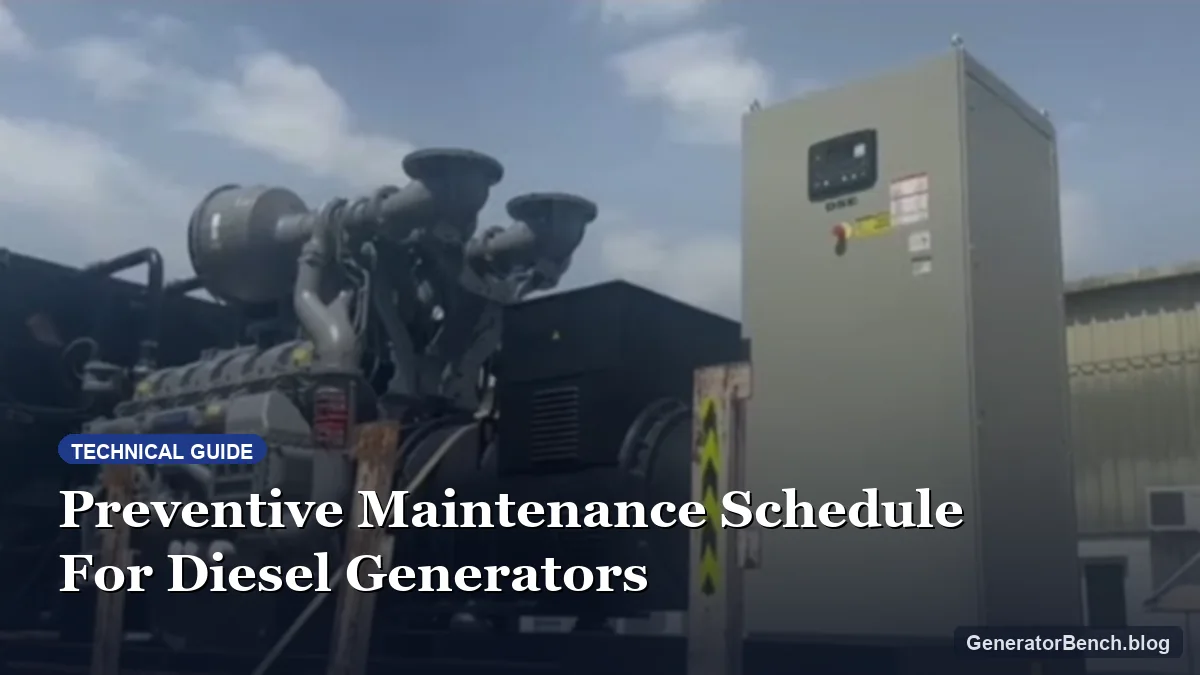
Execute daily visual checks and scheduled fluid exchanges based on operating hours. Consistent oil sampling guarantees long-term engine reliability under heavy loads.
Looking for matching picks? See our Best Diesel Generator.
Practical Quick-Reference Table
| Scenario / Metric | Recommended Target | Why It Matters |
|---|---|---|
| Daily Pre-Start Check | All fluid levels nominal | Prevents catastrophic engine damage |
| Oil Change Interval | Every 250 operating hours | Removes accumulated wear metals |
| Fuel Filter Replacement | Every 500 operating hours | Protects precision injection pumps |
| Load Bank Testing | Annual at 80% capacity | Eliminates wet stacking risks |
| Coolant System Service | Every 2000 hours | Prevents cavitation and corrosion |
| Battery Replacement | Every 24 to 36 months | Ensures reliable cranking power |
Core Fundamentals and Engine Sizing Principles
Understanding core diesel engine fundamentals ensures your backup system operates efficiently. Proper generator sizing prevents wet stacking when you use our precise wattage sizing calculator during commercial planning.
Evaluating thermal load profiles helps technicians establish accurate service intervals. Operating below 30 percent capacity invites carbon buildup within the exhaust manifold and combustion chambers.
Reviewing manufacturer specifications clarifies exact displacement and airflow requirements. Ambient temperature extremes dictate specific cooling system adjustments and heavy-duty radiator core maintenance tasks.
Proper sizing ensures your diesel generator avoids wet stacking by maintaining at least thirty percent minimum load. Undersized units suffer carbon buildup, causing costly premature engine failure over time.
Engineers calculate continuous power requirements using standard ambient derating factors for altitude. Derate your prime power capacity per thousand feet above sea level when choosing the best home generators for power outages.
Anticipate future facility expansions by incorporating a twenty percent capacity margin into your initial selection. This planning prevents chronic overload conditions and stabilizes exhaust gas temperatures during severe weather emergencies.
- Calculate maximum running load requirements
- Verify continuous versus standby power ratings
- Account for localized altitude derating factors
- Maintain optimal exhaust system backpressure limits
Thermal Efficiency and Load Management
Balancing mechanical loads protects internal cylinder liners from glazing. Routine load bank testing restores combustion efficiency across all operating cylinders.
Monitoring exhaust gas temperatures prevents catastrophic thermal shock events. Exhaust pyrometer data highlights hidden fuel injector imbalances instantly during heavy operation.
- Check exhaust gas temperatures frequently
- Monitor turbocharger boost pressure gauges
- Inspect piston ring sealing performance
Daily Visual Checks and Pre-Start Inspections
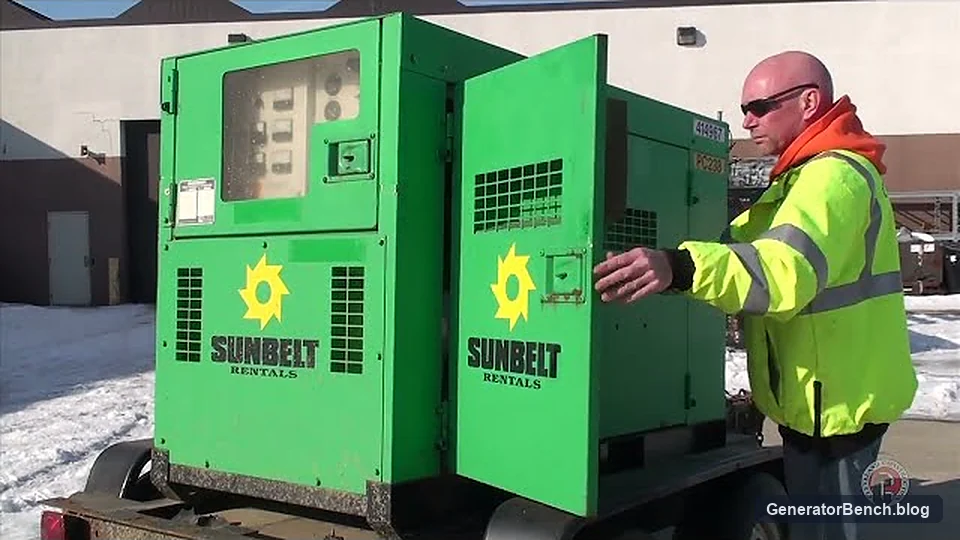
Establishing a reliable pre-start inspection routine safeguards critical mechanical components. Checking fluid levels daily prevents engine seizures, mirroring standard maintenance protocols required by the best inverter generators for home models.
Inspecting the clear hardware diagram guides your physical walkaround sequence. Belts and hoses require tactile tension checks to identify micro-cracks before they rupture.
Examine the fuel water separator bowl for trapped condensation and debris. Draining water contaminants protects precision fuel injection pumps from premature internal scoring and failure.
Verify that battery charging systems and emergency stop buttons function properly. Control panel indicators must show zero active fault codes prior to cranking.
Conduct a thorough walkaround inspection every morning to identify fluid leaks or loose mounting hardware. Check the coolant recovery tank to ensure levels sit precisely at the cold fill line.
Pull the engine oil dipstick, wipe it clean, and verify that oil reaches the full operating mark. Inspect serpentine belts for fraying, glazing, or tension variations exceeding one quarter inch deflection.
Examine the primary fuel water separator bowl and drain any accumulated condensation immediately. Water contamination destroys high pressure common rail injectors within seconds under high operating fuel pressures.
Verify that enclosure intake and exhaust louvers remain entirely unobstructed by debris, snow, or storage items. Restricted airflow quickly induces high cylinder temperatures and triggers automated system shutdown protections.
- Inspect oil dipstick level and condition
- Verify coolant recovery tank status daily
- Check battery terminal tightness and corrosion
- Confirm enclosure louver clearance paths
Video Walkthrough: Generator Preventive Maintenance
Operating Hour Milestones and Fluid Services
Tracking exact engine operating hours dictates specialized preventive maintenance interventions. Oil and filter replacements typically occur every two hundred fifty operating hours.
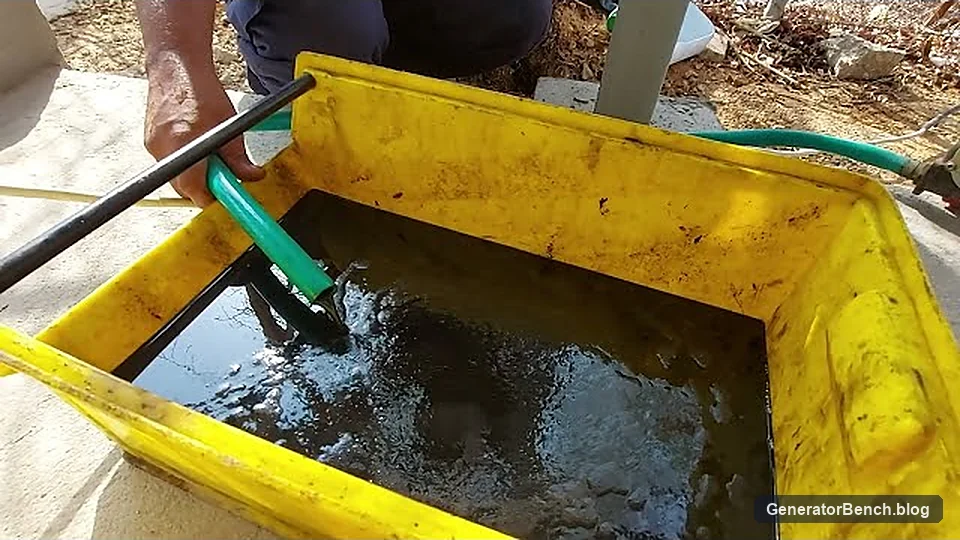
High-sulfur fuel environments require more aggressive fluid exchange frequencies. Laboratory oil analysis determines precise lubricant degradation rates and microscopic wear metals.
Cooling system flushes prevent mineral scale buildup inside the block. Extended life coolant formulations demand regular inhibitor testing to prevent internal cavitation corrosion.
Inspect valve lash clearances during designated semi-annual mechanical service intervals. Correct valve adjustments ensure optimal cylinder compression and maximum thermal efficiency.
Change engine oil and filters every two hundred fifty hours of runtime under normal operating conditions. Severe dusty environments require cutting this interval in half to protect bearings.
Flush and replace standard coolant mixtures every two thousand operating hours to maintain corrosion inhibitor potency. Use a refractometer to verify the exact glycol freeze protection ratio.
Service heavy duty air induction filters when restriction indicators reach twenty five kilopascals of vacuum pressure. Never tap paper elements clean, as microscopic tears let abrasive dust inside.
Inspect valve lash clearances meticulously every one thousand hours on medium sized industrial diesel power plants. Correct clearances ensure optimal compression ratios and reduce annoying exhaust valve ticking noises.
- Replace primary fuel filtration elements
- Change heavy-duty engine air elements
- Test coolant freezing point protection
- Inspect auxiliary drive belt tensioners
Fuel System Calibration and Filtration Protocols
Clean diesel fuel remains the lifeblood of industrial backup generators. Micron filtration ratings prevent abrasive particles from damaging high-pressure common rail injectors when choosing the best diesel generators for home units.
Microbial growth thrives in stagnant storage tanks experiencing temperature fluctuations. Biocide chemical treatments eliminate diesel bug infestations before they clog primary fuel lines.
Bleeding the fuel system after filter changes removes trapped air pockets. Proper priming procedures ensure immediate engine startup without heavy starter motor overheating.
Inspect day tank transfer pumps and float switches for reliable operation. Automatic tank refilling prevents unexpected fuel starvation during extended emergency power outages.
Maintain pristine fuel quality by replacing primary and secondary fuel filters every five hundred operational hours. Always prime the system completely using the manual lift pump before starting.
Test stored bulk diesel fuel quarterly for microbial growth, asphalthenes, and excessive water content. Treat contaminated tanks immediately with a registered biocide additive to prevent blocked injection nozzles.
Calibrate electronic fuel injection timing and delivery pressures every two thousand hours using diagnostic software. Worn mechanical plungers cause erratic idle speeds and excessive black smoke emissions.
Clean the main storage tank bottom drain valve annually to remove accumulated sludge and rust flakes. Fresh diesel should always pass through a two micron polishing filter during transfers.
- Drain bulk storage tank sediment regularly
- Replace secondary fuel spin-on filters
- Test fuel pressure regulator performance
- Inspect flexible fuel lines for wear
Electrical Testing and Load Bank Procedures
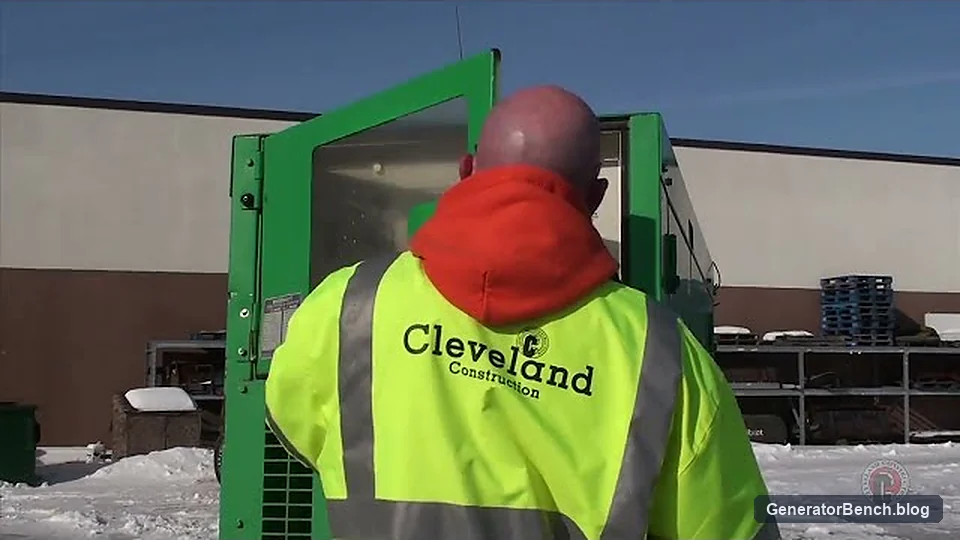
Electrical system integrity checks require specialized diagnostic multimeters and clamp meters. Insulation resistance testing identifies winding degradation inside the main alternator stator.
Hands-on workshop setup allows safe connection of resistive load banks. Applying full rated loads cleans unburned fuel deposits from exhaust systems effectively.
Verify automatic transfer switch signaling during monthly simulated power loss tests. Relay contact inspections prevent arc pitting and sudden main distribution failures.
Measure output voltage regulation and frequency stability under sudden load steps. Voltage regulator adjustments maintain tight tolerances for sensitive electronic equipment loads.
Execute resistive load bank testing annually at one hundred percent rated capacity for at least two hours. This rigorous procedure burns off unburnt fuel and validates overall cooling capacity.
Measure insulation resistance of alternator windings using a five hundred volt megohmmeter test kit. Readings below one megaohm indicate moisture absorption requiring immediate stator winding bakeout procedures.
Test starting battery terminal voltage and measure internal resistance monthly with a specialized conductance tester. Replace any battery showing a twenty percent drop in cold cranking amp capacity.
Inspect automatic transfer switch contact points annually for pitting, scorching, or alignment discrepancies. Clean copper contacts with an approved electrical contact cleaner to maintain reliable power switching performance.
- Test emergency stop functionality thoroughly
- Check battery charger amperage output ratings
- Measure alternator winding resistance values
- Inspect main circuit breaker trip units
Video Walkthrough: Introduction to Diesel Generator Maintenance and Testing Checklist with eAuditor
Troubleshooting Common Mechanical Failures
Quick identification of operational anomalies minimizes costly emergency repair downtime. Low oil pressure alarms demand immediate shutdown to prevent catastrophic bearing failure.
Overheating issues stem from blocked radiator fins or failing water pumps. Infrared temperature thermography pinpoints localized cooling blockages across the entire engine block.
Excessive black exhaust smoke indicates restricted combustion air intake paths. Replacing clogged air filters instantly restores proper stoichiometric air-fuel mixing ratios.
Address white smoke during cold starts by testing glow plugs. Thermostatic valve failures can also cause prolonged engine warm-up times and incomplete fuel combustion.
Diagnose hard starting conditions by checking glow plug continuity and confirming proper fuel rail pressure during cranking. Low pressure usually points to a failing high pressure lift pump.
Investigate sudden engine overheating by inspecting thermostat opening temperatures and water pump impeller wear. A faulty thermostat restricts coolant flow, causing rapid coolant boiling inside the cylinder head.
Address excessive blue exhaust smoke by checking turbocharger oil seal integrity and piston ring wear. Worn oil seals allow crankcase oil to enter the exhaust turbine housing directly.
Resolve low oil pressure alarms immediately by verifying actual oil viscosity and replacing clogged filters. Persistent low pressure indicates excessive bearing clearance requiring a complete engine teardown.
- Inspect turbocharger shaft play limits
- Check crankcase breather filter elements
- Test coolant thermostat response times
- Verify fuel injection timing parameters
Frequently Asked Questions
How often should engine oil be sampled for laboratory analysis?
Oil sampling should occur at every scheduled preventive maintenance interval or every two hundred fifty operating hours. This proactive testing reveals internal wear metals before catastrophic failure happens.
What causes wet stacking in standby diesel generators?
Light loading below thirty percent capacity prevents complete fuel combustion, causing unburned fuel and carbon to collect in the exhaust. Running annual load bank tests safely burns off this dangerous accumulation.
Why is daily fuel water separation critical for diesel engines?
Water contamination erodes precision high-pressure fuel injectors and fosters microbial bacterial growth within storage tanks. Draining the separator bowl daily protects the entire fuel delivery infrastructure from damage.
How can technicians verify alternator winding insulation integrity?
Megohmmeter testing measures electrical resistance across stator windings to detect moisture or insulation breakdown. Performing this annual electrical check prevents unexpected short circuits during emergency power demands.
What is the primary purpose of exercising a backup generator?
Weekly exercise cycles distribute lubricating oil across internal upper cylinder components and verify starting system readiness. Regular operation prevents battery self-discharge and ensures seamless automatic transfer switch operation.