Onan Propane Generator Won T Start: Diagnostic Guide
Master troubleshooting your Onan propane generator when it fails to ignite. Follow these technical diagnostic procedures to restore reliable operation.

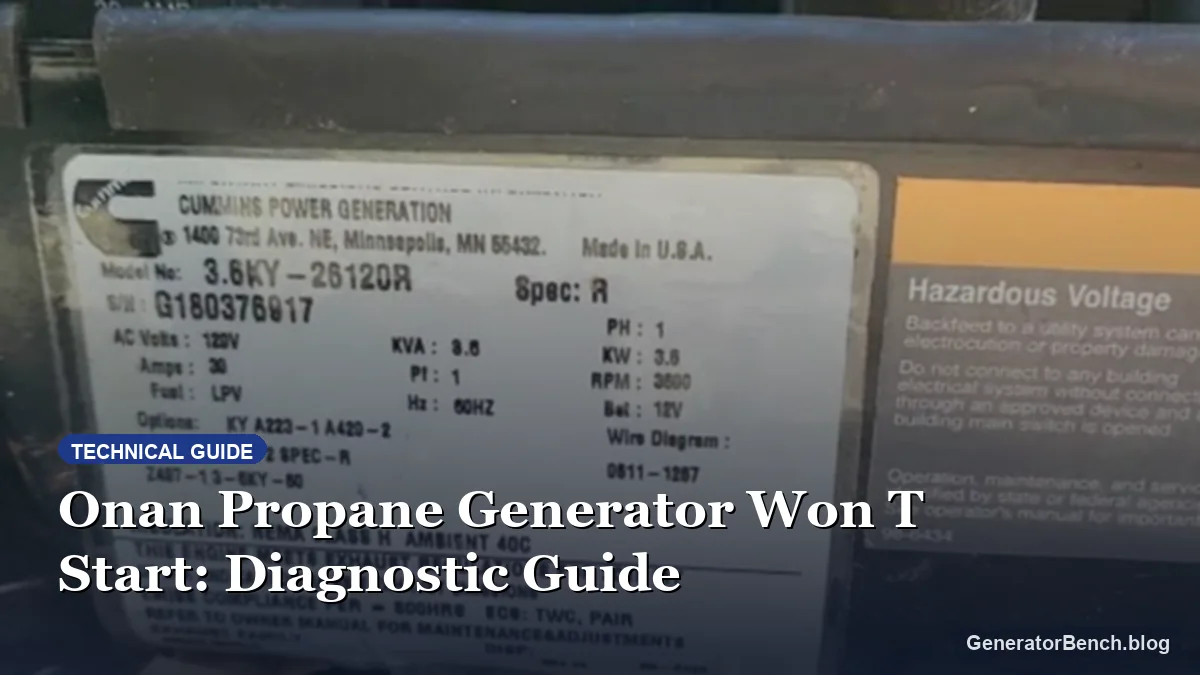
Verify tank pressure and open the manual shutoff valve first. Check the demand regulator if fuel delivery fails during cranking.
Looking for matching picks? See our Best Electric Start Generator.
Practical Quick-Reference Table
| Scenario / Metric | Recommended Target | Why It Matters |
|---|---|---|
| Battery Voltage | 12.6V resting / >9.5V cranking | Ensures sufficient starter speed. |
| Propane Tank Pressure | Minimum 30 PSI vapor | Prevents fuel starvation. |
| Spark Plug Gap | 0.025 to 0.030 inches | Delivers consistent ignition spark. |
| Regulator Output | 11 inches W.C. | Meters correct fuel volume. |
| Control Board Fuse | 10A to 15A rating | Protects ignition and solenoids. |
| Oil Pressure Switch | Closed at rest | Prevents dry-cranking damage. |
Fuel System Diagnostics and Propane Delivery
When your Onan unit refuses to start, the primary suspect is often restricted fuel delivery. Propane pressure must remain stable within specific operational limits to feed the combustion chamber properly.
Inspect the exterior propane tank to verify it contains adequate liquid fuel. Ambient temperatures below freezing can drop tank pressure significantly, preventing vapor from reaching the primary shutoff valve.
When evaluating fuel types in our propane generator vs gas generator comparison, always locate the primary manual shutoff valve on your supply line. Ensure it is fully open to maintain the necessary vapor flow rate.
Check the dual-stage regulator mounted near the tank for ice accumulation or internal diaphragm failure. Faulty regulators disrupt delivery pressure, causing immediate engine starvation during cranking attempts.
- Verify exterior propane tank fill levels before testing electrical components.
- Ensure manual tank valves are opened slowly to prevent excess flow checks.
- Inspect supply lines for pinching, sharp bends, or visible fuel leaks.
- Check dual-stage regulators for frost accumulation during cold weather.
Inspecting Low-Pressure Lockoff Valves
The low-pressure electric lockoff valve opens only when cranking voltage is applied. Listen for a distinct click when turning the ignition switch to verify proper electrical activation.
Test the lockoff coil with a multimeter to ensure continuous electrical continuity. Replace the entire solenoid assembly if internal winding resistance falls outside manufacturer specifications.
- Check solenoid wiring harness for loose terminal connections.
- Measure coil resistance using a calibrated digital multimeter.
Battery Voltage and Starting Circuit Analysis
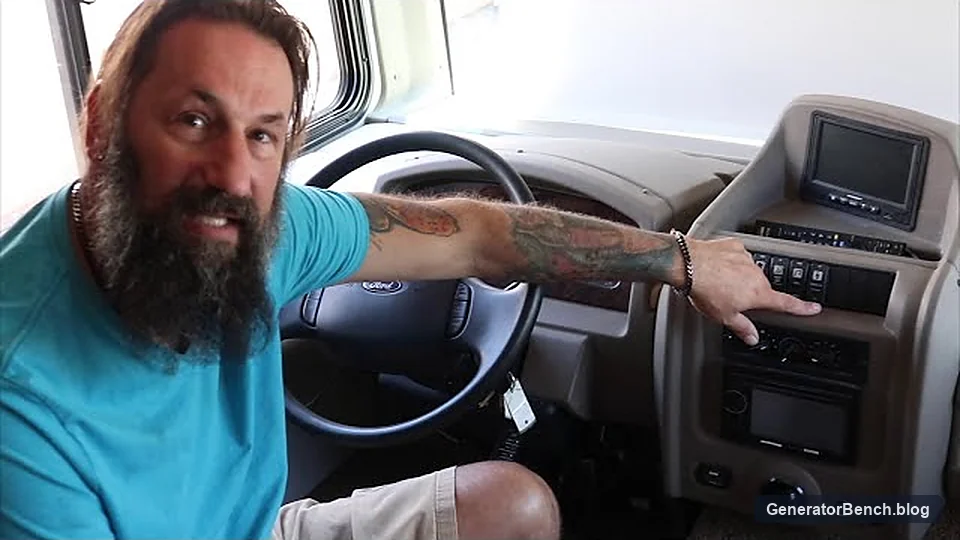
Adequate cranking speed is mandatory to generate sufficient spark and draw fuel through the demand regulator. Low battery voltage frequently prevents the starter motor from turning fast enough.
Measure terminal voltage using a digital multimeter while an assistant attempts to crank the engine. Voltage dropping below 9.5 volts indicates a depleted battery or excessive cable resistance.
Clean corrosion from battery terminals and inspect the heavy-gauge ground cables for secure chassis attachment. High resistance connections starve the starter solenoid of necessary operating amperage.
Examine the starter relay solenoid for burned contacts or clicking sounds during ignition actuation. Faulty relays prevent high current from reaching the starter motor windings during starting sequences.
- Test battery state of charge using a carbon pile load tester.
- Clean all battery posts and cable clamps with a wire brush.
- Verify chassis ground strap is free of rust and paint.
- Check starter relay terminals for signs of thermal discoloration.
Troubleshooting Starter Motor Performance
Tap the starter motor body lightly with a rubber mallet to free stuck brushes. Worn brushes prevent internal armature rotation, halting the entire cranking sequence completely.
Verify starter gear engagement against the flywheel ring gear during the ignition cycle. Broken teeth or misalignment will prevent the engine from turning over properly.
- Inspect starter drive pinion gear for chipped or broken teeth.
- Check starter mounting bolts for structural looseness.
Video Walkthrough: LP gas Onan generator will not start no gas flow from diaphragm top of engine
Spark Plug and Ignition System Inspection
Units highlighted in our quietest propane generator lineup require a strong, consistent electrical spark to ignite the air-fuel mixture reliably. Fouled spark plugs or incorrect gap settings will cause continuous engine misfires.
Remove each spark plug and inspect the ceramic insulator for cracks or carbon buildup. Clean electrodes thoroughly and set the precise gap using a wire-type feeler gauge.
Test for spark by grounding the threaded plug body against the engine cylinder head. Look for a sharp, blue snap across the electrode gap during manual engine cranking.
Inspect ignition coil primary and secondary windings for internal short circuits or open circuits. A failing ignition coil fails to deliver high-voltage current to the spark plug terminals.
- Replace spark plugs annually or every two hundred operating hours.
- Ensure spark plug boots fit snugly over the terminal ends.
- Test ignition coil resistance against factory service specifications.
- Keep plug threads clean and torque them to proper values.
Evaluating Ignition Control Modules
Modern Onan generators rely on solid-state control modules to time spark delivery accurately. Faulty sensor inputs can disable ignition timing entirely, preventing any combustion from occurring.
Check all wiring harnesses connecting the control board to the ignition coil packs. Corroded pins or loose connectors interrupt critical low-voltage trigger signals during engine cranking.
- Examine sensor wiring for chafing against metal shrouds.
- Clean module connector pins with approved electrical contact cleaner.
Carburetor and Mixing Valve Troubleshooting
The propane carburetor relies on a delicate rubber diaphragm to meter fuel into the intake stream. Stiff diaphragms or sticky internal valves prevent proper vapor mixing during engine cranking.
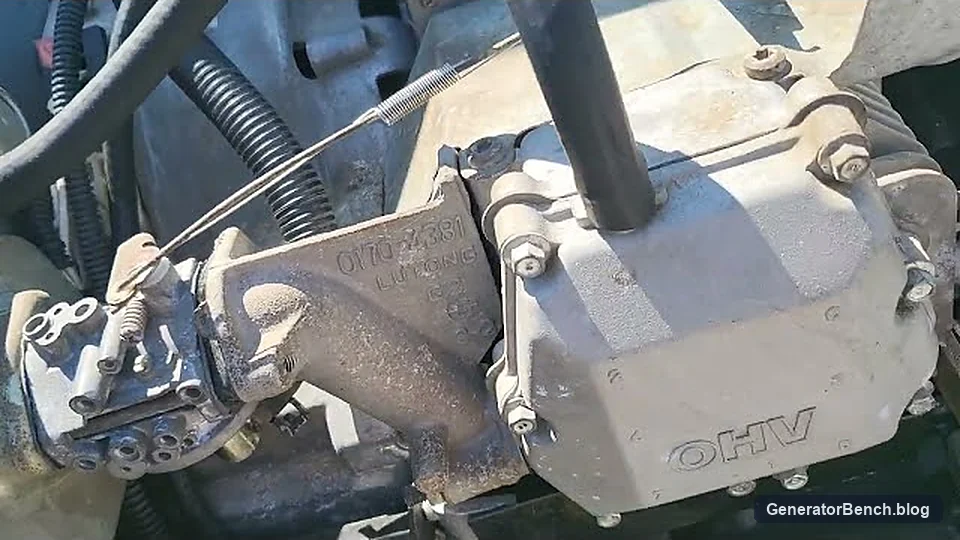
Disconnect the air filter housing to inspect the throttle plate and mixing venturi for debris. Foreign objects or heavy oil residue can obstruct the vital air passages completely.
Check the demand regulator vent hole to ensure it remains clear of mud daubers or dust. A blocked vent prevents the internal pressure balance required for fuel valve actuation.
Rebuild or replace aging carburetor components if internal rubber parts show signs of degradation. Propane can dry out older gaskets, creating vacuum leaks that stop fuel intake.
- Inspect air filter elements for heavy dust or oil saturation.
- Verify demand regulator vent port is completely unobstructed.
- Check carburetor mounting gaskets for air leaks and cracks.
- Clean internal venturi channels using approved solvent sprays.
Clearing Fuel Ingress Obstructions
Heavy paraffin deposits occasionally accumulate inside the vapor inlet port during extended storage periods. Solvent cleaning restores unobstructed fuel flow through the primary metering orifices.
Purge the fuel supply line before reconnecting it to the carburetor inlet fitting. This removes trapped air or moisture pockets that disrupt smooth vapor delivery.
- Use compressed air carefully to clear blocked fuel ports.
- Purge fuel lines before final connection to the mixing valve.
Control Board and Fault Code Diagnostics
Electronic control units monitor critical engine parameters and log diagnostic fault codes during starting failures. Flashing status lights on the remote switch provide crucial clues for troubleshooting.
Count the precise number of blinks on the start switch LED to identify specific fault codes. Refer to the manufacturer service manual to decode these error sequences accurately.
After determining your electrical load using our generator wattage sizing calculator, check the main control fuse located on the circuit board for blown elements. A blown fuse instantly cuts power to critical fuel circuits.
Inspect control board pins for moisture intrusion or corrosion resulting from outdoor exposure. Clean contacts thoroughly with electronic contact cleaner to restore proper signal transmission.
- Document blink sequences before resetting the control unit.
- Inspect all circuit board fuses for continuity using a meter.
- Keep control box covers sealed against rain and dust.
- Check remote harness wiring for intermittent connection breaks.
Resetting Electronic Protection Circuits
Disconnect the negative battery cable for five minutes to clear temporary control board faults. System reinitialization often resolves erratic shutdown behavior and restores normal starting functions.
Verify main harness connections are firmly seated into the back of the control module. Loose plugs create intermittent open circuits that mimic major electronic failures.
- Allow capacitors to discharge fully before powering back up.
- Verify all plug-in connectors click securely into place.
Exhaust Backpressure and Ventilation Checks
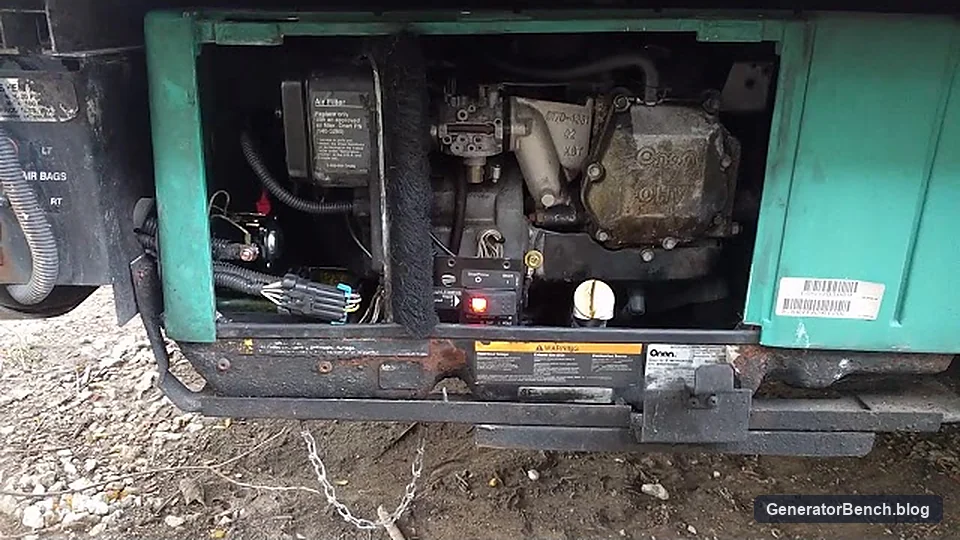
Blocked exhaust systems prevent spent combustion gases from escaping the engine cylinder during cranking. Restricted airflow creates high backpressure that stops fresh air-fuel charges from entering.
Inspect the exterior exhaust pipe for insect nests, mud, or heavy carbon soot accumulation. Clear any physical blockages immediately to restore normal engine breathing and exhaust scavenging.
Check compartment ventilation louvers to ensure the generator receives sufficient cooling and combustion air. Sealed enclosures with restricted airflow can starve the engine of oxygen completely.
Examine muffler internal baffles for structural collapse caused by excessive heat or corrosion. Damaged mufflers create severe flow restrictions that prevent the engine from starting successfully.
- Clear mud and debris from exterior exhaust pipe openings.
- Ensure generator compartment louvers remain fully unobstructed.
- Inspect muffler body for cracks and internal baffle rattle.
- Check flexible exhaust pipe sections for crushing damage.
Testing Exhaust System Integrity
Disconnect the exhaust pipe temporarily at the manifold flange to test for backpressure restrictions. Free exhaust flow should allow the engine to fire up normally if blocked.
When choosing models featured in our best propane gas generator guide, inspect flexible exhaust connectors for kinking or crushing inside tight compartments. Straighten or replace deformed sections to ensure unrestricted gas discharge paths.
- Check manifold gasket sealing surfaces for exhaust leaks.
- Verify tailpipe routing complies with clearance guidelines.
Frequently Asked Questions
Why does my Onan generator crank but never catch fire?
Severe fuel starvation or an extremely weak electrical ignition spark typically causes this frustrating condition during outdoor startup attempts.
Always check the primary manual propane shutoff valve position and verify that your battery cranking voltage exceeds minimum operational thresholds to ensure proper fuel solenoid activation and reliable engine combustion across all connected engine cylinders.
How do I test the propane lockoff valve on my Onan unit?
Always listen carefully for a distinct audible click when turning the ignition switch to the active start position.
Apply digital multimeter probes directly across the solenoid coil terminals to confirm continuous electrical circuit continuity and proper internal operational resistance during diagnostic testing.
What causes an Onan generator to flash error codes upon starting?
The sensitive electronic control module detects abnormal sensor faults or safety interlock failures during the initial cranking sequence. Count the flashing LED blinks precisely and cross-reference them with official manufacturer troubleshooting manuals to pinpoint specific hardware malfunctions.
Can cold weather stop a propane generator from starting?
Extremely low ambient temperatures reduce liquid propane vapor pressure inside the storage tank significantly during winter months. Proper tank warming procedures or switching to a higher capacity vapor withdrawal cylinder restores adequate gas delivery pressure for reliable engine starting.
What should I inspect if the carburetor fails to receive fuel?
Clogged demand regulators or sticky internal mixing diaphragms often prevent vaporized fuel from reaching the combustion chamber. Inspect and clean these sensitive components regularly to maintain balanced air-fuel ratios and prevent recurring engine no-start issues.