Kohler generator maintenance schedule: Essential Technical Care
Following a strict maintenance schedule protects standby assets. Proper preventive technical care eliminates premature failure risks.

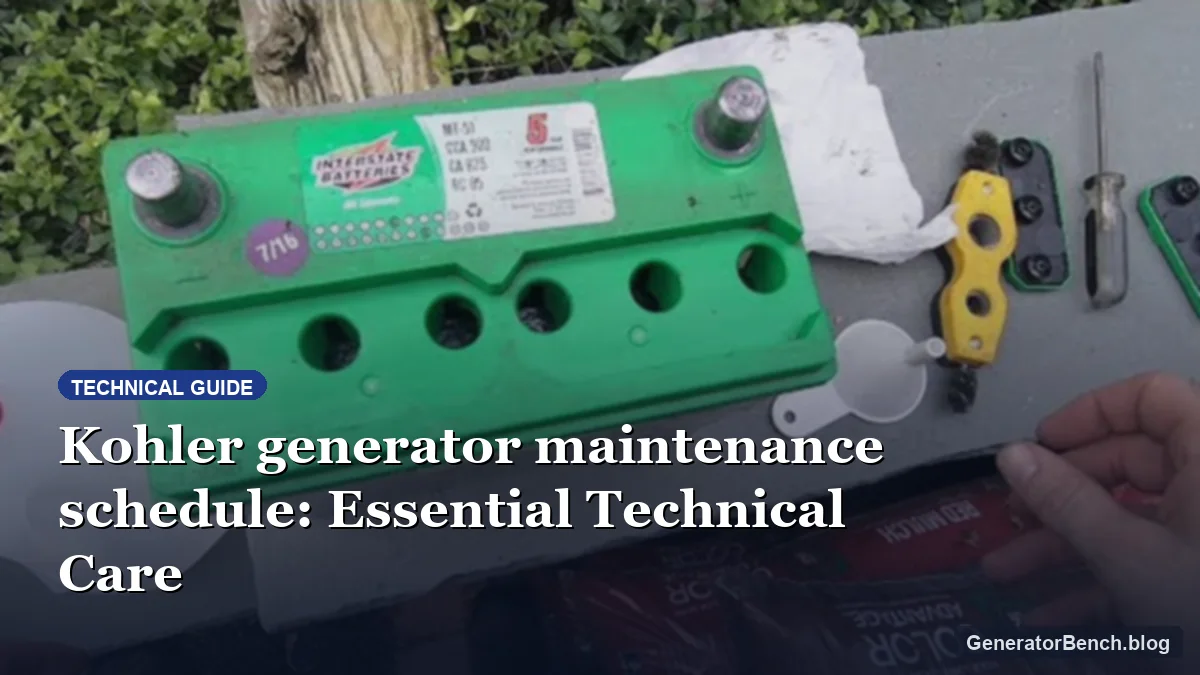
Execute engine oil changes every one hundred operational hours to prevent internal wear. Always verify fuel line integrity during each seasonal change.
Looking for matching picks? See our Best Kohler Generators.
Practical Quick-Reference Table
| Scenario / Metric | Recommended Target | Why It Matters |
|---|---|---|
| Engine Oil Service | 100 Hours / Annual | Prevents internal bearing wear |
| Air Filter Inspection | Monthly / Dusty | Maintains proper air-fuel ratio |
| Coolant Concentration | 50/50 Mix / 2 Years | Prevents block freezing and boiling |
| Battery Voltage Check | Monthly Testing | Ensures reliable automatic starting |
| Fuel Line Inspection | Biannual Review | Eliminates dangerous fire hazards |
| Windings Insulation | Annual Megohmmeter | Detects microscopic electrical shorts |
Kohler generator maintenance schedule core framework and fundamentals
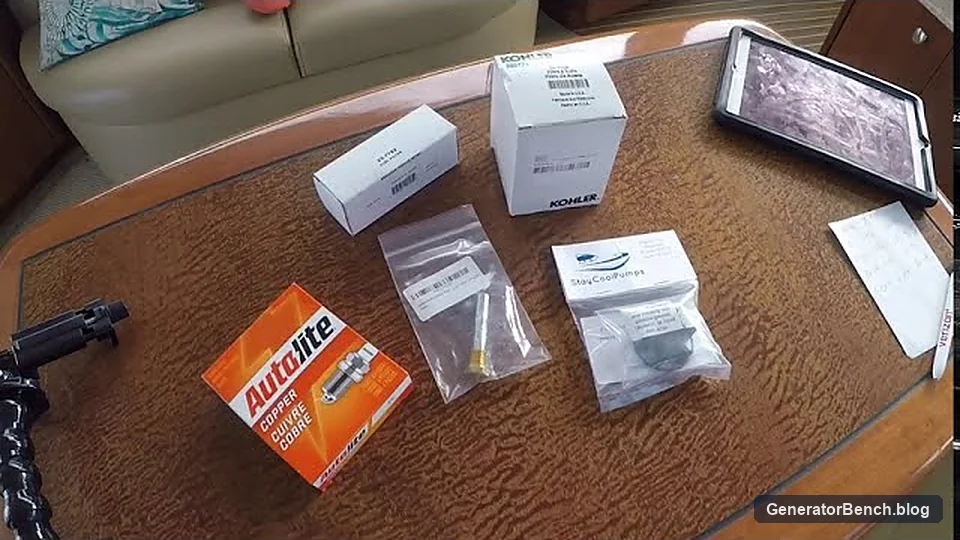
Establishing a disciplined maintenance baseline ensures reliable backup power delivery during unexpected grid failures. Engine health depends entirely upon proactive mechanical intervention and strict adherence to operating hour logs.
Industrial standby engines require predictable seasonal inspections. Review our best home emergency generator guide to mitigate severe component degradation and preserve warranty coverage.
Environmental conditions heavily influence how frequently you should service internal mechanical components. Dusty environments demand accelerated filter replacements, while marine climates require enhanced corrosion protection across exposed wiring harnesses.
Operating manuals provide baseline intervals, but site-specific demands dictate real-world adjustments. Load profile severity directly correlates with thermal stress and accelerated lubricant breakdown across all moving internal parts.
- Track total run hours using digital controller logs.
- Inspect enclosure seals for moisture or pest intrusion.
- Maintain clear clearance zones around exhaust discharge ports.
- Verify controller firmware version matches factory specifications.
Baseline Documentation Protocols
Recording every diagnostic event creates a clear historical profile for troubleshooting complex electrical faults. Accurate recordkeeping prevents redundant parts replacement and highlights recurring operational anomalies before catastrophic failure occurs.
Technicians should note ambient temperatures, load percentages, and fuel pressures during every scheduled site visit. Consistent data collection aids long-term asset management and optimizes preventive overhaul timing.
- Log ambient temperature during routine inspections.
- Record active electrical load during testing cycles.
Step by step engine oil and filter service intervals
Lubricant degradation accelerates metal-on-metal friction inside high-output internal combustion engines. Fresh synthetic oil maintains protective hydrodynamic films across critical camshaft journals and piston rings under heavy loads.
Standard service intervals typically dictate oil changes every one hundred operating hours or annually. Operating in extreme ambient temperatures requires cutting these recommended intervals by up to fifty percent to prevent varnish accumulation.
Always warm up the engine slightly before draining used fluid to suspend particulate contaminants. Complete fluid evacuation ensures old sludge does not dilute the newly installed high-grade lubricating oil charge.
Replace the spin-on filter cartridge during every single lubricant change cycle without exception. Proper gasket lubrication prevents stubborn leaks and maintains correct system oil pressure during heavy startup surges.
- Drain oil while warm to suspend trapped particulate matter.
- Torque new oil filters strictly to manufacturer specifications.
- Fill crankcase slowly while monitoring dipstick level markers.
- Run unit briefly to check for leaks before sealing.
Lubricant Specification Guidelines
Selecting the correct viscosity grade ensures reliable cold-weather cranking and high-temperature film strength. Multi-grade synthetic oils accommodate wide ambient temperature swings without sacrificing vital lubrication performance.
Verify that replacement oils meet current API service classifications specified by the manufacturer. Using improper formulations can lead to rapid ring wear and catastrophic internal engine component failure.
- Match oil viscosity to local climate extremes.
- Confirm API certification symbols on lubricant containers.
Video Walkthrough: Kohler Generator Maintenance Must Service
Air intake system servicing and filtration protocols
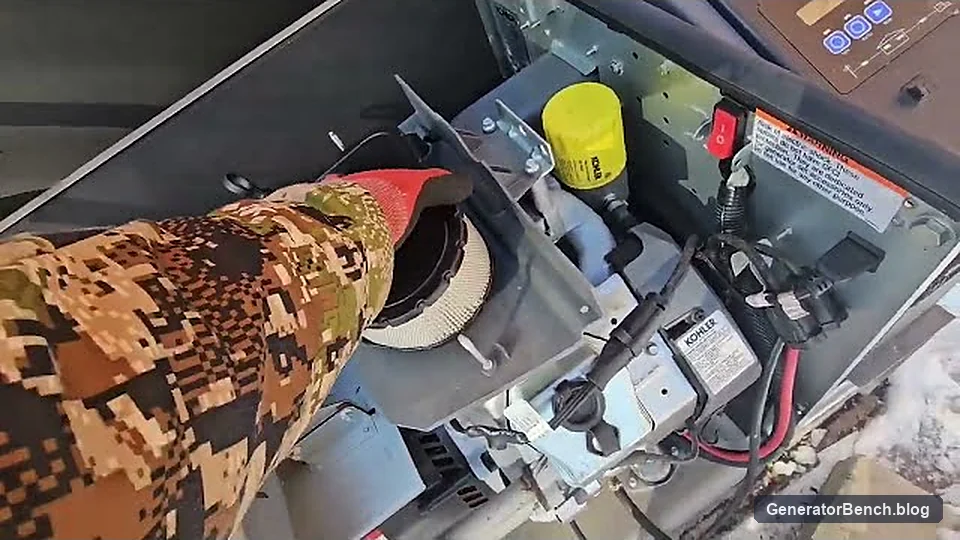
Restricted airflow chokes combustion chambers, reducing power output and increasing harmful exhaust emissions. Clean paper filters prevent abrasive dust particles from scoring cylinder walls and destroying precision piston rings.
Inspect the primary air filter element monthly during dusty seasons or heavy operational cycles. Heavy particulate loading demands immediate replacement to restore proper air-to-fuel ratios and prevent rich running conditions.
Examine the rubber intake ducting for cracks, loose hose clamps, and air leaks. Unfiltered air bypass introduces destructive silica directly into the combustion chamber, destroying expensive internal engine components rapidly.
Clean the filter housing interior thoroughly using a lint-free shop towel before installation. Proper sealing edges ensure zero unfiltered air enters the induction path during high-velocity engine operation.
- Tap paper elements gently to dislodge loose surface dust.
- Replace torn or warped filter media immediately.
- Check intake hose clamps for secure mechanical retention.
- Inspect pre-cleaner bowls for accumulated debris buildup.
Induction Seal Integrity Checks
Checking rubber boots and clamps prevents unmetered air from entering the intake tract. Secure connections eliminate erratic idle speeds and protect against downstream engine damage.
Replacing degraded air boxes maintains factory filtration efficiency under harsh environmental conditions.
- Inspect rubber flex joints for dry rot.
- Tighten all metal band clamps evenly.
Fuel delivery system checks and sediment removal procedures
Clean fuel is paramount for maintaining stable combustion and preventing carburetor or injector fouling. Contaminated gasoline or diesel introduces moisture and varnish that disrupt precise fuel metering components.
Inspect inline fuel filters and sediment bowls regularly for water droplets and particulate accumulation. Water separation protects sensitive injection pumps from rapid internal corrosion and catastrophic seizure under load.
Check flexible fuel lines for signs of dry rot, cracking, or softening. Degraded fuel lines pose severe fire hazards and can allow air ingestion, causing erratic engine surging or stalling.
Test fuel pressure regulators to ensure steady delivery during peak electrical demand phases. Consult our best household generator reviews to prevent lean misfires and protect equipment windings.
- Drain water separator bowls during routine monthly inspections.
- Replace aging rubber fuel lines every few years.
- Inspect fuel tank interior for rust and sediment.
- Verify automatic shutoff valve operation during test cycles.
Fuel Storage and Stabilization
Long-term fuel storage requires chemical stabilizers to prevent varnish formation in carburetors. Treated fuel supplies protect internal jets during extended periods of standby inactivity.
Testing fuel quality annually ensures the engine receives volatile, clean combustion charges.
- Add fuel stabilizer before seasonal storage.
- Sample fuel for phase separation in ethanol blends.
Electrical generation winding inspection and battery testing
Stator and rotor windings require periodic insulation resistance testing to detect moisture ingress. Megohmmeter testing reveals microscopic insulation breakdowns before high-voltage electrical arcs damage the alternator core permanently.
Inspect slip rings and carbon brushes for excessive wear, scoring, or heavy carbon dusting. Smooth slip rings ensure reliable excitation current transfer to the rotating field winding during operation.
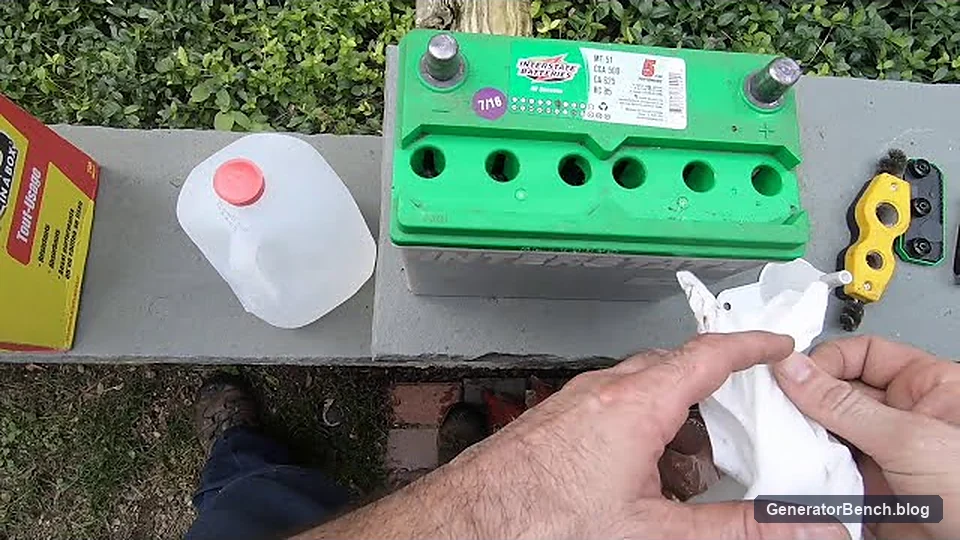
Test the starting battery state of charge and terminal cleanliness every single month. Corroded battery terminals restrict high cranking currents, preventing automatic standby systems from starting during grid outages.
Check automatic voltage regulator connections for secure mechanical and electrical seating. Secure wiring terminals prevent intermittent voltage spikes that can damage sensitive household appliances connected downstream.
- Measure battery terminal voltage using a digital multimeter.
- Clean corrosion using a baking soda and water solution.
- Verify automatic battery charger output amperage parameters.
- Inspect alternator cooling vents for airflow obstructions.
Alternator Maintenance Protocols
Keeping stator windings dry prevents low insulation fault codes on modern digital controllers. Moisture mitigation is critical in humid environments to preserve alternator longevity.
Checking exciter field resistance confirms electrical winding health.
- Run space heaters inside alternator housings if equipped.
- Inspect bearing grease reservoirs for contamination.
Video Walkthrough: Kohler Generator Maintenance
Cooling system management and coolant fluid replacement
Liquid-cooled standby engines rely on precise thermal regulation to prevent destructive localized overheating. Fresh antifreeze mixtures inhibit internal block corrosion and raise boiling points under extreme ambient loads.
Inspect radiator fins regularly for bent structures, leaves, and insect debris accumulation. Unobstructed airflow ensures maximum heat rejection efficiency during extended power outages in hot summer months.
Check coolant concentration levels using a calibrated refractometer or specific gravity tester. Proper freeze protection prevents winter block cracking and maintains optimal heat transfer characteristics year-round.
Examine radiator hoses for bulging, hardening, or weeping coolant at connection points. Aged rubber hoses can rupture suddenly, causing rapid coolant loss and catastrophic engine seizure under load.
- Flush cooling system every few years per guidelines.
- Inspect radiator pressure cap seal for rubber degradation.
- Check belt tension driving the water pump pulley.
- Ensure cooling fan blades spin freely without binding.
Thermostat and Water Pump Care
Thermostats must open at exact specified temperatures to maintain ideal engine operating heat. Accurate thermal control prevents fuel dilution and excessive internal mechanical wear.
Inspecting water pump weep holes identifies premature mechanical seal failure.
- Test thermostat opening point in heated water.
- Check water pump shaft for radial play.
Exhaust system integrity checks and carbon monoxide safety
Exhaust leaks present lethal carbon monoxide risks and must be repaired immediately without delay. Inspect exhaust manifolds and flexible connection pipes for soot trails indicating dangerous gas escapes.
Verify that the rain cap on vertical exhaust stacks operates freely and closes completely. Proper rain caps prevent rainwater entry into the exhaust manifold, which destroys exhaust valves and cylinders.
Check thermal insulation wrapping around exhaust piping to prevent combustible material ignition. Intact thermal blankets reduce compartment temperatures and protect surrounding electrical wiring harnesses from heat damage.
Test all installed carbon monoxide detectors within surrounding structures during test cycles. Explore our best solar electric generator options to ensure safe backup performance.
- Inspect muffler body for rust perforation or cracks.
- Verify exhaust discharge clearance from building openings.
- Check mounting hardware securing the heavy exhaust manifold.
- Test remote carbon monoxide alarm battery backups regularly.
Exhaust Gasket Replacement
Exhaust gaskets compress over time and require replacement when soot trails appear. Fresh gasket seals eliminate dangerous fumes and maintain backpressure parameters.
Torquing manifold bolts in a crisscross pattern prevents flange warping.
- Use high-temperature anti-seize on flange bolts.
- Inspect flexible bellows for inner braid fraying.
Troubleshooting anomalous sensor warnings and fault codes
Modern digital controllers display specific alphanumeric fault codes when operational parameters exceed limits. Decoding error messages allows technicians to pinpoint exact sensor failures rather than guessing at problems.
Inspect oil pressure and coolant temperature sending units for loose wiring connections. Faulty sensor readings can trigger unnecessary emergency shutdowns, leaving properties unprotected during severe weather events.
Perform controller self-diagnostic routines periodically to verify internal microprocessor functionality. Use our generator wattage sizing calculator to coordinate safe automatic transfers between power sources.
Clear temporary fault logs after successfully resolving underlying mechanical or electrical service issues. Clean controller histories simplify future diagnostic procedures during subsequent routine maintenance inspection cycles.
- Record active fault codes before resetting controllers.
- Test oil pressure switch continuity with a multimeter.
- Inspect wiring harness grommets for chafing or cuts.
- Update controller firmware when factory bulletins mandate.
Controller Firmware and Calibration
Keeping control panel software updated ensures compatibility with new transfer switch accessories. Firmware updates improve diagnostic accuracy and communication reliability across networks.
Calibrating analog sensors restores precise readout matching.
- Check manufacturer bulletin boards for updates.
- Verify network communication bus termination.
Frequently Asked Questions
How often should I test my standby generator under a real electrical load?
You should execute a bi-weekly exercise cycle lasting at least twenty consecutive minutes to ensure internal components reach proper operating temperatures.
This crucial routine burns off internal condensation and guarantees all automated transfer switches function flawlessly when grid failures occur unexpectedly.
What specific type of oil is recommended for standard standby units?
Always select high-quality synthetic multi-grade oils matching the exact viscosity grade specified in your factory owner manual. These premium lubricating fluids provide superior protection during extreme ambient temperature swings and significantly reduce internal mechanical wear across your extended operating intervals.
Why does my controller display a low battery voltage fault code?
This recurring warning typically indicates either a failing lead-acid battery cell or an unresponsive internal charging circuit located within the main control panel.
You must inspect all terminal connections immediately and verify that your automatic trickle charger receives proper AC input power.
Can I perform annual Kohler generator servicing without professional assistance?
Basic tasks like fluid checks and air filter replacements are completely suitable for knowledgeable property owners to execute safely. However, complex electrical testing and major component overhauls require certified technician expertise to maintain strict safety standards and preserve warranty coverage.
What immediate steps should I take if the engine fails to crank during an outage?
First, check the main control breaker and verify that the master switch is set to the automatic position. If those settings are correct, test the battery voltage and inspect starter relay connections for corrosion.