How To Troubleshoot Generator No Spark Issue
When your engine cranks but fails to catch, diagnosing an ignition failure is vital. Follow these mechanical steps to isolate and fix the root cause.

Always inspect the spark plug gap and disconnect the battery before testing. Faulty ignition coils or tripped low-oil switches are frequent culprits.
Looking for matching picks? See our Best Electric Generator.
Practical Quick-Reference Table
| Scenario / Metric | Recommended Target | Why It Matters |
|---|---|---|
| Spark Plug Gap | 0.028 inches | Ensures proper electrical arc intensity |
| Coil Air Gap | 0.010 inches | Maintains magnetic flux transfer efficiency |
| Primary Resistance | 0.5 to 2.0 ohms | Verifies primary winding continuity |
| Secondary Resistance | 5k to 12k ohms | Checks high-voltage coil integrity |
| Flywheel Torque | 35 ft-lbs | Prevents key shearing during operation |
| Oil Sensor State | Open circuit | Allows ignition circuit to fire normally |
Diagnostic Preparation And Safety Precautions
Before touching any high voltage components, ensure the engine is completely cool. Disconnect the spark plug boot to prevent accidental startup during your meticulous diagnostic workflow.
Gather essential diagnostic gear including a digital multimeter, feeler gauges, and insulated pliers. Safety glasses protect your eyes from corrosive carbon debris or stray fuel droplets.
Park the generator on a flat outdoor surface. Before choosing a replacement using our best home emergency generator guide, verify that the fuel valve is completely closed.
Inspect the control panel for corrosion or loose terminal screws. Environmental moisture often triggers internal grounding failures that completely disable the primary ignition circuit.
- Disconnect battery terminals on electric start units.
- Wear heavy-duty rubber gloves for electrical testing.
- Keep a dry chemical fire extinguisher nearby.
- Store removed hardware in magnetic parts trays.
Workspace Environmental Setup
Clear away all flammable materials and gasoline cans before beginning electrical checks. Adequate ventilation prevents fuel vapor accumulation around testing equipment.
Ensure your multimeter leads are rated for high-voltage spark testing safely.
- Use well-lit garage bays or outdoor spaces.
- Verify multimeter fuse integrity before testing.
Spark Plug Inspection And Gap Measurement
Remove the existing spark plug using a deep socket wrench. Examine the ceramic insulator for fine hairline cracks before considering alternatives like a best solar electric generator setup.
Heavy black soot or wet oil fouling indicates poor combustion conditions. Clean the electrode tips with a wire brush or replace the component entirely for reliable ignition.
Insert a wire-type feeler gauge between the ground electrode and center post. Most small engines require a precise gap measuring 0.028 inches for optimal spark generation.
Gently bend the side strap if adjustments are necessary to match manufacturer specifications. Never strike the fragile center electrode directly with heavy metal hammers.
- Check thread pitch before installing replacement plugs.
- Apply a tiny drop of anti-seize lubricant.
- Torque new plugs to recommended foot-pounds.
- Verify boot snaps firmly onto terminal nut.
Evaluating Plug Fouling Types
Wet oily deposits point toward worn piston rings or valve guide seals. Dry powdery soot suggests an overly rich carburetor fuel mixture needing adjustment.
White blistered tips indicate dangerous engine overheating or incorrect fuel grades.
- Identify fouling color before discarding plugs.
- Clean carbon buildup using brass wire brushes.
Video Walkthrough: How To Diagnose \u0026 Repair A Generator With No Spark - Ignition Module Replacement
Ignition Coil Testing And Air Gap Adjustment
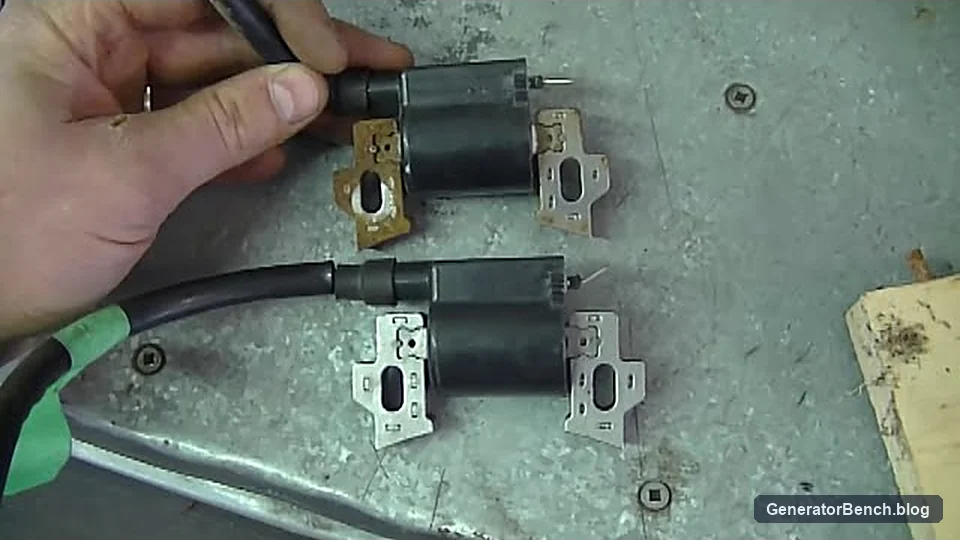
Locate the ignition coil mounted securely adjacent to the rotating flywheel. Disconnect the primary kill wire after checking power requirements via our generator wattage sizing calculator tool.
Set your digital multimeter to measure ohms for secondary winding resistance. Compare your measured readings against the exact technical specifications provided in your service manual.
Inspect the laminated iron core for rust buildup or physical impact damage. Corrosion disrupts the magnetic flux transfer required to induce high voltage spikes.
Set the correct coil air gap using a business card or feeler gauge. Tighten the mounting bolts evenly while maintaining a strict 0.010 inch clearance distance.
- Clean rust off iron legs with fine sandpaper.
- Rotate flywheel away from coil before tightening.
- Check primary wire continuity using resistance mode.
- Replace cracked coils showing exterior resin bubbling.
Testing Coil Primary Windings
Measure resistance across the primary terminal and engine ground point carefully. Out-of-spec readings confirm internal wire breakdown requiring immediate module replacement.
Check insulation sheath integrity along the entire wire run.
- Record exact multimeter resistance values.
- Inspect spade connectors for corrosion.
Safety Switch Interlocks And Wiring Checks
Portable generators rely on multiple safety switches to prevent catastrophic engine damage. A faulty low-oil sensor can continuously ground the ignition coil, preventing any spark.
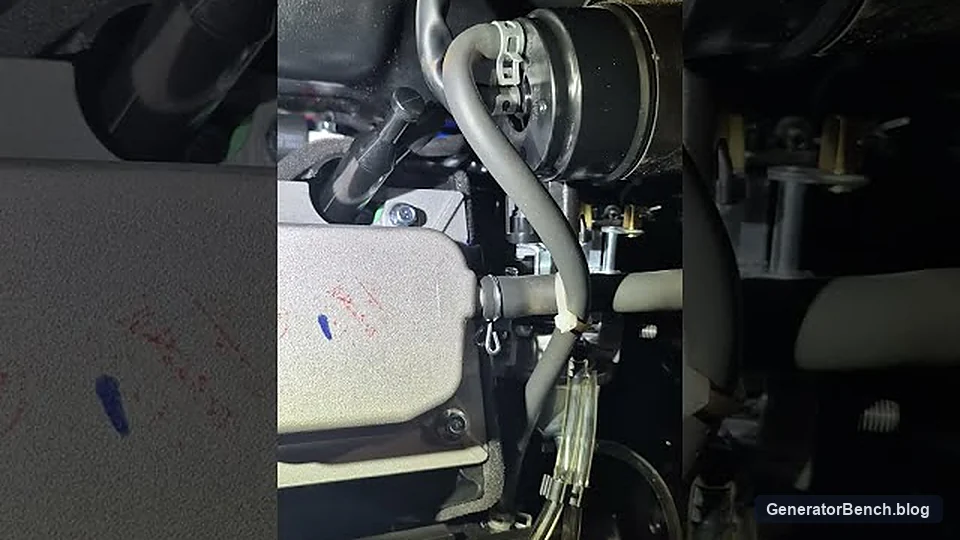
Locate the low-oil shutdown module and disconnect its primary sensor wire. Test for continuity to ground using a multimeter to determine if the switch is stuck.
Inspect the main engine switch or toggle key for internal corrosion. Corroded contacts might fail to open the ignition circuit when you flip the switch.
Trace the thin black ground wire from the coil back to its harness. Look for frayed insulation or pinched sections touching the vibrating metal engine block.
- Bypass oil sensor temporarily to test spark.
- Clean toggle switch contacts with electronic cleaner.
- Secure loose wiring harnesses with zip ties.
- Check carbon monoxide sensor shutdown relays.
Bypassing Interlocks For Diagnostics
Temporarily disconnecting safety sensors helps isolate intermittent wiring faults during testing. When evaluating your setup against a best household generator standard, always restore factory wiring configurations safely.
Verify all sensor grounds are securely bolted down.
- Never operate long-term with safety sensors bypassed.
- Test switch continuity while actuating toggles.
Flywheel Magnetism And Permanent Magnet Tests
The rotating flywheel contains permanent magnets that induce current in the coil. Over time, extreme heat can demagnetize these components, causing weak or absent sparks.
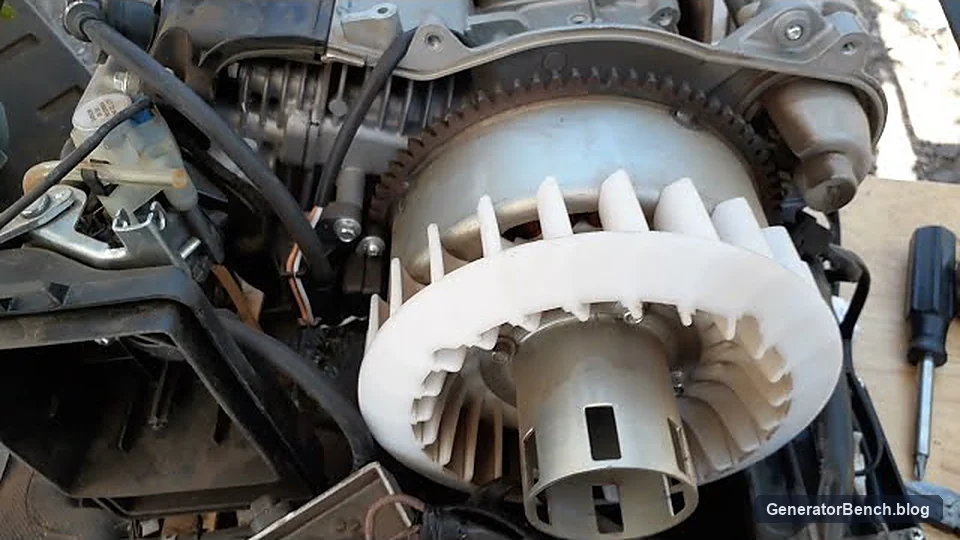
Perform a basic field strength check using a small steel screwdriver. The flywheel should pull the metal tool firmly toward each internal magnetic segment.
Inspect the flywheel keyway to ensure the heavy metal shear key remains intact. A sheared key alters ignition timing, preventing the spark from firing properly.
Remove the flywheel nut using an appropriate strap wrench and puller tool. Verify that the tapered crankshaft shaft is clean and free of oil residue.
- Never strike crankshaft threads with hammers directly.
- Replace sheared aluminum keys with steel equivalents.
- Clean flywheel fins of accumulated grass debris.
- Torque flywheel retaining nut to factory specs.
Inspecting Shear Key Integrity
A partially sheared key shifts ignition timing degrees off center. This prevents combustion even when a strong electrical spark is present.
Examine key slots for wear or deformation.
- Use correct puller tools for flywheel removal.
- Clean taper surfaces prior to reinstallation.
Reassembly Verification And Final Testing
Reinstall all components systematically in reverse order of disassembly. Ensure every wire connector clicks securely into place and no bare copper remains exposed.
Reconnect the spark plug boot firmly onto the terminal tip. Perform a dry crank test by pulling the recoil rope while observing the grounding plug.
Hold the threaded body of the spark plug against the engine block. Look for a bright blue electrical arc jumping across the plug gap.
If the spark appears weak, orange, or intermittent, recheck your ground connections. A healthy ignition system produces a snapping blue spark visible in daylight conditions.
- Clear workspace of gasoline vapors before testing.
- Check engine oil level before starting unit.
- Listen for smooth cranking sounds during recoil pulls.
- Document diagnostic steps for future maintenance routines.
Performing Final Spark Test
Ground the plug threads firmly to bare unpainted metal on the cylinder head. Pull the cord briskly with your other hand while observing the gap.
Confirm consistent spark repetition across multiple pulls.
- Wear insulated gloves during spark verification.
- Avoid touching terminal threads directly.
Frequently Asked Questions
Why does my generator have fuel and air but no spark?
This frustrating issue typically stems from a failing ignition coil, a heavily fouled spark plug, or a tripped low oil safety sensor grounding out the entire ignition circuit.
Always inspect your critical spark plug gap and test the primary kill wire continuity before replacing expensive electrical engine components.
How can I test my generator ignition coil with a multimeter?
Set your digital multimeter to measure ohms and check both the primary and secondary winding resistances against official factory service manual specifications.
Any reading showing zero resistance or infinite continuity clearly indicates an internal winding failure requiring immediate component replacement to restore proper electrical functionality.
Can a low-oil shutdown sensor prevent a spark?
Yes, modern portable generators use a safety sensor that deliberately grounds the ignition circuit when engine oil drops below safe operational levels.
Disconnecting this specific sensor wire temporarily allows you to isolate whether a stuck switch is causing your complete lack of spark.
What is the correct gap for a small engine spark plug?
Most standard portable generator engines require a precise gap measuring precisely 0.028 inches between the electrodes. Using a wire-type feeler gauge ensures you achieve the exact clearance needed for a strong electrical arc without damaging the delicate ground strap.
What causes a flywheel key to shear on a generator?
A sheared flywheel key is usually caused by a sudden engine stoppage, such as hitting debris or severe kickback during a hard recoil pull.
This misalignment throws off the ignition timing completely, preventing the spark from firing at the exact top dead center position.