How To Test Carbon Monoxide Detector On Generator Safely
Proper sensor checks prevent silent exhaust hazards during emergency operations. Follow structured testing protocols to maintain reliable carbon monoxide safety on your portable equipment.

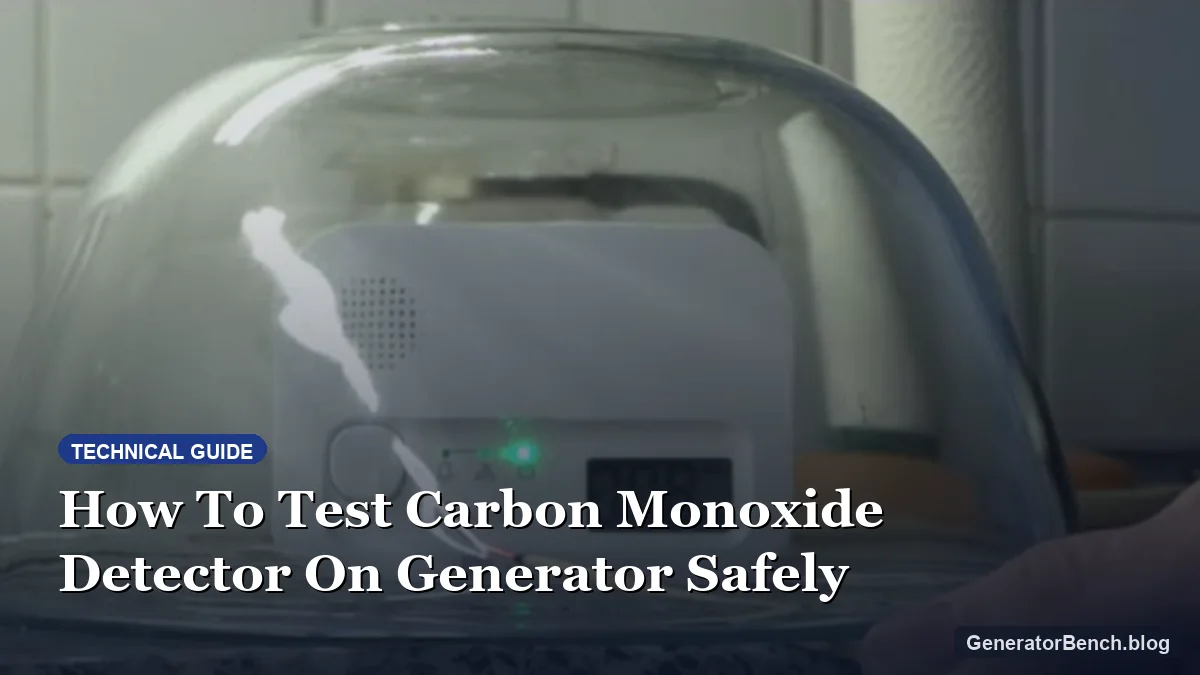
Always use approved canned test gas rather than direct engine exhaust. Verify the automatic shutdown triggers correctly before deploying your unit.
Looking for matching picks? See our Best Generator With Co Detector.
Practical Quick-Reference Table
| Scenario / Metric | Recommended Target | Why It Matters |
|---|---|---|
| Test Frequency | Monthly | Ensures functional readiness |
| Simulated PPM | 100 - 400 PPM | Triggers threshold response |
| Response Time | Under 60 seconds | Validates rapid circuit reaction |
| Sensor Lifespan | 3 to 5 years | Prevents degraded sensitivity |
| Exhaust Clearance | 20 feet minimum | Mitigates ambient accumulation |
| Operating Voltage | 12V DC auxiliary | Confirms stable module power |
Validating Generator Carbon Monoxide Safety Systems
Portable generators produce lethal exhaust gases requiring active monitoring. Modern units feature integrated detectors designed to kill the engine during dangerous carbon monoxide spikes.
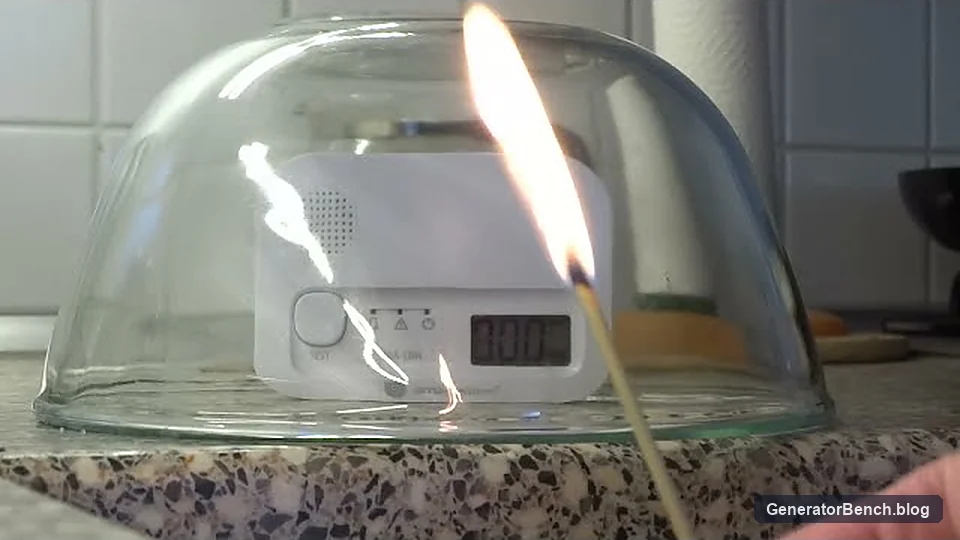
Regular functional testing ensures the sensor responds properly to ambient gas. When selecting the best home emergency generator, verify that integrated shutdown modules function correctly before extended outages.
Manufacturers integrate these shutoff modules to prevent fatal poisonings. Understanding the underlying circuitry helps operators perform accurate diagnostics without damaging sensitive electronic components.
Always consult your specific equipment manual before initiating diagnostic procedures. Different generator brands utilize distinct logic boards and reset button sequences.
- Verify battery voltage prior to running diagnostics.
- Keep testing areas well-ventilated to prevent accumulation.
- Never expose sensors to raw, unmetered engine exhaust.
- Record all inspection dates in a maintenance log.
Environmental Factors Impacting Sensor Accuracy
High humidity and extreme ambient temperatures degrade electrochemical sensor sensitivity. Environmental exposure requires more frequent operational checks to guarantee prompt detection.
Dust and fine debris buildup can block the porous filter membrane. Clean the outer chassis regularly using compressed air at low pressures.
- Inspect intake ports for physical obstructions.
- Avoid spraying liquid cleaners directly onto sensor grills.
Understanding Built-In Sensor Mechanics and Shutdown Triggers
Electrochemical cells generate a chemical current when exposed to gas. This tiny electrical signal scales proportionally with ambient carbon monoxide concentration levels.
When PPM thresholds exceed pre-programmed safety limits, the module sends a signal to kill the ignition. This prevents carbon monoxide from building up inside enclosed spaces.
Power is typically supplied by the starting battery or an independent cell. Maintaining a fully charged battery inside any best household generator model ensures the safety system remains operational.
Fault codes flash on the control panel if the sensor fails self-diagnostics. Promptly address these warning indicators to maintain full operational compliance.
- Electrochemical cells convert chemical reactions into electrical currents.
- Threshold limits trigger automatic engine kill switches.
- Control panels display error codes for failed modules.
- Independent power supplies guarantee continuous baseline monitoring.
Video Walkthrough: Test carbon monoxide detector the easiest way
Step-by-Step Verification Protocols for Portable Generators
Testing requires a controlled application of canned test gas rather than raw exhaust. Raw exhaust contains excessive heat and heavy hydrocarbons that ruin sensors.
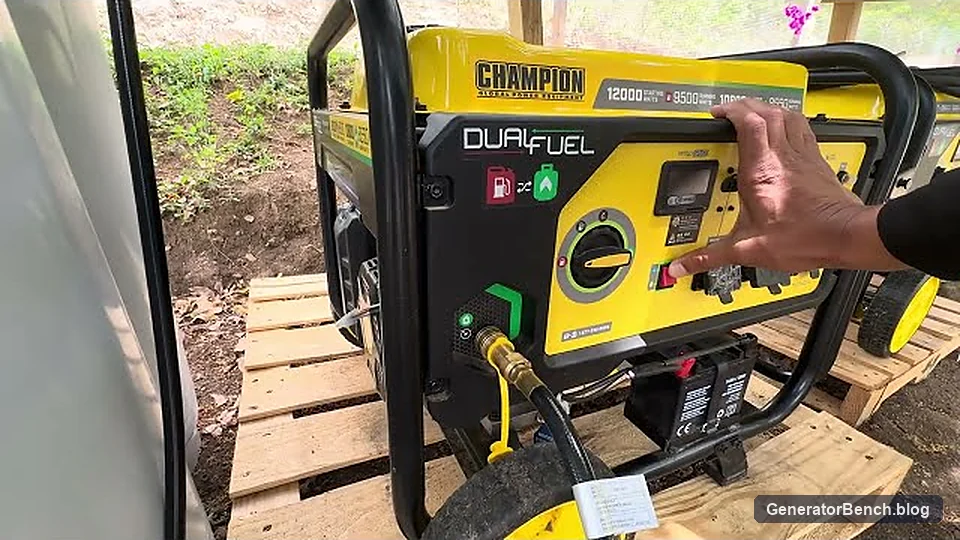
Place a calibration cup securely over the detector intake vents. Apply the test gas according to the manufacturer specifications while monitoring unit response.
The generator engine should shut down automatically within sixty seconds. After confirming safety, use our generator wattage sizing calculator to determine proper electrical loads.
Reset the system by following the specific manual instructions after a successful test. Allow the sensor chamber to clear completely before restarting the engine.
- Never use direct engine exhaust for testing.
- Secure calibration cups tightly over detector vents.
- Monitor shutdown timing against manufacturer benchmarks.
- Clear residual test gas before restarting.
Troubleshooting False Alarms and Environmental Interferences
False triggers often result from aerosol sprays or chemical fumes near the running unit. Keep solvents and fuels far away from active sensor intakes.
High wind gusts can also push exhaust fumes back toward the control panel. Repositioning your portable generator outdoors prevents localized carbon monoxide pooling.
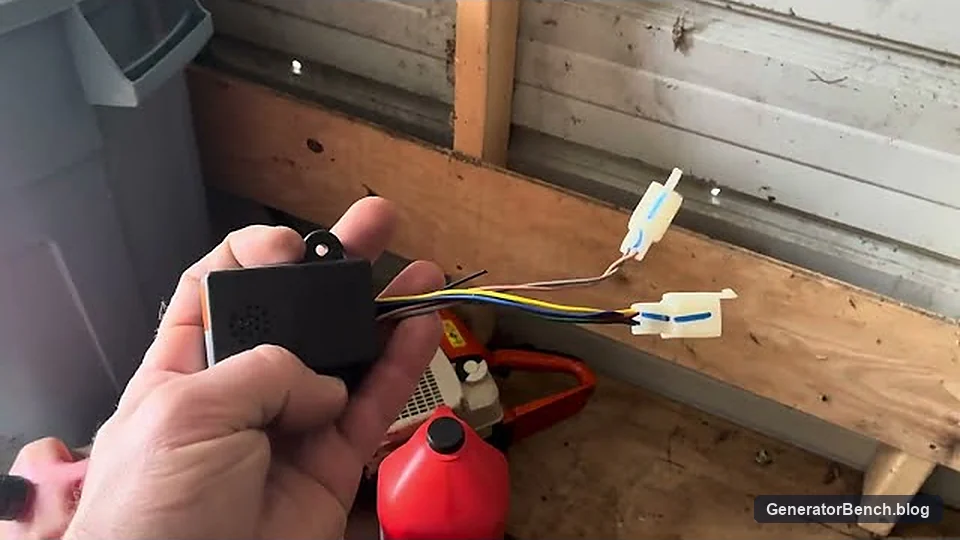
Check for loose wiring harnesses connecting the detector module to the inverter board. Vibration from heavy loads can loosen delicate pin connectors over time.
Replace modules that trigger repeatedly without environmental cause. Sensors degrade chemically over years of exposure to ambient garage air and humidity.
- Keep harsh chemical solvents away from intake vents.
- Ensure proper wind direction relative to exhaust placement.
- Inspect internal wiring harnesses for vibration damage.
- Replace degraded sensor modules experiencing persistent faults.
Calibration Standards and Sensor Lifespan Expectations
Electrochemical carbon monoxide detectors degrade steadily over time. Most manufacturers recommend complete module replacement every three to five years of service.
Check calibration dates printed on the sensor housing before relying on safety electronics. Expired units lose sensitivity and may fail to trigger shutdowns.
Commercial calibration chambers provide precise parts-per-million mixtures for accurate verification. Field technicians rely on these verified gas mixtures to ensure strict regulatory compliance.
Never attempt to recalibrate expired sensors manually at home. Component degradation inside the electrochemical cell makes further adjustment completely impossible and unsafe.
- Track service age using installation date labels.
- Replace sensors immediately upon reaching expiration limits.
- Use certified test gas mixtures for calibration.
- Discard units exhibiting physical cracks or damage.
Video Walkthrough: How to Bypass a CO Sensor on a Portable Generator. Disabling \u0026 Testing.
Best Practices for Exhaust Placement and Airflow Dynamics
Choosing the best generator with co detector ensures advanced safety compliance. Always operate portable units outdoors with exhaust pointing safely away from occupied residential structures.
Maintain a minimum distance of twenty feet from doors, windows, and intake vents. Adequate cross-ventilation prevents dangerous gas accumulation around the frame.
Never run generators inside garages, sheds, or semi-enclosed patios. Even with open doors, toxic fumes can pool rapidly in confined structural spaces.
Use carbon monoxide monitors inside your home while running backup power equipment. Multiple layers of defense protect occupants from silent exhaust hazards.
- Position exhaust outlets away from building openings.
- Maintain twenty feet of clear surrounding space.
- Avoid running equipment inside any enclosed structure.
- Install backup detectors inside residential living areas.
Routine Maintenance Routines for Integrated Safety Sensors
Establish a monthly maintenance schedule to keep safety electronics in peak condition. Wipe down the outer detector housing using a clean microfiber cloth.
Verify that indicator lights flash correctly during the initial startup sequence. A solid green light typically indicates normal operation without active fault codes.
Keep a dedicated service logbook detailing every test date and sensor response time. Documenting these checks helps track long-term component reliability and aging.
Train all household operators on the correct emergency shutdown and reset procedures. Everyone should recognize warning tones and understand immediate response actions.
- Wipe outer housings clean of dust monthly.
- Confirm startup indicator lights function properly.
- Log all test dates and response times.
- Educate operators on emergency reset steps.
Frequently Asked Questions
Can I test my generator carbon monoxide detector with car exhaust?
Never use raw engine exhaust to test your portable generator carbon monoxide detector because extreme heat and heavy hydrocarbons will quickly and permanently ruin the delicate electrochemical sensor.
Always rely on certified commercial calibration gas applied through a specialized test cup to accurately verify correct operational shutdown thresholds without damaging internal electronic components.
How often should you test a generator carbon monoxide detector?
You should thoroughly test your portable generator carbon monoxide detector on a strict monthly schedule before deploying the unit for emergency residential backup power service needs.
Consistent monthly verifications ensure that the internal electrochemical circuitry responds correctly and that the critical automatic engine kill switch functions precisely as designed by the original equipment manufacturer.
What causes a generator carbon monoxide detector to trigger false alarms?
False alarms typically occur when aerosol sprays, volatile chemical solvents, or heavy fuel vapors pass directly across the sensitive intake vents of the active detector module.
Strong wind gusts can also push engine exhaust back toward the control panel and trigger unexpected emergency shutdowns unless you reposition the portable generator outdoors properly.
How many years does a generator carbon monoxide sensor last?
Most electrochemical carbon monoxide sensors have a designated operational lifespan ranging strictly between three and five years depending on harsh environmental exposure and frequency of usage.
You must completely replace the integrated safety module once it reaches this expiration threshold because aged chemical components inevitably lose sensitivity and long-term operational reliability.
What should you do if your generator detector displays error codes?
When persistent error fault codes appear on your control panel, immediately inspect all internal wiring harnesses connecting the sensor module to the main inverter board.
If electrical connections are secure and the module continues failing self-diagnostics, you must replace the entire unit to maintain safe operating standards during emergency outages.