How To Make A Loud Generator Quiet With Smart Acoustic Solutions
Sound mitigation requires balancing airflow and dampening. Implement these mechanical strategies to significantly lower decibel levels.


Lowering engine noise safely demands proper exhaust routing, vibration isolation, and fire-safe enclosures that never restrict cooling airflow or trap lethal carbon monoxide.
Looking for matching picks? See our Best Quiet Generator.
Practical Quick-Reference Table
| Scenario / Metric | Recommended Target | Why It Matters |
|---|---|---|
| Decibel Threshold | Under 60 dB at 20 ft | Prevents conversational disruption |
| Exhaust Extension | Rigid steel conduit | Withstands high thermal output |
| Enclosure Clearance | Minimum 24 inches | Ensures adequate cooling airflow |
| Vibration Pad | Dense rubber or neoprene | Decouples frame from hard ground |
| Load Testing | 50% to 75% capacity | Verifies true operational acoustics |
| Exhaust Backpressure | Under 1.5 psi limit | Protects engine valve health |
Understanding Generator Acoustics and Decibel Ratings
Measuring sound output requires understanding the logarithmic decibel scale. Every three-decibel increase doubles the sound energy emitted by your portable power unit during heavy loads.
Open-frame contractor models often operate near seventy-five decibels at twenty feet. Selecting options from our best quiet generator lineup helps ensure your immediate neighborhood remains peaceful.
Identifying primary noise sources helps target your mitigation efforts efficiently. Exhaust pulses, mechanical valve clatter, and cooling fan shear create distinct acoustic frequencies requiring varied solutions.
Ambient surroundings also influence how sound waves travel across your property. Hard surfaces like concrete patios reflect sound, while grass and shrubs absorb energy.
- Measure baseline sound levels using a calibrated decibel meter.
- Note peak load intervals when engine RPM surges dramatically.
- Distinguish between mechanical valve noise and exhaust sound.
- Account for environmental sound reflection off nearby walls.
Decibel Measurement Protocols
Position your sound meter twenty feet away from the exhaust port for accurate comparisons. Always record measurements under standard operating loads to ensure validity.
Avoid placing meters near reflective walls that artificially inflate decibel readings. Consistent testing conditions allow you to measure true noise reduction progress accurately.
- Use A-weighting filters on sound level meters.
- Test units on dry, firm ground surfaces.
Strategic Placement and Ground Modification Techniques

Simple relocation often yields the most immediate acoustic relief without modifying the machine. Position the unit behind natural landscape barriers like dense shrubbery.
Aim the exhaust port away from living areas, windows, and outdoor seating zones. Directing sound waves toward open fields reduces perceived noise significantly for occupants.
Ground surface composition plays a surprising role in overall sound propagation. Placing units on packed earth or grass absorbs vibrations much better than concrete slabs.
Maintain crucial clearance distances around the unit to prevent dangerous carbon monoxide accumulation. Never sacrifice safety boundaries merely to achieve lower noise levels.
- Keep generators at least twenty feet from dwellings.
- Utilize natural terrain features to deflect sound waves.
- Avoid placing units on resonant wooden decks.
- Point exhaust outlets away from human activity zones.
Video Walkthrough: 8 BEST Ways To Make a Noisy Generator QUIETER!
Constructing an Effective Baffle Box or Enclosure
Building a specialized acoustic enclosure traps high-frequency engine noise effectively. However, you must prioritize continuous airflow to prevent catastrophic overheating and thermal shutdown.
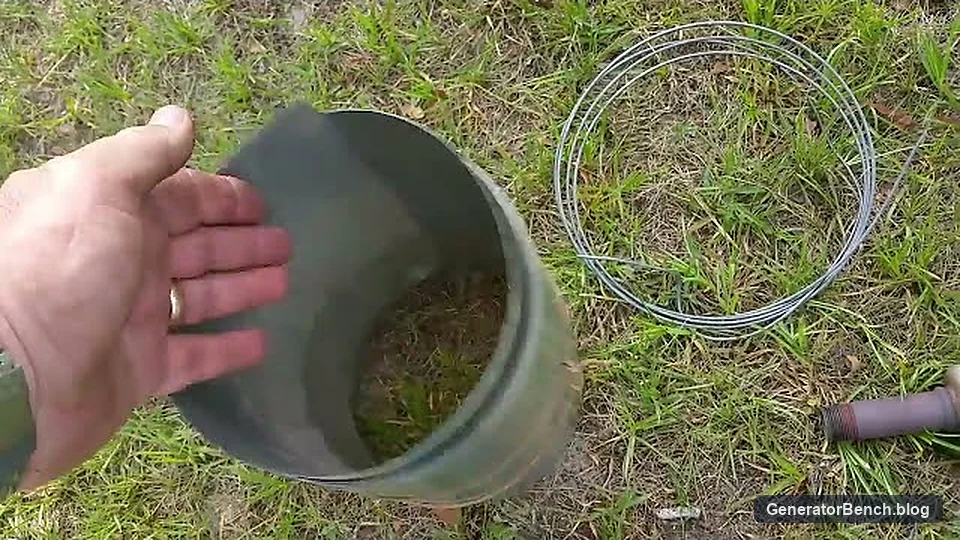
Utilize fire-resistant materials like cement board and mineral wool insulation inside the walls. Never use standard flammable foam insulation near a hot engine exhaust.
Incorporate labyrinth intake and exhaust vents to baffle sound while allowing air movement. S-shaped pathways trap noise waves while cooling fans push air through.
Install heavy-duty cooling fans inside sealed boxes if natural convection proves insufficient. Monitor internal operating temperatures continuously using a remote digital thermal probe.
- Incorporate double-walled acoustic baffles for intake paths.
- Line interior walls with high-density rockwool insulation.
- Provide triple the surface area for exhaust ventilation.
- Never enclose generators completely without active ventilation.
Managing Enclosure Thermal Dynamics
Heat buildup destroys alternator windings and degrades engine oil rapidly. Always calculate required cubic feet per minute airflow ratings before finalizing your enclosure dimensions.
Install mechanical exhaust fans rated to handle high ambient engine compartment temperatures. Selecting a unit from our best quiet generator for camping list guarantees reliable thermal management.
- Calculate total heat rejection rates for your specific model.
- Test internal box temperatures during peak summer loads.
Exhaust Upgrades and Custom Muffler Installations
Factory mufflers prioritize compact dimensions over optimal acoustic silencing performance. Upgrading to an automotive-grade or larger aftermarket muffler dampens explosive exhaust notes drastically.
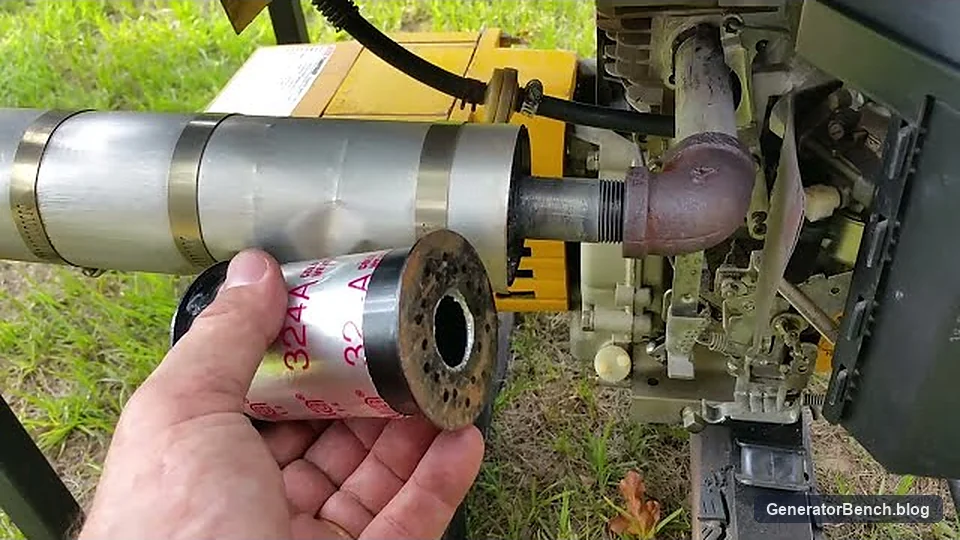
Fabricate a secure metal extension pipe to route exhaust gases outside restrictive enclosures. Ensure the pipe diameter matches factory specifications to prevent dangerous backpressure.
Excessive backpressure chokes the combustion chamber, reducing power output and overheating exhaust valves. Consult professional mechanical guidelines before modifying any stock exhaust manifold.
Wrap exterior exhaust extensions with high-temperature fiberglass insulation sleeves for safety. This prevents accidental burns and reduces radiated thermal noise in tight spaces.
- Match aftermarket muffler volume to engine displacement specs.
- Avoid sharp ninety-degree bends in custom exhaust piping.
- Inspect all exhaust joints regularly for carbon leaks.
- Secure heavy mufflers with rigid steel mounting brackets.
Vibration Isolation Pads and Frame Decoupling
Engine vibrations transfer directly into the ground, creating structural hums and resonance. Installing heavy-duty rubber vibration pads breaks this rigid acoustic conduction path cleanly.
Bolt the generator frame securely onto high-density neoprene isolation mounts. Units featured in our best quiet generator for rv use often include factory dampening feet.
Check wheel kits and handle linkages for loose hardware that rattles during operation. Tightening every bolt eliminates annoying secondary mechanical clatter instantly and effectively.
Place thick rubber livestock mats beneath portable units for temporary vibration dampening. Ensure the mat does not block bottom-mounted ventilation ports on enclosed inverter generators.
- Select isolation mounts rated for the exact unit weight.
- Replace worn rubber feet on factory metal frames.
- Isolate external fuel lines from vibrating frame rails.
- Check all metal-on-metal contact points for clearance.
Video Walkthrough: 4x Quieter generator in 10 seconds
Routine Maintenance for Quieter Mechanical Operation
Neglected mechanical components naturally generate significantly more noise during combustion cycles. Regular tune-ups restore smooth valve operation and minimize harsh engine clatter.
Adjust valve clearances according to manufacturer specifications to prevent ticking noises. Wiped lobes or loose rocker arms create distinct tapping sounds under heavy loads.
Replace clogged air filters and fouled spark plugs to maintain clean combustion. Hesitant engines misfire, producing erratic exhaust notes and increased mechanical vibration stress.
Change engine oil regularly using high-grade synthetic lubricants specified for your equipment. Fresh oil cushions internal moving parts, reducing friction and high-speed mechanical whining.
- Inspect and clean spark arrestor screens every season.
- Check valve lash tolerances during scheduled seasonal service.
- Lubricate pull-start mechanisms to prevent high-pitched squeals.
- Use clean fuel to prevent erratic injector or carburetor firing.
Monitoring Decibel Output and Compliance Standards
Verify your noise reduction modifications comply with local municipal zoning ordinances. Many residential areas enforce strict decibel limits during nighttime emergency power outages.
Use a calibrated sound level meter to document noise levels at property lines. Record readings under various electrical load conditions to ensure consistent performance compliance.
Document any enclosure modifications to ensure emergency service access remains unhindered. First responders must retain clear pathways to shut down units safely if needed.
Re-evaluate acoustic setups annually as vibration mounts degrade. Before adding heavy loads, consult our wattage sizing calculator to verify your total running requirements stay balanced.
- Review local municipal noise bylaws before starting projects.
- Test sound output at neighboring property boundary lines.
- Inspect acoustic insulation annually for moisture degradation.
- Maintain emergency shut-off access at all times.
Frequently Asked Questions
Can I build a wooden box around my running generator?
Building a wooden enclosure creates extreme fire risks and traps carbon monoxide. Always use non-combustible cement board and ensure active ventilation fans. Never enclose units without proper airflow.
How many decibels can an enclosure realistically reduce?
A properly designed baffle box typically reduces noise by five to fifteen decibels. The exact reduction depends heavily on material density and ventilation routing. Inverter units benefit most from strategic acoustic dampening.
Will modifying my exhaust void the manufacturer warranty?
Altering stock exhaust systems or manifolds often voids factory engine warranties. Always check documentation before welding or replacing original factory components. Consult certified technicians for approved aftermarket modifications.
Do rubber mats actually help quiet portable generators?
Thick rubber mats successfully absorb low-frequency ground vibrations and structure-borne hums. However, they cannot reduce airborne exhaust noise without proper baffling. Combine mats with enclosures for maximum effectiveness.
Why is my inverter generator suddenly louder than normal?
Sudden volume spikes usually indicate exhaust leaks, loose frame hardware, or heavy electrical loads. Inspect the muffler gasket and check load demands immediately. Prompt maintenance prevents permanent mechanical internal damage.