How To Keep Your Generator From Being Stolen
Protecting your portable power source requires robust physical anchoring and smart placement. Unattended units face high theft risks during emergency outages.

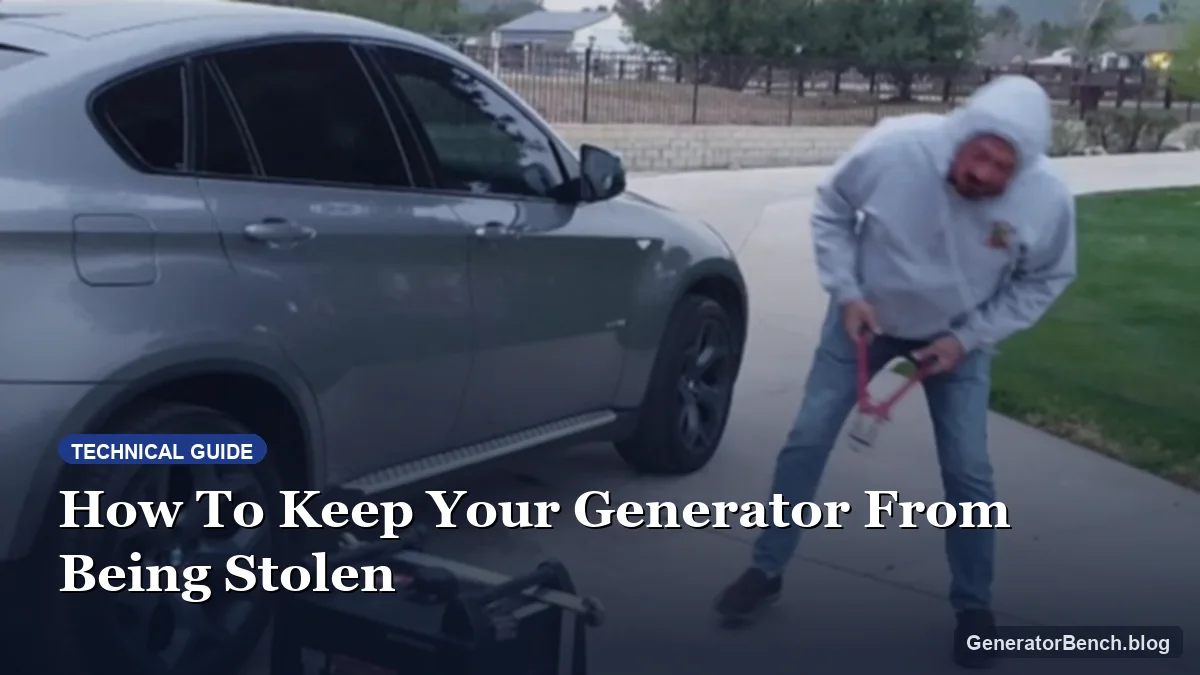
Secure your power unit using a hardened steel chain combined with a heavy-duty padlock anchored directly to a permanent structural concrete pad.
Looking for matching picks? See our Best Electric Generator.
Practical Quick-Reference Table
| Scenario / Metric | Recommended Target | Why It Matters |
|---|---|---|
| Chain Grade | Boron Alloy Steel | Resists portable angle grinder attacks effectively. |
| Padlock Type | Shrouded Molybdenum | Shields shackle from bolt cutter jaws. |
| Concrete Depth | Minimum Four Inches | Provides unyielding pull-out resistance for anchors. |
| Illumination | Motion-Activated LED | Eliminates shadows and deters nocturnal thieves. |
| Serial Tracking | Encrypted Cloud Vault | Simplifies police recovery and insurance claims. |
| Maintenance | Quarterly Graphite | Prevents lock freezing in cold weather. |
Physical Ground Anchors and Permanent Mounting Bases
Securing your portable power unit starts with selecting a permanent ground anchor capable of resisting extreme leverage forces. Standard soil stakes easily pull out under hydraulic jack pressure or heavy pry bars.
Install heavy-duty threaded concrete anchors directly into a poured slab or structural foundation. These mechanical fasteners provide superior withdrawal resistance compared to standard expansion bolts used in lightweight masonry.
Frame your installation checklist to verify that all mounting hardware uses tamper-resistant head configurations. Regular maintenance checks ensure no rust compromises the structural integrity of your primary anchor points.
Effective collaboration with local security systems helps maintain a comprehensive threat assessment profile. Documenting your physical layout ensures every vulnerable access route remains fully covered by structural barriers.
- Use grade-eight fasteners for all anchor attachments.
- Pour minimum four-inch concrete pads for base stability.
- Recess anchor heads to prevent easy wrench access.
- Apply thread-locking compound to all permanent bolts.
Concrete Slab Preparation and Pouring
Pouring a dedicated reinforced concrete pad creates an unyielding foundation for heavy security anchors. Mix high-strength concrete containing fibrous reinforcement additives for maximum impact resistance against sledgehammers.
Allow the curing process to reach full structural maturity before mounting heavy hardware. Premature loading can crack the surrounding matrix and compromise overall anchorage strength during a forced entry attempt.
- Cure concrete for seven full days minimum.
- Embed steel rebar cages inside the pad perimeter.
Heavy-Duty Chain and Padlock Specifications
Standard hardware store chains offer virtually no resistance against battery-powered angle grinders fitted with abrasive wheels. Invest in boron alloy steel chains featuring square links that resist bolt cutter jaws.
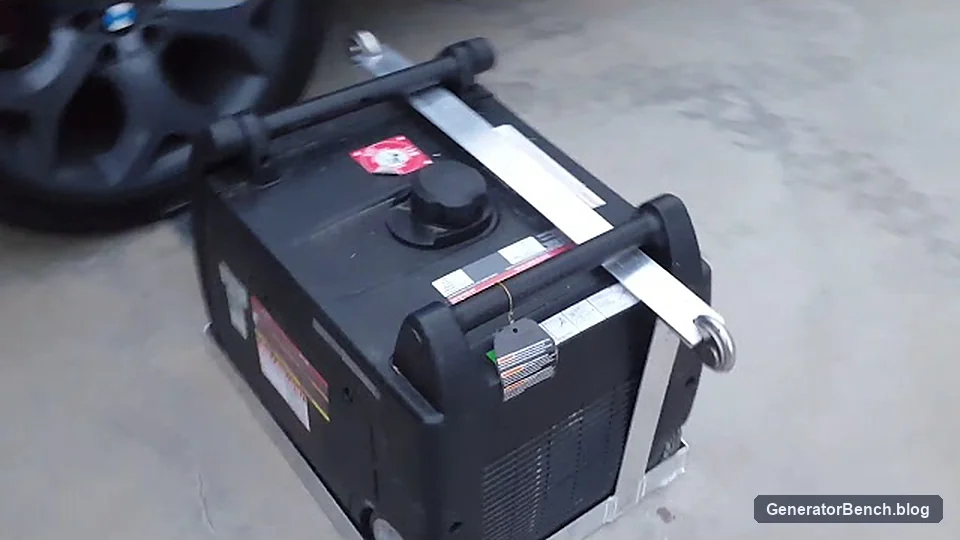
Chain thickness must measure at least ten millimeters to prevent rapid cutting during power failures. Secure your backup power unit using our best home emergency generator security setup advice.
Pair your security chain with a shrouded padlock featuring a hardened molybdenum shackle. Shrouded designs restrict access for bolt cutters and hacksaws by shielding the vulnerable locking mechanism from direct contact.
Keep detailed notes regarding key codes and combination sequences in a secure digital registry. Proper tracking ensures you can access locks quickly during emergency operational windows without losing precious time.
- Select chain links with heat-treated alloy composition.
- Ensure padlock bodies feature anti-drill steel plates.
- Minimize chain ground clearance to stop leverage tools.
- Store duplicate keys in a separate secure location.
Shackle Protection and Link Sizing
Exposed padlocks invite direct hammer strikes designed to shatter hardened steel components instantly. Shrouded lock bodies enclose the shackle completely to deflect blunt force trauma from hammers.
Match your chain link diameter precisely to the shackle clearance of your chosen padlock. Oversized links prevent proper shackle closure and leave dangerous gaps for prying tools.
- Verify shackle clearance before purchasing locks.
- Choose closed-shackle padlock models exclusively.
Video Walkthrough: Introduction to theft prevention
Strategic Placement and Concealment During Outages
Positioning your heavy unit near well-traveled entryways deters opportunistic thieves. Protect your investment by evaluating our best household generator options for optimal yard placement and secure storage.
Avoid placing valuable power equipment near dark fence lines or overgrown perimeter vegetation. Natural concealment works against you when criminals seek dark operating zones shielded from neighborhood observation.
Maintain proper operational clearances while balancing security demands and exhaust safety guidelines. Never compromise carbon monoxide ventilation distances simply to tuck the machine away into a deeply hidden corner.
Organize your daily generator deployment schedule using digital checklists across multiple mobile devices. Consistent placement routines prevent careless errors that leave expensive equipment exposed on open driveways overnight.
- Position units directly beneath active floodlight zones.
- Maintain recommended exhaust clearance from building walls.
- Avoid setting up power gear near public sidewalks.
- Keep operating schedules hidden from casual visitor view.
Digital Inventory Tracking and Serial Number Documentation
Documenting unique equipment identifiers provides crucial recovery evidence for any machine, including a best solar electric generator setup. Record your exact purchase date and stamped serial numbers in a secure digital vault.
Capture high-resolution photographs of any custom modifications, scratches, or distinct markings on the engine block. Visual records simplify identification if stolen property ever appears in local pawn shop databases.
Share inventory logs across multiple trusted household devices to ensure data accessibility during emergencies. Centralized tracking helps insurance adjusters process claims rapidly if theft prevention measures ultimately fail.
Etch your driver license number or customized security PIN onto hidden internal frame components. Permanent engraving drastically reduces resale value on secondary markets, deterring professional thieves from targeting your specific machine.
- Photograph engine serial number plates from multiple angles.
- Store digital asset logs in encrypted cloud storage.
- Register equipment warranty details with the original manufacturer.
- Update inventory records annually to account for accessories.
Motion-Activated Security Lighting and Audible Alarms
Integrating bright exterior illumination disrupts nocturnal theft attempts by eliminating protective shadows around heavy power units. Use our wattage sizing calculator alongside motion-activated LED floodlights to secure your staging area effectively.
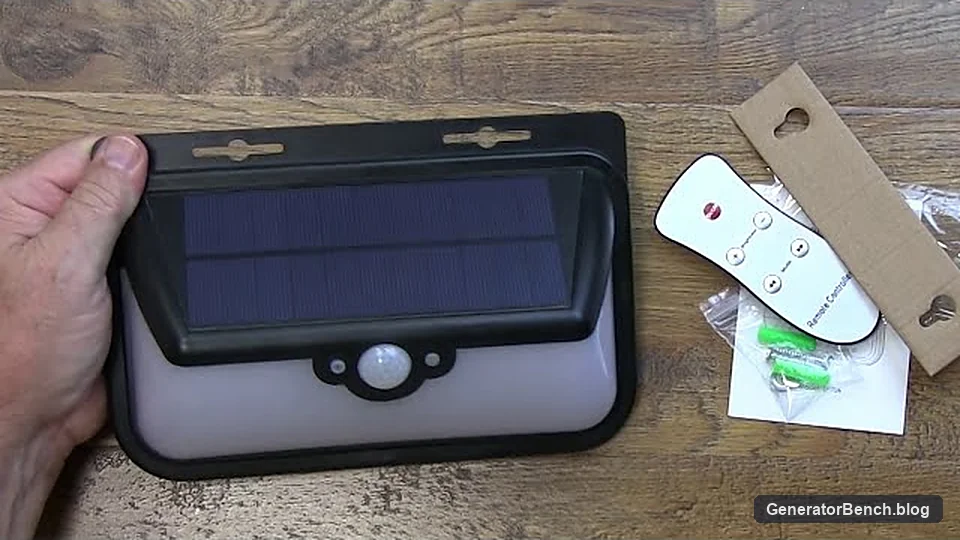
Pair security lights with standalone wireless perimeter alarms that trigger inside your living quarters. Audible sirens alert occupants immediately if anyone tampers with the chained equipment during overnight hours.
Test battery backup systems for all security sensors prior to forecasted severe weather events. Grid failures often accompany major storms, rendering standard plug-in security lighting completely useless without auxiliary power sources.
Review system alerts regularly to verify proper sensor calibration and minimize false alarm triggers. Reliable monitoring builds confidence in your overall defensive setup during stressful emergency grid outage scenarios.
- Adjust motion sensor ranges to cover exact equipment footprints.
- Test wireless alarm transceiver distances through exterior walls.
- Equip perimeter lights with independent rechargeable battery backups.
- Clean sensor lenses monthly to prevent false detections.
Video Walkthrough: Introduction to security
Enclosure Design and Shed Integration Strategies
Constructing a dedicated generator security enclosure provides ultimate protection against weather and theft. Ensure your custom shed features heavy-duty steel doors equipped with mortise deadbolt locks and reinforced hinges.
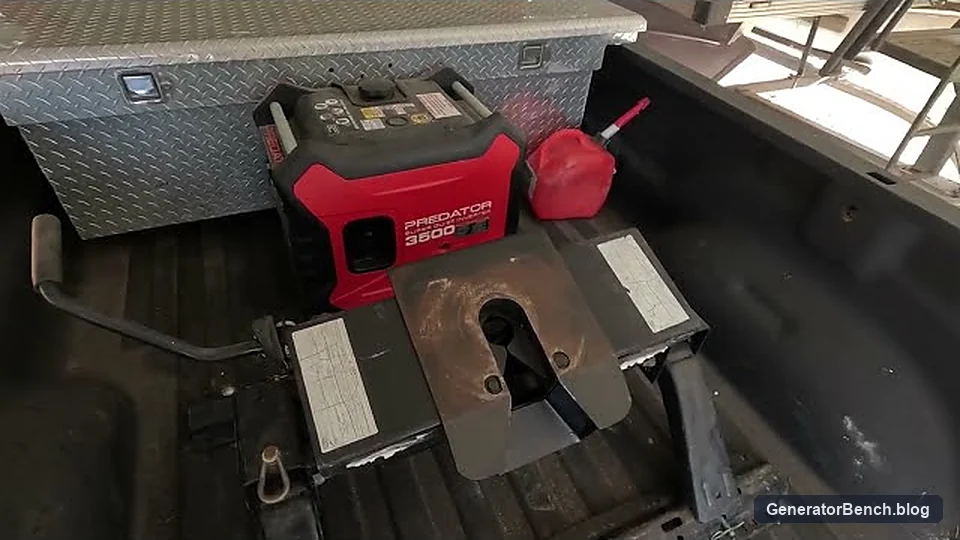
Incorporate active louver ventilation systems to maintain proper cooling airflow while running inside structures. Sealed compartments trap dangerous exhaust gases and overheat engines rapidly without engineered intake pathways.
Anchor the entire enclosure frame directly to deep structural footings to prevent lifting. Criminals have been known to rip lightweight storage sheds entirely off their bases to access internal contents.
Keep interior organization systems streamlined so tools and cables remain properly stowed away. Cluttered utility spaces slow down deployment and make routine security inspections difficult to complete thoroughly.
- Install heavy steel security grates over ventilation louvers.
- Use tamper-proof hinge pins on all exterior doors.
- Integrate exhaust extension pipes through insulated wall thimbles.
- Lock enclosure doors immediately after starting the engine.
Maintenance Routines for Security Hardware
Security hardware requires regular servicing to ensure reliable operation in harsh weather conditions. Apply graphite lubricant to padlock cylinders quarterly to prevent internal corrosion during freezing winter months.
Inspect chain links and anchor bolts for signs of tampering or environmental wear. Replace any compromised components immediately before seasonal storms increase your reliance on backup emergency power systems.
Test mechanical locks frequently to ensure smooth key rotation without binding or sticking. Corroded mechanisms trap generators securely when you need rapid access to restore household electrical circuits.
Keep a detailed maintenance checklist on your administrative dashboard to track servicing intervals. Systematic upkeep preserves the structural integrity of every physical security measure defending your valuable power equipment.
- Lubricate padlock cylinders using approved dry graphite sprays.
- Check anchor bolt torque specifications twice per year.
- Clean debris from chain storage links after storms.
- Test backup alarm batteries during monthly safety checks.
Frequently Asked Questions
Can standard bike locks adequately secure a heavy portable generator?
Standard bicycle cables offer virtually zero structural resistance against basic handheld cutting tools and can be easily severed in seconds by opportunistic thieves during widespread emergency grid failures.
You must always utilize a heavy hardened boron steel chain paired with a robust shrouded padlock anchored firmly to permanent concrete foundations for maximum asset protection.
What is the best way to record serial numbers for insurance and police recovery?
Thoroughly documenting your valuable generator model details requires capturing high-resolution photographs of the official manufacturer stamping plates alongside original purchase receipts and comprehensive maintenance records.
You should always store these crucial asset logs safely inside an encrypted cloud storage vault to ensure immediate data accessibility during stressful emergency insurance claim processing situations.
Should I hide my generator completely out of sight when running it?
Concealing a running power unit completely inside dense vegetation or dark alleyways creates severe carbon monoxide poisoning risks and dangerous structural fire hazards for occupants.
You must always carefully balance security placement requirements with mandatory exhaust ventilation clearances to keep your household safe while actively deterring potential criminals during long outages.
How often should I lubricate padlocks used in outdoor security setups?
Outdoor security hardware faces constant exposure to rain, snow, and extreme temperature fluctuations that cause internal locking mechanisms to seize up unexpectedly during emergencies.
Apply approved dry graphite spray lubricants to all padlock cylinders on a strict quarterly maintenance basis to reliably prevent corrosive binding and mechanical failure.
Can criminals easily steal a generator bolted to a lightweight wooden deck?
Bolting heavy power equipment directly to a standard residential wooden deck provides minimal security because opportunistic thieves can easily rip fasteners straight out of soft lumber using simple pry bars.
You should always anchor your heavy security chain directly into a poured concrete pad or permanent structural foundation instead.