How to hook up a generator to a camper Safely
Hooking up a portable generator requires strict electrical safety standards. Proper grounding and correct cord selection protect your camper.

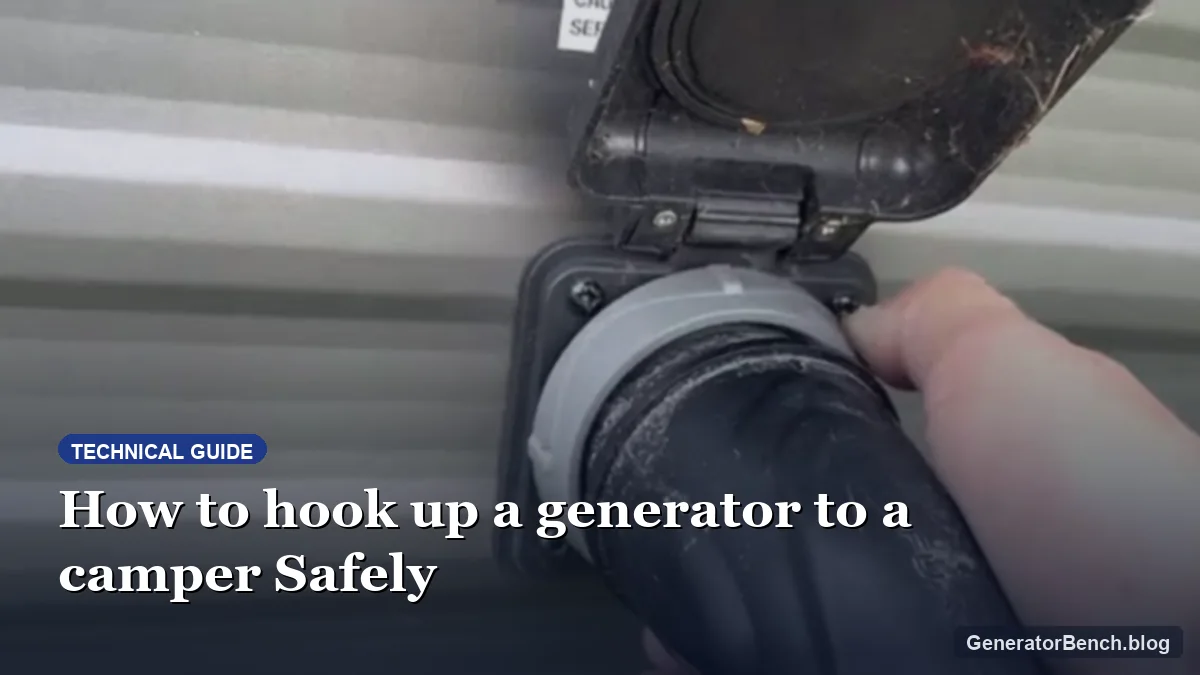
Always verify your camper's power requirements before connecting external power. Never bypass grounding systems to prevent dangerous electrical shock hazards.
Looking for matching picks? See our Best Generator For Pop Up Camper.
Practical Quick-Reference Table
| Scenario / Metric | Recommended Target | Why It Matters |
|---|---|---|
| Camper Service Size | 30-Amp (TT-30R) | Handles up to 3,600 watts of continuous load safely. |
| Camper Service Size | 50-Amp (14-50R) | Handles up to 12,000 watts for heavy dual-AC rigs. |
| Extension Cord Gauge | 10 AWG (for 30A) | Prevents dangerous voltage drop and excessive cable heating. |
| Grounding Rod | 8-foot Copper-Clad | Dissipates fault current safely into the earth terrain. |
| Fuel Management | Inverter Clean Power | Protects sensitive onboard microprocessors from harmonic distortion. |
| Placement Distance | Minimum 20 Feet | Keeps toxic carbon monoxide exhaust away from living quarters. |
Assessing Electrical Load Requirements
Before connecting any external power source, you must calculate your total electrical load. Exceeding rated capacity trips internal breakers and damages sensitive appliances.
Review your camper's appliance rating plate to determine starting and running wattage. Air conditioners and refrigerators demand high surge currents during compressor startup.
Match your generator output continuously against these combined running metrics. Selecting an appropriately sized inverter prevents engine stalling and voltage sags.
Document peak loads carefully to ensure safe operational margins during hot weather conditions when multiple appliances run simultaneously.
Calculating your camper's exact electrical load prevents unexpected breaker trips and engine stalls. When consulting our best camper generator guide, always check the wattage rating plate located near your main service panel.
Standard RV air conditioning units demand roughly 1500 running watts and up to 3000 starting watts when the compressor first engages. Factor in this high inductive surge before simultaneously operating your microwave or coffee maker.
Convert appliance amp requirements into running watts by multiplying total amperes by 120 volts for standard residential-style service plugins. This mathematical conversion ensures your portable generator operates well beneath its maximum continuous capacity threshold.
Leave a safety margin of at least 20 percent headroom to prevent overheating and premature alternator wear over extended camping trips. Monitoring total continuous draw protects sensitive onboard electronics from damaging voltage drops.
- Identify total running wattage limits before plugging in.
- Account for high inductive motor startup surges.
- Never exceed the rated continuous output wattage.
- Factor in environmental temperature derating metrics.
Calculating Appliance Surges
Inductive loads require up to three times their running wattage during startup. Stagger appliance activation to maintain stable voltage delivery.
Turn off heavy interior loads before initiating the primary connection sequence.
- Calculate compressor startup amperages accurately.
- Stagger high-draw appliances sequentially.
Selecting the Correct Power Cord and Adapters
Using the proper cable ensures safe power transfer from the generator to your RV inlet. Substandard extension cords cause severe voltage drops and overheating.
Most standard travel trailers utilize a 30-amp TT-30 configuration requiring heavy-duty copper wiring. Inspect cable insulation for cracks before every single use.
Avoid stringing multiple standard household extension cords together for high-draw RV applications. Use rated marine-grade cords designed for outdoor weather exposure.
Check plug blades for oxidation or pitting to ensure clean, low-resistance electrical contact.
Choosing the appropriate power cord requires matching your camper's inlet configuration to the generator. Before selecting equipment featured in our best generator for camper trailer review, verify your specific receptacle rating.
Large motorhomes equipped with dual air conditioners typically demand a robust 50-amp twist-lock plug configuration to handle heavier electrical loads. Inspect cord jacket insulation for weather resistance markings like STW or SOW.
Avoid utilizing excessively long extension cords because voltage drop over distance decreases operational efficiency significantly. Keep total cable runs under fifty feet while using thick 10-gauge copper wiring for thirty-amp connections.
When stepping down from a fifty-amp outlet to a thirty-amp RV plug, always use a molded adapter with built-in circuit protection. Inspect prongs for oxidation or corrosion before inserting them into energized receptacles.
- Inspect all cable jackets for physical damage.
- Verify proper wire gauge ratings for current load.
- Keep connection plugs dry using weatherproof covers.
- Avoid coiled cables to prevent induction heating.
Evaluating Adapter Safety
When using dogbone adapters, verify current rating limits match your circuit breaker. Never force mismatched plugs into incompatible receptacles.
Inspect molded ends for signs of thermal melting or discoloration.
- Match adapter amperages to supply breakers.
- Discard deformed or cracked adapters immediately.
Video Walkthrough: RV Basics 101: How to Use a Portable Generator
Grounding Protocols and Safety Standards
Proper grounding protects users from accidental chassis energization during electrical faults. Drive an earth rod when required by local environmental conditions.
Portable inverter generators often feature floating neutrals requiring specific bonding plugs depending on RV transfer switch design.
Always test the RV pedestal or generator output with a dedicated circuit analyzer before plugging in your main power cord.
Confirm zero voltage potential between neutral and ground wires to prevent appliance damage.
Portable generators require proper grounding to prevent dangerous electrical shock hazards during wet weather campsite operations. Drive an eight-foot copper rod directly into moist earth and connect it to the generator terminal.
Check your generator manual to determine whether the unit features a floating neutral or bonded neutral electrical configuration. Bonded units require specific wiring adjustments when integrating with complex RV transfer switches or shore power inlets.
OSHA standards mandate strict compliance regarding portable power distribution safety in outdoor recreational environments. Never operate generators inside enclosed spaces like truck caps or camper shells to prevent fatal carbon monoxide poisoning.
Utilize a reliable digital multimeter to verify zero voltage differential between the neutral conductor and the physical earth ground rod. Maintaining these safety protocols protects both your family and sensitive appliances.
- Drive copper-clad grounding rods securely into soil.
- Verify neutral bonding status on inverter units.
- Test receptacle wiring polarity using diagnostic tools.
- Keep grounding paths short and unobstructed.
Checking Neutral Bonding
Floating neutral generators may fail to trip RV surge protectors properly. Install a bonding plug if your electrical management system indicates a fault.
Consult equipment manuals regarding internal bonding configurations.
- Test continuity between neutral and ground pins.
- Use manufacturer-approved bonding accessories only.
Step-by-Step Connection Procedure
Position the generator at least twenty feet away from your canvas enclosure. When operating units recommended in our best generator for pop up camper selections, start the engine first before connecting any loads.
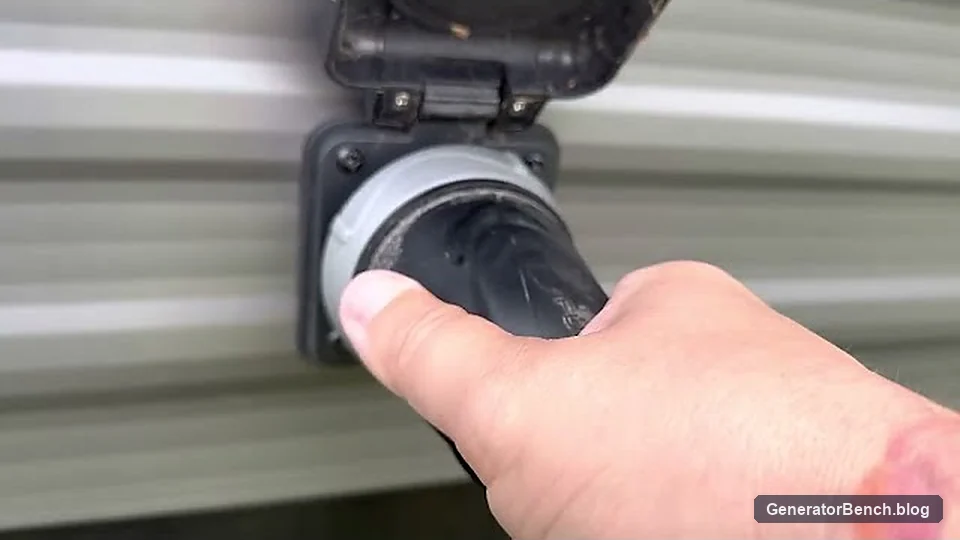
Ensure the main generator output breaker is switched off before plugging in your heavy-duty power cable.
Connect the cord securely to the generator receptacle, twisting to lock if using a locking connector.
Engage the generator output breaker and proceed inside to activate interior distribution panels.
Position your portable generator at least twenty feet away from the camper with the exhaust pointing away from living areas. Turn off the main circuit breaker on the generator control panel before initiating the startup sequence.
Start the generator engine and allow it to reach optimal operating temperature and stable frequency output for three minutes. Plug the heavy-duty power cord securely into the generator receptacle and twist to engage the locking collar.
Walk to the camper's shore power inlet and insert the opposite end of the power cord firmly until fully seated. Engage the threaded weather ring to prevent accidental disconnection caused by wind or physical tension.
Return to the generator panel and switch the main circuit breaker to the on position to energize your RV system. Inside the camper, verify that the converter charging indicator light illuminates properly.
- Maintain safe clearance distances from living areas.
- Start and warm up the engine prior to load connection.
- Lock twist-lock plugs securely into place.
- Switch output breakers on in a controlled sequence.
Disconnection Sequence
Always reverse the connection steps when preparing to shut down your power system. Turn off interior loads before cutting generator power.
Unplug cables carefully without pulling directly on the flexible wire jacket.
- Power down interior appliances first.
- Switch off generator output breakers before unplugging.
Managing Inverter Output and Parallel Kits
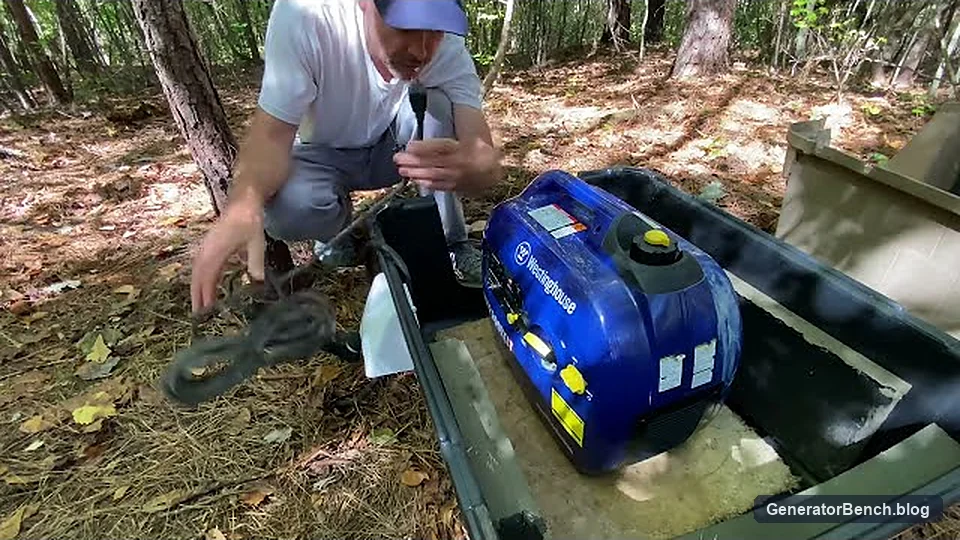
Smaller inverter generators often require parallel kits to supply standard thirty or fifty amp RV demands. Connect parallel cables according to strict manufacturer color codes.
Ensure both inverter units match exact operating frequencies before engaging the parallel synchronization switch.
Monitor fuel levels closely when running twin generators under heavy sustained electrical loads.
Clean air filters regularly to maintain optimal cooling airflow across parallel inverter electronics.
Connecting two matching inverter generators together requires an approved parallel kit designed specifically for your brand. Before pairing units, use our wattage sizing calculator to verify your total electrical needs.
Securely attach the parallel kit ground wire to the designated grounding stud on each individual generator chassis frame. Plug the heavy RV power cord directly into the specialized thirty-amp outlet located on the parallel control box.
Inverter models feature economy throttle modes that automatically adjust engine RPM based on current electrical load demands. Disable this smart throttle feature when starting heavy inductive loads like air conditioner compressors to prevent stalls.
Periodically inspect parallel communication cables for cuts or damaged pins that could cause unbalanced load sharing between units. Balanced operation prevents one inverter from overloading while the other runs at minimal idle capacity.
- Match identical model units for parallel operation.
- Connect ground wires between parallel generators.
- Monitor individual fuel consumption rates evenly.
- Store parallel cables in dry protective compartments.
Video Walkthrough: Plugging the camper into the generator
Troubleshooting Common Connection Faults
If interior outlets show no power, inspect the main generator thermal circuit breaker immediately. Reset tripped breakers only after reducing active electrical loads.
Corroded inlet pins inside the camper hatch often interrupt power transmission during damp weather.
Listen for abnormal engine surging which indicates fuel delivery restrictions or dirty carburetor jets.
Verify automatic transfer switch operation if your rig utilizes an integrated power management center.
If your RV air conditioner fails to start and the generator trips its internal breaker, you are likely experiencing an overload fault. Immediately unplug heavy appliances and reset the thermal circuit breaker on the panel.
Persistent low voltage output often stems from loose terminal connections or oxidized prongs on your heavy-duty power cord. Use fine-grit sandpaper to clean corroded metal contacts and apply a dielectric grease layer to prevent oxidation.
When your camper's electrical panel shows no power despite a running generator, inspect the main thermal breaker for a tripped status. External surge protectors might also lock out power if incoming frequency fluctuates outside normal parameters.
Engine surging while under a camper load typically indicates a dirty carburetor jet or stale fuel sitting in the tank. Add a quality fuel stabilizer and clean the air filter to restore smooth engine RPM governance.
- Check thermal circuit breakers on the control panel.
- Clean oxidized inlet pins with contact cleaner.
- Inspect fuel filters for particulate accumulation.
- Test transfer switch relay engagement clicks.
Routine Maintenance After Camp Disconnection
Allow the generator engine to cool completely before packing it into storage compartments. Drain remaining fuel if storing the unit for extended periods.
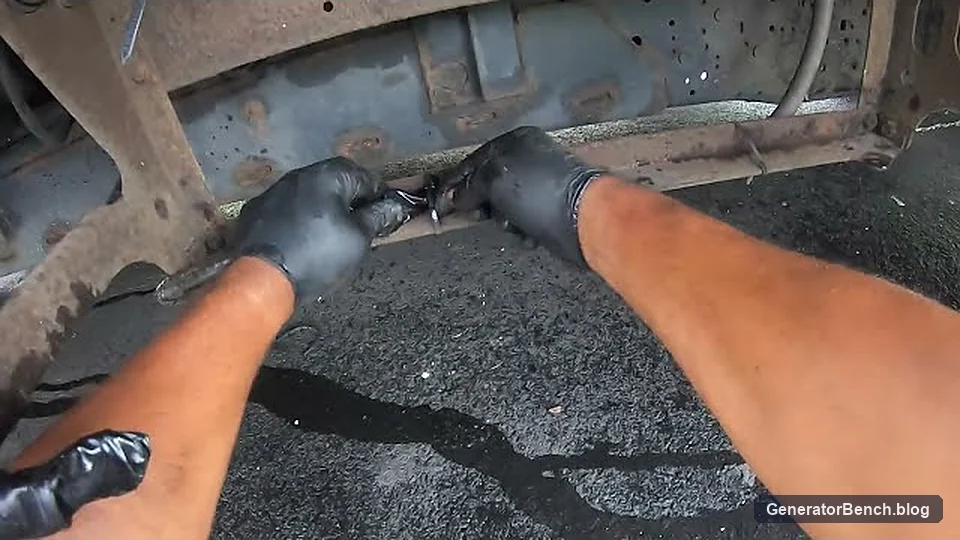
Wipe down exterior plastic housing with a clean microfiber cloth to remove dust and road grime.
Inspect power cords for cuts or abrasions incurred during campsite teardown operations.
Store cables loosely coiled to prevent permanent internal wire kinking and insulation fatigue.
Proper post-trip maintenance ensures your portable generator starts reliably on your next outdoor camping excursion without unexpected mechanical failures. Begin by turning off all connected loads and shutting down the generator engine safely.
Allow the hot engine to cool completely before performing any visual inspections or cleaning tasks around the exhaust components. Drain remaining gasoline from the carburetor float bowl if storing the unit for more than thirty days.
Inspect the foam air filter element for dust accumulation and wash it thoroughly with warm soapy water before reinstallation. Check the engine oil level using the dipstick and change the fluid according to the manufacturer maintenance schedule.
Store your generator and heavy-duty power cords in a dry, weather-protected environment away from direct moisture and corrosive elements. Secure cords loosely in coils to prevent internal copper wire fatigue over extended storage periods.
- Allow complete engine cooling before storage.
- Drain carburetors to prevent fuel varnish buildup.
- Inspect cords for post-trip physical damage.
- Store unit in a dry, ventilated enclosure.
Frequently Asked Questions
Can I plug my RV directly into a standard household generator outlet?
Yes, but you will need an appropriate dogbone adapter. Never exceed standard wattage limits of small household receptacles.
Why does my RV surge protector show a reverse polarity error?
This indicates improper wiring at the generator or a missing ground. Check your bonding plug configuration to resolve the fault.
How far away should my generator be placed from the camper?
Keep the unit at least twenty feet away with exhaust pointing away. Prevent carbon monoxide accumulation inside sleeping quarters.
Do I need a special inverter generator for sensitive RV electronics?
Inverter models provide clean power with minimal harmonic distortion. Protect onboard microprocessors by using true sine wave units.
What causes my generator to bog down when the air conditioner starts?
High compressor surge currents overwhelm small engine outputs temporarily. Stagger high-draw appliances to manage peak electrical demands.