How To Connect A Generator To A Motorhome Safely
Integrating an external power source into your rig requires careful adherence to electrical standards. Proper setup prevents dangerous faults and protects onboard appliances.

Always verify your shore power inlet rating before plugging in. Never bypass grounding systems to prevent catastrophic electrical shock during operation.
Looking for matching picks? See our Best Generator For Motorhome.
Practical Quick-Reference Table
| Scenario / Metric | Recommended Target | Why It Matters |
|---|---|---|
| 30-Amp RV Service | 120V at 3,600 Watts | Runs single air conditioner |
| 50-Amp RV Service | 240V at 12,000 Watts | Powers dual climate units |
| Extension Cord Gauge | True 10-AWG Copper | Prevents severe voltage drop |
| Grounding Rod | 8-Foot Copper Stake | Dissipates stray electrical current |
| Surge Protection | 3,300 Joules Minimum | Shields sensitive digital boards |
| Parallel Kit Setup | Exact Model Match | Doubles available amperage safely |
Assessing Your Motorhome Electrical Infrastructure
Before attaching any external power source, evaluate your rig's electrical specifications. Most motorhomes utilize either a thirty-amp or fifty-amp standard receptacle configuration.
Check your main circuit breaker panel to confirm current load capacities. Selecting a quietest generator for motorhome setup prevents campground noise issues during use.
Inspect the physical condition of your shore power cord and inlet plug. Corroded pins create high resistance points that generate excessive heat.
Verify that your onboard transfer switch operates automatically when switching power sources. A failing transfer switch can damage sensitive internal electronics.
- Locate the main circuit breaker panel inside the living quarters.
- Inspect shore power inlet pins for oxidation or pitting.
- Verify transfer switch operation under zero-load conditions.
- Confirm appliance wattage totals before starting equipment.
Evaluating Onboard Inverter Limits
Built-in inverters manage DC-to-AC conversion for specific residential appliances. Exceeding rated continuous output will trigger immediate thermal shutdown protections.
Review your equipment owner manual to determine exact surge capacity ratings. This prevents unexpected blackouts during heavy motor startup cycles.
- Check continuous inverter wattage thresholds.
- Monitor battery bank state of charge continuously.
Selecting The Correct Generator Output Specifications
Matching your generator output to your rig requirements is critical. Upgrading your power source ensures standard thirty-amp setups receive adequate running watts from the best silent generator for motorhome inventory.
Fifty-amp motorhomes demand robust dual-leg power generation capabilities. Utilizing inadequate generators results in persistent tripping of main circuit breakers.
Inverter generators provide clean sine wave power safely. This stable output protects sensitive microwave clocks and refrigerator control boards from damage.
Consider your altitude and ambient temperature operating conditions carefully. Internal combustion engines lose power rapidly as elevation increases above sea level.
- Calculate total running and starting appliance wattage.
- Select inverter units for clean electrical sine waves.
- Account for three percent power loss per thousand feet.
- Verify fuel consumption rates under heavy load profiles.
Video Walkthrough: RV generators - what do you really need?
Preparing The Physical Connection Site Safely
Choose a level, well-ventilated location away from living quarters. Exhaust carbon monoxide buildup poses a lethal hazard during motorhome occupation periods.
Position the unit at least twenty feet away from windows. Point the exhaust tailpipe away from your living area and neighboring campsites.
Secure the unit on a stable surface to prevent vibration walking. Unstable ground can strain fuel lines and electrical plug connections.
Keep all cords clear of walking paths to prevent tripping hazards. Use heavy-duty cable protectors if running lines across high-traffic zones.
- Maintain twenty feet of clearance from all slide-outs.
- Position exhaust downwind from your living space.
- Use heavy rubber mats to dampen vibration noise.
- Install a certified carbon monoxide detector inside.
Utilizing Proper Adapters And Heavy Duty Cords
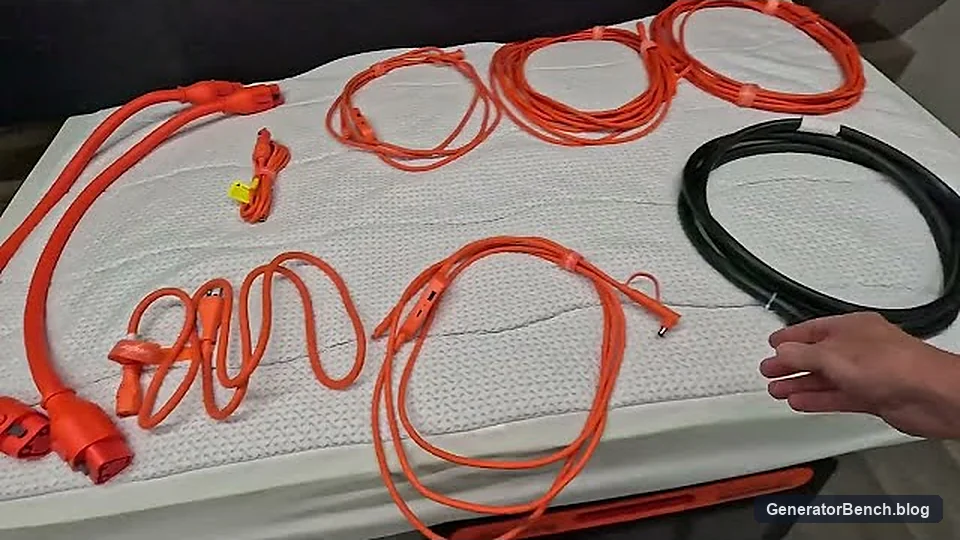
Avoid makeshift adapters that compromise your circuit integrity. Always use molded connectors designed specifically for recreational vehicle electrical loads.
Match your extension cord gauge directly to current draws. Ten-gauge copper wiring handles thirty-amp loads without experiencing dangerous voltage drops.
Inspect every cord for cuts, abrasions, or exposed copper strands. Damaged insulation increases the risk of severe electrical shock in damp conditions.
Keep total cord runs as short as practically possible. Excessive length adds resistance that reduces voltage delivered to your onboard appliances.
- Select weather-resistant outdoor rated power cords.
- Never daisy-chain multiple extension cords together.
- Check plug prongs for signs of thermal scorching.
- Store cords loosely coiled to prevent internal wire breakage.
Executing The Plug In And Startup Procedure
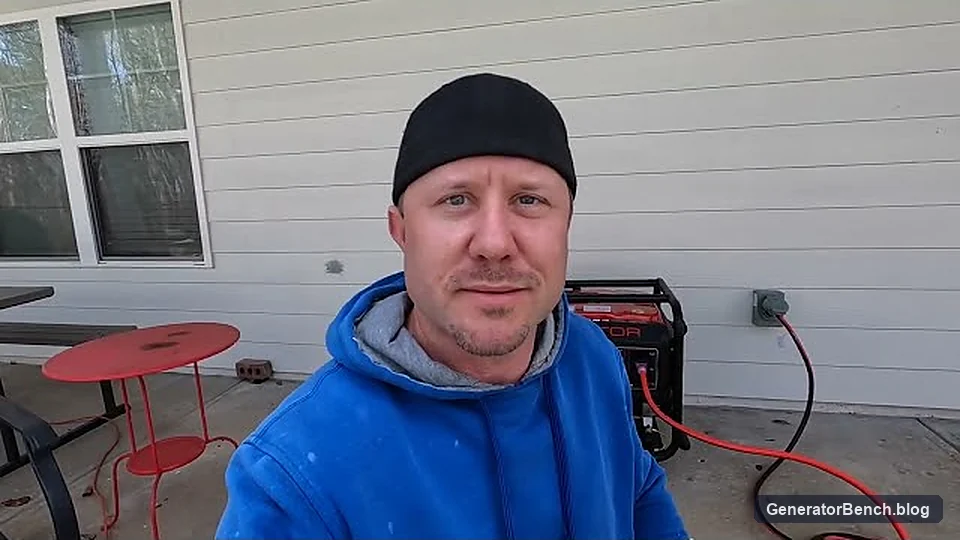
Turn off all major heavy-draw appliances before connecting power. Starting with zero load protects your generator alternator from sudden voltage spikes.
Plug the heavy power cord firmly into the generator receptacle. Twist locking connectors securely to maintain constant electrical contact under vibration.
Start the generator and allow it to reach operating temperature. Verify proper voltage output using a digital multimeter at the outlet face.
Engage the main circuit breaker on the generator control panel. When preparing your rig, choosing the best generator for motorhome deployment ensures completely reliable power delivery.
- Deactivate air conditioners before starting the engine.
- Engage twist-lock plug collars securely in place.
- Allow engine to warm up for three minutes.
- Switch on individual appliance breakers sequentially afterward.
Monitoring Power Quality And Load Management
Keep track of total electrical consumption while appliances run. Overloading individual circuits causes thermal breakers to trip during peak usage hours.
Monitor voltage levels using an installed digital monitoring system. Low voltage conditions can overheat and permanently damage motorized compressor units.
Rotate heavy appliance usage to prevent engine bogging. Consulting our wattage sizing calculator helps manage microwave and air conditioner loads during separate time windows.
Check fuel levels frequently during extended off-grid camping trips. Running out of fuel under load can cause carburetor varnishing issues.
- Track wattage metrics on digital control displays.
- Avoid running multiple high-draw heating elements simultaneously.
- Listen for unusual engine RPM fluctuations under load.
- Refuel only after shutting down and cooling engines.
Troubleshooting Common Electrical Connection Failures
Address unexpected power loss by checking circuit breakers first. Tripped thermal protection switches usually indicate an active overload condition on the line.
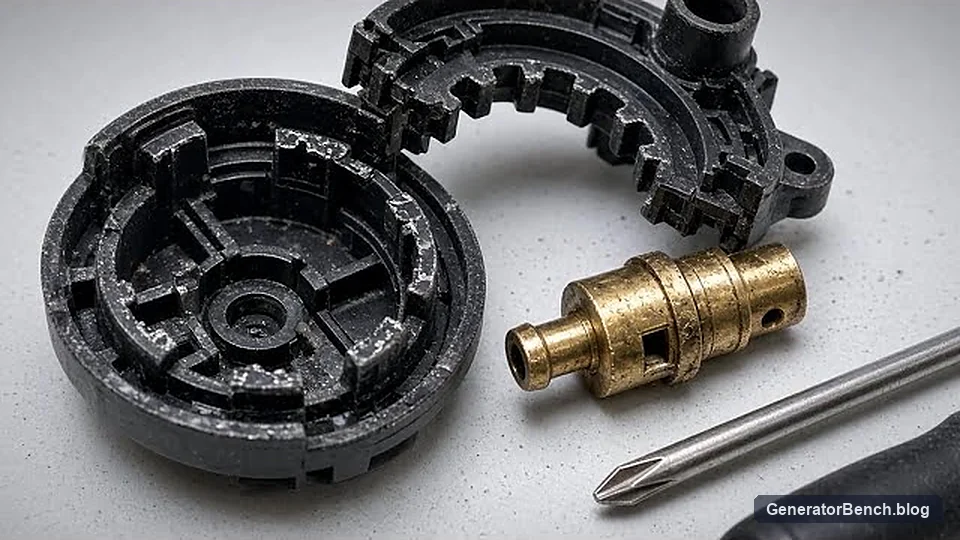
Test outlet voltage if appliances fail to receive proper power. Loose internal wiring terminal screws often cause intermittent power delivery problems.
Inspect grounding connections when experiencing persistent electrical humming noises. Proper earth grounding eliminates stray currents and protects sensitive equipment.
Consult professional technicians if complex inverter fault codes persist. Ignoring persistent electrical faults can lead to costly component failure over time.
- Reset tripped breakers after reducing electrical loads.
- Check terminal screws for secure mechanical tightness.
- Verify generator earth grounding rod placement.
- Record error codes before contacting technical support.
Frequently Asked Questions
Can I run my motorhome air conditioner on a smaller portable generator?
Running a standard thirteen-thousand BTU air conditioner typically requires a portable generator rated for at least three thousand running watts. Always install a soft-start kit on your compressor to significantly reduce initial startup amperage demands and prevent generator stalling.
This critical addition ensures reliable climate control operation without overloading your portable power source during hot weather camping excursions in remote locations.
Why does my generator trip its breaker immediately when plugged in?
Immediate circuit breaker trips usually indicate an active short circuit or an excessive electrical load left running inside your motorhome. Deactivate all internal circuit breakers before plugging your heavy power cord into the generator receptacle.
You should then turn them back on sequentially to safely isolate the specific appliance or heating device causing the unexpected electrical overload condition during startup.
Do I need a separate grounding rod for my motorhome generator?
Portable inverter generators operating independently generally do not require a separate earth grounding rod if supplying a standard RV receptacle directly. Follow local regulatory standards and your equipment manual instructions carefully regarding grounding requirements.
However, connecting to permanent structures or utilizing external transfer switches often mandates a dedicated copper grounding rod installation for operator safety.
What causes voltage drops when connecting my generator to the rig?
Voltage drops are typically caused by using excessively long extension cords or undersized wiring gauges that cannot handle high current demands. Always select true ten-gauge copper cords to maintain proper voltage levels over distance.
Additionally, corroded plug terminals and loose receptacle connections create high electrical resistance points that reduce overall power delivery efficiency significantly over time.
Can I run two smaller generators in parallel to power a large motorhome?
Connecting two identical inverter generators using an approved parallel kit effectively doubles your available electrical amperage output safely. Verify correct model matching and use manufacturer-certified parallel cables to prevent phase cancellation issues.
This configuration provides an excellent balance of high power capability and manageable weight for transport during recreational vehicle travel adventures nationwide.