How To Clean Generator Air Filter: Practical Maintenance Steps
Proper maintenance ensures your portable engine breathes freely during extended outages. Following strict protocols prevents premature internal wear and maximizes operational efficiency.

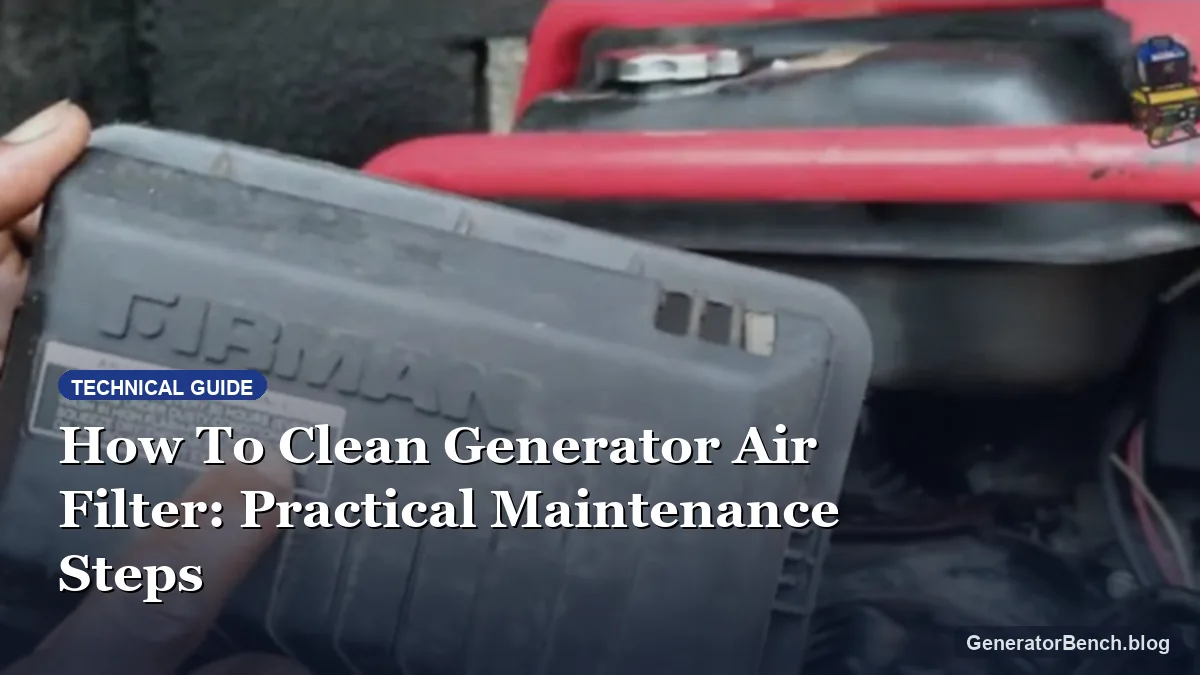
Regular inspection prevents abrasive debris from scoring cylinder walls under load. Always verify element integrity and use approved cleaning agents before reassembly.
Looking for matching picks? See our Best Clean Power Portable Generator.
Practical Quick-Reference Table
| Scenario / Metric | Recommended Target | Why It Matters |
|---|---|---|
| Foam Element Service | Every 100 operating hours | Prevents airflow restriction |
| Dusty Environment Interval | Every 25 operating hours | Stops abrasive particle buildup |
| Cleaning Solvent | Warm water and dish soap | Protects foam structural integrity |
| Filter Oil Viscosity | Dedicated foam filter oil | Captures microscopic dust particles |
| Drying Method | Air dry completely | Avoids moisture ingestion into carburetor |
| Paper Cartridge Rule | Replace when stained | Paper elements cannot be washed safely |
Understanding Portable Generator Filtration Mechanics
Combustion engines require massive volumes of clean air to generate reliable electrical power. Inverter and portable units pull ambient air directly into the combustion chamber under high vacuum pressure.
Airborne contaminants like dust, pollen, and construction debris threaten tight internal tolerances. Without a functional filtration barrier, these abrasive particles rapidly score cylinder walls and ruin piston rings.
Manufacturers design intake systems to balance maximum airflow with superior particulate trapping efficiency. Understanding this dynamic helps operators recognize when standard maintenance is urgently required to prevent damage.
Neglecting intake maintenance drops overall engine efficiency and increases harmful exhaust emissions. Relying on the best clean power portable generator requires keeping all intake pathways clear.
- Engines consume thousands of gallons of air per hour under heavy electrical loads.
- Piston ring wear accelerates exponentially when unfiltered dust enters the combustion chamber.
- Intake restriction forces the carburetor to pull an excessively rich fuel mixture.
- Regular servicing preserves factory fuel economy and extends overall generator lifespan.
The Role of Air-Fuel Ratios in Power Generation
Restricted airflow dramatically alters the precise stoichiometric ratio required for clean combustion. This imbalance leads to carbon buildup on spark plug electrodes and cylinder heads.
Monitoring your exhaust color provides immediate feedback regarding intake restriction severity. Black smoke typically indicates a choked filter starving the carburetor of necessary oxygen.
- Correct air-fuel balance ensures stable voltage output.
- Carburetor jets require clean air to atomize fuel efficiently.
Identifying Element Types And Material Specifications
Units like the best generator for 13500 btu air conditioner utilize distinct filtration materials based on expected environments. Foam elements dominate standard portable designs.
Dual-stage designs combine a coarse outer foam wrap with a fine paper cartridge underneath. This configuration catches large debris first while trapping microscopic dust particles in the inner layer.
Commercial inverter generators often employ pleated paper elements housed inside plastic enclosures. These specialized dry filters require entirely different servicing methods compared to washable foam designs.
Always consult your owner manual to identify your specific material classification before starting. Using incorrect cleaning protocols can permanently destroy specialized filter media within minutes.
- Polyurethane foam elements require washing, drying, and re-oiling.
- Pleated paper cartridges must remain completely dry during routine maintenance.
- Dual-stage assemblies demand separate care for each distinct filtration layer.
- Damaged sealing edges require immediate replacement to prevent unfiltered air leaks.
Recognizing Wear Patterns in Older Foam Elements
Polyurethane foam naturally degrades over many years of exposure to heat and fuel vapors. Brittle or crumbling foam loses its ability to trap dust effectively.
Inspect the bonding seams where glued edges join the structural support frame. Separation at these critical joints allows unfiltered air to bypass the media entirely.
- Check for dry rot and crumbling polyurethane structure.
- Discard any element showing adhesive failure along seams.
Video Walkthrough: Air Filter Maintenance (Open Frame Generators and Inverters)
Required Tools And Personal Safety Equipment
Gathering proper supplies beforehand streamlines your maintenance workflow and prevents unnecessary downtime. Before using a wattage sizing calculator, always ensure your intake elements are thoroughly cleaned.
Protect your hands by wearing chemical-resistant nitrile gloves during the cleaning process. Filter oils and petroleum solvents irritate skin and prove difficult to wash off completely.
Ensure you have a clean workspace with adequate ventilation when handling volatile cleaning solvents. Proper lighting helps you inspect the filter medium for microscopic tears and pinholes.
Keep a clean, lint-free microfiber towel nearby for wiping down the air box housing. Never use workshop rags that shed loose fibers into the intake tract.
- Nitrile gloves protect skin from harsh degreasers and tacky filter oils.
- Dish soap or dedicated foam cleaner breaks down trapped organic grime.
- Clean bucket or basin holds warm water for washing foam elements.
- Lint-free towels prevent secondary contamination inside the air box.
Selecting Safe Chemical Solvents
Harsh petroleum solvents like gasoline or strong lacquer thinner destroy polyurethane foam structure instantly. Always choose mild dish detergent or commercial biodegradable parts cleaners.
Water temperature should remain comfortably warm rather than scalding hot. Excessive heat warps plastic filter frames and degrades the adhesive holding seams together.
- Never use raw gasoline to wash foam elements.
- Keep water temperature below fifty degrees Celsius.
Step-By-Step Extraction And Inspection Protocol
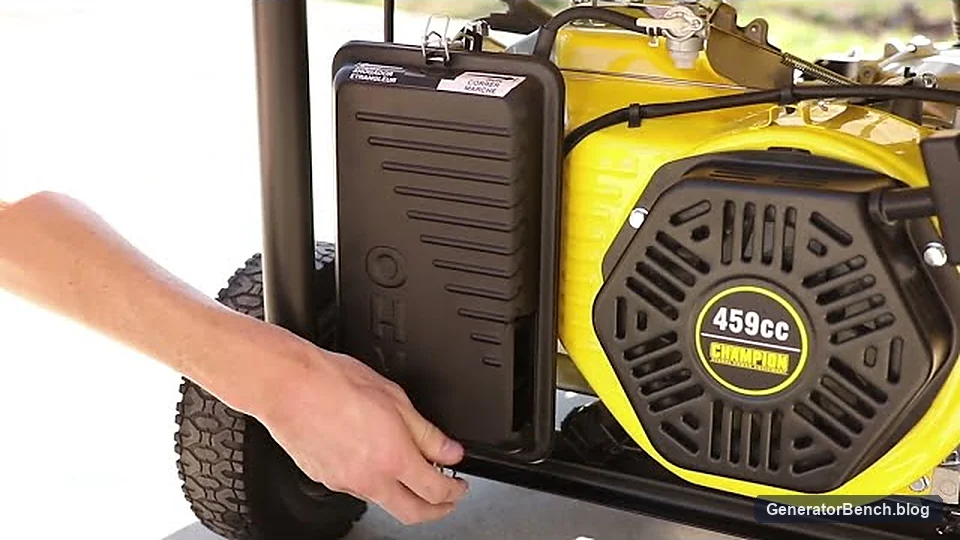
Ensure your unit is completely shut down and cooled before starting maintenance. If you run heavy loads using the best generator for rv air conditioner, checking your air filter is critical.
Carefully release the cover fasteners while preventing loose surface dust from falling inward. Lift the housing cover away and set it aside in a clean, protected location.
Gently extract the filter element from its mounting recess with minimal twisting force. Immediately plug the carburetor intake opening with a clean shop towel to block falling debris.
Inspect the removed element under bright light to identify hidden tears or punctures. Check the sealing rubber flanges for cracks that could compromise the airtight seal.
- Verify the engine switch is off before touching intake components.
- Cover the open carburetor throat immediately after filter removal.
- Examine the element against a light source for small punctures.
- Inspect the housing interior for accumulated dirt or oil residue.
Cleaning Procedures For Foam Filter Elements
Submerge your extracted foam element into a basin filled with warm soapy water. Work the liquid gently through the pores by squeezing the material repeatedly without twisting.
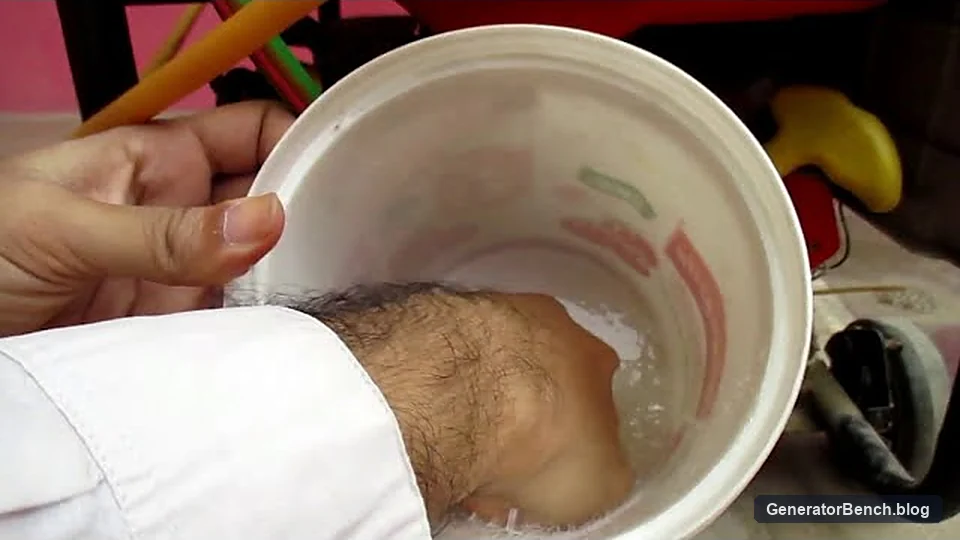
Allow the soapy solution to dissolve trapped oil and embedded carbon dust particles. Watch the water turn dark gray as heavy contaminants release from the polyurethane structure.
Rinse the element thoroughly under running tap water until all soap suds disappear. Squeeze the foam gently between your palms to force out dirty rinse water completely.
Never wring or twist the foam element aggressively during the drying phase. Vigorous twisting tears the delicate cellular walls and ruins the filtration integrity.
- Squeeze the foam gently to circulate soapy cleaning water.
- Rinse thoroughly until water runs completely clear and clean.
- Avoid aggressive wringing or twisting to prevent structural tearing.
- Allow the element to air dry completely before applying oil.
Achieving Complete Moisture Evaporation
Trapped water remaining inside the foam creates a barrier against fresh filter oil. Set the washed element on a dry towel in a well-ventilated area.
Accelerate evaporation using ambient air movement rather than direct artificial heat. Hairdryers or heat guns melt polyurethane foam and invalidate structural safety margins.
- Air dry the foam element for several hours naturally.
- Never apply direct high heat from thermal sources.
Video Walkthrough: How to Clean a Generator Air Filter (and Why You Should)
Re-Oiling Techniques And Saturation Standards
Dry foam elements lack the tacky viscosity required to trap microscopic dust particles effectively. Applying dedicated foam filter oil creates an electrostatic and sticky barrier.
Pour a small amount of specialized foam oil directly into the dry element. Massage the liquid thoroughly throughout the entire matrix until uniform color is achieved.
Squeeze out any excess pooling oil by pressing the element inside a clean towel. The foam should feel evenly damp and tacky without dripping liquid when suspended.
Distribution consistency dictates overall filtration performance during dusty operating conditions. Uneven saturation leaves unprotected gaps where airborne grit bypasses the barrier.
- Use dedicated tacky foam oil designed for small engines.
- Massage the liquid uniformly throughout all internal pores.
- Blot excess oil with a clean lint-free paper towel.
- Ensure zero dripping occurs before reinstalling the assembly.
Servicing Paper Cartridge And Dual-Stage Filters
Dry paper filter cartridges demand a completely different approach during routine maintenance. Never attempt to wash paper pleats with water or chemical cleaning solvents.
Hold the cartridge upright and tap it gently against a flat wooden surface. This action dislodges loose surface dust trapped between the delicate paper pleats.
Use compressed air at low pressure to blow trapped debris outward from inside. Maintain a safe nozzle distance of at least six inches to prevent tearing paper.
Examine the pleated media closely under bright illumination for deep discoloration. Replace any paper cartridge showing oil saturation, moisture damage, or structural tears.
- Keep paper elements entirely dry during all service steps.
- Tap gently to release loose dirt from pleat valleys.
- Apply low-pressure compressed air from the clean side outward.
- Discard contaminated paper filters immediately upon heavy staining.
Reinstallation And Post-Service Operational Testing
Remove the protective shop towel from the carburetor intake throat carefully. Inspect the mounting surface to ensure no dirt migrated past during the cleaning procedure.
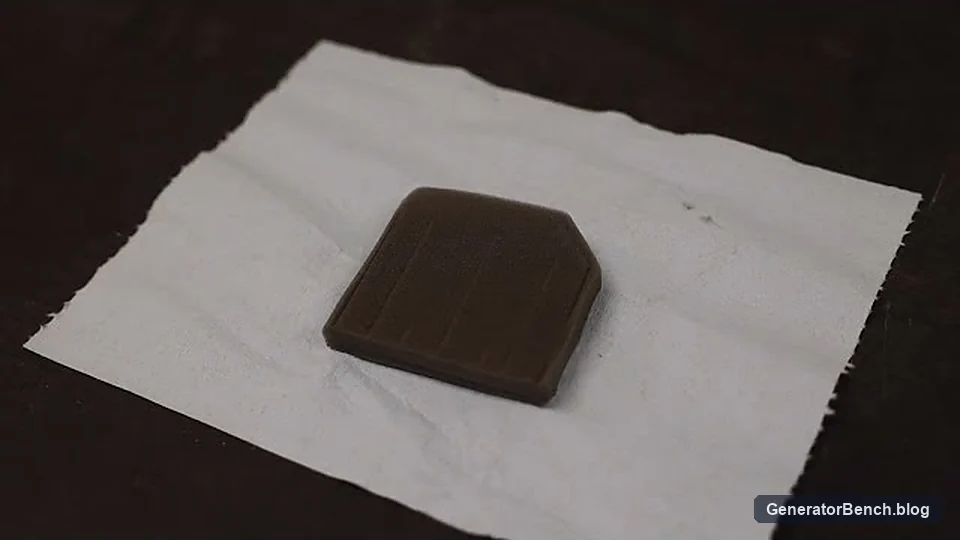
Position the serviced filter element correctly within its designated housing recess. Verify that all sealing edges seat flush against the plastic mating walls without pinching.
Reattach the air box cover and secure all retaining clips or screws firmly. Confirm that no gaps exist around the perimeter of the sealed enclosure.
Start your generator outside and listen closely for smooth idle performance. A properly sealed intake system ensures stable engine operation under variable electrical loads.
- Remove temporary intake blockades before final assembly.
- Verify flush seating along all filter housing borders.
- Tighten enclosure fasteners securely without stripping threads.
- Run a brief operational test outdoors to confirm stability.
Frequently Asked Questions
How often should I clean my portable generator air filter?
Service foam elements every one hundred operating hours under normal conditions. Dusty jobsite environments require more frequent inspections every twenty-five hours to prevent premature engine wear.
Can I use regular motor oil instead of foam filter oil?
Standard motor oil lacks the tacky additives needed to trap fine dust effectively. Always use dedicated foam filter oil to ensure microscopic particles do not migrate into the engine.
What happens if I run my generator without an air filter?
Unfiltered air allows abrasive dust particles to score cylinder walls immediately. This contamination accelerates piston ring wear and leads to severe loss of engine compression.
Is it safe to wash paper air filters with soap and water?
Paper elements disintegrate and lose structural integrity when exposed to moisture. You must replace paper cartridges with new replacement parts rather than attempting to wash them.
Why is my generator smoking black after cleaning the filter?
Excess residual oil restricting airflow or an over-saturated foam element causes rich combustion. Allow extra drying time and blot excess oil thoroughly with a clean shop towel.