How Often To Change Oil In Onan Rv Generator
Maintaining your Cummins Onan RV generator requires strict adherence to oil change schedules. Proper lubrication prevents premature engine wear during cross-country trips.

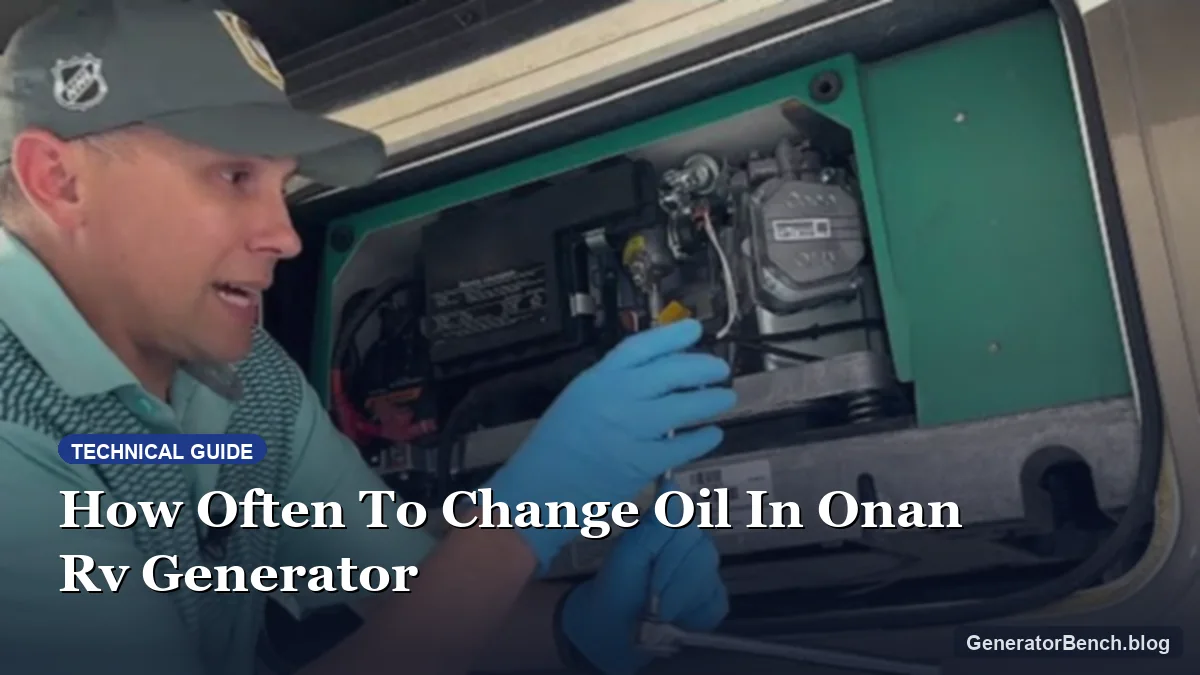
Change your Onan RV generator oil every 150 operating hours or at least once annually. Always verify your specific model manual for exact capacity and viscosity requirements.
Looking for matching picks? See our Best Generator For Rv.
Practical Quick-Reference Table
| Scenario / Metric | Recommended Target | Why It Matters |
|---|---|---|
| Standard Service Interval | Every 150 Hours | Prevents lubricant breakdown and thermal stress. |
| Break-In Interval | First 20 to 30 Hours | Removes microscopic metal shavings from new machining. |
| Dusty Environments | Every 50 to 75 Hours | Contaminants degrade oil viscosity much faster. |
| Storage Preparation | Prior to Long Storage | Protects internal bearings from acidic combustion byproducts. |
| Oil Viscosity (Normal) | SAE 15W-40 | Provides stable film strength across varied temperatures. |
| Oil Viscosity (Cold) | SAE 5W-30 | Ensures proper cold-weather cranking and immediate lubrication. |
Standard Service Intervals For Cummins Onan Generators
Determining how often to change oil in onan rv generator models depends heavily on operating hours. Most standard RV units require fresh fluid every 150 hours of active running time.
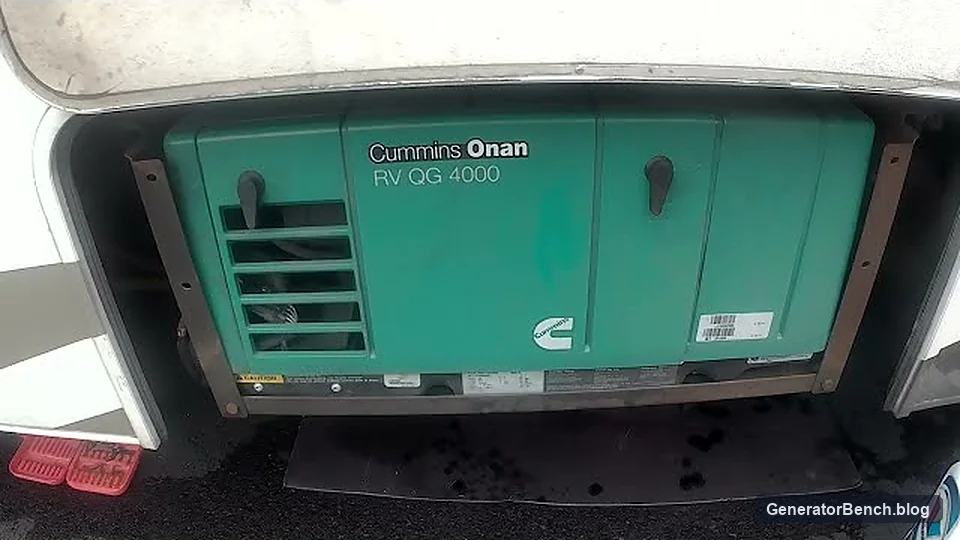
Calendar time matters just as much as cumulative runtime for stationary motorhomes. Changing the fluid annually ensures that chemical breakdown and trapped moisture do not corrode vital internal components.
Commercial mobile units and full-time RVers often hit hour thresholds much faster than weekend campers. Monitoring your hour meter closely prevents you from accidentally exceeding maximum lubrication limits.
Operating in extreme ambient temperatures accelerates thermal oxidation of standard mineral oils. High heat demands proactive scheduling to maintain adequate film strength on cylinder walls and bearings.
- Track cumulative runtime using the digital control panel.
- Perform seasonal maintenance before major road trips.
- Inspect fluid condition visually on the dipstick weekly.
- Log every maintenance date and hour reading accurately.
Initial Break-In Requirements
Brand new Onan generators require an initial fluid replacement much sooner than routine intervals. You must drain the factory fill after the first 20 to 30 hours of operation.
This early service flushes out microscopic metal burrs generated during initial engine manufacturing. Skipping this critical step introduces abrasive debris into precision oil pump clearances.
- Complete initial service strictly before 30 hours.
- Replace the spin-on filter during break-in.
Environmental Factors Affecting Lubricant Longevity
Severe environmental conditions alter service intervals, reminding owners to maintain backup power units like a best home emergency generator. Dusty desert campsites force microscopic grit past filtration barriers rapidly.
When operating in high-dust regions, cut your standard service intervals cleanly in half. Fresh fluid prevents suspended abrasive particles from scoring your precision cylinder liners prematurely.
High humidity and coastal salt spray introduce corrosive moisture into unsealed crankcases. Frequent thermal cycling draws ambient air inward, condensing water droplets directly inside the stagnant oil pan.
Sub-freezing winter conditions demand specialized synthetic oils to ensure reliable cold-weather starting. Heavy conventional weights can congeal, starving the upper valve train of immediate oil pressure.
- Halve service intervals in heavy dust or sand.
- Check for milky discoloration indicating water contamination.
- Use synthetic formulations for extreme cold weather.
- Clean exterior cooling fins to prevent overheating.
Video Walkthrough: ONAN CUMMINS 4000 RV GENERATOR | OIL CHANGE
Selecting Correct Oil Viscosity And Specifications
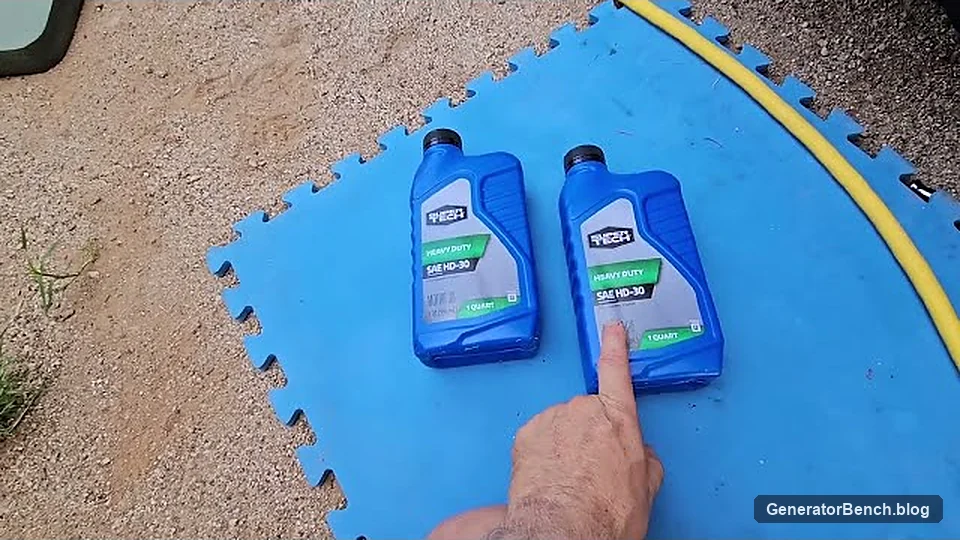
Choosing the correct fluid specification is just as vital as selecting a reliable best household generator for backup power. Cummins mandates strict API performance ratings for all engines.
Traditional mineral oils like SAE 15W-40 serve well in moderate ambient temperatures. They maintain robust boundary lubrication properties when your motorhome generator operates under heavy electrical loads.
Modern multi-grade synthetic alternatives offer superior thermal stability across wider temperature swings. Synthetic compounds resist high-temperature varnish buildup and maintain consistent flow characteristics.
Always consult your exact equipment manual to match the ambient temperature chart. Using improper weights can lead to excessive oil consumption or catastrophic bearing failure under load.
- Match API service ratings specified by Cummins.
- Verify multi-grade ratings for ambient ranges.
- Avoid mixing different brands or oil types.
- Check oil certification seals before pouring.
Performing The Complete Fluid Drain Procedure
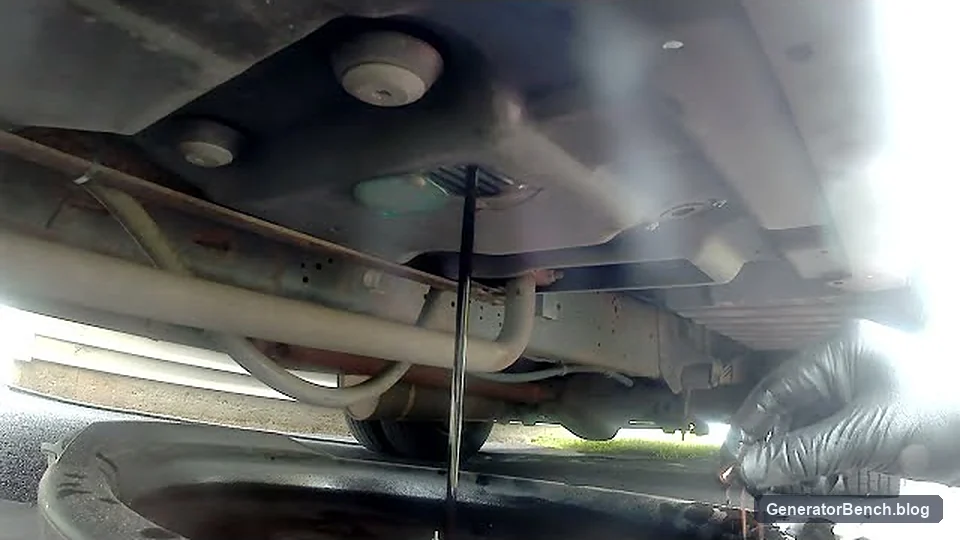
Executing a proper oil change requires warming up your engine, unlike maintenance-free alternatives such as a best solar electric generator. Warm fluid flows freely, carrying away suspended carbon soot efficiently.
Always position a secure catch pan beneath the designated drain plug before loosening hardware. Protect your hands with heavy-duty work gloves to prevent burns from hot engine components.
Inspect the magnetic drain plug for excessive metallic fuzz or large metal flakes. Clean the threaded area thoroughly and replace the crush washer to guarantee a leak-free seal.
Torque the drain plug carefully to manufacturer specifications to avoid stripping aluminum oil pan threads. Over-tightening is a common DIY mistake that leads to costly component replacements later.
- Warm the engine briefly before draining fluid.
- Wear protective thermal gloves during service.
- Inspect magnetic plugs for metal fragments.
- Torque drain plugs to factory specifications.
Filter Replacement And Crankcase Capacity Rules
Replacing the oil filter during every single fluid change is an absolute technical necessity. Old filters retain trapped contaminants that instantly dirty your fresh lubricant supply.
Apply a thin film of clean oil to the rubber gasket of the new filter. This ensures proper sealing torque and prevents the gasket from sticking during subsequent removals.
Verify the exact crankcase capacity listed in your specific Onan model specification manual. Overfilling the crankcase causes aeration, foaming, and a subsequent drop in vital oil pressure.
Underfilling leaves upper valvetrain components starved of lubrication during high-output operation. Always check the dipstick multiple times after refilling to confirm an accurate fluid level measurement.
- Always replace the spin-on filter simultaneously.
- Lubricate new rubber gaskets with clean oil.
- Measure exact fluid capacity to avoid overfilling.
- Verify final levels using the dipstick gauge.
Video Walkthrough: Onan QG 5500 generator Oil Change Service
Post-Service Testing And Leak Inspection Protocols
After completing the fluid and filter swap, verify your total electrical draw using our wattage sizing calculator before applying loads. Start the generator and let it idle smoothly for two minutes.
Carefully inspect both the drain plug and filter seating surface for any active leaks. Catching minor seepage immediately prevents unexpected oil loss while driving down the highway.
Monitor the generator control panel for normal operating indicators and stable voltage output. Listen closely for any unusual mechanical knocking noises indicating improper internal oil pressure.
Shut down the engine, wait five minutes for oil to settle, and recheck the dipstick. Top off any minor deficit to ensure your oil level sits perfectly at full.
- Run the generator at idle for two minutes.
- Inspect filter and plug areas for leaks.
- Listen for unusual mechanical valve noise.
- Recheck dipstick levels after engine shutdown.
Long-Term Storage And Preservation Maintenance
Preparing your RV generator for seasonal storage requires special attention to oil condition. Used oil contains acidic combustion byproducts that etch internal bearings if left stagnant for months.
Perform a complete oil and filter change immediately before placing your motorhome into storage. Fresh fluid coats internal steel surfaces, providing a protective barrier against atmospheric oxidation.
Exercise the generator monthly during storage periods if climate conditions permit safe operation. Running the unit brings operating temperatures up, boiling off any accumulated internal crankcase moisture.
Maintaining a strict maintenance log ensures you never lose track of your next service due date. Consistent record-keeping preserves your investment and guarantees reliable emergency power on demand.
- Change oil prior to extended seasonal storage.
- Exercise generators monthly during storage periods.
- Maintain a detailed physical maintenance log.
- Protect exhaust ports from moisture intrusion.
Troubleshooting Common Lubrication System Anomalies
Recognizing early warning signs of lubrication failure protects your generator from catastrophic internal damage. Low oil pressure shutdowns indicate potential pump wear or severely restricted filter elements.
If your generator shuts down unexpectedly, check the oil level indicator immediately. Never attempt to restart or bypass safety switches without diagnosing the root cause of the fault.
Foamy or milky oil appearance on the dipstick points toward severe internal coolant leaks. Addressing gasket failures promptly prevents total engine seizure during remote camping excursions.
Unusual valve train ticking noises often signify delayed oil delivery during cold morning startups. Upgrading to a lighter synthetic viscosity resolves this temporary lubrication delay effectively.
- Never bypass low oil pressure safety switches.
- Investigate milky oil for internal moisture.
- Replace clogged filters immediately upon inspection.
- Address unusual valve noises without delay.
Frequently Asked Questions
What happens if I exceed the 150-hour oil change interval on my Onan generator?
Exceeding recommended service hours causes severe thermal breakdown and chemical additive depletion within your engine lubricant supply during heavy usage.
This persistent operational neglect leads directly to accelerated cylinder wear and can cause catastrophic internal engine failure during your travels, so you must always carefully track your operating hour meter to ensure long-term reliability.
Can I use automotive motor oil in my Cummins Onan RV generator?
Automotive motor oils frequently lack the specific heavy-duty detergent and shear-stable additive packages required for stationary air-cooled or liquid-cooled small engines under heavy loads.
You must always select alternative oils that meet the exact API specifications outlined in your specific Cummins Onan operator manual to guarantee proper protection and warranty compliance.
How do I know if my Onan generator oil is contaminated with fuel or water?
Fuel contamination typically results in a noticeable gasoline odor and an abnormally thin fluid consistency on your dipstick during routine checks.
Water contamination causes a milky or cloudy appearance, requiring an immediate complete system flushing and thorough diagnostic inspection before you ever attempt running your generator engine again safely.
Should I change the oil filter every single time I change the oil?
Replacing the spin-on filter during every single fluid change is an absolute technical requirement for maintaining long-term engine longevity under heavy loads.
Old filters trap microscopic carbon particles and metal debris that will instantly contaminate your fresh oil supply, rendering the entire maintenance service much less effective overall if left unchanged.
What is the proper procedure for checking the oil level correctly?
Park your motorhome on a completely level surface and ensure the generator has been shut off for at least five minutes to let oil settle completely.
Remove the dipstick, wipe it clean, reinsert it fully without screwing it in, and verify the fluid reaches the designated full mark before starting up the engine.