How Much Portable Generator Do I Need
Calculating your power requirements prevents overloads and protects sensitive electronics. Proper sizing ensures reliable emergency operation during sudden utility outages.


Always sum your running watts and add surge capacity for motor-driven appliances. Check your total starting watts before selecting a portable power unit.
Looking for matching picks? See our Best Portable Electric Generator.
Practical Quick-Reference Table
| Scenario / Metric | Recommended Target | Why It Matters |
|---|---|---|
| Basic Refrigerator | 700W Running / 2200W Starting | Manages compressor surge without tripping internal overloads. |
| Well Pump System | 1000W Running / 4000W Starting | Accounts for heavy inductive motor startup demands. |
| Safety Buffer Margin | Plus 20% Total Capacity | Prevents engine strain and extends alternator lifespan. |
| Exhaust Clearance | Minimum 20 Feet Distance | Prevents lethal carbon monoxide accumulation inside living spaces. |
| Operating Load | 50% to 75% Capacity | Optimizes fuel efficiency and reduces mechanical wear. |
| Grounding Standard | Dedicated Copper Rod | Eliminates shock hazards during wet weather conditions. |
Calculating Running Versus Starting Wattage Demands
Determining generator capacity requires distinguishing between continuous running watts and momentary starting watts. Inductive loads demand higher initial power to spin heavy electric motors safely.
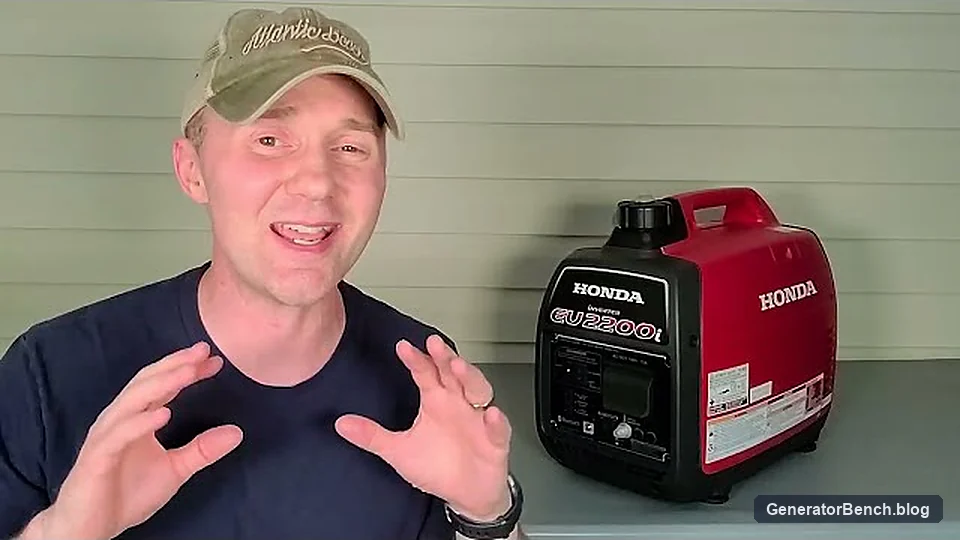
Continuous wattage represents the steady electrical draw of running devices like refrigerators or lights. Exceeding this limit causes thermal overloads and trips internal circuit breakers.
Starting watts account for the heavy electrical spike occurring the moment a compressor engages. Ignoring this surge leads to stalled equipment and potential winding damage.
Manufacturers stamp these electrical ratings directly on appliance specification plates or serial badges. Always record both values to build an accurate cumulative power inventory.
Understanding running wattage requires summing the continuous power draw of all appliances operating simultaneously on your circuit. Always check equipment data plates for exact amperage and voltage specifications to prevent overloads.
Starting wattage demands involve transient spikes when electric motors initially spin up. You must account for this surge capacity because compressors need up to three times their baseline power to overcome rotational inertia.
Portable generators feature distinct continuous and surge ratings listed in their user manuals. Exceeding these thresholds trips internal circuit breakers or damages the alternator windings through excessive heat generation during extended appliance startup sequences.
Document every appliance you plan to power during an outage before purchasing equipment. Grouping these loads logically ensures your selected unit handles both steady-state demands and temporary surges without experiencing voltage drop or stalling.
- Check appliance nameplates for running and starting wattage specifications.
- Never assume all motorized devices require identical surge multipliers.
- Document exact electrical draws rather than relying on rough estimates.
- Separate critical emergency loads from non-essential convenience electronics.
Understanding Inductive Versus Resistive Loads
Resistive loads like incandescent bulbs and heating elements require constant, predictable power without surges. Their running and starting requirements remain identical during standard operation.
Inductive loads contain copper windings and electric motors that create magnetic fields. These components demand triple their baseline wattage during initial startup sequences.
- Resistive devices feature equal running and starting wattage totals.
- Inductive compressors require significant surge headroom during startup cycles.
Analyzing Essential Household Appliance Electrical Loads
Prioritizing essential circuits prevents overloading our recommended best portable electric generator models during grid failures. Essential equipment typically includes refrigeration, sump pumps, and medical devices.
A standard household refrigerator consumes about seven hundred running watts alongside dramatic surge demands. Accounting for these spikes keeps your food safe without tripping breakers.
Well pumps and furnace blowers introduce complex electrical loads requiring careful capacity management. Listing these heavy devices first establishes your minimum baseline power requirement.
Lighting circuits and small device chargers draw minimal continuous power across standard residential spaces. Grouping these loads efficiently preserves valuable generator capacity for large motors.
Refrigerator compressors draw roughly 1,200 starting watts while consuming only 200 running watts. Factor in these cycling intervals because multiple motorized appliances can trigger simultaneous surges that overwhelm smaller portable generator models.
Gas furnace blowers require approximately 800 running watts to circulate warm air through ductwork. Ensure your generator provides clean power with low total harmonic distortion to protect sensitive digital thermostats and control boards.
Sump pumps demand heavy electrical loads to expel rising groundwater during severe storms. A standard one-third horsepower pump needs nearly 1,300 starting watts, requiring dedicated circuit allocation on your manual transfer switch setup.
Lighting circuits and small medical devices add minimal continuous load to your overall calculations. Standard LED bulbs consume under 15 watts, allowing generous capacity for crucial communication tools like smartphones and emergency radios.
- List every appliance you plan to power during an outage.
- Prioritize refrigeration, water systems, and basic heating equipment above all.
- Group low-draw LED lighting and communication devices into single circuits.
- Avoid running heavy luxury appliances during emergency generator operations.
Video Walkthrough: Search filters
Accounting for Motor Surge and Inductive Loads
Electric motors demand an initial surge of electricity to overcome rotational inertia at startup. This momentary spike often reaches triple the baseline running wattage requirement.
Air conditioner compressors represent the largest single inductive load in most residential homes. Failing to calculate this surge leaves your system unable to cycle properly.
Staggering the startup times of multiple motorized appliances prevents sudden generator stalls. Manual sequencing protects sensitive equipment from damaging voltage drops under heavy loads.
Modern inverter generators handle surges better through advanced digital throttle and alternator control. However, physical capacity limits still apply to total combined inductive loads.
Inductive loads containing electromagnetic coils create severe electrical lag during startup phases, unlike systems found in the best portable solar power generator setups. This phase shift forces your unit to deliver higher apparent power.
Air conditioning units represent the ultimate inductive test for portable generators. Window units often demand 3,500 starting watts, requiring heavy-duty extension cords rated for outdoor use and proper wire gauge thickness.
Soft-start kits installed on central air compressors reduce electrical startup surges by up to 65 percent. This mechanical upgrade allows smaller inverter generators to manage heavy inductive motor loads without experiencing catastrophic engine stalls.
Always stagger the activation of motorized appliances to prevent cumulative surge stacking. Allowing each compressor or pump to stabilize before starting another protects your engine alternator from severe thermal overload and voltage spikes.
- Apply a three-times multiplier for standard electric motor starting surges.
- Stagger appliance startup sequences to minimize instantaneous electrical strain.
- Never start multiple heavy compressors simultaneously on smaller portable units.
- Monitor frequency meters to detect impending engine overload conditions.
Evaluating Fuel Type and Runtime Performance Factors
Gasoline provides high energy density but degrades quickly inside small engine carburetors over time. Dual-fuel models allow seamless switching between gasoline and clean-burning propane options.
Propane offers indefinite storage life and produces fewer emissions during prolonged emergency operation periods. However, propane delivers slightly lower total energy output than liquid gasoline.
Fuel consumption rates scale directly with the electrical load placed on the generator alternator. Running at half capacity significantly extends your available runtime between refueling intervals.
Maintaining adequate fuel reserves prevents dangerous interruptions during extended utility infrastructure failures. Always store combustible fuels in approved containers away from living spaces.
Gasoline offers high energy density but suffers from rapid fuel degradation within thirty days. Storing fuel requires proper chemical stabilizers and approved containers to prevent carburetor varnish buildup during extended storage periods between power outages.
Propane provides indefinite shelf life and cleaner emissions, reducing overall engine wear significantly. However, burning propane drops generator output capacity by roughly ten percent compared to running on standard gasoline fuel.
Dual-fuel generators offer exceptional versatility by letting users switch between gasoline and propane seamlessly. Calculating fuel consumption rates at fifty percent load helps estimate exact runtime hours before requiring tank refills or swaps.
Natural gas hookups provide uninterrupted fuel delivery during prolonged utility failures without manual refueling. Verify pipe diameter and pressure requirements with your utility provider to ensure adequate cubic feet per hour flow rates.
- Calculate runtime requirements based on fifty percent load thresholds.
- Store fresh gasoline with chemical stabilizers to prevent carburetor gumming.
- Keep extra propane cylinders secured in well-ventilated outdoor enclosures.
- Match fuel availability to your anticipated emergency duration timelines.
Step-by-Step Load Calculation and Balancing Worksheet
Creating a physical spreadsheet helps you tally total running and starting wattage accurately. Sum all continuous running watts to find your foundational continuous power baseline.
Identify the single largest starting wattage among your selected motor-driven appliances. Add this maximum surge figure to your cumulative running wattage total to find capacity.
Distribute electrical loads evenly across separate 120-volt generator outlets to maintain phase balance. Uneven phase distribution can cause internal alternator overheating and premature equipment failure.
Add a twenty percent safety buffer to your final tally using our wattage sizing calculator. This reserve prevents running the generator at maximum capacity and reduces mechanical wear.
Begin your calculation worksheet by listing every essential appliance and its corresponding wattage requirements. Sum all running watts together to establish the absolute minimum continuous power baseline needed for your household during emergencies.
Identify the single largest motor starting wattage on your list and add that figure to your baseline. This mathematical approach prevents under-sizing by accounting for the highest single motor surge event expected during operation.
Apply a twenty percent safety margin to your final wattage sum to account for environmental variables. Higher ambient temperatures and elevated operational altitudes reduce internal combustion engine output, directly impacting your available generator capacity.
Balance 120-volt and 240-volt loads across dual-pole breakers to prevent overheating within the control panel. Uneven phase loading strains the stator windings and causes premature voltage regulation failure in conventional portable units.
- Sum all continuous running watts for every selected appliance.
- Find the single largest motor starting surge in your list.
- Add running watts and the maximum surge together for sizing.
- Include a twenty percent safety margin for equipment longevity.
Avoiding Common Sizing and Operational Mistakes
Purchasing an oversized generator wastes fuel and causes carbon buildup from under-loading. Conversely, undersized units suffer from frequent thermal overloads and stalled motors.
Ignoring altitude adjustments leads to severe power loss in naturally aspirated small engines. High elevations require smaller carburetor main jets to restore proper air-fuel ratios.
Running ungrounded portable generators risks severe electrical shock during wet weather conditions. Always drive a dedicated copper grounding rod into the earth near the unit.
Neglecting routine oil changes drastically shortens engine lifespan during continuous disaster recovery operations. Follow strict hourly maintenance intervals specified in the manufacturer manual.
Many homeowners rely on rough estimates rather than checking physical appliance data plates. This oversight frequently results in purchasing undersized generators that trip internal breakers instantly upon starting heavy refrigerator compressor motors.
Neglecting altitude adjustments leads to severe power loss when using the best portable generator for home backup power. Engines lose roughly three percent of their rated capacity for every 1,000 feet of elevation gain.
Running extension cords through closed windows creates dangerous pinch points and compromises insulation safety. Always use heavy-duty, weather-rated power cords sized correctly for your total amperage draw to prevent electrical fires.
Forgetting to ground portable generators properly exposes operators to severe electrical shock hazards. Drive a copper grounding rod into the earth and connect it securely to the designated frame terminal before starting operation.
- Avoid buying oversized units that run inefficiently under light loads.
- Account for altitude-induced power loss when camping in mountains.
- Always connect a proper grounding rod before operating your generator.
- Track running hours meticulously to schedule timely oil and filter changes.
Maintaining Safety Protocols and Proper Ventilation
Carbon monoxide emissions pose a lethal hazard during portable generator operation near living areas. Position the unit at least twenty feet away from open windows.
Never operate combustion engines inside enclosed garages, sheds, or partially sealed patio spaces. Accumulating exhaust gases can cause rapid unconsciousness and fatal poisoning outcomes.
Protect electrical connections from rain and snow using heavy-duty, weather-rated extension cords. Wet outlets cause catastrophic short circuits and pose severe electrocution risks to operators.
Allow hot exhaust components to cool completely before attempting refueling or maintenance tasks. Splashing gasoline onto hot muffler surfaces triggers immediate and destructive engine fires.
Carbon monoxide poisoning remains a lethal hazard associated with improper portable generator placement. Always operate units outdoors at least twenty feet away from structures with the exhaust pointing away from windows and doors.
Install battery-operated carbon monoxide detectors on every level of your home before running backup equipment. Regularly test alarm batteries to ensure reliable warning protection against odorless combustion exhaust gases accumulating near living spaces.
Protect your generator from heavy rain and snow using a specialized running tent enclosure. Never operate unshielded units in damp conditions without maintaining adequate airflow clearances for proper engine cooling and ventilation.
Allow hot engines to cool completely before refueling with volatile gasoline or performing maintenance tasks. Spilling fuel onto hot exhaust components causes instant ignition fires, risking severe personal injury and property damage losses.
- Keep generators twenty feet away from all doors and windows.
- Never run combustion engines inside garages or enclosed spaces.
- Use heavy-duty, rated extension cords designed for outdoor wet conditions.
- Let engines cool completely before adding fuel to the tank.
Frequently Asked Questions
How do I calculate total wattage needs?
Sum the running watts of all target appliances and add the highest starting surge from your motors. This combined total determines your minimum generator capacity requirement.
Can I run sensitive electronics on a standard generator?
Standard portable generators produce higher total harmonic distortion that can damage computers. Always select an inverter generator when powering sensitive modern electronic equipment.
Why do electric motors require extra starting power?
Electric motors demand massive initial current to overcome rotational inertia from a dead stop. This inductive surge typically requires triple the running wattage temporarily.
How does altitude affect generator power output?
Thinner air at higher elevations reduces small engine combustion efficiency significantly. Expect a three percent power loss for every thousand feet of elevation gain.
What is the safest distance for generator placement?
Position your portable unit at least twenty feet away from structures with the exhaust pointing outward. This prevents deadly carbon monoxide gas from entering living spaces.