How Much Is Firman Generator Small Size Specs & Options
Evaluating compact portable power units requires analyzing rated wattage outputs, engine displacement metrics, and local structural market variations without relying on direct commercial figures.


Small portable units typically feature 1,000 to 2,500 running watts depending on inverter technology. Always calculate your exact running and starting surge loads before assessing hardware investments.
Looking for matching picks? See our Best Small Electric Generator.
Practical Quick-Reference Table
| Scenario / Metric | Recommended Target | Why It Matters |
|---|---|---|
| Starting Wattage | 1,000 - 2,000 W | Powers basic emergency lights and phone chargers safely. |
| Engine Displacement | 79cc - 120cc | Balances portability with adequate mechanical output. |
| Fuel Capacity | 1.0 - 1.5 Gallons | Provides 5 to 8 hours of continuous runtime. |
| Noise Level | 52 - 58 Decibels | Ensures quiet operation during outdoor camping trips. |
| THD Rating | Under 3 Percent | Protects sensitive laptops and medical equipment from damage. |
| Operational Distance | 20 Feet Minimum | Prevents dangerous carbon monoxide accumulation indoors. |
Evaluating Small Firman Generator Output Classes
Compact portable hardware from this brand spans multiple distinct displacement classes. Understanding engine size helps you match specific wattage requirements for emergency backup or outdoor recreational applications accurately.
The smallest inverter models often anchor our best small generator for home options, delivering roughly one thousand starting watts. These lightweight units utilize advanced inverter modules for clean sinusoidal current.
Stepping up slightly introduces dual-fuel capability running on gasoline or propane. This versatility alters physical weight distributions and overall fuel efficiency metrics across diverse operational environments.
Technical sizing demands an inventory of every appliance motor. Using our generator wattage sizing calculator helps account for induction motors requiring substantial surge wattage during initial compressor startup phases.
Compact Firman models typically range from 1,000 to 2,500 watts, delivering reliable portable electricity for recreational vehicles, tailgating, and essential emergency appliance backups during unexpected grid failures or blackouts.
Understanding running wattage versus starting surge capacity ensures you never overload the alternator windings, protecting sensitive electronics from voltage drops and harmonic distortion during heavy motor startup sequences.
Inverter classes produce clean pure sine wave power with less than three percent total harmonic distortion, making them safe for modern smartphones, laptops, and medical CPAP machines without conditioning hardware.
Open-frame portable units offer higher baseline amperage at lower price points, though their acoustic dampening is less sophisticated, often exceeding 65 decibels at a standard twenty-foot operational distance.
- Match rated wattage to critical household appliances.
- Account for high motor starting surge demands.
- Evaluate dual-fuel options for flexible operation.
- Prioritize lightweight designs for easy transport.
Analyzing Inverter Versus Conventional Frames
Inverter generators enclose alternators in sound-dampening shells while converting high-frequency AC to DC and back. This design reduces total harmonic distortion below three percent for sensitive gear.
Conventional open-frame portables offer higher baseline power at lower initial production investments. However, they generate significantly higher decibel noise levels during continuous rated load testing.
- Inverters protect delicate microprocessors effectively.
- Open-frame units deliver raw mechanical output.
- Shell enclosures reduce overall operational noise.
Engine Displacement And Technical Specifications
Engine displacement directly correlates with mechanical power generation and fuel consumption rates. Smaller variants typically employ single-cylinder, four-stroke overhead valve configurations designed for maximum thermal efficiency.
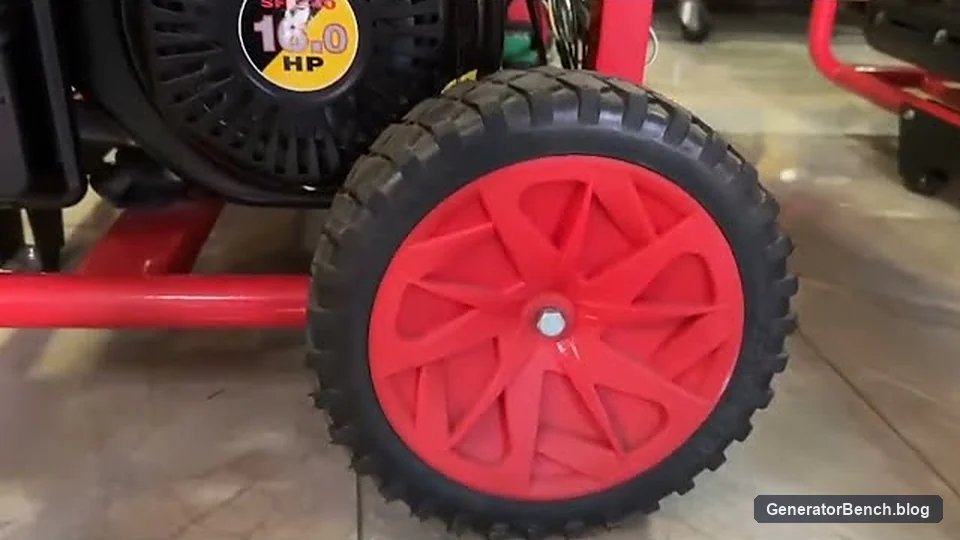
Lubrication systems in compact units often rely on splash lubrication rather than pressurized oil pumps. Checking oil levels before every startup remains a critical maintenance mandate for longevity.
Cooling is achieved via forced air circulation driven by flywheel fan blades. Maintaining clean cooling fins prevents thermal degradation during extended running periods in ambient summer temperatures.
Fuel tank capacities on compact units generally range from one to two gallons. This volume supports runtime metrics between five and ten hours at fifty percent load.
Small Firman engines featured within our best small generator for camping roundups use single-cylinder OHV configurations with 79cc to 171cc displacements engineered for maximum thermal efficiency and mechanical longevity.
Fuel tank capacities on these compact frames vary between 1.1 and 3.3 gallons, directly dictating runtime metrics when operating at a standard fifty percent electrical capacity load profile.
Oil capacity tolerances require strict adherence, typically demanding between 0.35 and 0.6 quarts of 10W-30 synthetic lubricant to properly protect connecting rods and crankshaft journals from premature wear.
Compression ratios hover around 8.5:1, necessitating regular spark plug gap inspections set strictly to 0.028 inches to guarantee optimal ignition timing and clean combustion chamber efficiency.
- Single-cylinder overhead valves optimize fuel burn.
- Splash lubrication requires diligent pre-start checks.
- Forced air cooling prevents internal overheating.
- Small tanks provide several hours of runtime.
Combustion Efficiency And Carburetor Design
Precision carburetors meter fuel and air ratios precisely across varying atmospheric pressures. Maintaining clean jets prevents rough idling and erratic voltage output during operation.
Modern emission standards necessitate catalytic components within the exhaust manifold. These additions reduce unburned hydrocarbons without sacrificing peak mechanical output power.
- Carburetor cleanliness ensures smooth engine timing.
- Catalytic mufflers lower harmful exhaust emissions.
Video Walkthrough: Prices of GENERATORS in the market
Assessing Market Factors For Compact Power Units
Determining financial outlays for compact generators involves evaluating regional supply chains and seasonal demand spikes. Wholesale distribution costs fluctuate based on raw material availability and manufacturing overhead.
Retail pricing structures vary significantly between localized hardware suppliers and specialized equipment dealers. Buyers must factor in freight delivery fees and local sales taxes when budgeting.
Warranty coverage lengths and included accessories also influence the perceived value of any portable generator package. Extended service plans provide additional security against unexpected mechanical failures.
Assessing secondary market availability reveals depreciation trends for used portable equipment. Inspection of service logs ensures mechanical integrity when acquiring pre-owned generators from private sellers.
Pricing for small Firman generators fluctuates based on raw material costs, inverter module complexity, and regional compliance standards governing emissions, spark arrestors, and CARB-compliant fuel systems.
Assessing total cost of ownership involves calculating fuel consumption rates, routine maintenance filter replacements, and replacement battery costs for units equipped with electric push-button starting mechanisms.
Warranty coverage typically spans three years for residential applications, protecting consumers against manufacturing defects in the alternator stator, rotor windings, and precision carburetor assemblies.
Retail availability shifts seasonally, with peak demand occurring during hurricane seasons and winter storm outbreaks, which directly influences secondary market valuations and local dealer inventory levels.
- Monitor seasonal supply chain price fluctuations.
- Include freight fees and local taxes in budgets.
- Review manufacturer warranty terms carefully.
- Inspect service logs for pre-owned equipment.
Budgeting For Accessories And Maintenance Kits
Initial hardware purchases often require supplementary investments in heavy-duty extension cords and transfer switches. Protective storage covers shield units from dust and moisture.
Stocking spare spark plugs, air filters, and synthetic oil guarantees uninterrupted servicing during prolonged emergency utility outages.
- Purchase heavy-duty weather-rated extension cords.
- Keep replacement spark filters on hand.
Safety Compliance And Ventilation Requirements
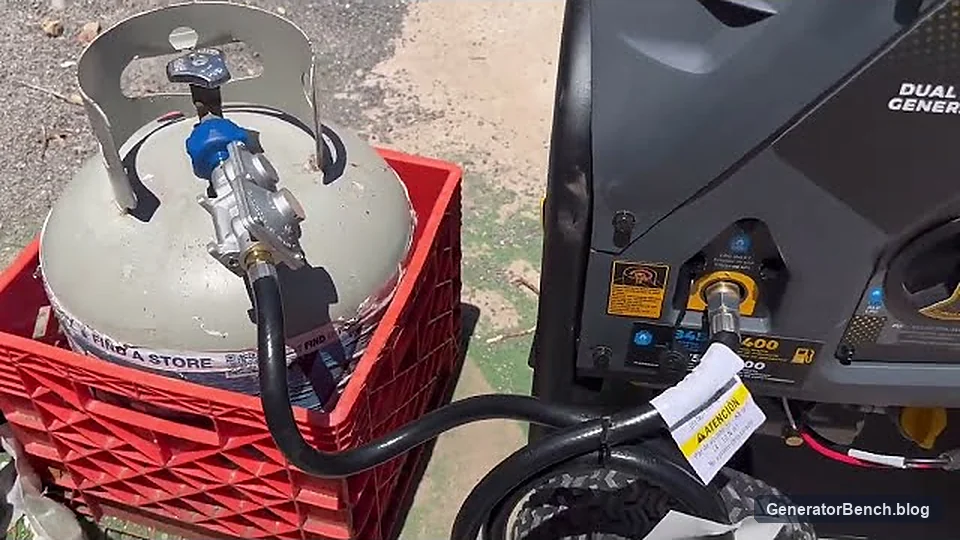
Operating any combustion-driven generator demands strict adherence to outdoor placement and carbon monoxide safety protocols. Exhaust gases contain lethal levels of odorless carbon monoxide poison.
Positioning the unit at least twenty feet away from living spaces prevents toxic fumes from entering windows or intake vents. Installing battery-operated carbon monoxide alarms indoors is mandatory.
Grounding procedures protect operators from electrical shock hazards during damp weather conditions. Driving a copper grounding rod into moist earth connects the frame safely.
Weather protection enclosures shield electrical panels from direct rain exposure without restricting necessary cooling airflow. Never operate electrical machinery inside fully enclosed sheds or garages.
Operating any internal combustion generator requires maintaining a minimum distance of 20 feet from windows, doors, and fresh air intakes to prevent lethal carbon monoxide accumulation inside living spaces.
Modern Firman compact models integrate low CO automatic shutdown sensors that immediately halt engine combustion if ambient carbon monoxide gas reaches dangerous concentration thresholds around the enclosure.
Grounding protocols dictate driving a copper earth rod into soil and attaching heavy-gauge copper wire to the designated frame grounding terminal when powering remote off-grid tools or campsites.
Weatherproofing during operation demands using heavy-duty, outdoor-rated extension cords featuring GFCI protection to mitigate electric shock hazards when running equipment in damp rain or morning dew conditions.
- Keep generators twenty feet from buildings.
- Install indoor carbon monoxide detectors.
- Ground frames properly in damp conditions.
- Protect panels from direct rain exposure.
Electrical Shock Prevention And Wet Weather Use
Ground fault circuit interrupters integrated into control panels trip instantly during ground faults. Inspecting cord insulation prevents accidental short circuits.
Never refuel hot engines while running to avoid dangerous fuel spills on ignition components.
- Test ground fault breakers regularly.
- Allow engines to cool before refueling.
Routine Maintenance For Small Generator Longevity
Preventive maintenance schedules dictate regular oil changes, spark plug inspections, and air filter cleanings. Fresh fuel prevents carburetor varnish accumulation during prolonged storage periods.
Draining the carburetor float bowl before storing the machine eliminates residual fuel gumming up tiny jets. Using a fuel stabilizer extends gasoline storage life considerably.
Inspecting spark arrestors prevents accidental brush fires during dry seasonal conditions in wooded areas. Cleaning carbon deposits restores optimal engine timing and throttle response.
Battery maintenance applies exclusively to electric start systems featured across our best small electric generator reviews. Proper trickle charging keeps lead-acid starter batteries ready for instant deployment.
Performing oil changes every 100 operational hours—or sooner during initial break-in periods—removes microscopic metallic debris and maintains optimal hydraulic pressure across internal engine lubrication galleries.
Air filter maintenance involves washing foam elements in warm soapy water, drying completely, and applying a light coating of clean engine oil to trap fine dust particles effectively.
Fuel system preservation requires draining the carburetor float bowl or running the engine dry with a fuel stabilizer if stored unused for longer than 30 consecutive days.
Spark arrestor screens must be inspected monthly and cleared of carbon deposits using a wire brush to prevent accidental exhaust spark discharge and maintain proper exhaust backpressure.
- Change engine oil after initial break-in periods.
- Drain carburetor bowls before long storage.
- Clean spark arrestors to prevent outdoor fires.
- Maintain starter batteries with trickle chargers.
Off-Season Storage Preparation Steps
Proper winterization protects internal cylinder walls from corrosion during months of non-use. Fogging oil sprayed directly into intake ports coats critical metal surfaces.
Store generators in clean, dry environments elevated off concrete floors to prevent moisture absorption.
- Apply fogging oil to internal cylinders.
- Store units off damp concrete floors.
Troubleshooting Common Compact Generator Failures
Hard starting issues typically stem from stale fuel, fouled spark plugs, or low oil shutdown sensors tripping prematurely. Verifying fuel freshness is the logical first diagnostic step.
Voltage output fluctuations indicate potential problems with the automatic voltage regulator or worn alternator brushes. Multimeter testing isolates faulty electrical components efficiently.
Excessive engine surging points toward a partially blocked carburetor main jet restricting smooth fuel delivery. Ultrasonic cleaning often restores proper fuel atomization channels.
Overload indicator lights illuminate when connected appliance draws exceed the rated inverter capacity. Resetting the circuit breaker clears fault states after shedding excess loads.
If the engine cranks but fails to start, verify the fuel valve is open, check fuel freshness, and inspect the spark plug terminal for secure boot connection and fouling.
Low voltage output or sudden power loss usually indicates a tripped circuit breaker, an overloaded inverter module, or a stalled rotor requiring a manual field flashing procedure.
Surging engine RPM points directly to a restricted main jet in the carburetor, often caused by varnish buildup from stale gasoline left sitting in the float bowl over winter.
Excessive mechanical vibration often stems from loose engine mounting bolts or uneven rubber feet resting on hard concrete surfaces, requiring torque checks to secure the outer frame.
- Check fuel freshness for hard starting issues.
- Test voltage output using a digital multimeter.
- Clean blocked carburetor jets during surges.
- Reset circuit breakers after shedding loads.
Diagnosing Low Oil Sensor Faults
Faulty low oil switches can prevent engines from starting even when crankcase levels are full. Testing switch continuity with a multimeter identifies failing sensors.
Always verify level ground placement before diagnosing persistent engine shutdown problems.
- Test low oil switch electrical continuity.
- Ensure generator sits on level ground.
Frequently Asked Questions
What appliances can a small Firman generator power?
Compact portable models easily handle essential low-wattage devices like LED emergency lamps, smartphone chargers, and small refrigeration units during unexpected utility power outages across standard residential environments.
You must carefully verify that your combined running and starting surge loads stay safely below the continuous alternator output threshold to prevent dangerous thermal overloads.
Are inverter generators better than conventional models?
Modern inverter variants produce exceptionally clean electrical sine waves featuring minimal harmonic distortion when compared directly against conventional open-frame equipment running at high mechanical revolutions.
This advanced electronic conversion process effectively protects sensitive microprocessors inside modern household appliances from damaging voltage spikes during continuous field operations and emergency backup scenarios.
What maintenance is required for small generators?
Routine oil checks and scheduled air filter cleanings represent the absolute most important preventive maintenance tasks for small displacement combustion engines operating outdoors in demanding conditions.
Draining stale gasoline completely from the carburetor float bowl prevents sticky varnish blockages during long seasonal storage intervals across humid regional climates.
How far away must a generator be placed?
Hazardous carbon monoxide exhaust emissions pose a lethal threat requiring permanent outdoor placement at least twenty feet away from all occupied residential structures during full-load generation.
Installing certified battery-operated detectors securely inside your primary living space adds an essential secondary layer of absolute operational safety against toxic fumes.
How does load impact generator fuel efficiency?
Fuel efficiency varies widely based on applied electrical loads and ambient operating temperatures encountered during daily runtime sessions.
Running compact units at fifty percent partial capacity significantly extends total operational hours per gallon of gasoline consumed in demanding field conditions throughout different seasons.