How Much Can A Portable Generator Power Safely
Calculating electrical output requires balancing running and starting wattages. Proper capacity planning prevents catastrophic equipment overloads during emergencies.


A standard portable unit handles essential household appliances easily when you manage surge watts carefully and avoid simultaneous compressor startups.
Looking for matching picks? See our Best Portable Electric Generator.
Practical Quick-Reference Table
| Scenario / Metric | Recommended Target | Why It Matters |
|---|---|---|
| Compact 2000W Inverter | 750W to 1600W continuous | Safely powers laptops, medical devices, and LED lighting. |
| Midsize 5000W Generator | 3500W to 4200W continuous | Runs refrigerators, well pumps, and basic house fans. |
| Large 7500W Unit | 5500W to 6500W continuous | Supports heavy sump pumps and window air conditioners. |
| Inductive Surge Factor | 3x to 3.5x running watts | Accounts for motor startup spikes without tripping breakers. |
| Altitude Derating | 3.5 percent per 1000 feet | Compensates for reduced oxygen and lower engine output. |
| Total Harmonic Distortion | Under 5 percent THD | Protects sensitive microprocessors in modern home electronics. |
Electrical Load Fundamentals and Running Watts
Understanding continuous electrical output is the foundation of safe generator operation. Every appliance draws a specific amount of continuous power measured in running watts during normal cycle operation.
Exceeding the rated continuous capacity of your combustion engine causes immediate thermal overload. This triggers automatic circuit breakers or stalls the alternator permanently under heavy loads.
Running watts represent the continuous electrical power a generator must supply during steady-state operation. Choosing the best portable generator for power outage guarantees steady performance when inductive appliances demand consistent operating power.
To verify exact draws, technicians utilize a true RMS clamp meter to measure running current. Multiply measured amperage by standard household voltage to determine true running wattage requirements for individual circuits.
- Check nameplate data on every critical home appliance.
- Add continuous running requirements to find your baseline load.
- Keep total continuous draw below eighty percent of capacity.
- Factor in power factor losses for inductive motor loads.
Resistive Versus Inductive Load Differences
Resistive devices like incandescent light bulbs require straightforward wattage calculations. Their running and starting demands remain identical during every single minute of active operation.
Inductive appliances feature internal copper windings and heavy electric motors. These mechanical devices require significantly more energy during the initial startup phase than during normal running cycles.
- Resistive loads create steady, predictable fuel consumption patterns.
- Inductive loads demand careful sequencing of heavy motor startups.
Surge Wattage Demands of Inductive Motors
Electric motors inside refrigerators and freezers require massive startup surges. These temporary demands can reach three times higher than standard running wattages during the initial compressor kick.
Failing to account for these electrical spikes will stall your engine instantly. Always verify that your alternator can handle peak surge requirements without dropping below safe operational frequencies.
Inductive motors require significantly higher surge wattage during startup to overcome initial rotational inertia. Refrigerators and well pumps experience an inductive kick that can triple their baseline running power requirements momentarily.
Locked rotor amps dictate the absolute maximum startup draw before thermal breakers trip. Using our generator wattage sizing calculator helps you stage heavy motor appliances sequentially to prevent overloads.
- Refrigerator compressors demand high instantaneous startup current.
- Well pumps require heavy starting surges to clear pipe head pressure.
- Sump pumps need ample margin to prevent motor winding burnout.
- Air conditioner units require dedicated surge capacity allowances.
Managing Motor Staggering Strategies
Turn on large inductive appliances one at a time to prevent overloads. Staggering startup cycles protects your alternator and prevents damaging voltage drops across connected circuits.
Allow each motorized device to reach full running speed before engaging another compressor. This disciplined operational habit preserves equipment lifespan and ensures reliable emergency power delivery.
- Never start a refrigerator and well pump simultaneously.
- Wait ninety seconds between heavy compressor engagement cycles.
Video Walkthrough: What is your budget
Calculating Total Household Essential Loads
Compile an exhaustive inventory of appliances you plan to run during grid outages. Sum up their continuous running requirements while isolating the single largest motor surge requirement.
Add this maximum surge figure to your cumulative running total to determine sizing. Choosing our best clean power portable generator prevents sudden power loss and protects sensitive electronics during critical severe storms.
Calculating essential household loads requires listing survival priorities including refrigeration and medical equipment. Tally the running watts of every critical device while strictly excluding high-draw luxury appliances like central air conditioners.
Add a twenty percent safety headroom to your final cumulative running wattage total. This buffer accommodates temporary voltage sags and ensures your portable unit operates well within its maximum rated capacity.
- Prioritize medical equipment and refrigeration above all entertainment systems.
- Exclude high-draw electric water heaters and central air conditioning units.
- Use LED lighting to minimize overall baseline electrical consumption.
- Consult manufacturer user manuals for exact wattage specifications.
Accounting for Power Factor Inefficiencies
Real-world electrical circuits experience minor efficiency losses through wiring resistance. Factoring in a safety buffer ensures your equipment operates safely without overheating internal alternator windings.
Always multiply your final calculated wattage requirement by a conservative factor. This engineering margin guarantees reliable performance during extreme ambient temperature fluctuations and heavy usage.
- Add a twenty percent safety buffer to your final calculations.
- Monitor operating temperatures closely during extended emergency runs.
Understanding Running Capacities Across Common Sizes
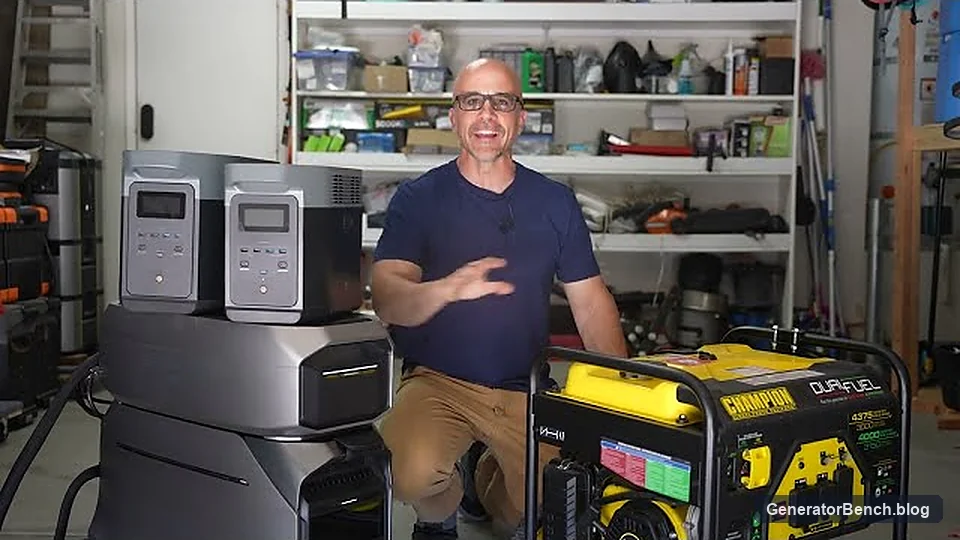
Compact inverter generators rated around two thousand watts handle basic loads. They power smartphones, laptops, CPAP medical machines, and critical LED lighting arrays with clean sine wave output.
Midsize portable units rated near five thousand watts expand your capabilities significantly. These versatile machines comfortably run household refrigerators, sump pumps, and basic furnace blowers simultaneously.
Compact two-thousand-watt inverters comfortably power basic lighting and mobile devices, whereas five-thousand-watt frames handle refrigerators and sump pumps simultaneously. Selecting the right size prevents expensive mechanical strain during extended utility outages.
Engine performance degrades by approximately three percent per thousand feet of elevation gain. Account for this atmospheric derating when calculating your high-altitude running capacities across mountainous or plateau installation sites.
- Small inverters suit camping and minimalist emergency lighting needs.
- Medium units bridge the gap for basic household comfort.
- Large frames support multiple heavy appliances during extended outages.
- Oversizing wastes fuel and causes unburnt carbon accumulation.
Matching Generator Classes to Real Scenarios
Selecting the correct power class depends on your specific geographic climate risks. Freezing winter climates require furnace blower support, while summer storms demand refrigerator and fan operations.
Analyze your specific seasonal vulnerabilities before selecting a portable power unit. Reviewing options like our best portable solar power generator prevents unnecessary fuel expenditures while ensuring absolute reliability when emergency conditions strike.
- Evaluate regional weather patterns before purchasing equipment.
- Match fuel storage capacity to your expected daily runtimes.
Fuel Types and Output Energy Variations
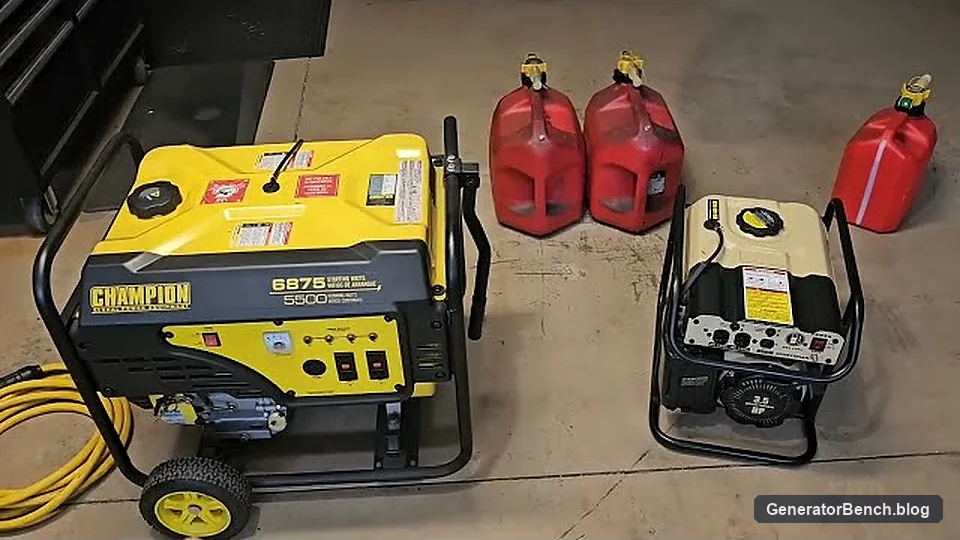
Gasoline remains the most common fuel choice for portable power generation units. However, switching to propane or natural gas alters the maximum rated power output of your internal combustion engine.
Running your generator on liquid propane typically reduces total electrical output slightly. Always check manufacturer specifications when transitioning between different fuel types to prevent unexpected overloads.
Gasoline provides superior energy density per gallon, delivering maximum rated running wattage. Liquid propane gas offers cleaner storage characteristics, though fuel consumption rates increase due to lower overall British thermal unit content.
Running dual-fuel generators on propane typically results in a ten to fifteen percent loss in maximum output. Verify your specific manufacturer specifications before relying on gaseous fuels for heavy electrical loads.
- Gasoline delivers maximum possible continuous and surge wattage.
- Propane offers cleaner storage and eliminates carburetor gumming issues.
- Natural gas provides unlimited supply but lowers engine horsepower ratings.
- Dual-fuel models require careful jet adjustments at high altitudes.
Fuel Consumption Rates Under Variable Loads
Fuel consumption scales directly with the electrical load placed on the alternator. Operating at half capacity burns significantly less gasoline than running near maximum rated limits.
Calculate your fuel storage requirements based on a fifty percent load factor. This realistic estimate prevents unexpected fuel shortages during prolonged multi-day grid failure emergencies.
- Store fuel safely in approved, sealed plastic containers.
- Treat stored gasoline with stabilizers to prevent phase separation.
Parallel Operations and Combined Amperage
Modern inverter generators often feature parallel connection ports for increased capacity. Linking two identical units together doubles your available continuous running wattage without sacrificing portability.
This modular approach allows you to transport lighter individual units to job sites. You combine their outputs using specialized cables when heavy electrical demands require extra power.
Parallel kits allow technicians to link two identical inverter generators using dedicated syncing cables. This configuration doubles your available running amperage without sacrificing clean sine wave output quality for sensitive electronics.
Never attempt to parallel units with mismatched power ratings or differing inverter topologies. Doing so introduces severe phase imbalances that can instantly destroy the internal electronics modules of both interconnected machines.
- Use manufacturer-approved parallel kits to prevent phase mismatches.
- Connect ground terminals securely before engaging the parallel link.
- Balance loads evenly across both synchronized inverter units.
- Never parallel generators of different brand names or capacities.
Benefits of Scalable Power Architectures
Scalable power systems provide exceptional flexibility for diverse technical applications. You run a single lightweight unit for minor loads, preserving fuel during low-demand nighttime hours.
Engage the second unit only when heavy household appliances require additional surge capacity. This smart fuel management strategy extends engine maintenance intervals and reduces overall operating noise.
- Deploy single units for low-draw evening operations.
- Link systems rapidly during heavy daytime appliance cycles.
Voltage Regulation and Sensitive Electronics Safety

Sensitive microprocessors require stable electrical current free from voltage spikes. Inverter generators utilize advanced electronics to deliver clean power with low harmonic distortion characteristics.
Traditional frame generators with standard automatic voltage regulators can damage computers. Always verify your generator power quality before plugging in expensive communication and medical devices.
Inverter generators maintain a total harmonic distortion under three percent, safely replicating utility grid power. This ultra-clean electrical output protects microprocessors found inside modern appliances, furnaces, and home automation systems.
Conventional frame units rely on automatic voltage regulation systems to stabilize electrical fluctuations. While adequate for heavy motor loads, they may exhibit voltage spikes unsuitable for charging sensitive medical laptops directly.
- Inverters protect modern smartphones, laptops, and smart thermostats.
- Traditional alternators suit heavy motorized tools and basic lamps.
- Check THD ratings to ensure safe computer equipment operation.
- Use line-interactive surge protectors for added hardware defense.
Understanding Total Harmonic Distortion Limits
Total harmonic distortion measures the deviation of an alternating current wave. High distortion levels cause excessive heat buildup in sensitive electronic transformers and digital power supplies.
Maintain distortion levels below five percent to ensure complete safety for electronics. Modern inverter alternators achieve this naturally through sophisticated pulse-width modulation inverter modules.
- Review technical specifications for verified THD percentages.
- Avoid running unconditioned power to medical ventilators.
Physical Positioning and Safe Ventilation Rules
Operating portable generators safely requires strict adherence to outdoor placement rules. Exhaust fumes contain lethal carbon monoxide, demanding a minimum distance of twenty feet from living spaces.
Position your unit so prevailing winds push exhaust away from windows. Never operate portable generators inside enclosed garages, sheds, or covered porches lacking adequate cross-ventilation.
Engine exhaust emits lethal carbon monoxide, requiring strict adherence to a twenty-foot clearance rule. Position your portable generator outdoors on level ground with the exhaust pointing safely away from any structural openings.
Utilize a dedicated generator tent or enclosure to protect against heavy rain and snow accumulation. Never operate internal combustion equipment inside enclosed spaces like garages or sheds to prevent fatal poisoning incidents.
- Keep exhaust pointed away from all doors and windows.
- Install battery-operated carbon monoxide alarms inside your home.
- Protect electrical panels from heavy rain and direct moisture.
- Allow engines to cool completely before refueling hot tanks.
Grounding and Electrical Shock Prevention
Proper grounding protects operators from dangerous electrical shock hazards during wet weather. Drive a copper grounding rod into the earth and connect it securely to the frame terminal.
Always inspect heavy-duty outdoor extension cords for frayed insulation before use. Utilizing ground fault circuit interrupters adds an essential layer of protection for all connected electrical tools.
- Drive an earth grounding rod for stationary deployments.
- Inspect extension cord insulation for cracks and abrasions.
Frequently Asked Questions
How many watts do I need to run a standard household refrigerator?
A standard refrigerator requires about seven hundred running watts. However, you must budget for a two thousand watt surge during initial compressor startups to prevent overloads.
Can a portable generator power my central heating and cooling system?
Central air conditioners require massive startup surges exceeding ten thousand watts. Most portable generators cannot handle this load without stalling, requiring dedicated soft-starter kits.
What happens if I overload my portable generator during an emergency?
Overloading trips internal circuit breakers or stalls the engine instantly. Sustained overloads damage alternator windings and ruin connected appliances through severe voltage drops.
How does high altitude affect the maximum power output of my generator?
Thin mountain air reduces engine oxygen levels, decreasing power output significantly. Expect a three percent loss in capacity for every one thousand feet of elevation gain.
Is it safe to plug sensitive electronics directly into a standard portable generator?
Traditional frame generators produce rough electricity that damages microprocessors. Always use an inverter generator with clean sine wave output for laptops and medical devices.