How Many Watts For Portable Generator Sizing Guide
Calculating generator wattage requirements prevents equipment overload during outages. Proper sizing ensures reliable performance across essential household appliances and heavy workshop tools.


Determine running watts and add heavy starting surges for motor-driven equipment. Total peak load demands dictate your minimum required generator capacity to protect sensitive electronics safely.
Looking for matching picks? See our Best 3000 Watt Portable Generator.
Practical Quick-Reference Table
| Scenario / Metric | Recommended Target | Why It Matters |
|---|---|---|
| Basic Emergency Kit | 2,000 - 3,000 Watts | Powers lights, refrigerator, and phone chargers. |
| Mid-Size Household | 5,000 - 7,500 Watts | Supports sump pumps and window AC units. |
| Whole-House Backup | 10,000+ Watts | Handles central HVAC and major appliances. |
| Jobsite Tools | 4,000 - 6,000 Watts | Runs saws, compressors, and battery chargers. |
| Altitude Derating | -3.5% per 1,000 ft | Compensates for reduced engine power output. |
| Inductive Surge | 3x Running Watts | Prevents motor stalling during startup cycles. |
Core Fundamentals and Sizing Principles
Sizing a portable generator requires inventorying every device you intend to power simultaneously. Total electrical consumption determines the minimum wattage threshold needed for safe operational performance during emergency outages.
Electrical devices draw two distinct types of power during their operation cycles. Continuous running watts represent standard operational consumption, while surge watts measure initial motor startup power demands.
Exceeding your generator maximum output capacity triggers automatic circuit breakers to prevent permanent damage. Careful load calculation prevents embarrassing power failures when running essential household refrigeration systems.
Ambient temperature and high altitude significantly reduce internal combustion engine output efficiency. Engineers recommend factoring a ten percent derating per thousand feet of elevation above sea level.
Consult our best portable generator for home 10000 watts guide when sizing units for heavy household demands. Ignoring inductive motor loads often leads to thermal overload trips during startup.
Every electrical appliance lists its power draw on a rating label, usually stamped near the power cord. Always verify whether the stated value represents amperage or actual watts before calculating.
Ambient temperature significantly impacts alternator output efficiency at high elevations. Internal combustion engines lose roughly three percent capacity for every thousand feet above sea level operation.
Modern inverter generators maintain clean power with total harmonic distortion below three percent. This protects sensitive microprocessors inside modern refrigerators and digital control boards against voltage spikes.
- Inventory all essential electrical loads before shopping.
- Separate continuous running power from surge requirements.
- Account for environmental factors like high altitude operation.
- Leave a safety margin of twenty percent reserve capacity.
Decoding Electrical Load Demands
Household appliances feature metal identification plates detailing specific voltage and amperage ratings. Multiplying these two values provides accurate running wattage figures for your generator sizing worksheet.
Motor-driven compressors require special attention due to massive inductive startup loads. Always consult manufacturer specifications to verify exact surge requirements before connecting sensitive electronic loads.
- Locate appliance identification data plates.
- Multiply volts by amperes to find watts.
- Check for inductive motor startup multipliers.
Calculating Starting Versus Running Loads
Understanding electrical math helps match your generator capacity to specific tool requirements. Running watts reflect steady power use, whereas surge wattage accounts for momentary motor activation spikes.
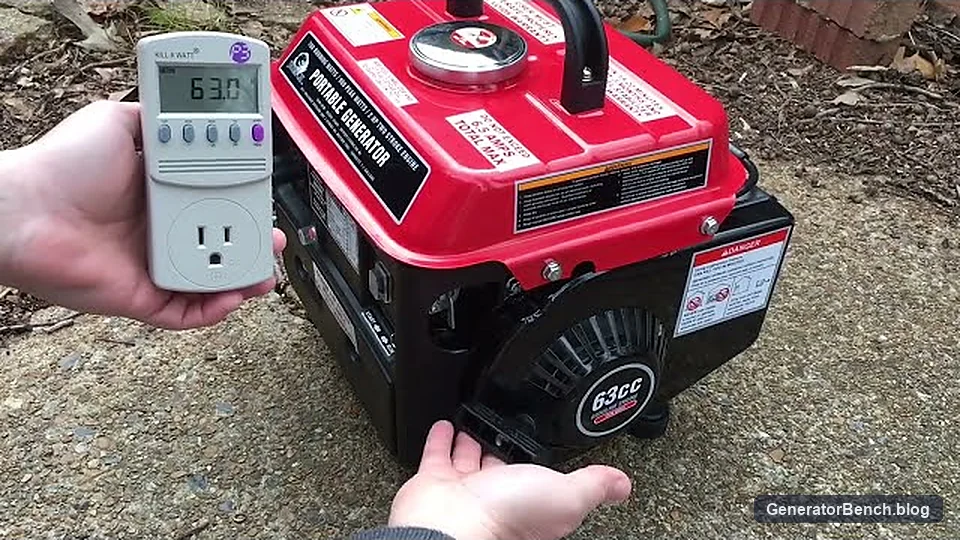
Inductive loads like refrigerators and sump pumps create severe electrical resistance upon startup. This temporary surge can easily exceed standard running consumption by three times the baseline rating.
Resistive heating elements require identical starting and running wattage calculations without surges. Standard space heaters and incandescent light bulbs draw consistent power throughout their entire operational cycle.
Group heavy motor startups sequentially rather than simultaneously prevents sudden generator stalls. Staggering appliance activation protects both the generator alternator windings and connected appliance control boards.
Motor-driven equipment demands a surge of electrical current to overcome initial mechanical inertia. This startup requirement can exceed three times running watts for heavy inductive loads like well pumps.
Running watts represent the continuous power consumption required to keep an appliance operating smoothly. Summing these continuous draws provides your baseline load before factoring in transient motor surges.
Staggering appliance startup sequences prevents cumulative surge spikes from tripping your generator circuit breaker. Never activate heavy compressor motors simultaneously on a shared power distribution panel.
Check manufacturer nameplates for Locked Rotor Amps to calculate absolute worst-case startup demands. Multiplying LRA by operating voltage reveals the true peak surge wattage required safely.
- Identify resistive loads for stable power draws.
- Calculate surge multipliers for inductive motors.
- Stagger appliance activation during generator use.
- Monitor control panel meters for overload warnings.
Video Walkthrough: Calculate Watts for Generator - Be Exact
Essential Appliance Wattage Breakdown
Refrigerator compressors demand roughly twelve hundred surge watts alongside seven hundred running watts. Preserving perishable food items makes reliable refrigeration a top priority during extended power interruptions.
Sump pumps protect basements from catastrophic flooding during severe storms and heavy rainfall events. These vital units typically require fifteen hundred starting watts to clear accumulated groundwater efficiently.
Window air conditioning units feature heavy compressors demanding substantial electrical startup capacity. Use our wattage sizing calculator tool to account for large inductive loads alongside household lighting circuits.
Modern gas furnaces rely on small blowers requiring roughly eight hundred starting watts. Maintaining furnace operation ensures safe interior temperatures during harsh winter weather power grid failures.
Standard residential refrigerators consume about seven hundred running watts but demand up to twenty-two hundred surge watts. Compressor cycling requires maintaining a dedicated power reserve to avoid brownouts.
Window air conditioning units feature high inductive loads requiring substantial starting capacitor headroom. Operating an AC unit alongside critical medical equipment demands a minimum five kilowatt generator framework.
Gas furnace blowers require roughly eight hundred running watts to circulate heated air efficiently. Hardwired blower motors demand careful load management alongside essential kitchen appliances during winter power outages.
Well pumps represent one of the heaviest household loads due to deep underground water pressure. Submersible pump specifications demand heavy-duty generators featuring robust automatic voltage regulation technology.
- Refrigerators need high initial surge capacity.
- Sump pumps prevent catastrophic basement water damage.
- Window air conditioners demand heavy inductive power.
- Gas furnaces require stable blower motor wattage.
Heavy Workshop Equipment Demands
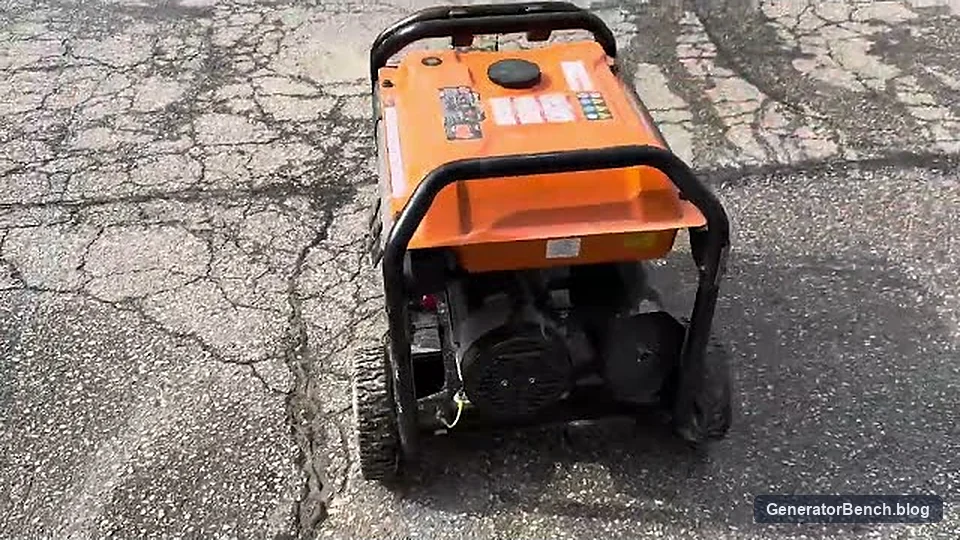
Jobsite table saws and heavy air compressors introduce extreme electrical demands to generators. Industrial motors require massive starting surges to overcome rotational inertia during initial activation phases.
Voltage drop over long extension cords can cause workshop motors to overheat prematurely. Always utilize heavy-duty copper wiring rated for the total amperage drawn by your specific tools.
Inverter generators deliver clean power with minimal harmonic distortion for sensitive tools. Maintaining stable voltage output protects expensive microprocessor controls found in modern cordless battery charging stations.
Simultaneous tool operation on job sites requires calculating cumulative running and surge loads. Exceeding rated capacity causes engine bogging and potential damage to connected power equipment motors.
Table saws and heavy band saws draw massive starting current when spinning up heavy blades. Operating workshop tools requires a generator equipped with heavy-duty copper windings to handle drops.
Air compressors cycle on and off unpredictably based on tank pressure thresholds. Running a pneumatic compressor alongside auxiliary lighting necessitates a ten kilowatt output for uninterrupted workflow.
Welders present unique electrical challenges because their power draw fluctuates wildly during arc striking. Inverter-based multi-process welders require dedicated circuits with clean sine wave output to function correctly.
Bench grinders and drill presses maintain steady running loads but still need inductive headroom. Protecting motor windings from overheating requires avoiding prolonged voltage sags under heavy mechanical stress.
- Table saws demand significant motor startup surges.
- Use heavy-duty copper extension cords for tools.
- Inverter generators protect sensitive charging stations.
- Calculate cumulative jobsite power requirements carefully.
Step-by-Step Setup and Calibration
Position your best portable generator for home use outdoors on a flat surface away from windows. Proper placement prevents lethal carbon monoxide gas from infiltrating occupied residential living spaces.
Verify engine oil levels using the dipstick before initiating any cold startup procedures. Fresh fuel and clean air filters ensure optimal combustion efficiency throughout extended runtime periods.
Connect your transfer switch or heavy-duty extension cords after the engine reaches operating temperature. Gradual load connection prevents sudden mechanical shock to the alternator and voltage regulator.
Monitor the digital control panel frequency and voltage meters during initial load application. Stable fifty or sixty hertz output confirms proper engine governor calibration under active loads.
Position your portable generator at least twenty feet away from occupied structures with exhaust pointing outward. Always operate units on a flat surface using a heavy-duty grounding rod for safety.
Check engine oil levels using the dipstick before every single cold startup procedure. Modern sensors will automatically shut down the engine if low oil pressure threatens internal mechanical components.
Connect heavy-duty extension cords rated for outdoor use to prevent dangerous line voltage drops. Inspect all insulation jackets for cracking before plugging in valuable power tools or appliances.
Calibrate your digital multimeter to measure alternating current voltage at the receptacle panel. Verify that operating frequency remains stable at sixty Hertz baseline under varying mechanical loads.
- Position generator outdoors away from structures.
- Check engine oil levels prior to starting.
- Allow engine to warm up before applying loads.
- Monitor frequency and voltage output meters.
Common Mistakes and Troubleshooting
Overloading portable generators remains the most frequent error committed by residential operators. Ignoring cumulative surge requirements leads to tripped breakers and interrupted power delivery during critical emergencies.
Storing gasoline inside generator carburetors causes varnish buildup and blocked fuel jets over time. Always drain residual fuel or run the carburetor dry before long-term seasonal storage.
Neglecting routine spark plug inspections results in hard starting and erratic engine performance. Replace fouled spark plugs annually to maintain reliable ignition timing under heavy electrical loads.
Running generators indoors or inside enclosed garages creates fatal carbon monoxide accumulation risks. Strict adherence to outdoor placement guidelines is essential for operator health and safety.
Overloading a generator causes engine rpm to bog down and trips thermal circuit breakers immediately. Never exceed the rated running wattage to prevent permanent alternator damage from excessive heat.
Storing gasoline inside the fuel tank for months creates gummy varnish deposits in carburetors. Always drain fuel bowls or add a stabilizer chemical compound before long-term seasonal equipment storage.
Failing to ground portable units properly exposes operators to severe electrical shock hazards. Drive an eighth-inch copper rod into moist earth and connect your bonding wire securely.
Ignoring spark plug maintenance leads to difficult starting and erratic engine performance under load. Inspect the electrode gap annually and replace fouled plugs with OEM-specified replacement parts.
- Avoid overloading circuits beyond rated capacity.
- Drain carburetor fuel before extended storage.
- Replace fouled spark plugs on an annual schedule.
- Never operate combustion engines inside enclosed spaces.
Maintenance and Safety Protocols
Regular oil changes protect internal engine components from premature wear and thermal breakdown. Inspect oil condition every fifty operational hours under heavy emergency usage workload conditions.
Clean foam air filters frequently when operating portable generators in dusty outdoor environments. Restricted airflow reduces maximum engine power output and increases harmful exhaust emissions significantly.
Ground your portable generator properly using a heavy copper rod driven into soil. Proper grounding prevents electrical shock hazards during wet weather emergency power generation operations.
Keep a certified chemical fire extinguisher nearby during refueling and generator operation tasks. Never add fuel to a hot engine to prevent accidental fuel ignition and severe burns.
Change engine oil after the initial twenty-hour break-in period and every one hundred hours thereafter. Clean foam air filters regularly using warm soapy water to ensure optimal airflow dynamics.
Never operate your best portable generator for home backup inside enclosed spaces like garages. Install battery-powered carbon monoxide detectors inside your home when running emergency backup systems.
Inspect fuel lines annually for signs of rubber degradation, cracking, or loose hose clamps. Replacing degraded fuel hoses prevents catastrophic fires caused by gasoline leaks near exhaust.
Test the carbon monoxide auto-shutoff sensor monthly by following manufacturer diagnostic procedures carefully. Reliable sensor operation remains vital for maintaining safe operational standards during adverse weather events.
- Change engine oil every fifty operational hours.
- Inspect and clean foam air filters regularly.
- Install a proper earth grounding copper rod.
- Keep a chemical fire extinguisher nearby always.
Frequently Asked Questions
How many watts do I need for a basic refrigerator and lights?
A standard residential refrigerator requires approximately twelve hundred starting watts while basic LED interior lights consume minimal electrical power across circuits.
Budgeting roughly two thousand total watts easily covers these essential household items along with small device chargers during unexpected emergency utility outages.
What is the difference between starting watts and running watts?
Running watts represent the continuous electrical power required to keep an appliance operating normally over time. Starting watts reflect the heavy temporary surge needed to overcome initial motor inertia when electrical equipment first turns on.
How do I calculate total wattage for multiple household appliances?
Add the continuous running wattage of every device you plan to run simultaneously on your circuits. Then identify the single appliance with the largest motor surge requirement and add that peak surge value to your running total.
Does high altitude affect portable generator power output capacity?
Internal combustion engines lose engine performance as elevation increases due to thinner atmospheric air density. You should expect roughly a three percent power reduction for every thousand feet of elevation gain above sea level.
Can I plug sensitive electronics directly into a standard portable generator?
Traditional frame generators produce electrical harmonic distortion that can damage microprocessors in modern laptops and smartphones. Using an inverter generator ensures clean sinusoidal power output matching residential wall outlets safely.