How Many Watt Portable Generator Do I Need
Determining power requirements protects sensitive electronics and prevents motor overload. Calculating exact running and starting loads ensures reliable electrical backup.


You calculate total running wattage and add maximum surge requirements for motor loads. Selecting the correct size prevents equipment damage and avoids dangerous circuit overloads.
Looking for matching picks? See our Best 3000 Watt Portable Generator.
Practical Quick-Reference Table
| Scenario / Metric | Recommended Target | Why It Matters |
|---|---|---|
| Basic Essentials | 1,500W to 2,000W | Powers fridge, lights, and device charging during brief outages. |
| Medium Household | 3,000W to 5,000W | Runs refrigerator, sump pump, and critical medical devices safely. |
| Large Whole-Home | 7,000W to 10,000W | Handles heavy appliances, well pumps, and basic central heating fans. |
| Starting Surge Factor | 2x to 3x multiplier | Accounts for inductive motor startup spikes without tripping breakers. |
| Fuel Type Efficiency | Gasoline vs. Propane | Determines run time and storage stability under heavy loads. |
| Total Harmonic Distortion | Under 5 percent | Protects microprocessors in modern smart appliances and computers. |
Core Power Calculations and Running Loads
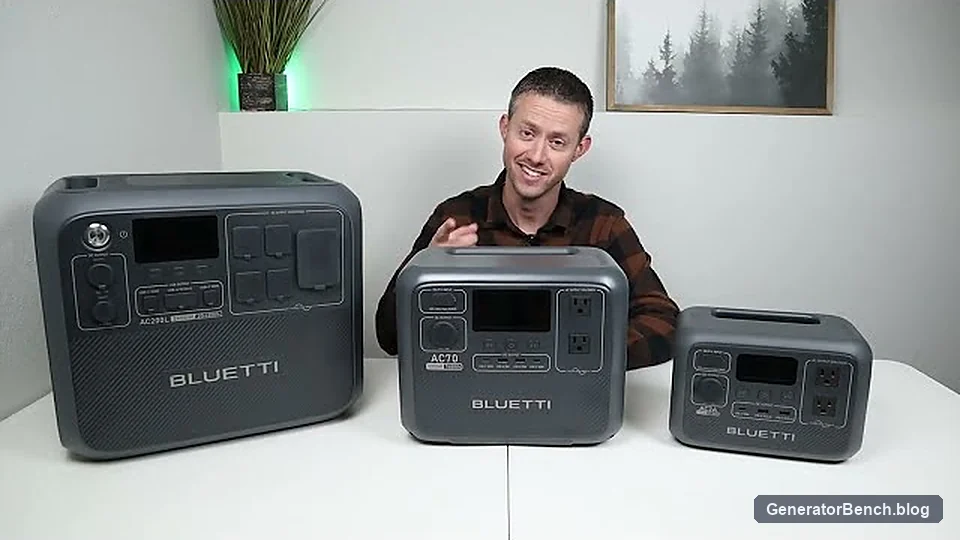
Calculating electrical requirements starts with listing every device you plan to operate simultaneously. Reviewing manufacturer data plates provides accurate running wattage ratings for your specific appliances.
Add up all continuous wattage figures to determine your baseline power demand. Exceeding this combined total will quickly trip your generator circuit breakers or stall the internal engine.
Calculating running loads requires summing the continuous wattage of every device you plan to operate simultaneously. Always check the rated running watts on the appliance data plate rather than guessing averages.
Remember that inductive loads require multiplying your baseline running sum by a safety factor of 1.25. This prevents thermal overload on the alternator winding during extended periods of continuous household operation.
- Locate running watts on appliance identification tags.
- Group critical loads to minimize total power draw.
- Account for simultaneous usage of lighting and refrigeration.
- Never exceed eighty percent of rated capacity.
Reading Appliance Data Plates
Manufacturers stamp electrical requirements onto metal rating plates near power cords. These labels detail exact voltage, amperage, and frequency parameters for safe operation.
Multiply listed amperes by operational voltage to calculate exact wattage if missing. This simple sizing math helps you choose the best 3000 watt portable generator for basic emergency power needs.
- Verify voltage requirements before plugging in devices.
- Convert amperage ratings using standard mathematical formulas.
Managing Motor Surges and Starting Watts
Inductive loads like refrigerators and air conditioners require extra power during startup. These surge requirements demand significantly more electrical output than normal running operation.
Identify appliances containing electric motors and check their starting multiplier ratings. Failing to account for these surges leads to immediate generator stall conditions.
Compressor-based appliances like refrigerators demand massive surge wattage during motor startup. Upgrading to a reliable best 3500 watt portable generator handles transient spikes without dropping voltage below ninety-five volts on standard circuits.
Stagger the activation of heavy motorized equipment to prevent cumulative starting surges from tripping the main breaker. Turn on your largest well pump first before engaging smaller household electronics or lighting circuits.
- Compressors typically demand triple their running wattage.
- Stagger appliance startup sequences during power outages.
- Check motor nameplates for locked-rotor amperage details.
- Keep total surge demand below peak ratings.
Staggering Heavy Motor Loads
Turning on multiple motor-driven appliances simultaneously creates massive electrical spikes. Staggering your equipment startup prevents dangerous voltage sags and equipment damage.
Allow each compressor to reach stable running speed before energizing the next device. This disciplined approach protects sensitive compressor windings from thermal overload.
- Wait five minutes between heavy motor startups.
- Monitor control panel meters during load application.
Video Walkthrough: What Size Generator Do You REALLY Need?
Evaluating Essential Appliance Electrical Specs
Prioritizing essential household circuits prevents purchasing an incorrect generator size. You should use our detailed generator wattage sizing calculator to focus accurately on life-safety devices, refrigeration, and water system pumps first.
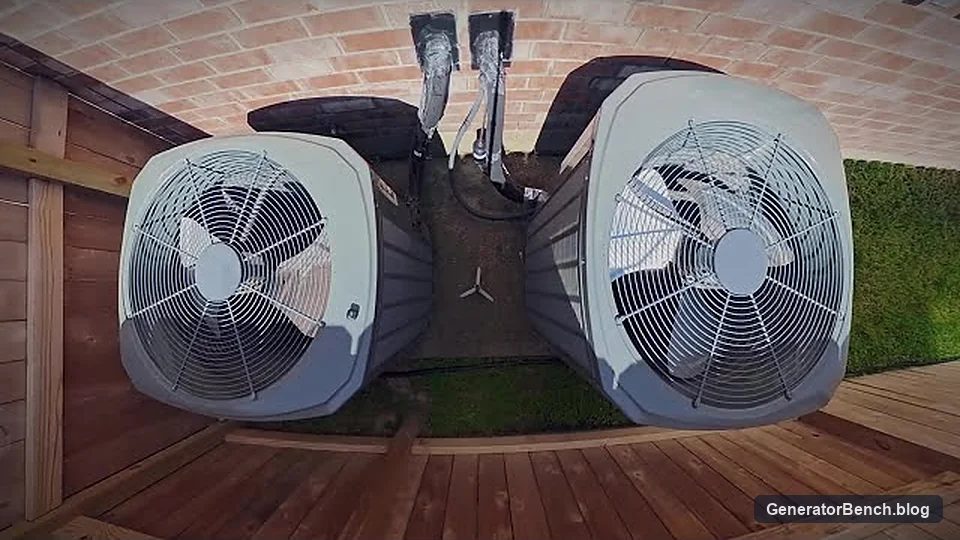
Modern electronics require clean power with minimal distortion to prevent internal circuit damage. Selecting inverter technology ensures stable voltage delivery for sensitive devices.
Review the electrical specifications label located near the power cord entry point of each vital appliance. Note the exact amperage and voltage ratings to calculate true running wattage using standard formulas.
Variable speed compressors and modern inverter appliances often feature lower starting surges than older induction motors. Factor these advanced electronic efficiencies into your total sizing equation to avoid purchasing oversized equipment.
- Prioritize refrigerators, sump pumps, and medical gear.
- Exclude luxury heating or cooling units temporarily.
- Measure baseline draw using a clamp meter.
- Account for cell phone and laptop chargers.
Factoring Inverter vs Traditional Units
Traditional frame generators produce higher total output but suffer from voltage fluctuations. Inverter generators modulate engine speed to match electrical demand safely.
Clean sine wave output protects microprocessors found in modern heating systems and televisions. Assess your electronic sensitivity before choosing your generator architecture.
- Verify total harmonic distortion specifications carefully.
- Match generator output type to load sensitivity.
Fuel Selection and Operating Run Times
Portable generators operate on gasoline, propane, or natural gas fuel sources. Each fuel type impacts storage longevity, maintenance frequency, and overall fuel efficiency.
Gasoline offers high energy density but degrades quickly inside carburetor float bowls. Propane provides cleaner storage but reduces maximum electrical output capacity slightly.
Gasoline provides high energy density but degrades quickly, requiring fuel stabilizers for long-term storage readiness. Propane offers infinite shelf life and cleaner emissions, though maximum output drops by roughly ten percent overall.
Calculate fuel consumption rates at fifty percent electrical load to estimate realistic operating run times during extended utility outages. Keep adequate fuel reserves stored in approved safety containers away from ignition sources.
- Stabilize stored gasoline to prevent varnish buildup.
- Store propane tanks in well-ventilated outdoor areas.
- Calculate fuel consumption at fifty percent load.
- Keep extra fuel supplies stored safely away.
Calculating Fuel Consumption Rates
Manufacturers publish fuel consumption charts based on specific load percentages. Reviewing these metrics helps you maintain adequate fuel reserves during extended weather emergencies.
Running units at maximum capacity drastically reduces run times per gallon. Balancing your electrical load extends operational intervals between mandatory refueling stops.
- Track runtime hours using digital hour meters.
- Allow engines to cool before refueling safely.
Electrical Safety Protocols and Grounding
Proper grounding prevents dangerous electrical shock hazards during portable generator operation. Selecting a properly sized best 4000 watt portable generator ensures you can drive a dedicated copper grounding rod securely into the earth.
Connect heavy-duty copper wire securely from the generator frame to the rod. Never operate portable generators inside enclosed spaces to avoid carbon monoxide poisoning.
Proper grounding is mandatory to prevent dangerous fault currents from energizing the portable generator frame. Drive an eight-foot copper rod into the earth and connect it directly to the designated equipment terminal.
Never connect your portable generator directly to household wiring without installing a certified transfer switch. Backfeeding utility lines creates severe electrocution hazards for utility linemen working to restore neighborhood power grids.
- Use outdoor-rated extension cords with proper gauges.
- Inspect cord insulation for cracks and cuts.
- Install transfer switches for hardwired home backups.
- Keep electrical panels dry during wet weather.
Preventing Carbon Monoxide Hazards
Exhaust gases contain lethal carbon monoxide concentrations that accumulate rapidly indoors. Position your portable generator at least twenty feet away from habitable structures.
Point exhaust mufflers away from windows, doors, and fresh air intake vents. Install battery-operated carbon monoxide detectors inside your living spaces immediately.
- Never run generators in garages or sheds.
- Test detector batteries before every outage event.
Video Walkthrough: What is your budget
Routine Maintenance Schedules for Longevity
Regular maintenance ensures reliable starting performance when emergency situations arise unexpectedly. Check engine oil levels before every single operation without exception.
Replace spark plugs and clean air filters according to operating hour milestones. Maintaining clean carburetion prevents frustrating engine stalling under heavy electrical loads.
Change the engine oil after the initial twenty-hour break-in period, and subsequently every one hundred operating hours. Use high-detergent oil matching the viscosity grade specified in your owner manual for ambient temperatures.
Inspect and clean the spark arrestor screen monthly to prevent carbon buildup from restricting exhaust flow. Replace dirty air filters immediately to maintain optimal fuel efficiency and prevent premature internal engine wear.
- Change engine oil after initial break-in periods.
- Inspect fuel lines for hardening and cracks.
- Clean spark arrestors regularly to prevent fires.
- Drain carburetors during long-term storage periods.
Managing Oil Changes and Filters
Engine oil lubricates critical internal components under high thermal stress. Using synthetic oils improves cold-weather starting and reduces internal wear significantly.
Foam air filters require periodic washing with solvent and light oil coating. Neglecting air filtration allows abrasive dust into combustion chambers prematurely.
- Warm engines slightly before draining old oil.
- Dispose of used engine fluids responsibly locally.
Troubleshooting Overloads and Voltage Drops

Overloading your generator trips circuit breakers or triggers electronic overload indicators. Reduce connected electrical loads immediately by unplugging non-essential appliances from receptacles.
Voltage drops often result from using excessively long or undersized extension cords. Always use heavy-gauge cords rated for outdoor use to minimize resistance heating.
If your generator trips the overload circuit breaker, immediately disconnect non-essential appliances to reduce electrical load. Check the digital control panel to verify that frequency remains stable near sixty hertz under pressure.
Excessive voltage drop usually indicates extension cords that are too long or possess inadequate wire gauge. Upgrade to heavy-duty ten-gauge cords to minimize electrical resistance and deliver safe power to remote appliances.
- Reset tripped circuit breakers after load reduction.
- Check automatic voltage regulators for proper function.
- Inspect plug terminals for corrosion or burning.
- Test output frequency using a digital multimeter.
Diagnosing Engine Stall Conditions
Sudden engine stalls usually indicate fuel starvation or severe electrical overloads. Inspect fuel filters and check for blocked carburetor jets immediately.
Clean fuel delivery systems restore normal engine performance under rated electrical loads. Consult qualified service technicians if mechanical issues persist past basic checks.
- Clear blocked fuel lines using compressed air.
- Verify choke settings during cold starts.
Frequently Asked Questions
How do I calculate total wattage for my home?
Add together the running wattages of all essential appliances you plan to operate simultaneously. Include a safety margin by factoring in maximum motor starting surges.
Can I run sensitive electronics on a standard portable generator?
Traditional generators may produce power fluctuations that can damage delicate microprocessors. Using an inverter generator ensures clean sine wave output for safe electronics operation.
Why does my generator stall when the refrigerator turns on?
Refrigerators require significant starting surge wattage that temporarily exceeds your generator capacity. Staggering appliance startups prevents these sudden motor overload conditions.
What size generator do I need for basic emergency essentials?
A three to five thousand watt generator easily powers a refrigerator, lights, and communication devices. This capacity handles essential loads without excessive fuel consumption.
How far away should I place my portable generator?
Position your generator at least twenty feet away from your home with exhaust pointing outward. This prevents lethal carbon monoxide gas from entering living spaces.