How Long Will A Small Generator Run: Technical Runtimes
Calculating generator runtime requires understanding fuel capacity, electrical load, and ambient operating conditions. Proper technical evaluation ensures reliable power delivery.

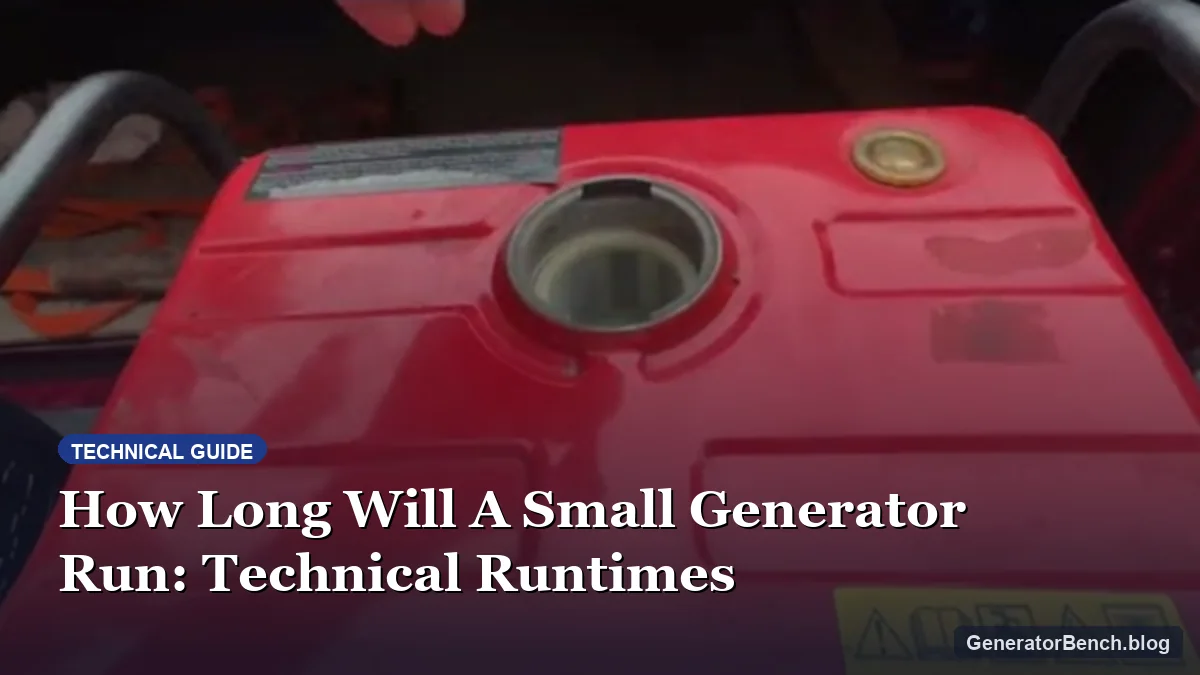
Small generators typically run between four to twelve hours depending on fuel tank size and applied electrical load percentage.
Looking for matching picks? See our Best Small Electric Generator.
Practical Quick-Reference Table
| Scenario / Metric | Recommended Target | Why It Matters |
|---|---|---|
| Fuel Tank Capacity | 1.0 to 3.5 Gallons | Directly dictates baseline continuous operation hours. |
| 25 Percent Load | 8 to 14 Hours | Maximizes fuel efficiency for light electronics. |
| 50 Percent Load | 5 to 8 Hours | Provides balanced power for medium household appliances. |
| 100 Percent Rated Load | 3 to 5 Hours | Accelerates fuel consumption and engine wear rates. |
| Ambient Temperature | Below 85 Fahrenheit | Prevents carburetor vapor lock and thermal derating. |
| Altitude Adjustment | Jetting under 5000 ft | Restores stoichiometric air-fuel ratio for efficiency. |
Fuel Capacity And Consumption Calculations
Small portable mechanical generators rely strictly on limited fuel tank volumes to sustain continuous electrical output during unexpected power outages or remote camping excursions safely.
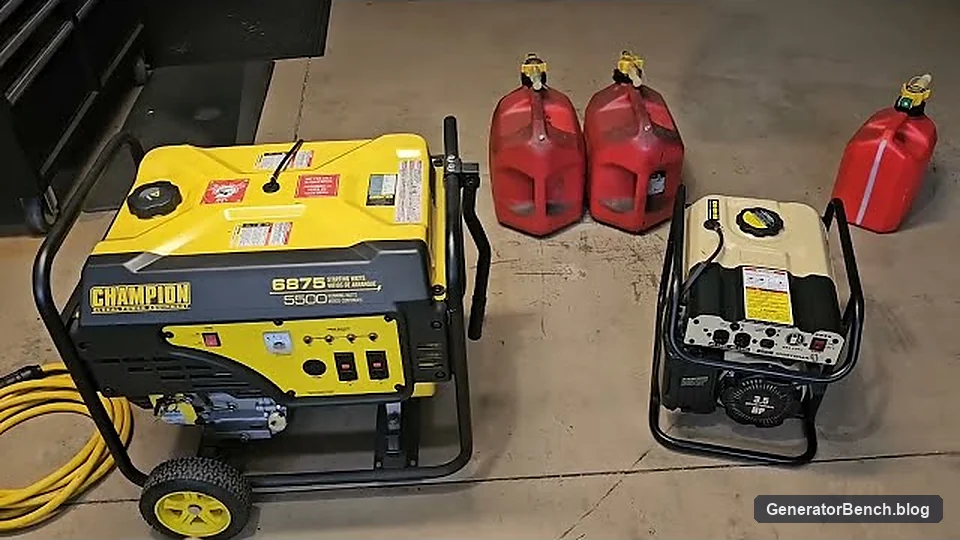
Engine displacement directly dictates fuel consumption rates under specific electrical loads measured in running watts rather than peak starting surge capacity ratings.
Operators must examine exact manufacturer fuel consumption charts mapping gallons per hour against specific electrical draw increments to predict accurate runtimes.
Gasoline storage degradation also affects engine efficiency over time, requiring fresh fuel stabilization practices to maintain optimal combustion chambers.
Calculating runtime requires dividing tank capacity by hourly fuel usage. Choosing the best small generator for home backup guarantees reliable baseline operational windows during extended regional grid outages.
Gasoline density averages 6.0 pounds per gallon, releasing roughly 114,000 BTUs of thermal energy. Inverter generators burn less fuel at partial loads because engine speed modulates automatically to match electrical demand.
Propane tanks are rated in pounds rather than fluid gallons. A standard 20-pound cylinder contains about 4.7 gallons of LPG, yielding lower overall runtimes than gasoline due to reduced energy density.
Always maintain a safety margin of 10% inside the fuel tank to account for thermal expansion. Overfilling prevents proper venting, leading to fuel starvation or hazardous carburetor flooding during hot weather operations.
- Measure exact usable fuel tank volume accurately.
- Consult manufacturer gallons-per-hour consumption curves.
- Account for fuel volatility and chemical degradation.
- Inspect fuel lines for micro-cracks preventing leaks.
Evaluating Fuel Burn Rate Formulas
Calculating precise runtime requires dividing total tank capacity by the hourly fuel consumption rate at your specific electrical load percentage safely.
Always factor in a safety reserve margin by stopping operation before the tank runs completely dry to protect fuel pumps.
- Divide tank size by hourly burn rate.
- Leave ten percent fuel reserve margin.
Load Variability And Inverter Efficiency
Electrical load fluctuations directly alter engine throttle response and overall fuel consumption across conventional and modern inverter generator architectures.
Inverter units automatically adjust engine RPM to match required electrical demand, drastically improving runtime duration during low-wattage operational phases.
Conventional open-frame generators run at a constant three thousand six hundred RPM regardless of connected load, increasing fuel usage.
Managing high-surge appliances like refrigerators requires monitoring instantaneous power spikes that temporarily reduce overall operating efficiency metrics.
Electrical loads fluctuate constantly when running refrigerators, pumps, and electronics. Inverter alternators convert raw AC power to DC and invert it back to clean AC power, maintaining stable voltage regardless of engine RPM.
Running a generator at 25 percent load drastically improves fuel economy compared to running at maximum capacity. However, extremely low loads can cause unburned fuel buildup, known as wet stacking, in conventional engines.
Surge wattage requirements dictate how long a small generator will run safely. Choosing the best generator to run small air conditioner models ensures smooth startup handling for heavy compressor motors.
Modern THD (Total Harmonic Distortion) stays below 3 percent on quality inverters. This protects sensitive medical devices and microprocessors while ensuring the alternator operates within its optimal electrical efficiency curve.
- Inverters modulate RPM based on electrical demand.
- Conventional units maintain constant high engine speeds.
- Stagger appliance startup sequences to limit surges.
- Monitor digital watt meters for real-time draw.
Understanding Eco Mode Mechanics
Activating variable throttle modes allows small inverter generators to throttle down smoothly when running light electronic devices safely.
This technological feature reduces acoustic emissions while conserving precious fuel reserves during extended overnight emergency power scenarios.
- Engage intelligent throttle for lighter loads.
- Verify steady frequency output during speed shifts.
Video Walkthrough: How Long Will a Generator Run?
Ambient Temperature And Altitude Impacts
Environmental conditions significantly influence internal combustion engine efficiency, altering predicted runtime estimates during extreme weather events or mountain camping.
High ambient temperatures reduce air density, leading to rich air-fuel mixtures that diminish power output and accelerate fuel consumption rates.
Operating generators at elevated altitudes above five thousand feet requires specific carburetor main jet adjustments to restore proper combustion stoichiometry.
Failure to adjust for high elevation causes incomplete fuel burning, resulting in soot buildup and noticeably shortened operational runtimes.
Atmospheric pressure drops significantly as elevation increases, reducing engine power output by roughly 3.5 percent per 1,000 feet. High-altitude carburetion requires smaller main jets to prevent an overly rich fuel mixture.
Ambient temperatures heavily influence fuel vaporization and engine cooling efficiency. Operating in extreme heat above 100 degrees Fahrenheit forces the cooling fan to work harder, indirectly increasing overall mechanical fuel consumption.
Cold weather winter camping introduces icing risks inside the carburetor throat. Using winter-blend gasoline helps vaporization, but extended freezing temperatures degrade battery cranking capacity unless stored in a heated enclosure.
Density altitude calculations combine temperature, humidity, and barometric pressure. Technicians rely on these metrics to adjust governor spring tension and ensure stable frequency output across variable mountain weather conditions.
- Factor in density altitude for power derating.
- Install high-altitude carburetor jets when necessary.
- Ensure adequate ventilation around hot exhaust zones.
- Monitor cylinder head temperatures during heatwaves.
Managing Thermal Load Constraints
Excessive ambient heat forces cooling fins to work harder, occasionally triggering thermal overload shutdowns before fuel tanks are emptied.
Positioning equipment in shaded, well-ventilated enclosures prevents premature engine overheating and maintains standard fuel efficiency benchmarks.
- Keep units away from direct sunlight.
- Maintain unobstructed airflow paths around housings.
Battery Reserve And DC Output Interactions
Many small inverter generators feature auxiliary direct current charging ports designed to replenish twelve-volt marine or automotive battery banks efficiently.
Utilizing DC output channels draws auxiliary energy from the alternator winding, slightly altering the primary fuel consumption calculation metrics.
Charging auxiliary batteries while simultaneously drawing heavy alternating current loads can trigger internal thermal protections and shut the unit down.
Balancing direct current charging times with household AC loads prevents unexpected generator stalls. Using our wattage sizing calculator helps prevent overloads during critical emergency response situations.
Many modern inverters feature 12-volt DC charging ports alongside standard AC receptacles. Drawing current from auxiliary DC ports diverts small amounts of total energy away from the primary inverter circuit board.
Charging depleted deep-cycle marine batteries places a continuous parasitic load on the alternator. A 10-amp DC output draws roughly 120 watts continuously, marginally reducing the total runtime available for AC appliances.
Lithium and AGM auxiliary battery banks require precise voltage regulation during bulk charging phases. Overloading the DC circuit breaker will trip internal fuses, cutting off auxiliary power without stopping the main engine.
Integrating solar panels with generator DC inputs demands reverse-current blocking diodes. Unregulated back-feed can fry the inverter module, destroying solid-state rectifiers and permanently disabling auxiliary charging capabilities during emergencies.
- Monitor combined AC and DC output loads.
- Use dedicated smart chargers for battery banks.
- Inspect DC circuit breakers for thermal trips.
- Disconnect auxiliary charging during peak demand.
Optimizing Auxiliary Charging Cycles
Limiting DC charging to off-peak hours preserves maximum generator stability and prevents unnecessary engine strain during heavy usage windows.
Always verify correct polarity connections when utilizing auxiliary direct current ports to protect internal charging rectification circuits.
- Schedule battery charging during low load phases.
- Check cable connections for secure contact.
Maintenance Factors Affecting Burn Rates
Neglected mechanical maintenance directly degrades small engine efficiency, causing increased fuel consumption and drastically reduced overall operational runtimes.
Clogged foam air filters restrict necessary airflow, creating a rich combustion mixture that wastes fuel and fouls spark plug electrodes.
Worn spark plugs produce weak ignition sparks, leading to incomplete fuel combustion cycles and noticeable reductions in runtime performance.
Routine oil changes reduce internal mechanical friction, allowing pistons to move freely and maintain optimal fuel economy over years.
Clogged air filters restrict airflow, forcing the carburetor to draw a richer fuel mixture. Replacing paper elements every 100 operating hours restores stoichiometric ratios and prevents excessive unburned fuel wastage.
Spark plug gap tolerances directly impact combustion efficiency and fuel economy. A fouled plug with an incorrect 0.030-inch gap causes misfires, increasing fuel consumption while dropping total electrical power output significantly.
Valve clearance adjustments must be performed annually on overhead valve engines. Tight valves prevent proper combustion chamber sealing, leading to compression loss and forcing the engine to burn more fuel to maintain RPM.
Stale fuel gums up micro-jets inside the carburetor float bowl. Adding a stabilizer additive prevents varnish buildup, ensuring fuel flows at the precise volumetric rate required for optimal factory efficiency.
- Clean or replace foam air filters regularly.
- Inspect spark plug gaps and electrode condition.
- Change crankcase oil at recommended intervals.
- Check valve clearances for proper mechanical timing.
Carb Maintenance And Fuel Quality
Varnish deposits in carburetor jets restrict fuel flow evenly, causing surging engine speeds and erratic power delivery during operation.
Using fresh, stabilized fuel prevents gum accumulation and ensures the engine runs at peak efficiency throughout its rated lifespan.
- Drain carb bowls before long-term storage.
- Use ethanol-free fuel whenever easily accessible.
Calculating Partial Versus Rated Loads
Understanding the difference between peak starting wattage and continuous running wattage is vital for determining accurate generator runtimes.
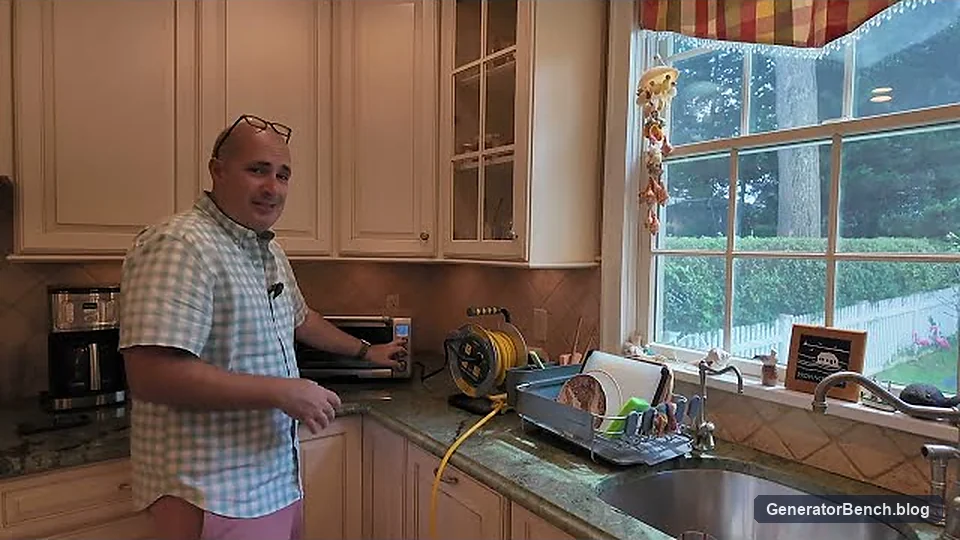
Running a small generator at twenty-five percent load stretches fuel supplies significantly. Selecting the best small electric generator guarantees optimal efficiency during extended household power outages.
Mapping out exact appliance wattage requirements prevents accidental overload conditions while maximizing the duration of your emergency power supply.
Keep a detailed log of connected devices to maintain safe operating margins well below the manufacturer maximum continuous rating.
Rated wattage represents the continuous power output a generator can supply safely. Running units at 50 percent load typically doubles operational runtime compared to running at maximum continuous capacity limits.
Add up the running watts of all connected appliances to find your baseline electrical demand. Multiplying this sum by 1.25 provides a safety buffer preventing thermal overload during sudden operational spikes.
Power factor values alter how much real power appliances consume. Inductive loads with a 0.8 power factor require factoring apparent power, ensuring your load calculations reflect actual alternator fuel burn realities.
Splitting heavy loads across dual 120-volt circuits balances stator winding temperatures. Balanced phase loading prevents localized overheating, preserving insulation integrity and sustaining peak generator efficiency over long runtimes.
- Differentiate between surge and running watts.
- Keep total load below seventy-five percent capacity.
- Add up appliance nameplate ratings meticulously.
- Stagger heavy motor startup currents carefully.
Practical Load Management Strategies
Rotating high-wattage appliances on and off prevents continuous heavy loading and extends both fuel runtime and engine longevity.
Prioritizing essential medical devices and refrigeration over comfort items ensures maximum efficiency during prolonged utility grid failures.
- Rotate high-draw appliances periodically.
- Prioritize critical medical and cooling loads.
Real-World Field Testing Protocols
Conducting controlled runtime tests under known electrical loads provides the most accurate estimation of your specific generator capabilities.
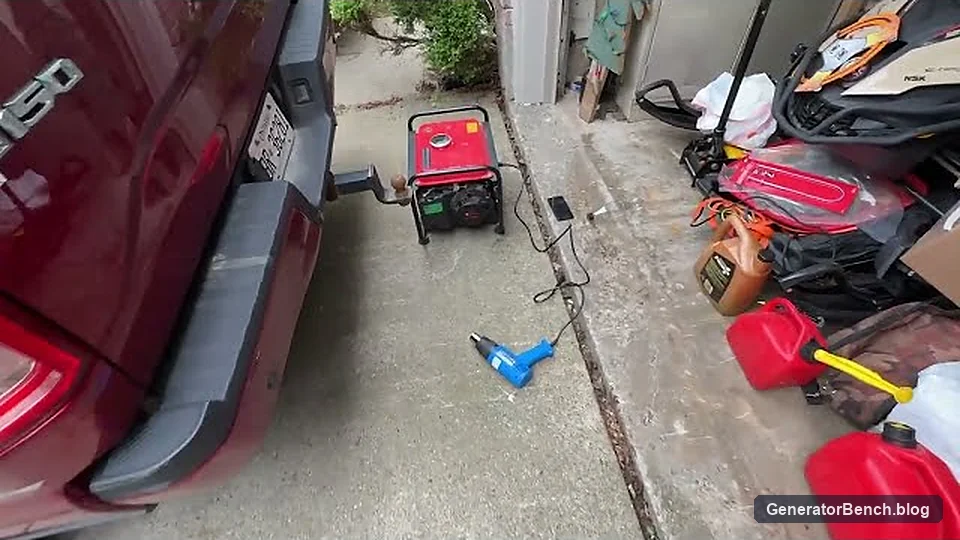
Set up a baseline test by connecting measured resistive loads like space heaters while timing fuel consumption down to exhaustion.
Document ambient temperature, fuel quality, and throttle mode settings during each field test to establish reliable historical performance records.
Comparing real-world test results against manufacturer specifications helps identify hidden mechanical inefficiencies or impending maintenance requirements.
Field testing requires calibrated multimeters and clamp-on watt meters to measure true power draws. Technicians log fuel consumption against a measured resistive load bank to establish verifiable baseline runtime charts.
Always let the engine reach normal operating temperature before recording fuel burn rates. Cold cylinder walls create incomplete combustion, skewing initial fuel consumption metrics during the first fifteen minutes of testing.
Monitor ambient humidity and barometric pressure using a portable Kestrel weather meter. Environmental variables must be factored when comparing field test data against standardized manufacturer laboratory performance specifications.
Document all maintenance history and fuel grades used during extended durability trials. Recording these parameters helps isolate variables affecting thermal efficiency and ensures accurate runtime predictions for end users.
- Perform controlled runtime tests safely outdoors.
- Use resistive test banks for accurate loads.
- Record fuel burn rates under varying conditions.
- Establish baseline performance logs for maintenance.
Safety Precautions During Field Tests
Always maintain proper outdoor ventilation during fuel burn tests to prevent dangerous carbon monoxide gas accumulation in enclosed spaces.
Allow the engine to cool completely before refueling to eliminate fire hazards associated with hot exhaust system components.
- Operate test units outdoors away from structures.
- Let engines cool before adding fresh fuel.
Frequently Asked Questions
How long will a small generator run on one gallon of gas?
A small generator typically runs between three to five hours on a single gallon of gasoline depending on the connected electrical load. Lower loads extend this duration significantly.
Does Eco Mode really improve generator runtime?
Yes, Eco Mode reduces engine speed during low-wattage operation to conserve fuel. This feature can extend runtime by several hours during light-load scenarios.
How does altitude affect small generator fuel efficiency?
Higher elevations reduce air density, causing rich fuel mixtures that decrease power output. Installing high-altitude carburetor jets restores proper combustion efficiency.
What is the best load percentage for maximum fuel runtime?
Operating at approximately twenty-five to fifty percent of rated capacity balances fuel consumption and efficiency. Avoid running continuously at maximum rated capacity.
Why does my generator run out of gas faster than expected?
Increased electrical loads, dirty air filters, or high ambient temperatures can accelerate fuel consumption. Regular preventive maintenance ensures optimal fuel burn rates.