How Do You Ground a Portable Generator Safely
Proper grounding protects operators from lethal electrical faults and stabilizes voltage output. Understanding electrical paths prevents catastrophic equipment damage during unexpected emergency outages.

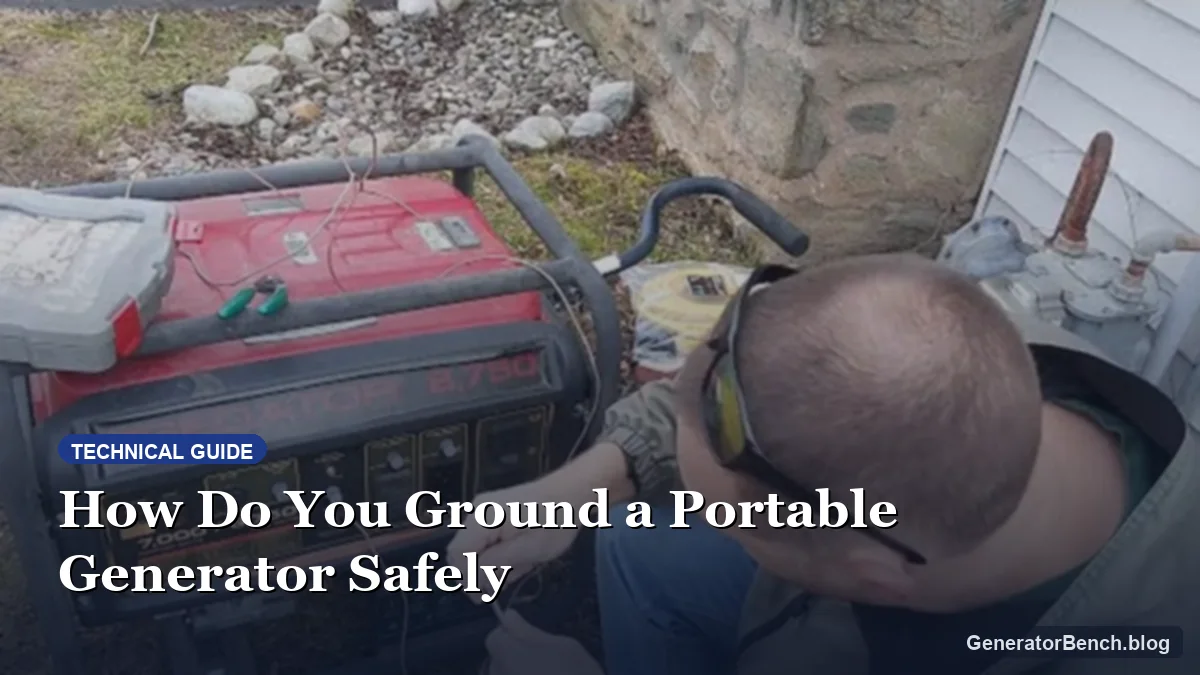
Always drive a solid copper-bonded rod at least 8 feet into earth and connect heavy-gauge wire securely to the designated frame terminal.
Looking for matching picks? See our Best Portable Electric Generator.
Practical Quick-Reference Table
| Scenario / Metric | Recommended Target | Why It Matters |
|---|---|---|
| Earth Rod Depth | Minimum 8 feet deep | Reaches moist subterranean soil layers |
| Conductor Wire Gauge | 8 AWG stranded copper | Handles maximum surge currents safely |
| Generator Frame Type | Floating vs Bonded Neutral | Determines internal fault protection design |
| Clamp Torque Rating | Firm mechanical tension | Prevents high-resistance thermal hotspots |
| Field Laboratory Use | Isolated technical earth | Eliminates sensitive electronic measurement noise |
| Mobile Transit Setup | Chassis bonding jumper | Prevents stray dynamic induction currents |
Understanding Electrical Grounding Fundamentals
Electrical grounding establishes a direct physical pathway between your power equipment and the general mass of the earth. This connection diverts stray voltage away from the operator.
Without proper grounding, insulation failures inside alternators can energize metallic frames. Operators touching these frames risk severe electrocution during wet weather conditions.
National electrical codes mandate specific grounding procedures for units listed in our best portable electric generator rankings. Compliance ensures overcurrent protective devices trip instantly.
Understanding this foundational concept helps technicians differentiate between equipment grounding and system grounding. Each serves a distinct safety function in field operations.
- Establishes a zero-voltage reference point for safety systems
- Diverts hazardous fault currents harmlessly into subterranean soil layers
- Prevents dangerous static electricity accumulation during high-wind operations
- Complies with recognized national electrical installation standards
The Physics of Subterranean Dissipation
Earth acts as a massive conductive sink capable of absorbing high fault energy safely. Soil moisture content directly influences overall grounding resistance measurements.
Low soil resistance ensures rapid breaker tripping when internal shorts occur within connected loads. Dry sandy soils often require chemical enhancements to improve conductivity.
- Measure soil resistance using specialized multi-meter test equipment
- Target resistance values below twenty-five ohms for standard setups
Frame-Bound Versus Floating Neutral Configurations
Choosing the right best portable generator for home use requires understanding internal alternator configurations. Units typically feature either a bonded neutral or a floating neutral design.
A bonded neutral connects the alternator neutral conductor directly to the metallic frame. Most standard residential backup generators utilize this factory wiring arrangement.
Floating neutral units keep the neutral isolated from the machine chassis until bonded externally. Connecting these incorrectly creates dangerous parallel current paths.
Reviewing your owner manual prevents wiring conflicts when feeding transfer switches or standalone distribution panels.
- Inspect alternator terminal boxes for factory bonding jumpers
- Consult wiring schematics before deploying manual transfer switches
- Avoid redundant earth rods on bonded generators feeding home panels
- Maintain isolated grounding schemes for sensitive entertainment electronics
Identifying Alternator Internal Wiring
Use an ohmmeter to check continuity between the neutral receptacle slot and the frame. Zero resistance indicates a factory-bonded neutral system.
High resistance or open circuit readings confirm your unit features a floating neutral design.
- Always disconnect engine spark plugs before performing resistance tests
- Verify meter settings accurately before touching internal wiring blocks
Video Walkthrough: When You DO and DO NOT Need to Ground Your Generator [Extension Cord Use \u0026 Backfeeding a Home]
Selecting Proper Hardware and Conductor Gauges
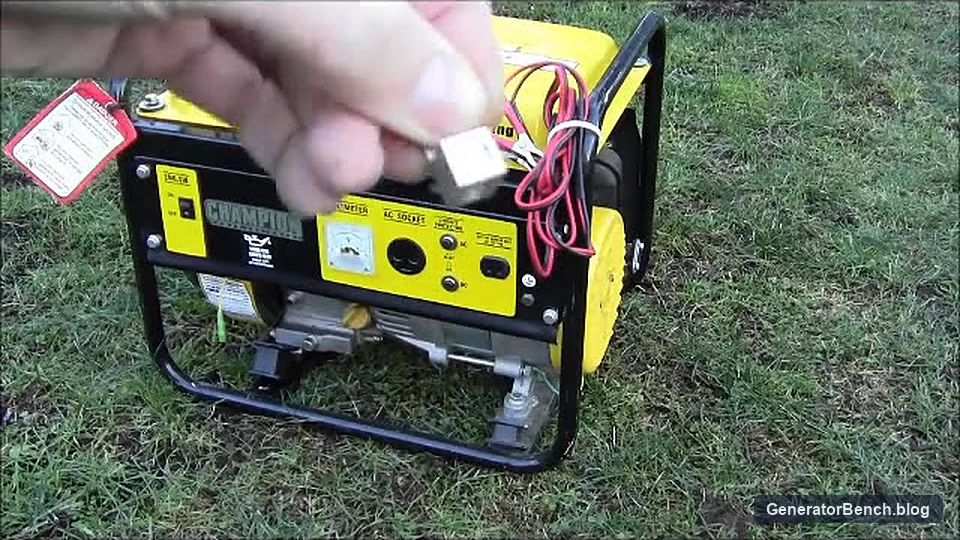
Choosing correct hardware ensures your connection remains mechanically sound and electrically conductive over time. Never compromise on conductor thickness or clamp quality.
Standard installations require a solid copper-clad steel rod measuring at least eight feet in length. Thinner rods bend easily during hard-packed soil insertion.
Use 8 AWG bare copper wire for connecting the grounding lug to your earth rod. Thinner wires may melt under high fault current loads.
Corrosion-resistant brass or bronze clamps ensure long-term electrical contact without galvanic degradation.
- Select UL-listed grounding rods marked with manufacturer stamps
- Avoid aluminum wire outdoors due to rapid oxidation risks
- Inspect hardware for visible manufacturing defects prior to installation
- Use heavy-duty mechanical thumb screws for secure terminal attachment
Evaluating Clamp Material Compatibility
Dissimilar metals accelerate galvanic corrosion when exposed to damp outdoor soil environments. Always match brass clamps to copper conductors.
Stainless steel hardware offers superior resistance against acidic soils and prolonged moisture exposure.
- Coat connection points with conductive anti-oxidant paste
- Avoid mixing aluminum components with bare copper wire runs
Driving the Earth Rod and Securing Clamps
Physical installation requires swinging a heavy sledgehammer or utilizing a specialized pneumatic driver tool. Drive the rod straight down into undisturbed earth.
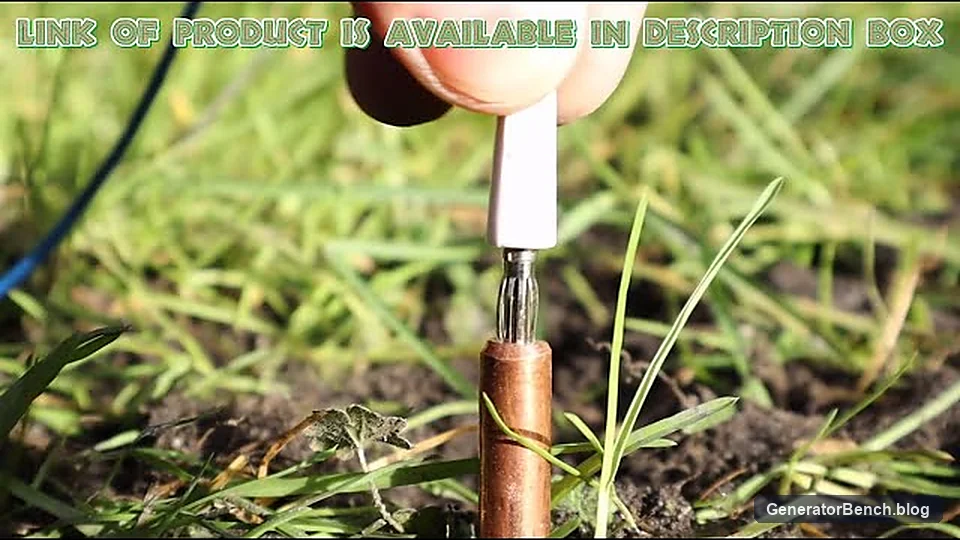
Leave approximately three inches of the rod exposed above ground level for clamp attachment. Angled driving increases soil displacement resistance and weakens performance.
Attach the grounding clamp firmly to the exposed rod tip using a wrench. Tighten until the mechanical pressure deforms the copper conductor slightly.
Run the continuous wire cleanly back to the exterior frame grounding lug without sharp bends.
- Wear heavy leather gloves and safety glasses during driving
- Clear underground utility lines before driving rods into earth
- Torque clamp bolts to manufacturer-specified mechanical limits
- Protect exposed wire runs from physical lawnmower damage
Overcoming Hard-Packed Rocky Soil
Dry clay and rocky terrain make driving eight-foot rods exceptionally difficult for single operators. Pouring water around the rod base softens stubborn ground.
Drive the rod at an angle not exceeding forty-five degrees if solid bedrock prevents vertical placement.
- Soak surrounding soil thirty minutes prior to driving attempts
- Never cut the ground rod short to ease installation depth
Integrating Portable Power in Science and Field Labs
Scientific field research equipment powered by any top best portable solar power generator demands extremely clean electricity. Proper grounding eliminates erratic sensor readings caused by voltage spikes.
Sensitive laboratory instruments require dedicated low-noise earth references to protect delicate internal microprocessors. Floating grounds often introduce unacceptable signal hum.
Isolate heavy motor loads from sensitive measurement gear using separate distribution circuits and dedicated earth pathways.
Testing facilities must verify grounding integrity daily using specialized earth resistance loop testers.
- Shield signal cables from generator ignition interference fields
- Maintain separate earth stakes for sensitive instrumentation setups
- Monitor harmonic distortion levels using digital power analyzers
- Ensure all chassis housings share a common reference point
Mitigating Electromagnetic Interference Loops
Ground loops create unwanted voltage differentials that corrupt delicate scientific data acquisitions. Route power cables away from sensitive signal wiring.
Use braided copper shielding on all high-frequency equipment power cords.
- Keep power and signal lines separated by spatial distance
- Verify single-point grounding architectures across all lab instruments
Mobile Applications in Transportation and Transit
Generators mounted on service trucks or trailers present unique electrical hazards requiring specialized bonding techniques. Rubber tires insulate vehicles from earth.
Before selecting hardware using our wattage sizing calculator, note that vehicle-mounted units require robust chassis bonding rather than driven earth rods. Connect frames directly together.
Dynamic transit environments create constant vibration that loosens standard screw terminals over time. Use locking hardware on all mobile connections.
Inspect transit ground straps frequently for frayed strands or weather-related corrosion.
- Bond generator frames to truck chassis using heavy braided straps
- Check all fasteners for vibration-induced loosening before transit
- Verify continuity between fuel tanks and vehicle body panels
- Avoid dragging chains as a substitute for proper electrical bonding
Managing Transit Vibration Challenges
Constant road vibrations can shear rigid copper conductors attached to mobile generator frames. Flexible braided jumpers absorb mechanical shock effectively.
Install split-ring lock washers underneath all terminal retaining nuts.
- Inspect mobile grounding straps after every long highway transit
- Replace fatigued or work-hardened braided jumpers immediately
Routine Maintenance and Post-Event Inspection Protocols
Grounding systems degrade silently through soil oxidation and seasonal freeze-thaw ground cycles. Periodic maintenance ensures ongoing operational safety during emergencies.
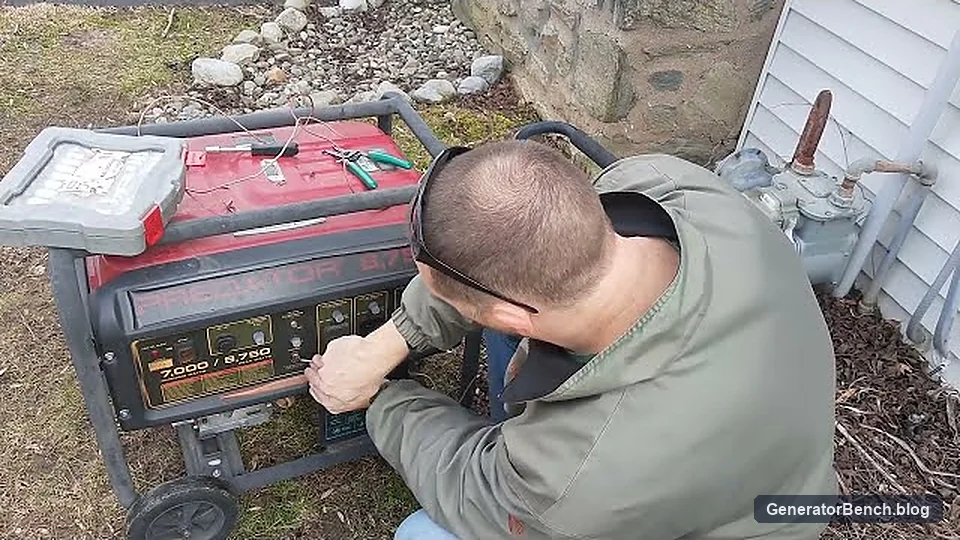
Inspect earth rod clamps annually for white powdery corrosion or loose mechanical tension. Clean oxidized contact surfaces using a wire brush.
Test earth resistance values after major floods or severe droughts alter surrounding soil moisture levels.
Document all maintenance checks in a dedicated generator service logbook for accountability.
- Perform annual visual inspections of all outdoor grounding clamps
- Clean corroded copper surfaces with fine abrasive emery cloth
- Retorque all mechanical terminal screws to factory standards
- Replace bent or heavily pitted ground rods immediately
Seasonal Soil Moisture Adjustments
Parched summer soils increase earth resistance and reduce protective fault diversion capabilities. Water the soil around rods during prolonged dry spells.
Frozen winter ground creates similar high-resistance electrical barriers requiring deeper rod placement.
- Monitor seasonal weather patterns affecting local soil conductivity
- Add bentonite clay backfill around rods in exceptionally sandy soils
Frequently Asked Questions
Do all portable generators require an external ground rod?
Units feeding standalone appliances directly through onboard receptacles typically do not require auxiliary rods. Always check your owner manual specifications before operating.
Can I connect my generator ground to a metal water pipe?
Modern codes restrict using plastic-inserted water lines for electrical grounding safety. Always drive a dedicated copper-bonded rod directly into earth.
What wire gauge is required for generator grounding?
Standard installations require at least an 8 AWG solid copper wire to handle surge currents. Thicker wire provides superior protection against thermal overload.
How deep must the earth grounding rod be driven?
Drive the rod a minimum of eight feet deep into undisturbed soil. This reaches moisture layers necessary for proper fault current dissipation.
What happens if a generator is left ungrounded?
Uncontrolled fault currents can energize metallic frames and cause lethal shocks. Proper grounding ensures automatic circuit breakers trip instantly during failures.