Genset Maintenance Checklist: Technical Operations Manual
Proper servicing extends equipment longevity. Follow these systematic protocols to ensure reliable standby power output.

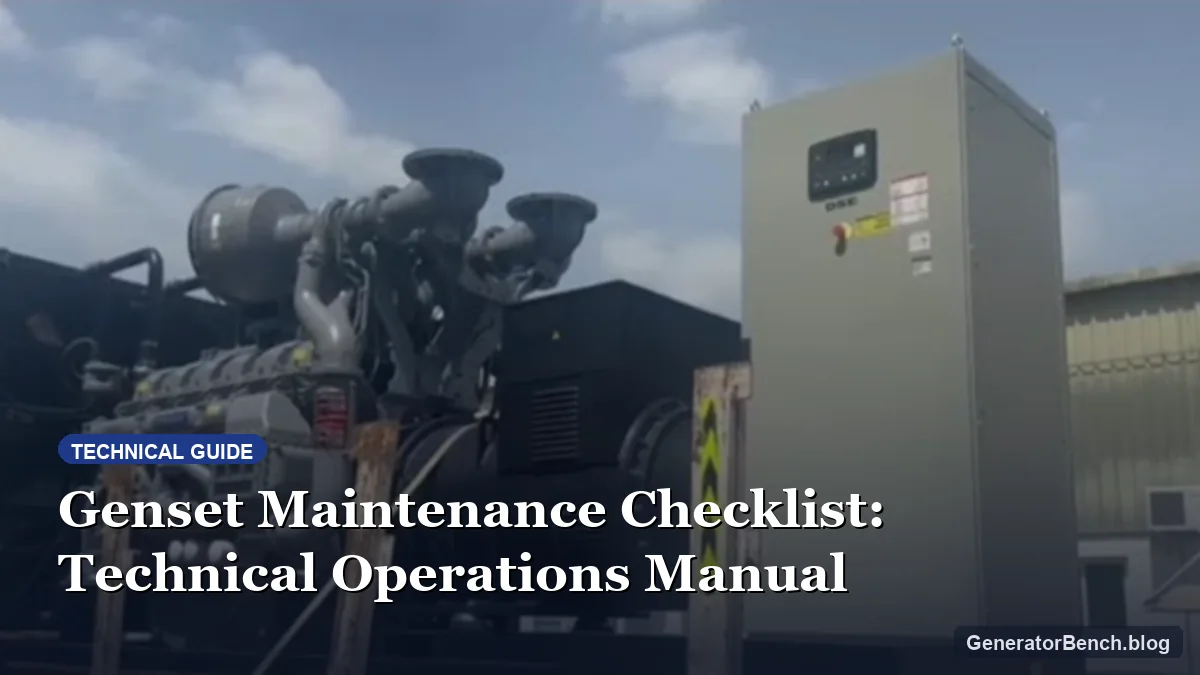
Routine physical inspections prevent catastrophic mechanical failures. Always record operating hours before executing scheduled fluid changes.
Looking for matching picks? See our Best Genset.
Practical Quick-Reference Table
| Scenario / Metric | Recommended Target | Why It Matters |
|---|---|---|
| Engine Oil | API Certified 15W-40 | Prevents internal component scoring |
| Air Filtration | Clean every 100 hours | Maintains proper stoichiometric ratio |
| Coolant System | 50/50 Glycol Mix | Prevents thermal cracking and scaling |
| Battery Voltage | 12.6V DC resting | Ensures immediate cranking response |
| Fuel Sediments | Drain bowl monthly | Eliminates injector clogging risks |
| Exhaust Backpressure | Under 2 inches Hg | Protects turbine blade integrity |
Core Fundamentals And Technical Sizing Parameters
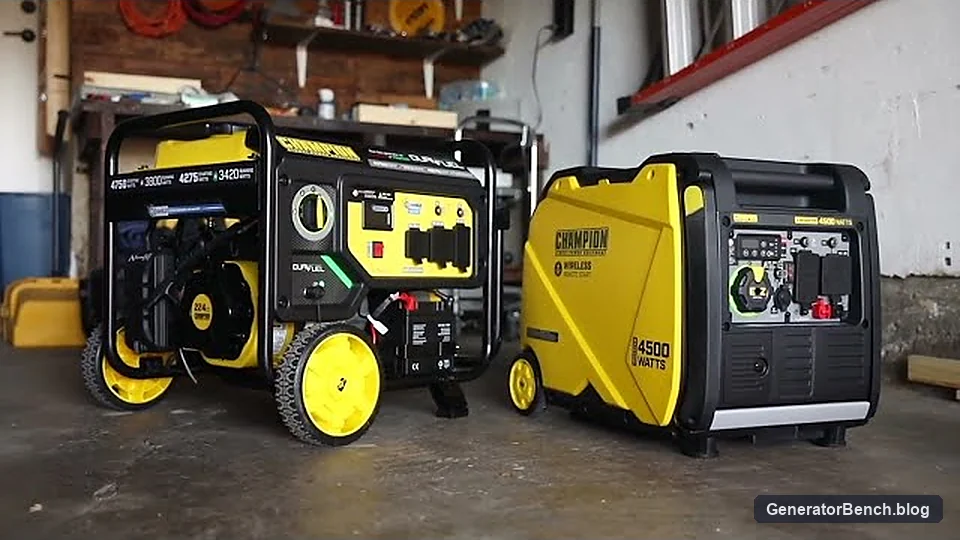
Understanding electrical loads prevents operational overload conditions. Generators require exact sizing calculations matching starting watts and running watts to maintain stable frequency output.
Inductive loads demand higher surge capacities during initial motor startup. Operators must catalog every connected appliance to prevent breaker trips and winding insulation degradation.
Ambient temperature and elevation severely impact rated power outputs. Reviewing derating charts ensures your generator supplies adequate current under extreme operating environments.
Fuel consumption curves dictate reserve planning during extended outages. Calculating fuel burn rates per kilowatt-hour helps schedule necessary refueling intervals safely.
When researching the best genset for your property, calculate peak running loads alongside starting surge requirements for inductive motors. Exceeding rated capacity accelerates thermal wear and destabilizes internal voltage regulators.
Ambient temperature and high altitude severely reduce prime mover power output. Apply a derating factor of three percent per one thousand feet of elevation gain and one percent for every ten Fahrenheit degrees above standard ambient limits.
Maintaining proper frequency stabilization prevents sensitive electronics damage during load acceptance steps. Modern digital controllers demand a tight frequency band where sixty Hertz systems must not drift beyond plus or minus one nominal cycle.
Fuel consumption curves dictate refuel intervals under varying operational block loads. Diesel units typically burn approximately seven gallons per hour at full load, requiring reliable secondary storage tanks meeting NFPA thirty safety codes.
- Calculate total starting wattage requirements accurately.
- Account for altitude derating factors continuously.
- Monitor fuel consumption at fifty percent load.
- Verify voltage regulation parameters under heavy loads.
Load Calculation Methodologies
Summing the running wattage of all active devices provides your baseline. Adding the highest starting surge requirement determines your minimum generator capacity.
Check manufacturer specifications for continuous versus peak ratings. Never exceed continuous thresholds during extended commercial or residential operation.
- List running watts for every attached appliance.
- Identify peak starting surge requirements.
Step By Step Inspection And Calibration Protocols
Operating the best genset for home use requires systematic evaluations to catch minor mechanical anomalies. Begin every service session by disconnecting negative battery cables to prevent accidental engine ignition.
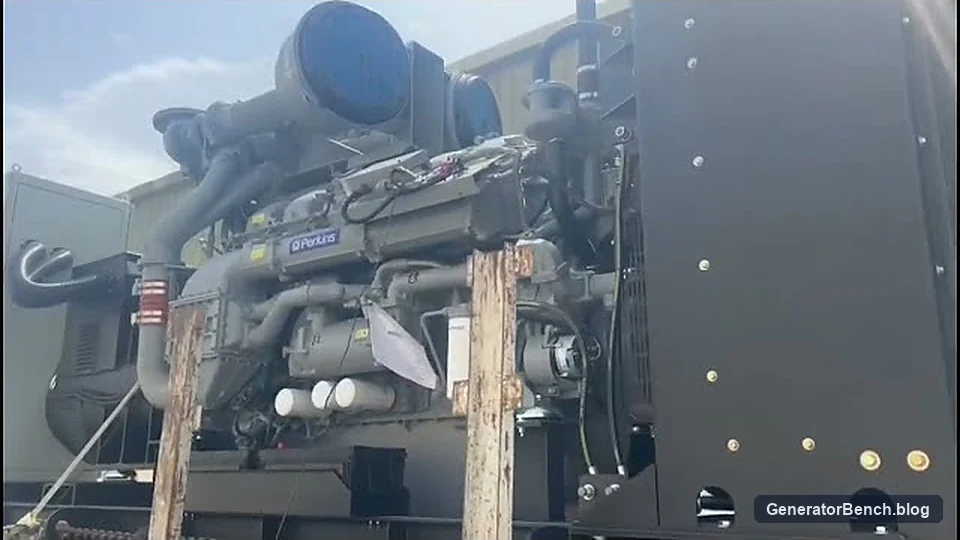
Inspect fuel lines for micro-cracks and brittle rubber fittings. Replace degraded hoses immediately using high-grade marine or industrial fuel line replacements.
Calibrate electronic governors to maintain strict fifty or sixty hertz frequencies. Accurate speed control protects sensitive microprocessors from damaging voltage spikes.
Test transfer switches for seamless transitions between utility and generator power. Verify mechanical interlocks prevent dangerous backfeed scenarios onto municipal grids.
Begin every maintenance cycle with a thorough visual survey checking for fluid leaks, loose vibration mounts, and frayed wiring harnesses. Inspect exhaust manifold gaskets for black soot trails indicating dangerous exhaust gas leaks.
Check battery terminal integrity using a torque wrench calibrated to manufacturer specifications. Apply anti-corrosion spray over lead posts, and verify resting voltage reads at least twelve point six volts before cranking.
Inspect the drive belt tension by applying moderate thumb pressure midway between pulleys. A properly tensioned serpentine belt should deflect roughly one half inch, preventing premature bearing failure on the alternator cooling fan.
Calibrate safety shutdown sensors monthly by simulating low oil pressure and high coolant temperature faults. Verify that the engine control module successfully cuts fuel delivery within three seconds of fault trigger initiation.
- Disconnect battery terminals prior to servicing.
- Inspect rubber fuel lines for dry rotting.
- Calibrate governor settings to exact frequency targets.
- Verify transfer switch interlock functionality securely.
Video Walkthrough: Generator Maintenance 101: The Basics
Comprehensive Lubrication And Fluid Management
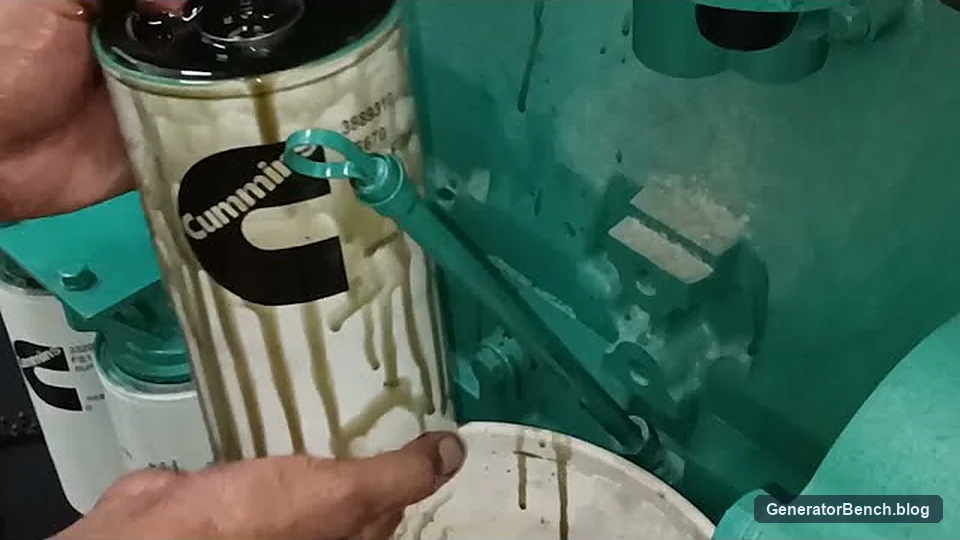
Clean engine oil lubricates critical internal bearings and piston rings effectively. Drain old oil while warm to suspend contaminants before replacing spin-on filters.
Synthetic formulations provide superior thermal stability during severe ambient heat conditions, reducing overall wear on internal components.
Coolant flushes remove mineral scale buildup within radiator cores efficiently. Maintain proper inhibitor concentrations to stop internal cavitation and prevent block corrosion.
Check hydraulic or governor fluid reservoirs for particulate contamination. Filter replacements keep control actuators operating with pinpoint mechanical precision.
Engine oil selection depends strictly on ambient operating temperatures and manufacturer viscosity grades. Synthetic fifteen W forty oils offer superior thermal stability and rapid cold weather circulation compared to conventional mineral formulations.
Perform routine oil changes every two hundred operating hours or annually, whichever arrives first. Drain the crankcase while the engine remains warm to suspend contaminants and ensure complete particulate removal through the oil drain plug.
Coolant maintenance requires testing glycol concentration levels using a calibrated refractometer. Maintain a fifty-fifty mixture of ethylene glycol and distilled water to prevent internal cavitation and protect against freezing down to minus thirty Fahrenheit.
Before using our generator wattage sizing calculator, inspect secondary fuel water separators daily. Water intrusion corrodes high-pressure injector nozzles, leading to catastrophic engine misfires and expensive fuel system repairs.
- Warm engine before draining old crankcase oil.
- Match oil viscosity to seasonal temperature ranges.
- Flush cooling systems every five hundred hours.
- Replace spin-on fluid filters during every service.
Air Induction And Exhaust Filtration Systems
Restricted airflow chokes combustion chambers and lowers operational efficiency. Inspect paper filter elements regularly for dust compaction and moisture damage.
Clean foam pre-filters using approved solvent solutions before re-oiling them. Proper oil saturation traps microscopic debris without blocking necessary intake airflow.
Exhaust manifolds require rigorous inspection for carbon buildup and gasket leaks. Gasket failures release toxic carbon monoxide into surrounding equipment enclosures.
Spark arrestors demand periodic cleaning to prevent dangerous wildfire ignitions. Remove carbon deposits using a wire brush before reinstalling safety components.
Restricted air filters starve combustion chambers of oxygen, causing black smoke and degraded fuel efficiency. Replace paper element filters whenever differential pressure gauges indicate a restriction exceeding twenty five inches of water column.
Inspect heavy-duty rubber intake boots and hose clamps for dry rotting and air leaks. Unfiltered dust bypassing the primary media will rapidly score cylinder walls and destroy precision piston rings inside your prime mover engine.
Check crankcase breather filters regularly to prevent excessive internal pressure from blowing out oil seals. A clogged breather tube forces oil vapor into the turbocharger compressor and ruins downstream intake pathways within closed ventilation loops.
Examine the entire exhaust muffler and rain cap assembly for rust perforation or structural cracking. Ensure the flexible exhaust bellows is securely bolted to isolate engine vibrations from the rigid building pipework and prevent exhaust leaks.
- Inspect paper air filter elements monthly.
- Wash foam pre-filters with approved solvents.
- Check exhaust gaskets for combustion leaks.
- Clean spark arrestors to remove carbon deposits.
Electrical Testing And Alternator Maintenance
Alternators generate alternating current through rotating magnetic induction fields. Test stator windings for resistance anomalies using a calibrated digital multimeter.
Brushless designs rely on rotating exciters and automatic voltage regulators. Inspect AVR terminals for corrosion and secure terminal wire connections.
Slip rings on brushed units require cleaning with non-residue solvents. Check carbon brush lengths to ensure continuous electrical contact with rotors.
Grounding rods must maintain low-resistance earth connections for operational safety. Verify continuity between the generator frame and designated earth grounding electrodes.
Alternator windings accumulate moisture and conductive dust during extended storage periods. Measure insulation resistance using a five hundred volt megohmmeter to confirm winding health before energizing the main output circuit breaker.
Inspect slip rings and carbon brushes for excessive scoring, pitting, or wear beyond minimum service limits. Brushes must slide freely in their holders with adequate spring tension to maintain consistent electrical contact during high load operations.
Verify automatic transfer switch communication protocols and test control wiring continuity annually. Confirm that generator auxiliary contacts reliably switch position to initiate emergency backup power within ten seconds of utility failure.
Measure phase-to-phase and phase-to-neutral voltages under a balanced facility load. Output voltage asymmetry must not exceed one percent deviation, ensuring safe power delivery to sensitive three phase electrical equipment across the facility.
- Measure stator winding resistance with multimeters.
- Inspect automatic voltage regulator terminal connections.
- Check carbon brush wear on rotating armatures.
- Verify low-resistance frame grounding rod continuity.
Common Operational Mistakes And Troubleshooting
Running generators under light or no-load conditions causes wet stacking issues. Unburnt fuel accumulates in exhaust systems, degrading thermal conversion efficiency rapidly.
Neglecting fuel stabilization leads to varnish formation inside carburetors and injectors. Drain stale gasoline or diesel before storing units long-term.
Overlooking battery maintenance results in unexpected no-start conditions during outages. Clean corrosion from terminals and apply protective dielectric grease liberally.
Ignoring unusual vibrations can cause catastrophic structural fastener failures. Stop operations immediately to investigate unusual mechanical noises or binding drive shafts.
Running a diesel generator continuously under ultra-light loads causes wet stacking and unburned fuel accumulation. Prevent this damaging condition by applying at least a thirty percent load or running monthly load bank tests.
Ignoring minor coolant leaks or vibrating fuel lines invites catastrophic mechanical failures during extended outages. Always secure loose hardware immediately and replace fatigued hoses before initiating long duration emergency runs in critical facility environments.
Failing to exercise standby generators bi-weekly allows fuel to degrade and battery chargers to fail. Establish a mandatory routine testing schedule featuring no load exercise cycles coupled with quarterly full load test runs.
Overlooking proper lockout tagout procedures during maintenance work exposes technicians to lethal electrical hazards. Always disconnect the negative battery cable and open the main breaker before servicing internal rotating parts or high voltage terminals.
- Avoid prolonged no-load engine operation phases.
- Stabilize fuel supplies before long-term storage.
- Clean battery terminal corrosion on schedule.
- Investigate unusual engine vibrations immediately.
Environmental Protection And Safety Standards
Portable generators emit lethal carbon monoxide requiring strict outdoor placement rules. Position exhaust outlets away from windows, doors, and fresh air intakes.
Weatherproof enclosures protect sensitive control panels from moisture ingress. Never operate electrical equipment during heavy rainstorms without certified canopy protection.
Fuel storage must comply with local fire safety codes strictly. Store flammable liquids in approved safety containers away from potential ignition sources.
Ear protection remains mandatory when servicing running industrial generator units. High decibel levels can cause permanent hearing damage without proper PPE.
Compliance with local environmental regulations requires secondary containment basins capturing all spilled fuel and lubricants. These basins must safely hold one hundred ten percent of the primary fuel tank capacity to prevent groundwater contamination accidents.
Position outdoor enclosure exhausts away from building windows, air intakes, and pedestrian walkways. Carbon monoxide emissions pose lethal risks, requiring strict adherence to NFPA thirty seven safety clearances and local building code mandates.
Selecting equipment from a best genset brand ensures sound attenuation blankets maintain safe operating temperatures. Ensure cooling airflow paths remain completely unobstructed to prevent thermal overload shutdowns during summer operations.
Store flammable liquids and chemical additives in OSHA-approved safety cabinets equipped with proper ventilation. Maintain a fully inspected class BC fire extinguisher mounted directly adjacent to the generator enclosure for rapid emergency response.
- Position generators outdoors away from living spaces.
- Protect control panels from direct moisture ingress.
- Store fuels in approved safety containers.
- Wear certified hearing protection during servicing.
Frequently Asked Questions
How often should I perform a full genset oil change?
Execute your initial engine oil change precisely after the first fifty operating hours on all brand new heavy-duty machinery.
Subsequent preventive lubrication services must occur every one hundred hours or annually, relying strictly on your manufacturer specifications and severe duty environment conditions to protect internal bearings from premature mechanical wear.
What causes a generator to experience voltage drop under load?
Voltage drop typically happens when connected electrical loads exceed the continuous power rating capacity of the internal alternator.
Always inspect your automatic voltage regulator terminals for loose wiring and verify that engine speed remains locked at the proper frequency under heavy operating demands to prevent total power loss.
How can I prevent fuel degradation during long-term generator storage?
Prevent fuel degradation by adding a quality chemical stabilizer directly to the fuel tank before shutting down the unit.
Run the engine for ten minutes to circulate treated fuel through carburetors and fuel injectors, or completely drain the fuel system for extended storage periods to avoid varnishing.
Why is regular air filter maintenance critical for genset longevity?
Routine air filter maintenance stops abrasive dust particles from entering combustion chambers and scoring internal piston rings.
Always clean or replace dirty filter elements promptly to maintain proper stoichiometric ratios and protect your engine from premature internal wear and catastrophic mechanical failure during dusty conditions.
What safety precautions are required when operating a portable generator?
Operate portable generators exclusively outdoors in well-ventilated areas to prevent lethal carbon monoxide poisoning risks. Maintain adequate clearance from combustible building materials and never connect units directly to home electrical wiring without a certified transfer switch installed by licensed professionals.