Generator storage tips for long term equipment care
Proper preservation protects mechanical components during extended downtime. Technical preparation prevents costly fuel varnish and internal corrosion.

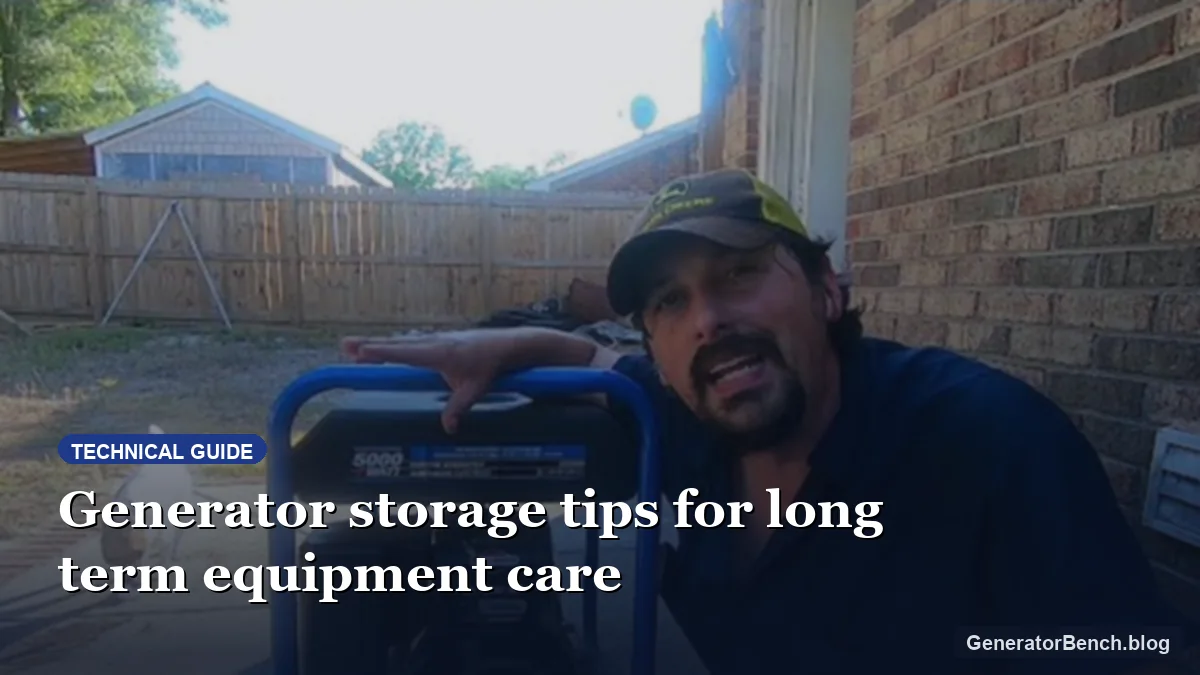
Always drain untreated fuel and apply cylinder fogging oil before shelving your unit. Proper sealing prevents internal oxidation across extended storage intervals.
Looking for matching picks? See our Best Generator For Long Term Power Outage.
Practical Quick-Reference Table
| Scenario / Metric | Recommended Target | Why It Matters |
|---|---|---|
| Fuel Stabilization | 24-Month Additive Life | Prevents varnish in jets |
| Storage Humidity | Below 50 Percent | Stops terminal oxidation |
| Cylinder Fogging | 2 Ounces Per Bore | Protects piston rings |
| Battery Float Charge | 13.2 Volts DC | Prevents sulfation damage |
| Exhaust Sealing | Vapor-Tight Plug | Blocks moisture and pests |
| Inspection Cycle | Every 60 Days | Catches early degradation |
Environmental Control and Facility Selection
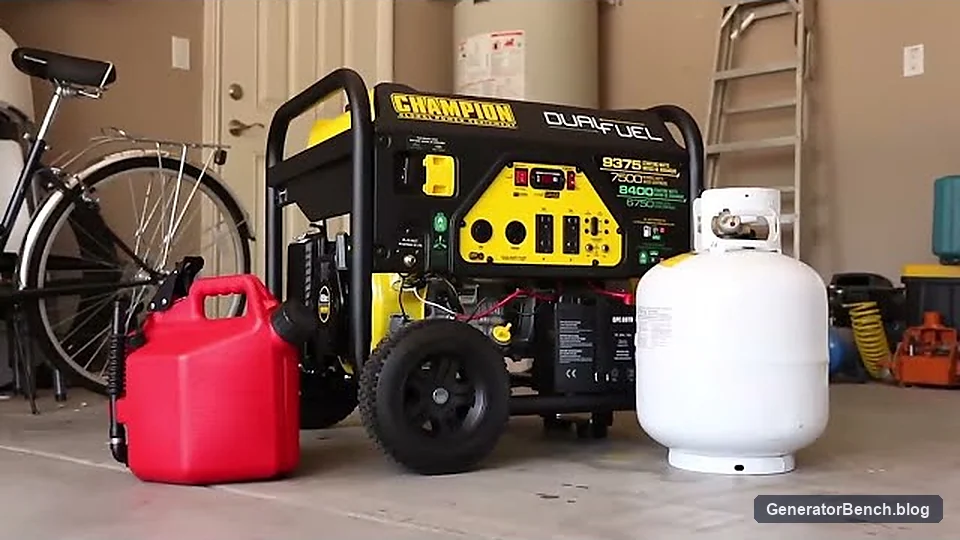
Selecting the correct indoor environment is critical for preserving sensitive generator components. Stable temperatures prevent destructive condensation cycles from forming on metal.
Avoid damp basements or unsealed sheds where humidity fluctuates wildly throughout seasons. Relative humidity must remain low to prevent terminal board corrosion.
Elevating the frame off concrete flooring stops moisture migration through the steel legs. Wooden pallets provide an effective barrier against rising ground dampness.
Ensure adequate ventilation even in storage to dissipate any residual fuel vapors safely. Air circulation prevents localized pockets of stagnant, moisture-laden air.
Select a storage facility maintaining relative humidity levels below 50 percent to prevent destructive internal corrosion, a key finding highlighted inside our predator 3500 generator long term review.
Position portable equipment at least three feet away from active chemical storage, pool chlorine supplies, or corrosive fertilizers that emit aggressive vapors capable of pitting aluminum engine blocks.
Ensure your designated storage floor provides adequate drainage slope and use composite rubber isolation pads underneath steel frame feet to eliminate direct moisture transfer from concrete slabs.
Maintain an ambient temperature range between 50 and 80 degrees Fahrenheit to protect rubber gaskets, fuel lines, and alternator insulation from thermal degradation over multi-month inactivity periods.
- Keep ambient temperatures between 50 and 80 degrees Fahrenheit.
- Use heavy-duty rubber mats beneath metallic equipment frames.
- Maintain at least three feet of clearance around the unit.
- Install digital hygrometers to monitor relative humidity levels daily.
Managing Seasonal Humidity Fluctuations
Spring and autumn temperature swings create ideal conditions for internal condensation. Desiccant packs placed inside the alternator housing absorb airborne moisture effectively.
Inspect moisture traps weekly during high-humidity months to verify dry conditions. Silica gel beads change color to indicate saturation and replacement needs.
- Deploy activated alumina bags inside control panel boxes.
- Seal louvered vents loosely with breathable mesh barriers.
Fuel System Stabilization and Carburetor Draining
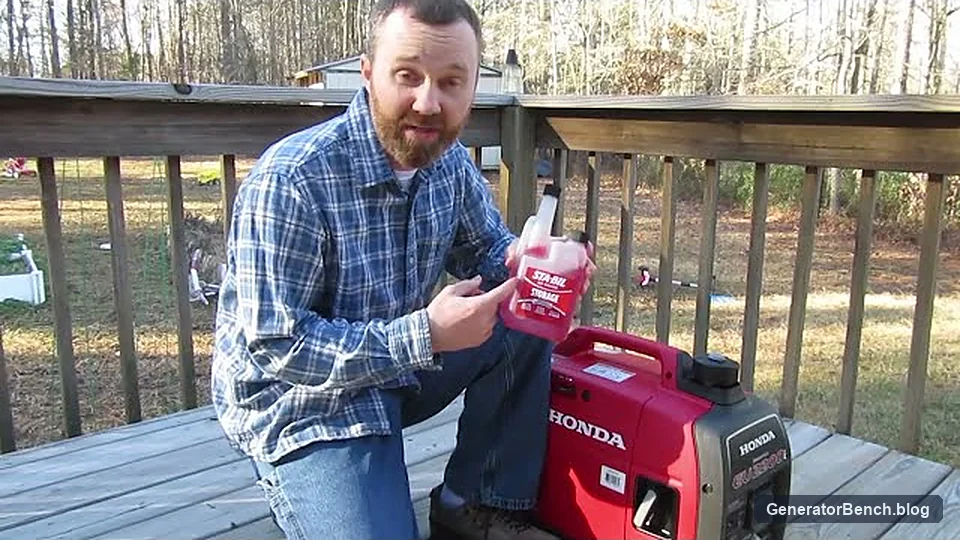
Modern gasoline degrades rapidly, leaving sticky varnish deposits inside tiny carburetor jets. Fuel stabilizer must be mixed thoroughly and run through the system.
Run the engine for ten minutes after adding stabilizer to coat all internal passages. Float bowl drains must then be opened to empty remaining liquid.
Allowing fuel to sit stagnant in the tank guarantees difficult starting later. Complete drainage is mandatory for storage exceeding ninety consecutive days.
Store drained gasoline in approved safety containers away from ignition sources. Safety protocols dictate proper chemical disposal or seasonal reuse.
Treat remaining gasoline inside the fuel tank immediately using a professional-grade stabilizer formulated with petroleum distillates designed to prevent varnish buildup within micro-channels during extended storage.
Run the engine for exactly ten minutes after adding the stabilizer to ensure treated fuel thoroughly permeates the carburetor float bowl, fuel lines, and microscopic jet orifices.
Turn the fuel valve to the closed position and loosen the brass float bowl drain screw to completely empty residual liquid gasoline into an approved safety container.
For inverter generators with integrated electronic fuel-injection systems, disconnect the quick-release line and pump out remaining liquid to protect sensitive internal injector pintles from gumming.
- Add high-grade fuel stabilizer to a fresh fuel container.
- Turn off the fuel valve and run the engine until dry.
- Drain the carburetor float bowl completely using a catch basin.
- Wipe away any spilled fuel immediately with absorbent rags.
Handling Inverter Fuel Tank Integrity
Enclosed inverter generators require precise steps to access internal fuel shutoff valves. Plastic tanks resist rust but remain vulnerable to chemical breakdown.
Siphon remaining fuel carefully if the unit lacks an accessible bottom drain plug. Hand pumps prevent accidental splashing on painted exterior housings.
- Disconnect spark plug leads before working near fuel lines.
- Inspect rubber fuel hoses for microscopic cracking or hardening.
Video Walkthrough: How to Store a Generator
Engine Oil Draining and Internal Cylinder Fogging
Dirty engine oil contains acidic combustion byproducts that etch internal metal bearings. Fresh oil should be installed right before placing the machine into storage.
Warm the engine slightly before draining to ensure complete contaminant removal. Proper viscosity guarantees protective coating across all moving parts inside.
Cylinder walls are highly susceptible to rust during prolonged periods of inactivity. Fogging oil sprays directly into the spark plug hole to coat surfaces.
Pull the recoil starter rope slowly several times to distribute the protective mist. Piston rings receive essential lubrication that stops friction damage later.
Warm up the engine for five minutes before draining used oil to suspend harmful combustion contaminants, then remove the oil drain plug completely to evacuate every drop.
Replace the spin-on oil filter with an OEM-certified unit and refill the crankcase with fresh 10W-30 synthetic oil up to the upper dipstick operating threshold.
Remove the spark plug and inject precisely one ounce of specialized fogging oil directly into the combustion chamber to coat cylinder walls against rust.
Pull the recoil starter rope slowly for three complete revolutions to distribute the atomized fogging oil evenly across valve seats, piston rings, and cylinder bore surfaces.
- Drain old oil while the engine remains slightly warm.
- Torque the oil drain plug to manufacturer specifications.
- Spray two ounces of fogging oil into the open spark plug port.
- Reinstall the spark plug loosely to keep debris outside.
Choosing the Correct Storage Lubricants
Standard motor oil fails to cling effectively to vertical cylinder walls over months. Specialized fogging sprays contain rust inhibitors designed specifically for storage.
Avoid using heavy greases that can gum up valve stems upon restart. Light petroleum films dissolve safely during the initial combustion cycle.
- Check aerosol expiration dates before application.
- Wear safety glasses when spraying pressurized fogging agents.
Battery Maintenance and Electrical Isolation Safeguards
Electric start generators rely on lead-acid or lithium batteries that slowly self-discharge. Disconnecting negative terminals stops parasitic draw from digital hour meters.
Connect the battery to an automatic smart charger during extended facility storage. Float charging maintains optimal voltage without causing overcharging damage.
Clean terminal posts with a wire brush to remove white corrosion buildup. Dielectric grease applied to connections prevents future atmospheric oxidation.
Store removed batteries in temperature-controlled spaces above freezing thresholds. Frozen electrolytes permanently ruin internal lead plates and plastic casings.
Disconnect the negative battery terminal first using insulated wrenches to prevent accidental short circuits against the steel frame when preparing units featured in our best generator for long term power outage.
Clean terminal posts with a wire brush and apply a protective layer of dielectric grease to inhibit oxidation and terminal sulfation during storage.
Connect lead-acid or AGM starter batteries to an intelligent automatic trickle charger maintaining a float voltage between 13.2 and 13.8 volts continuously.
Store removed starting batteries in a temperature-controlled environment away from freezing concrete floors to preserve overall amp-hour capacity and extend usable lifespan.
- Disconnect the negative battery cable first during teardown.
- Test resting voltage with a digital multimeter monthly.
- Apply anti-corrosion washers beneath terminal connection bolts.
- Keep charging equipment plugged into surge-protected wall outlets.
Managing Standby Inverter Battery Banks
Large home standby units house heavy sealed batteries requiring specific upkeep, similar to systems evaluated in our best generator for home backup power guide.
Inspect terminal wiring harnesses for signs of rodent chewing or chafing. Protective loom safeguards critical DC control wiring from damage.
- Verify automatic charger operational indicator lights weekly.
- Clean exterior battery trays with baking soda solution.
Enclosure Cleaning, Debris Removal, and Rodent Prevention
Dust and grass clippings attract moisture and corrosive acids to exterior panels. Thorough washing removes organic debris before storing the equipment away.
Mice and insects view dark generator housing as ideal nesting territory during off-seasons after you finish running estimates using our generator wattage sizing calculator.
Apply a light coat of protective wax to painted metal exterior surfaces. Corrosion inhibitors stop rust from forming on scratched frame sections.
Keep cooling fins clean of mud dauber nests and spider webs. Unrestricted airflow depends entirely on maintaining clean louvered intake grilles.
Wash exterior composite panels using mild automotive detergent and rinse thoroughly to remove corrosive road salts, dust, and acidic organic debris deposits.
Stuff non-flammable stainless steel mesh tightly into the exhaust muffler outlet and alternator cooling vents to block nesting rodents and insects.
Spray all unpainted exterior linkage springs and throttle pivots lightly with a non-drying silicone lubricant film to prevent rust and binding.
Inspect rubber grommets and wiring harness protective looms for cracks or abrasions, applying electrical tape where necessary to deter chewing pests.
- Wash exterior surfaces using mild automotive detergent solutions.
- Dry all metallic components completely with compressed air.
- Block exhaust outlets and air intakes with wire mesh.
- Place non-toxic repellent pouches inside the main housing.
Deterring Pests from Electrical Compartments
Rodents love chewing through insulated copper wiring harnesses inside control panels. Peppermint oil soaked cotton balls deter mice without toxic chemicals.
Seal any bottom cable entry holes using fine stainless steel mesh. Physical barriers stop chewing pests from gaining internal access.
- Avoid placing food-based baits near stored mechanical equipment.
- Inspect interior wiring looms for gnaw marks periodically.
Selection of Breathable Covers and Moisture Mitigation
Using cheap plastic tarps traps condensation against hot engine components, causing rust. Breathable canvas covers allow trapped moisture to escape safely outdoors.
Ensure the cover fits snugly to prevent wind flapping and abrasive rubbing. Elastic hems secure the protective material tightly around generator frames.
Never cover a warm generator immediately after shutting down operations. Thermal dissipation must occur completely before installing weather covers.
Lift the cover monthly to inspect for unexpected water pooling or leaks. Ventilated shelters provide superior protection compared to tight plastic sheets.
Avoid using standard plastic tarps that trap ambient condensation directly against painted metal surfaces and promote rapid rust formation.
Install a heavy-duty, weather-resistant fabric cover featuring micro-porous membranes that allow trapped moisture vapor to escape while blocking airborne dust particles.
Place multiple large rechargeable silica gel canisters inside the generator enclosure to actively absorb residual humidity throughout the extended storage cycle.
Ensure the bottom perimeter of the fabric cover remains raised slightly off the ground to promote continuous natural air circulation.
- Purchase custom-fit covers made from heavy polyester canvas.
- Avoid thin polyethylene sheets that trap ambient humidity.
- Clean canvas covers seasonally to prevent mold growth.
- Store uncovered units only inside clean, dry garages.
Indoor Dust Cover Maintenance
Indoor storage still exposes equipment to settling dust and abrasive grit. Light cotton sheets work well as indoor dust barriers.
Ensure fabric covers do not touch hot exhaust components directly. Clearance checks prevent accidental scorching or melting damage.
- Use breathable fabric instead of airtight vinyl indoors.
- Wash dust covers annually to maintain permeability.
Periodic Inspection Routines During Extended Storage Periods
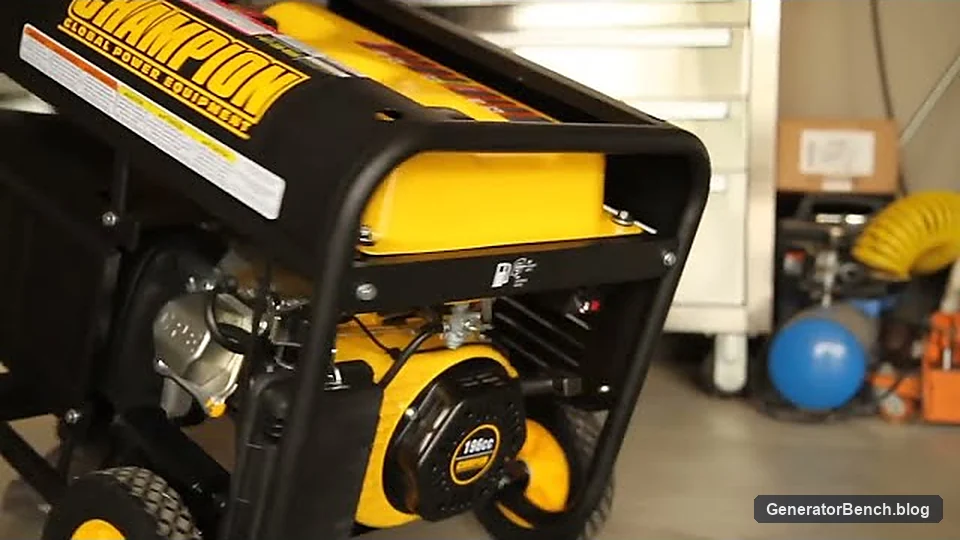
Neglecting stored equipment leads to unexpected failures during emergency situations. Bi-monthly inspections catch minor issues before they become major problems.
Check tire pressure on wheel kit models to prevent flat spots. Rubber degradation happens when weight sits on uninflated tires.
Examine fuel lines for stiffness, cracking, or weeping fuel connections. Preventative replacement stops hazardous leaks during future start attempts.
Test manual recoil mechanisms for smooth operation and spring tension. Starter ropes can fray or stick if exposed to dampness.
Perform a visual audit of your stored generator every thirty days to verify that covers remain secure and dry.
Check battery terminal voltage with a digital multimeter to ensure float chargers are maintaining optimal charge thresholds without overcooking plates.
Inspect the exhaust port and lower base frame for signs of pest intrusion, nesting materials, or corrosion bloom on steel brackets.
Rotate the manual crankshaft slightly by hand every quarter to redistribute protective oil films across internal valve guide stems.
- Create a maintenance logbook to track inspection dates.
- Inflate transport tires to recommended PSI thresholds.
- Check battery voltage levels every sixty days.
- Verify all toggle switches move freely without binding.
Logging Maintenance and Part Replacements
Detailed record-keeping simplifies annual maintenance scheduling and parts ordering. Service histories help track hours and filter replacement intervals.
Keep spare spark plugs and fuel filters stored nearby in bins. Ready access speeds up spring commissioning tasks significantly.
- Record exact dates of fuel stabilizer additions.
- Note battery replacement dates on masking tape.
Post-Storage Startup Steps and Pre-Load Operational Checks
Reactivating a generator requires methodical steps to prevent internal mechanical shock. Removing storage plugs from exhaust and intake ports comes first.
Drain any remaining fogging oil by cranking the engine without ignition. Fresh fuel can then be added to the clean tank safely.
Check engine oil levels and ensure all safety guards are secured. Initial startup should happen outdoors away from windows.
Let the engine warm up fully before applying any electrical load. Thermal stabilization allows internal clearances to adjust correctly.
Remove all exhaust plugs, pest screens, and protective storage covers before attempting any thorough pre-start mechanical inspections of the equipment.
Check engine oil levels on the dipstick and verify that fuel system connections are secure with zero vapor or liquid leaks.
Reinstall a clean spark plug, prime the fuel system, and start the engine, allowing it to idle for five minutes without load.
Measure output voltage and frequency at the control panel receptacles using a calibrated multimeter before connecting heavy critical electrical loads.
- Remove exhaust blocking plugs and check air filters.
- Fill the fuel tank with fresh, non-ethanol gasoline.
- Verify oil dipstick reads at the full mark.
- Connect electrical loads gradually after warm-up.
Troubleshooting Hard Starts After Storage
Stuck carburetor floats can cause flooding during the initial restart attempt. Gentle tapping on the float bowl frees seated needle valves.
Fouled spark plugs from excess fogging oil require quick cleaning. Wire brushing restores proper spark intensity instantly.
- Check for spark using an inline ignition tester.
- Verify choke operation moves the butterfly valve fully.
Frequently Asked Questions
How long can gasoline sit safely inside a generator tank?
Treated gasoline remains stable for up to twenty-four months in sealed tanks. Untreated fuel degrades within thirty days, creating gummy varnish deposits.
Should I disconnect the battery during short-term winter storage?
Disconnecting negative battery cables prevents parasitic drain from digital displays. Smart float chargers maintain optimal voltage without requiring complete disconnection.
What is the purpose of engine cylinder fogging oil?
Fogging oil coats internal cylinder walls and piston rings with rust inhibitors. Protective films stop atmospheric moisture from causing pitting corrosion.
Can I use plastic tarps to cover my outdoor portable generator?
Airtight plastic tarps trap condensation against hot metal frames and housings. Breathable canvas covers allow trapped moisture to evaporate safely outdoors.
How often should I inspect my stored generator during the off-season?
Conduct thorough visual and mechanical inspections every sixty days. Routine checks verify battery voltage, tire pressure, and pest deterrence.