Generator Fuel Stabilizer Guide for Portable Equipment
Protecting portable power units requires precise chemical dosing and systematic storage protocols. This reference manual outlines proper additive integration for reliable standby readiness.

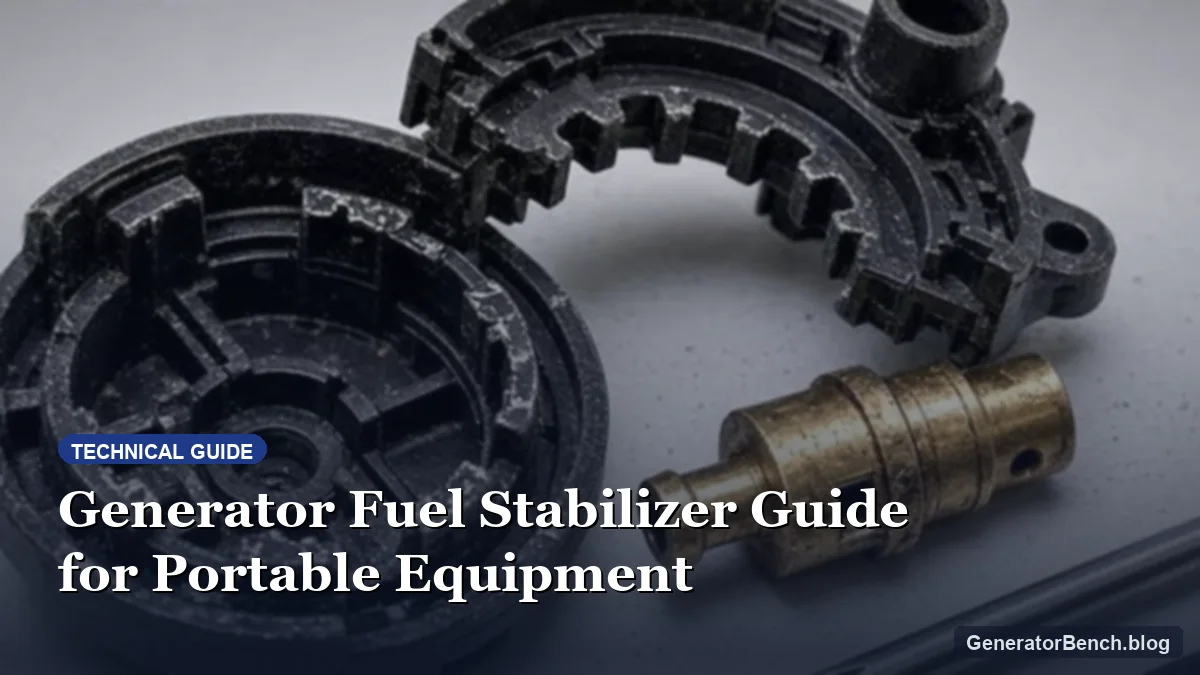
Always mix chemical additives into fresh gasoline before filling the generator tank, ensuring a thirty-second agitation period for complete molecular bonding and fuel preservation.
Looking for matching picks? See our Best Fuel For Portable Generator.
Practical Quick-Reference Table
| Scenario / Metric | Recommended Target | Why It Matters |
|---|---|---|
| Additive Dosing Ratio | 1 oz per 2.5 gallons | Prevents gum and varnish buildup |
| Carburetor Run Time | 10 minutes duration | Circulates treatment through jets |
| Fuel Inspection Cycle | Every 90 days | Verifies chemical stability integrity |
| Maximum Storage Limit | 24 months with stabilizer | Prevents severe engine knocking |
| Ultrasonic Cleaning Time | 15 minutes duration | Removes hidden varnish deposits safely |
| Long-Term Drain Threshold | 6 months storage | Avoids severe fuel system decay |
Chemical Degradation and Oxidation Mechanics
Modern gasoline begins to oxidize within thirty days of exposure to atmospheric oxygen. This chemical breakdown creates gummy varnish deposits that clog delicate carburetor jets and fuel lines.
Volatile compounds evaporate rapidly, lowering the octane rating and making cold starts significantly harder. Stabilizers contain petroleum distillates and antioxidants that halt oxidation processes effectively.
Understanding molecular degradation helps operators prevent costly mechanical failures during extended storage periods. Chemical additives bond with fuel molecules to preserve volatility without altering engine performance metrics.
Temperature fluctuations accelerate gum formation inside unvented metallic or plastic fuel tanks. Maintaining stable storage conditions complements chemical treatment for maximum equipment reliability over time.
- Oxidation starts after thirty days of ambient exposure.
- Varnish clogs microscopic carburetor orifices rapidly.
- Antioxidants preserve fuel volatility during storage.
- Temperature swings worsen internal tank corrosion rates.
Molecular Interaction Profiles
Anti-oxidant chemical compounds neutralize free radicals formed during standard fuel oxidation cycles. This vital reaction prevents the polymerization of heavy hydrocarbons into sticky varnish deposits.
Dispersant additives lift existing microscopic particulate matter off internal tank surfaces safely. These suspended particles pass through standard fuel filters during subsequent engine operation phases.
- Free radicals trigger rapid hydrocarbon polymerization chains.
- Dispersants suspend particulate matter safely inside tanks.
Measurement Ratios and Dosing Precision
Accurate chemical dosing prevents both under-treatment and harmful over-saturation within small engine fuel systems. Standard formulas typically require one ounce of fluid per two point five gallons.
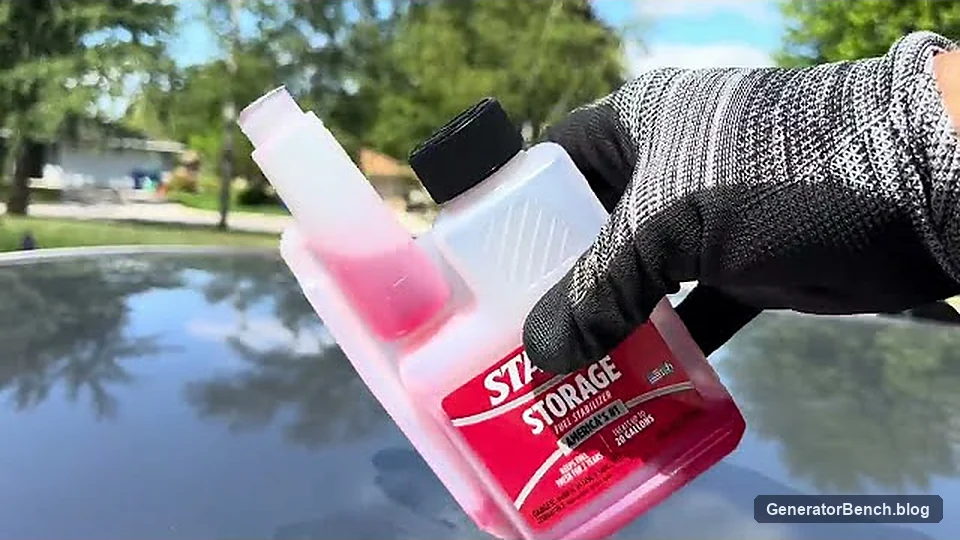
Measuring with calibrated syringes or graduated cylinders eliminates costly guesswork during preparation phases. Inaccurate ratios either leave fuel vulnerable to decay or leave gummy chemical residues behind.
Always review manufacturer documentation because concentrated formulas vary significantly across different brand offerings. Utilizing the correct volumetric proportion safeguards your mechanical investment against premature internal wear.
Never mix multiple chemical brands together within the same fuel container to prevent adverse reactions. Incompatible additive packages can precipitate solids that instantly clog fine carburetor filtration meshes.
- Use calibrated measuring tools for exact dosing ratios.
- Follow strict manufacturer guidelines for fluid proportions.
- Avoid blending conflicting chemical additive formulations together.
- Over-saturation leaves harmful gummy residue inside carburetors.
Volumetric Calculation Scenarios
Calculating treatment volumes for five-gallon containers requires doubling the baseline one-ounce dosage. Precision is vital when managing partial fuel loads in portable equipment reservoirs.
Always verify the exact remaining fuel volume before adding treatment chemicals to avoid miscalculations. Marking container levels with a grease pencil simplifies accurate fluid measurements.
- Double baseline measurements for five-gallon containers.
- Verify remaining fuel volume before dosing.
Video Walkthrough: The Ultimate Guide to Long-Term Gas Storage
Tank Preparation and Distribution Methods
Pouring stabilizer directly into a portable container ensures thorough mixing before fuel enters your best tri-fuel generator. Adding treatment to an empty container and filling it creates immediate mechanical agitation.
Running the generator for ten minutes circulates treated fuel through the carburetor float bowl. This step ensures that every internal passage contains protected gasoline before shutdown procedures begin.
Skipping the circulation phase leaves untreated fuel trapped inside microscopic carburetor jets, causing stubborn blockages. Thorough distribution remains the cornerstone of effective seasonal equipment preservation strategies.
Inspect fuel lines and tank interior surfaces for signs of cracking or particulate contamination. Addressing physical wear issues prior to storage prevents fuel leaks and dangerous operational hazards.
- Add treatment to empty containers before fueling.
- Run engines for ten minutes to flush carburetors.
- Inspect fuel lines for signs of degradation.
- Check tank interiors for particulate debris buildup.
Carburetor Float Bowl Flushing
Turning off the fuel petcock while the engine runs starves the carburetor completely. This method drains remaining fuel from the float bowl to prevent varnish accumulation.
Drain residual fuel from accessible float bowl drain screws into an approved container safely. Proper disposal of old gasoline protects local environmental waterways and soil integrity.
- Close fuel petcocks to starve running engines.
- Drain float bowls into approved safety containers.
Inverter Versus Traditional Generator Storage
Modern units like a reliable dual-fuel inverter generator for home backup feature sensitive digital control boards and enclosed plastic housings. Their complex fuel delivery systems demand meticulous additive distribution to prevent maintenance failures.
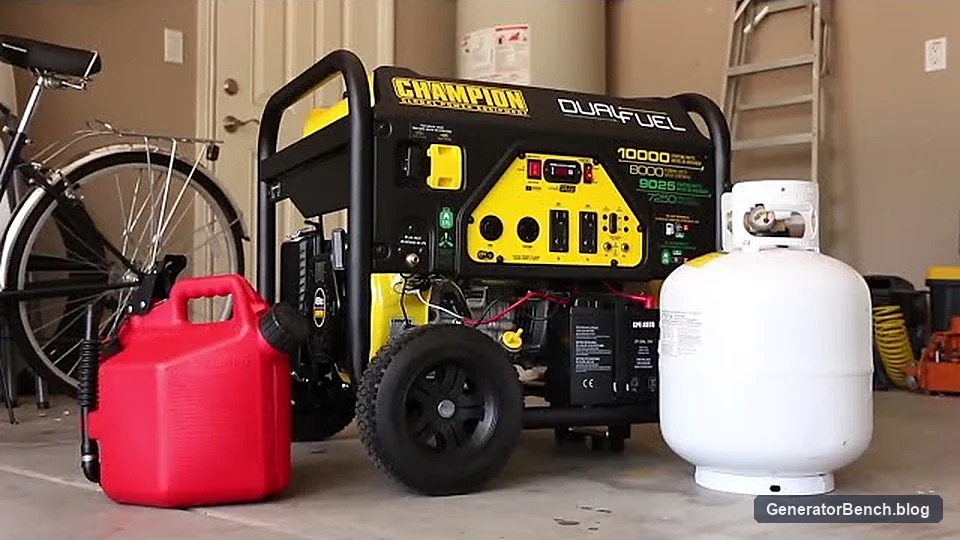
Traditional frame generators often feature larger steel tanks exposed to greater ambient temperature variations. These conventional units require rigorous monitoring of tank condensation and internal corrosion processes.
Compact inverter models typically have smaller fuel capacities, requiring precise measurement syringe tools. Misjudging small fuel volumes leads to concentrated chemical sludge buildup inside tiny injector nozzles.
Both generator classes benefit immensely from complete seasonal fuel system drainage if long-term storage exceeds six months. Combining chemical treatment with mechanical drainage offers maximum operational protection.
- Inverters feature sensitive digital components requiring care.
- Traditional generators have large steel fuel tanks.
- Precise measuring is critical for small tanks.
- Drain systems completely for storage over six months.
Enclosed Housing Access Protocols
Removing outer plastic maintenance panels on inverter units exposes carburetor access points safely. Always disconnect the spark plug lead before servicing internal fuel delivery components.
Secure all housing fasteners to correct torque specifications during reassembly to prevent vibration rattles. Proper panel alignment protects internal wiring harnesses from chafing against moving chassis parts.
- Remove exterior panels to reach carburetors.
- Disconnect spark plug leads before service.
Seasonal Maintenance and Flush Schedules
Establishing a strict seasonal maintenance schedule prevents unexpected power outages during severe weather events. Inspect treated fuel reserves every ninety days to verify chemical stability and integrity.
Rotate stored fuel supplies by dumping older treated gasoline into automotive fuel tanks annually. Replace the old supply with fresh gasoline treated with new stabilizer for optimal performance.
Document all maintenance activities in a dedicated equipment logbook to track additive batch dates. Systematic record-keeping eliminates guesswork regarding the exact age of stored emergency fuel supplies.
Clean exterior generator surfaces and check air filter elements during routine fluid rotation cycles before using a wattage sizing calculator. Comprehensive upkeep ensures your backup power equipment remains ready for immediate deployment anytime.
- Inspect stored fuel reserves every ninety days.
- Rotate stored gasoline into automotive tanks annually.
- Maintain detailed logs of additive batch dates.
- Clean exterior housings and check air filters.
Fuel Rotation Best Practices
Pouring stored emergency fuel into your car mixes it with larger volumes safely. This dilution method prevents operational issues in modern automotive high-compression fuel injected engines.
Never use fuel older than twenty-four months even with stabilizer additives present in storage. Exceeding maximum shelf life limits risks severe engine knocking and internal component damage.
- Dilute old fuel in vehicle tanks.
- Discard fuel exceeding twenty-four months.
Video Walkthrough: HOW TO use STA-BIL, and Stabilize Your Car's Gas for Storage
Troubleshooting Varnished Carburetors
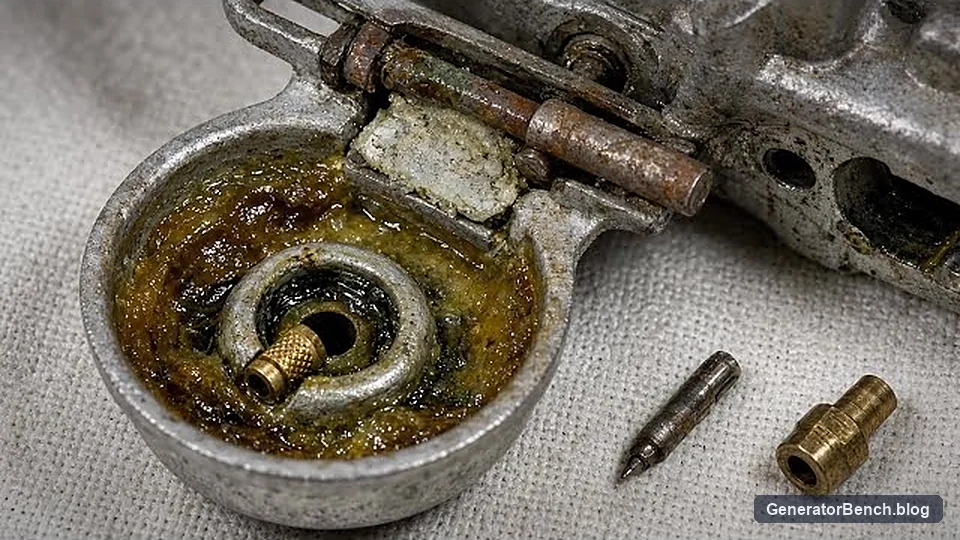
Engine surging or failure to start usually indicates a varnished carburetor blocked by degraded fuel. Dismantling the carburetor requires careful organization of microscopic jets and delicate rubber gaskets.
Submerge metallic carburetor components in professional solvent baths to dissolve stubborn gum deposits completely. Avoid exposing rubber O-rings and diaphragms to harsh chemical cleaners to prevent swelling.
Clear obstructed brass jets using specialized wire cleaning tools without enlarging orifice dimensions. Keeping your dual-fuel generator for your RV running smoothly requires avoiding microscopic alterations to jet sizing that ruin air-fuel ratios.
Flush all cleaned internal channels with compressed air before reassembling the carburetor housing carefully. Taking your time during carburetor rebuilding prevents frustrating repeat maintenance teardowns later.
- Surging indicates varnished carburetor jet blockages.
- Use professional solvent baths for metal parts.
- Avoid exposing rubber gaskets to harsh chemicals.
- Clear jets with specialized wire cleaning tools.
Ultrasonic Cleaning Techniques
Ultrasonic cleaning baths use cavitation bubbles to dislodge hidden varnish inside complex passages. Fill the tank with appropriate cleaning solutions and set the timer for fifteen minutes.
Rinse cleaned components thoroughly with clean isopropyl alcohol and dry them with compressed air. This final step removes residual cleaning chemical films before reinstalling the carburetor assembly.
- Use ultrasonic baths for hidden passages.
- Rinse parts with isopropyl alcohol thoroughly.
Safety Standards and Ventilation Protocols
Gasoline vapors are extremely flammable and pose severe explosion risks in enclosed workshop spaces. Always handle fuel and chemical stabilizers in well-ventilated outdoor areas away from ignition sources.
Wear chemical-resistant nitrile gloves and safety glasses to prevent skin irritation and eye contact. Store fuel additives in approved safety containers away from children and household pets.
Keep a certified Class B fire extinguisher nearby whenever transferring fuel or servicing generators. Never smoke or operate open flames near refueling stations or equipment storage zones.
Comply with local environmental codes regarding the disposal of old gasoline and chemical rinses. Protecting community waterways requires responsible management of hazardous petroleum products and chemical waste.
- Handle gasoline only in well-ventilated outdoor areas.
- Wear nitrile gloves and protective safety glasses.
- Keep Class B fire extinguishers nearby always.
- Follow local environmental codes for waste disposal.
Emergency Spill Response
Absorb spilled gasoline immediately using specialized absorbent pads or clean kitty litter materials. Place contaminated materials into sealed metal containers to prevent dangerous vapor accumulation indoors.
Contact local hazardous waste authorities if large chemical or fuel spills occur outdoors. Quick containment actions protect surrounding soil ecosystems from permanent petroleum hydrocarbon contamination damage.
- Absorb fuel spills with specialized pads.
- Store contaminated absorbent in metal cans.
Frequently Asked Questions
Does fuel stabilizer revive old gasoline that has already turned bad?
Stabilizers cannot reverse chemical degradation once varnish and gum deposits have formed inside your fuel tank. You must add treatment to fresh gasoline to prevent future oxidation before long-term storage begins.
Dumping fresh chemical stabilizer into severely degraded gasoline will not restore lost octane volatility or clear existing blocked carburetor jets.
Can I use too much fuel stabilizer in my generator?
Over-saturating gasoline with excess chemical additive creates gummy residues that mimic varnish blockages. Always follow precise manufacturer measurement ratios using calibrated syringes to protect internal components.
Doubling the recommended dosage does not provide extra protection and often leads to erratic engine idling or difficult cold starting phases.
How long does treated gasoline remain viable in a generator tank?
Properly treated fuel generally remains stable for up to twenty-four months in sealed containers. However, portable generator tanks are rarely completely airtight, so rotating fuel annually is best.
Environmental temperature swings cause volatile compounds to escape slowly through plastic tank walls and seals, reducing overall effective storage longevity over time.
Should I run my generator dry or use a stabilizer for winter storage?
Both methods protect small engines effectively if executed correctly during seasonal shutdown procedures. Combining chemical stabilization with a carburetor float bowl drain offers the ultimate mechanical defense.
Running the engine dry removes residual fuel completely, while chemical treatment protects internal tank surfaces from ambient moisture corrosion.
What causes fuel stabilizer to turn gummy or separate over time?
Extreme temperature fluctuations and exposure to open air cause petroleum distillates to separate. Storing your additive bottles in climate-controlled environments prevents chemical breakdown and preserves additive potency.
Always inspect additive containers for cloudiness or particulate separation before mixing them into valuable emergency fuel supplies.