Generac 20kw Maintenance Schedule Technical Manual
Systematic servicing ensures reliable backup power during utility outages. Proper upkeep prevents premature component failure.


Execute routine inspections every two hundred operating hours or annually. Following strict interval guidelines guarantees maximum operational readiness.
Looking for matching picks? See our Quietest Generac Generator.
Practical Quick-Reference Table
| Scenario / Metric | Recommended Target | Why It Matters |
|---|---|---|
| Oil Change Interval | Every 200 hours or annually | Prevents internal engine wear and sludge build-up. |
| Air Filter Replacement | Every 400 hours or yearly | Ensures clean combustion airflow and fuel efficiency. |
| Spark Plug Gap | 0.030 inches (0.76 mm) | Guarantees reliable ignition under heavy electrical loads. |
| Battery Voltage Test | 12.6V DC nominal float | Verifies reliable starting capability during grid failures. |
| Valve Clearance Check | Every 400 operating hours | Maintains optimal compression and mechanical longevity. |
| Weekly Exercise Cycle | 5-minute automatic test | Keeps lubrication moving and confirms system readiness. |
Core Service Intervals and Operational Planning
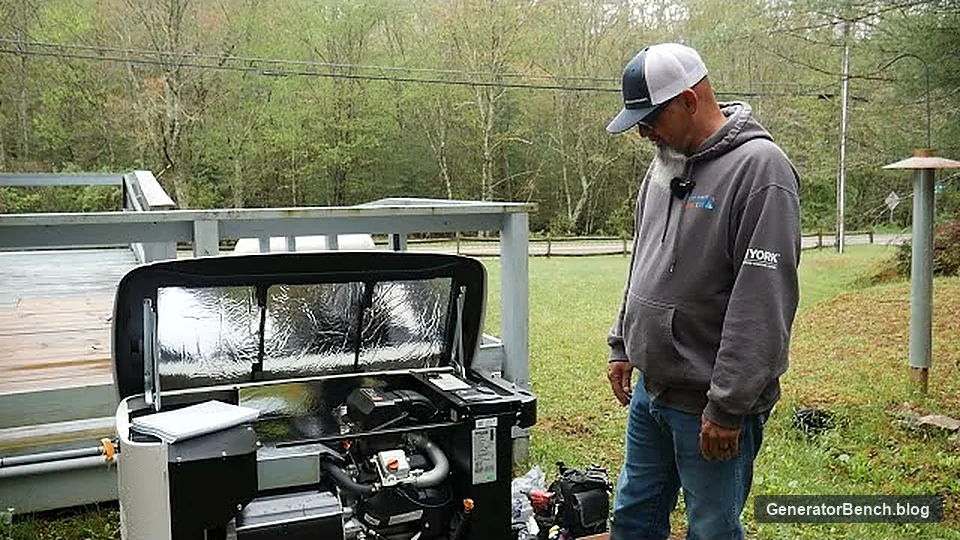
Establishing a rigorous maintenance calendar protects your emergency standby generator investment. Review our recommendations for the best place to buy generac generator to secure reliable warranties and fair retail pricing.
Operating environments heavily influence exact servicing frequencies. Dusty conditions or heavy seasonal use demand shortened maintenance windows for all critical engine components.
Always disconnect the negative battery cable before performing any physical service work. Safety isolation prevents accidental engine cranking during routine inspections and filter replacements.
Keeping a detailed service log helps track consumable wear patterns over time. Documenting every oil change and filter replacement ensures seamless warranty compliance and reliability.
- Review controller display logs weekly for pending fault codes.
- Keep replacement consumables stored in a dry, temperature-controlled environment.
- Perform visual enclosure checks after major storms or high wind events.
- Verify fuel supply pressures match exact generator operational specifications.
Understanding Controller Hours and Exercise Logs
The digital control panel tracks cumulative runtime hours automatically. Monitoring this metric accurately dictates your upcoming oil and filter replacement schedules.
Weekly exercise cycles prevent internal corrosion by circulating warm oil. Check the exercise timer settings to ensure regular weekly testing occurs without disruption.
- Record total runtime hours during every physical inspection.
- Verify exercise cycle duration remains set to five minutes.
Engine Oil and Filtration Service Procedures
Fresh lubrication remains vital for safeguarding internal engine components. Drain old oil while the engine is warm to ensure complete contaminant removal.
Use synthetic 5W-30 oil designed specifically for stationary backup engines operating across wide temperature ranges. Avoid mixing different viscosity grades during top-off procedures.
Replace the spin-on oil filter during every scheduled oil change. Apply a thin film of clean oil to the new rubber gasket before hand-tightening.
Refill the crankcase slowly while monitoring the dipstick markings. Overfilling causes excessive internal pressure and potential seal blowouts during heavy loads.
- Drain old oil into an approved recycling container safely.
- Torque the drain plug to factory-specified foot-pound ratings.
- Check oil level twice after initial test run completion.
- Inspect used oil for metallic debris signaling abnormal wear.
Proper Oil Disposal and Cleanup Protocols
Responsible fluid handling protects local soil and groundwater systems. Transport used engine oil to a certified community recycling facility promptly.
Clean up any accidental drips immediately using absorbent shop rags to prevent slipping hazards. If you are shopping for a new model, explore options in our quietest generac generator roundup for peaceful operation.
- Store used oil drums securely away from ignition sources.
- Wipe down the engine block to remove residual spills.
Video Walkthrough: FULL DIY Generac Generator Maintenance Service - Oil Change, Air Filter, Spark Plug
Air Induction and Filtration Maintenance Guidelines
Clean combustion air ensures optimal fuel efficiency and power output. Inspect the paper air filter element for embedded dirt and moisture damage.
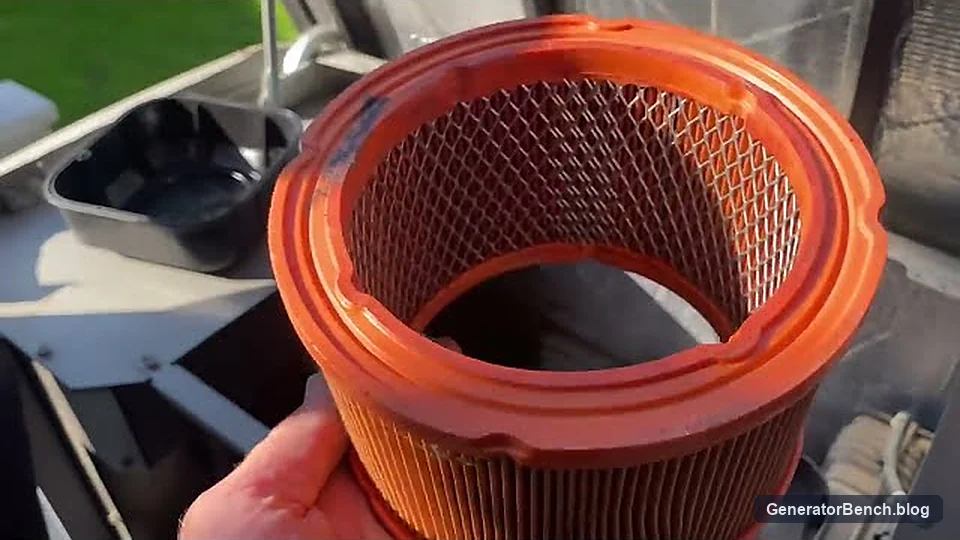
Tap the filter gently against a flat surface to dislodge loose debris. Never use compressed air directly, and always use our generator wattage sizing calculator when planning your electrical load requirements before major storms arrive.
Replace severely clogged or water-soaked paper elements immediately. Operating with a restricted air filter increases combustion temperatures and fuel consumption.
Inspect the flexible intake ducting for cracks or loose hose clamps. Unfiltered air bypasses quickly cause rapid cylinder wall scoring.
- Check air filter housing seals for proper compression fit.
- Clean out any insects or debris nesting inside the air box.
- Verify wing nuts are secured firmly without overtightening.
- Monitor intake restriction indicators if equipped on your model.
Combustion Chamber Protection in Dusty Regions
High-dust environments require inspecting air elements every month. Preventive cleaning stops abrasive particulates from entering the piston rings.
Consider installing pre-filter foam wraps for extreme operating zones. These wraps trap larger particles before reaching the main paper filter.
- Wash foam pre-filters using warm water and mild detergent.
- Allow foam elements to dry completely before reinstallation.
Ignition System Checks and Spark Plug Servicing
Reliable ignition depends on maintaining proper spark plug gap tolerances. Remove each plug carefully using a specialized deep socket extension.
Examine the electrode tip for heavy carbon fouling or excessive wear. A healthy plug exhibits a light gray or tan combustion deposit.
Set the electrode gap strictly to 0.030 inches using a wire gauge. Adjust the side strap gently to avoid cracking the ceramic insulator.
Apply a thin coat of anti-seize compound to the plug threads. Torque the plugs correctly to prevent stripping the aluminum cylinder head.
- Inspect ignition coil boots for cracking or electrical tracking.
- Push plug wire connectors firmly until a click is felt.
- Replace spark plugs every two hundred operating hours.
- Keep spare matched spark plugs inside the utility cabinet.
Troubleshooting Hard Starting and Misfires
Engine hesitation during startup often points to fouled plugs. Clean or replace contaminated ignition components to restore smooth operation.
Check ignition lead connections for corrosion or looseness. Secure connections eliminate intermittent voltage drops during heavy surges.
- Test spark intensity using an inline diagnostic light.
- Ensure plug gaps remain uniform across all cylinders.
Battery Health Diagnostics and Charging Verification
Standby generators rely on robust starting batteries to initiate operation. Measure resting DC voltage regularly to confirm adequate reserve power capacity.
Clean battery terminals thoroughly using a wire brush and baking soda solution. Eliminate white sulfate buildup that impedes high current flow.
Verify the internal trickle charger functions correctly via the controller. The onboard charger maintains 12.6V DC nominal float continuously.
Replace standby batteries every three years as preventative insurance. Aging batteries fail unpredictably during freezing winter weather conditions.
- Test battery under load using a carbon pile tester.
- Secure battery hold-down brackets tightly to prevent vibration.
- Check electrolyte fluid levels in conventional lead-acid cells.
- Ensure terminal protective boots sit correctly over posts.
Cold Weather Battery Performance Management
Low ambient temperatures severely reduce available battery cranking amps. Ensure your enclosure maintains adequate warmth during freezing snaps.
Inspect battery heating blanket connections if operating in extreme cold. Proper thermal management preserves starting reliability all winter.
- Verify heating pad thermostat activates below freezing.
- Insulate battery terminals against severe frost accumulation.
Video Walkthrough: General Maintenance for Generac Generator, Schedule A \u0026 B
Valve Clearance Inspection and Mechanical Tuning
Mechanical valve lash widens naturally over extended operating hours. Checking valve clearances every four hundred hours maintains correct engine compression.
Perform this delicate adjustment only when the engine is completely cold. Remove the valve cover carefully while protecting the gasket surface.
Align the crankshaft timing mark to top dead center on compression. Use a feeler gauge to measure clearance between rocker arm and valve stem.
Adjust locknuts and adjusting screws precisely to factory clearance specs. Proper lash prevents burnt valves and ensures quiet engine operation.
- Replace valve cover gaskets if rubber shows cracking.
- Torque cover fasteners in a crisscross pattern evenly.
- Verify pushrods spin freely after completing adjustments.
- Rotate crankshaft manually two revolutions to check seating.
Recognizing Abnormal Valvetrain Noise Signatures
Excessive ticking noises indicate loose valve lash adjustments. Address noisy valvetrains promptly to prevent accelerated pushrod wear.
Tightly adjusted valves cause silent compression loss and rough idle. Proper gap tuning restores smooth power output immediately.
- Listen for metallic tapping during engine exercise cycles.
- Inspect rocker arm assemblies for scoring or pitting.
Enclosure Ventilation, Fuel Systems, and Final Testing
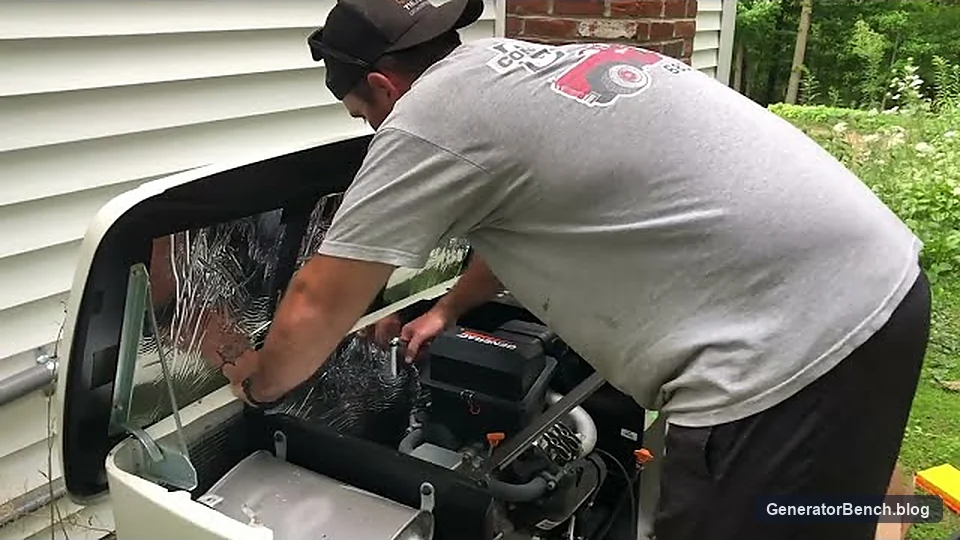
Clear debris and foliage away from enclosure louvers regularly. Unrestricted airflow prevents dangerous engine overheating during extended outages.
Inspect fuel supply lines for signs of cracking or abrasion. Ensure natural gas or propane shutoff valves operate smoothly without sticking.
Conduct a manual transfer switch test to verify whole-house integration. Before buying, consult our kohler vs generac whole house generators comparison to select the right backup unit.
Clear all pending service alarms on the digital controller screen. Resetting timers ensures accurate tracking for your next maintenance interval.
- Inspect exhaust muffler and rodent screen integrity.
- Check concrete mounting pad stability and levelness.
- Verify utility voltage sensing leads remain tightly connected.
- Test remote monitoring cellular or Wi-Fi communication links.
Post-Service Operational Run and Verification
Always run the generator under load following major service work. Manual test runs confirm proper fuel pressure and oil temperature stability.
Walk around the running enclosure to listen for unusual vibrations. Catching minor installation issues early prevents emergency downtime.
- Monitor control panel gauges for normal operating levels.
- Check for fluid leaks underneath the mounting pad.
Frequently Asked Questions
How often should I change the oil in my Generac 20kw?
Perform oil and filter changes every two hundred operating hours or annually. Fresh synthetic oil prevents internal engine wear during extended grid outages.
What spark plug gap should I set for this engine?
Set the spark plug electrode gap precisely to 0.030 inches using a wire feeler gauge. Proper gaps ensure reliable ignition under heavy electrical loads.
Why does my generator run a weekly exercise cycle?
Weekly five-minute exercise cycles circulate warm lubrication and prevent internal corrosion. Testing verifies system readiness without draining fuel reserves.
When should I replace the starting battery in my unit?
Replace standby batteries every three years to guarantee reliable starting capability. Aging batteries fail unpredictably during severe winter storm conditions.
How do I clear maintenance reminders on the controller?
Navigate through the main controller menu to locate maintenance reset screens. Press and hold the enter button until interval counters reset.