Firman Dual Fuel Generator Break In Procedure Guide
Proper break-in procedures maximize your portable power unit's engine lifespan. Follow these technical guidelines for initial dual fuel operation.

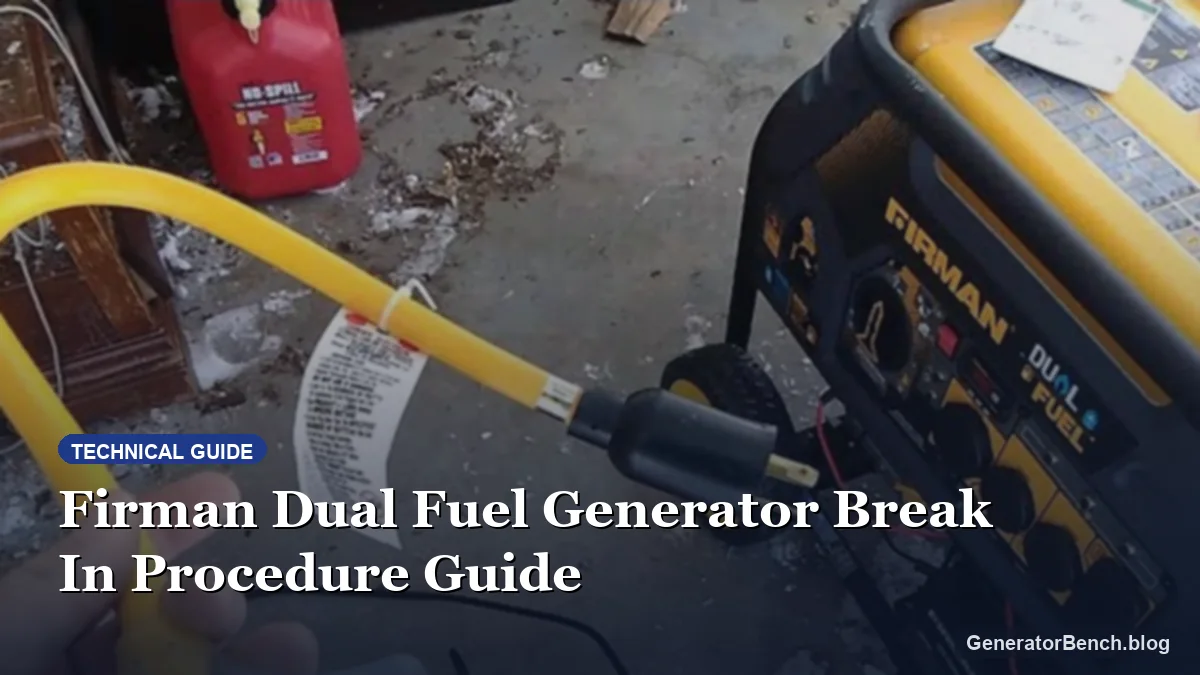
Run your engine on gasoline for the initial break-in period to properly seat piston rings. Switch to propane only after completing the initial twenty-hour run cycle.
Looking for matching picks? See our Best Dual Fuel Generators.
Practical Quick-Reference Table
| Scenario / Metric | Recommended Target | Why It Matters |
|---|---|---|
| Initial Fuel Type | Gasoline only | Assures proper ring seating |
| First Run Duration | First 5 hours | Allows thermal stabilization |
| Load Level | Maximum 50 percent | Prevents glazing cylinder walls |
| First Oil Change | After 25 hours | Removes metallic break-in debris |
| Oil Viscosity | 10W-30 synthetic or conventional | Protects close-tolerance internal parts |
| Propane Transition | After 25-hour service | Clean LP gas safely sustains load |
Preparing Your Engine For Initial Operations
Proper preparation prevents premature engine wear during your initial run. Inspect all exterior fasteners, check the spark plug gap, and verify proper air filter seating before adding fluids.
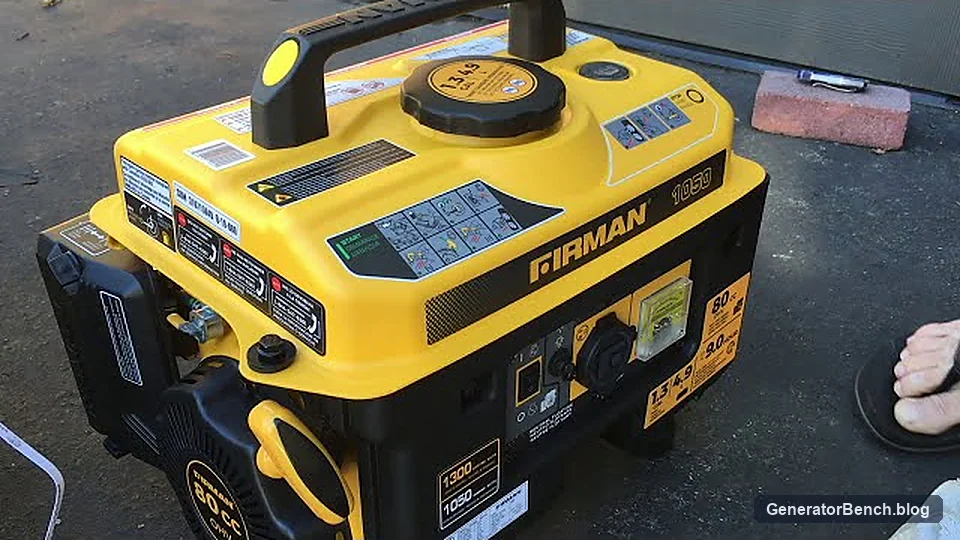
Gather fresh unleaded gasoline and approved automotive engine oil. Never use leftover fuel from previous seasons to avoid varnish buildup in the carburetor float bowl.
After using our wattage sizing calculator to choose your model, position it on a level outdoor concrete pad. Ensure a minimum three-foot clearance perimeter around ventilation zones.
Ground the heavy-duty steel frame using an approved earth rod and copper wire. This critical safety measure prevents stray electrical currents during the upcoming load testing phases.
- Inspect all exterior frame bolts and anti-vibration mounts securely.
- Verify proper spark plug gap measurements against factory specifications.
- Clear all surrounding combustible debris from the ventilation perimeter.
- Ensure the manual pull cord retracts smoothly without binding.
Checking Fluid Capacities
Remove the dipstick and wipe it clean with a lint-free shop towel. Slowly pour recommended oil until the fluid reaches the upper threshold of the threaded filler neck.
Verify fuel valve positions and check for any visible leaks around hoses. Catch any accidental spills immediately using a clean, chemical-absorbent shop pad.
- Always use clean funnels to prevent dirt ingress.
- Never overfill beyond the maximum dipstick indicator mark.
Initial Gasoline Fuel Selection And Safety
Always utilize standard unleaded gasoline with a minimum eighty-seven octane rating. Avoid high-ethanol blends exceeding ten percent to protect rubber fuel lines and internal carburetor gaskets.
Fill the steel fuel tank outdoors in a well-ventilated area away from sparks. Wipe any spilled gasoline thoroughly before attempting to pull the manual starter cord.
Investing in the best dual fuel generator for rv operations means managing intricate dual-stage regulators that demand clean inputs. Running stale gasoline during initial tests will permanently varnish delicate precision jets.
Store your emergency fuel supply in approved red safety containers away from direct sunlight. Label containers clearly with purchase dates to ensure optimal chemical stability.
- Never mix two-stroke oil into standard four-stroke generator fuel.
- Keep fuel containers stored outside of residential living spaces.
- Inspect rubber fuel lines periodically for signs of cracking.
- Drain stale fuel before attempting long-term off-season storage.
Video Walkthrough: Firman H07552 Dual Fuel Generator First Start/Break In (Part 1)
Executing The First Thirty Minute Run Cycle
Start your engine following the manufacturer cold-start protocol using gasoline mode. Allow the mechanical components to idle without electrical load for approximately five full minutes.
Listen closely for any unusual metallic tapping sounds coming from the OHV valve train. Normal operation produces a consistent mechanical rhythm without erratic surging or sputtering.
Monitor exhaust smoke color carefully during this crucial initial startup phase. A faint oily haze is normal, but heavy dark smoke indicates improper choke or fuel mixture.
Shut down the engine immediately if you detect fuel odors or abnormal vibrations. Allow components to cool completely before inspecting structural bolts and mounting hardware.
- Keep a dry chemical fire extinguisher nearby during initial testing.
- Check for exhaust leaks around the muffler gasket area.
- Verify that the cooling fan circulates air effectively.
- Record initial running hours for maintenance tracking purposes.
Applying Controlled Electrical Loads During Break In
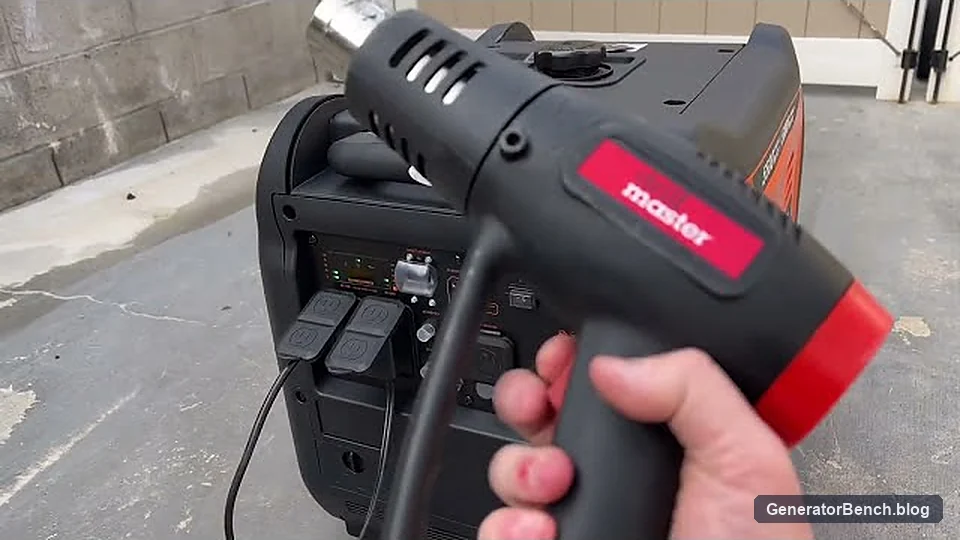
Introduce modest electrical loads gradually once the engine reaches normal operating temperature. Connect standard resistive appliances that draw no more than half of rated capacity.
Avoid plugging in sensitive electronic equipment like computers during this initial testing phase. Voltage regulation stabilizes significantly after the first few hours of mechanical operation.
Rotate through various moderate household appliances to cycle the alternator windings safely. This controlled thermal cycling helps condition the stator and rotor copper coils properly.
Never push a heavy best 13000 watt dual fuel generator to maximum surge capacity during the break-in window. Excessive thermal stress prevents piston rings from correctly seating against cylinder walls.
- Use heavy-duty extension cords rated for outdoor generator use.
- Monitor generator frequency meters to ensure stable output.
- Disconnect all loads prior to shutting down the engine.
- Avoid overloading individual duplex receptacle circuits.
Performing The Critical First Oil Change
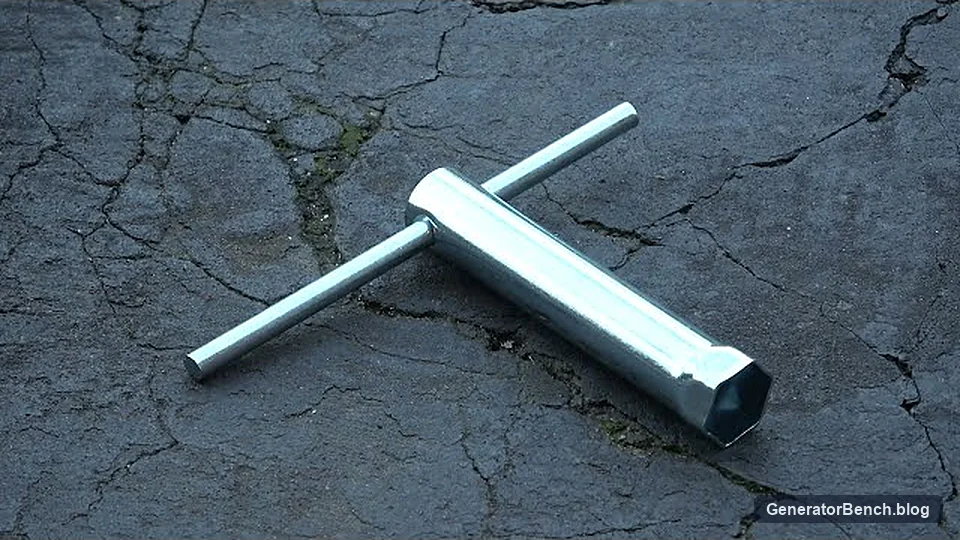
The initial oil change represents the most vital maintenance task for your generator. Metallic micro-particles from manufacturing break off and circulate within the engine lubrication system.
Shut down the power unit and let it cool until warm to the touch. Place a wide drain pan beneath the designated extension plug and remove the cap.
Tilt the chassis slightly if necessary to drain every drop of contaminated fluid completely. Inspect the drained oil using a flashlight to check for abnormal metal fragments.
Reinstall the drain plug securely and refill with fresh automotive-grade lubricant. Check the dipstick multiple times to ensure you maintain the exact manufacturer oil level.
- Dispose of used engine oil responsibly at local recycling centers.
- Wipe away spilled oil around the crankcase immediately.
- Check for leaks around the drain plug after refilling.
- Log the service hour milestone in your equipment maintenance log.
Video Walkthrough: How To: Break in A Generator
Transitioning To Propane After Break In
Complete the entire twenty-hour break-in schedule using gasoline before attempting propane operation. Gasoline provides the specific friction required to properly condition new cast-iron cylinder bores.
Connect a standard twenty-pound liquid propane tank to the dedicated inlet hose securely. Open the cylinder valve slowly and check all brass fittings with soapy water.
Switch your fuel selector dial to the liquefied petroleum gas position while idling. Purge the secondary regulator by pressing the primer button briefly if difficult starts occur.
Propane burns much cleaner than gasoline, extending spark plug life and reducing carbon deposits. Enjoy extended storage capabilities without worrying about fuel degradation in the carburetor.
- Inspect propane high-pressure hoses for cuts or abrasions.
- Store propane tanks outdoors in upright vertical positions.
- Never use damaged or heavily rusted propane cylinders.
- Turn off the tank valve completely after each operation.
Long Term Maintenance Following Engine Break In
Establish a strict recurring maintenance schedule based on operating hours rather than calendar months. Clean or replace foam air filter elements frequently in dusty outdoor environments.
Inspect the spark plug electrode gap every fifty hours of continuous runtime. Replace worn plugs immediately to maintain optimal fuel efficiency and easy manual starting reliability.
Protect your investment by storing the unit in a dry, covered enclosure. Add a quality fuel stabilizer to the gasoline tank if storing for extended periods.
Run your best dual fuel inverter generator for home backup under load monthly to keep internal carburetors completely clean. Routine exercise prevents mechanical components from seizing up during prolonged emergencies.
- Keep battery trickle chargers connected for electric start models.
- Inspect spark arrestors annually for carbon blockage.
- Test carbon monoxide safety sensors regularly.
- Keep emergency maintenance tools stored near the unit.
Frequently Asked Questions
Why must I break in my generator using gasoline instead of propane?
Gasoline provides necessary friction for proper piston ring seating. Propane burns too cleanly and lacks the lubricity required for initial cylinder wall conditioning.
How many hours should the initial generator break-in period last?
The primary break-in phase typically lasts between twenty to twenty-five operating hours. Always perform your first complete oil change immediately after this initial window closes.
Can I run heavy appliances during the initial break-in period?
Avoid heavy electrical loads exceeding fifty percent capacity. Gradual loading prevents excessive heat buildup and allows internal metal parts to wear in evenly.
What type of engine oil should I use for the first oil change?
Use standard ten-weight thirty-motor oil or equivalent synthetic lubricants specified in your manual. Clean fluids protect close-tolerance bearings from circulating metallic manufacturing debris.
When is it safe to switch over to liquid propane operation?
Transition to propane only after completing the full twenty-hour gasoline break-in cycle. This sequence ensures your engine compression reaches factory specifications before burning dry gas.