Diesel Generator Maintenance Chart Technical Protocols
Proper upkeep ensures reliable emergency power during grid failures. Following strict schedules prevents catastrophic mechanical failures.

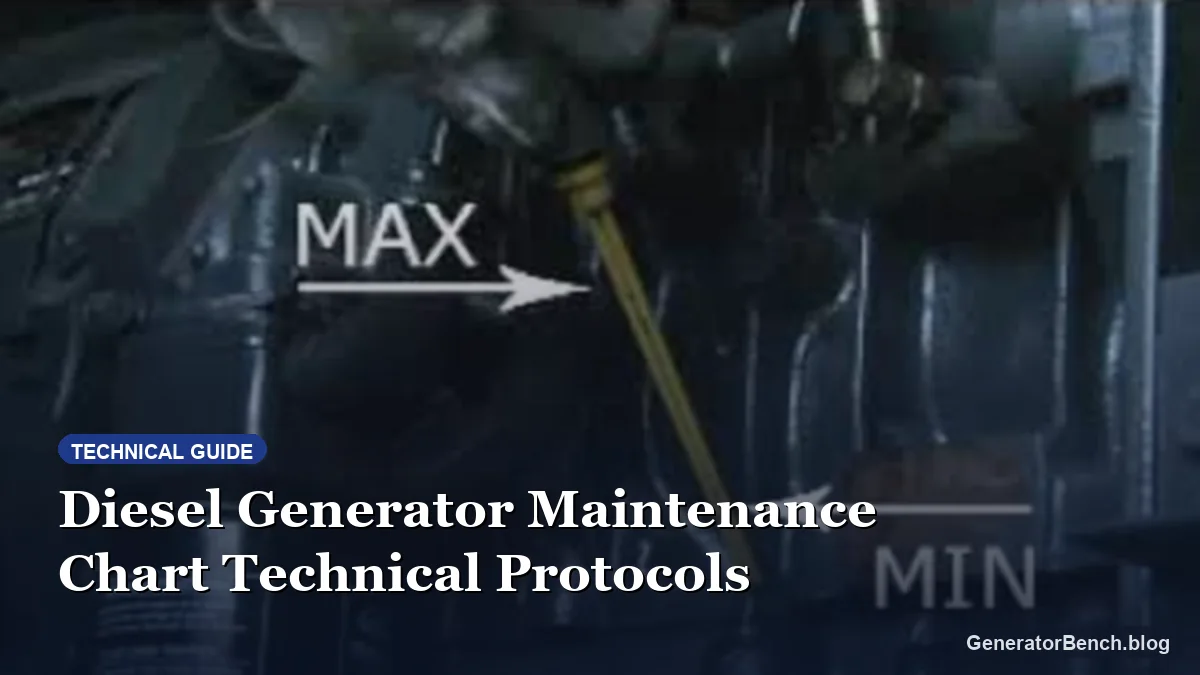
Use this comprehensive maintenance framework to track hourly runtime limits. Always consult your OEM service manual for exact specifications.
Looking for matching picks? See our Best Diesel Generator.
Practical Quick-Reference Table
| Scenario / Metric | Recommended Target | Why It Matters |
|---|---|---|
| Daily Inspection | Visual & Fluid Checks | Catches leaks before failure |
| Oil Change Interval | 250 to 500 Hours | Protects internal bearings |
| Coolant Testing | Every 6 Months | Prevents block cavitation |
| Fuel Filtration | 400 Operating Hours | Removes harmful particulate matter |
| Load Bank Test | Annually at 80% Load | Clears wet stacking deposits |
| Battery Voltage | 12.6V to 13.8V Float | Ensures instant cranking capability |
Core Scheduling Frameworks for Heavy Equipment
Maintaining heavy-duty industrial diesel engines requires strict adherence to standardized schedules. Operating heavy machinery without a documented timeline guarantees premature component wear and unexpected system downtime.

Technicians must record operational hours meticulously to determine when major overhauls become necessary. Tracking metrics accurately prevents small operational anomalies from escalating into catastrophic engine failures.
Establishing baseline measurements during commissioning helps identify performance drift over extended operational lifespans. Regular calibration ensures the control panel accurately reports critical temperature and pressure readings.
Heavy-duty diesel generators require rigorous running-hour thresholds. Establishing a calibrated maintenance schedule prevents catastrophic engine failure during grid outages, a theme we explore within our diesel generator vs propane generator comparison.
Tier 4 final engines mandate strict adherence to multi-tiered service intervals. Daily walk-arounds cover fluid levels and belt tensions, while annual PM overhauls address deep system diagnostics, fuel polishing, and cooling system flushes.
Integrating telematics software automates hour-based alerts for technicians. This proactive tracking ensures that critical replacement tasks occur before wear exceeds acceptable manufacturer tolerances, maximizing operational lifespan and electrical reliability.
- Track runtime hours using digital engine control modules.
- Establish baseline performance logs during initial commissioning.
- Review maintenance intervals against manufacturer recommendations.
- Update logs immediately after completing any routine service.
Tracking Operational Hours and Service Intervals
Running industrial generators in harsh environments demands accelerated service intervals. Dust and extreme temperatures degrade lubricating oils much faster than normal operating conditions dictate.
Operators should adjust standard schedules based on actual environmental stress factors. Proper tracking guarantees longevity and optimal fuel efficiency across the entire lifespan.
- Shorten oil change intervals in dusty environments.
- Monitor ambient temperature impacts on cooling systems.
Fluid Analysis Protocols and Lubrication Management
Regularly sampling engine oil provides critical insight into internal mechanical wear. Laboratory chemical analysis detects microscopic metal particles long before catastrophic bearing failures occur.
Viscosity breakdown and total base number depletion indicate when oil must be replaced. Ignoring these chemical indicators accelerates friction and destroys expensive cylinder liners.
Always replace oil filters simultaneously during scheduled fluid changes to trap contaminants effectively. Clean filtration preserves the fresh lubricating oil and protects delicate turbocharger components.
Inspect coolant fluid chemistry regularly to prevent internal block corrosion and cavitation. Maintaining proper inhibitor levels protects wet cylinder sleeves from destructive pitting.
Scheduled oil sampling provides an invaluable window into internal engine health. Extracting samples at operating temperature ensures that suspended wear metals accurately reflect the condition of bearings, rings, and cylinder liners.
Laboratory viscosity testing detects fuel dilution or coolant contamination immediately. If kinematic viscosity falls outside specific bands, technicians must drain the sump and replace high-efficiency filters without waiting for scheduled hour marks.
Total base number tracking monitors oil capacity to neutralize acids. Choosing units highlighted in our best diesel generator guide ensures your machinery utilizes API CK-4 oils to prevent premature chemical degradation.
Coolant analysis is equally critical for preventing cavitation erosion on wet cylinder sleeves. Maintaining proper nitrite levels through supplemental coolant additives safeguards against destructive pitting corrosion inside the heavy engine block.
- Collect oil samples at operating temperature for accuracy.
- Send samples to certified laboratories for spectroscopic analysis.
- Replace spin-on oil filters during every service interval.
- Verify coolant freeze point and additive concentrations annually.
Video Walkthrough: Search filters
Fuel Storage Stability and Filtration Standards
Diesel fuel degrades over time due to oxidation, microbial growth, and water contamination. Stored bulk fuel requires specialized chemical additives to maintain stability during long-term storage.
Microbial contamination creates heavy sludges that clog fuel injectors and ruin injection pumps. Using biocides prevents biological growth within underground or aboveground storage tanks.
Water separation filters remove moisture before fuel reaches the high-pressure common rail system. Regularly drain water separator bowls to prevent corrosion in precision fuel components.
Conduct periodic fuel polishing to eliminate particulate buildup and suspended water molecules. Clean fuel guarantees reliable combustion and protects delicate injection nozzles from premature wear.
Ultra-low sulfur diesel degrades rapidly when exposed to heat, moisture, and microbial growth. Implementing a monthly fuel polishing protocol removes sludge and prevents clogged primary filters during high-demand emergency operations.
Bulk storage tanks require rigorous water-draw management before every major testing cycle. Accumulated condensation breeds microbial mats that consume hydrocarbons, generating corrosive acids that attack precision fuel injectors relentlessly.
Primary water separator bowls must be inspected and drained of trapped moisture daily. Neglecting this step allows free water to reach high-pressure common rail pumps, resulting in catastrophic internal scoring and complete system failure.
Secondary fuel filters capture microscopic particulate matter down to the absolute micron rating. Technicians should always pre-fill new spin-on elements with clean filtered diesel to prevent downstream contamination during reassembly.
- Add stability treatments to bulk fuel storage tanks.
- Drain water separators manually on a weekly schedule.
- Perform professional fuel polishing every twelve months.
- Test fuel for microbial growth and particulate counts.
Exhaust Emissions and Carbon Dioxide Dynamics
Monitoring exhaust gas temperatures provides vital feedback regarding combustion efficiency. Excessive exhaust smoke typically indicates clogged air filters or faulty fuel injectors.
Carbon dioxide and carbon monoxide formation patterns reveal incomplete fuel burn inside cylinders. Analyzing exhaust emissions ensures compliance with local environmental air quality standards.
Wet stacking occurs when unburned diesel fuel accumulates in the exhaust system. Reviewing our diesel generator vs gas generator comparison helps operators understand why heavy electrical loads burn off these dangerous carbon deposits.
Inspect exhaust manifold gaskets regularly to prevent hazardous exhaust leaks indoors. Carbon monoxide poisoning risks demand absolute integrity throughout the entire exhaust piping run.
Modern diesel generators rely on selective catalytic reduction and diesel particulate filters to meet standards. Monitoring exhaust backpressure via differential sensors prevents thermal overload conditions inside the aftertreatment housing.
Carbon dioxide and carbon monoxide emissions serve as direct indicators of combustion efficiency. Elevated emissions often point toward faulty injectors, retarded injection timing, or severe air restriction across the intake filter.
Passive and active regeneration cycles require specific exhaust gas temperatures exceeding three hundred degrees Celsius. Skipping mandatory load bank tests can cause premature DPF face plugging and costly unprogrammed downtime events.
Periodic opacity testing measures particulate matter concentration within the exhaust gas stream. Maintaining correct air-fuel ratios ensures compliance with local environmental regulations and prevents excessive soot accumulation throughout the exhaust manifold.
- Check exhaust gas temperature sensors for calibration accuracy.
- Monitor opacity levels during high-load generator testing.
- Perform annual load bank testing to prevent wet stacking.
- Inspect flexible exhaust piping for cracks or leaks.
Air Intake Systems and Pressure Drop Measurements
Internal combustion engines require massive volumes of clean air for proper combustion. Restricted air intake filters starve the engine of oxygen and reduce maximum power output.
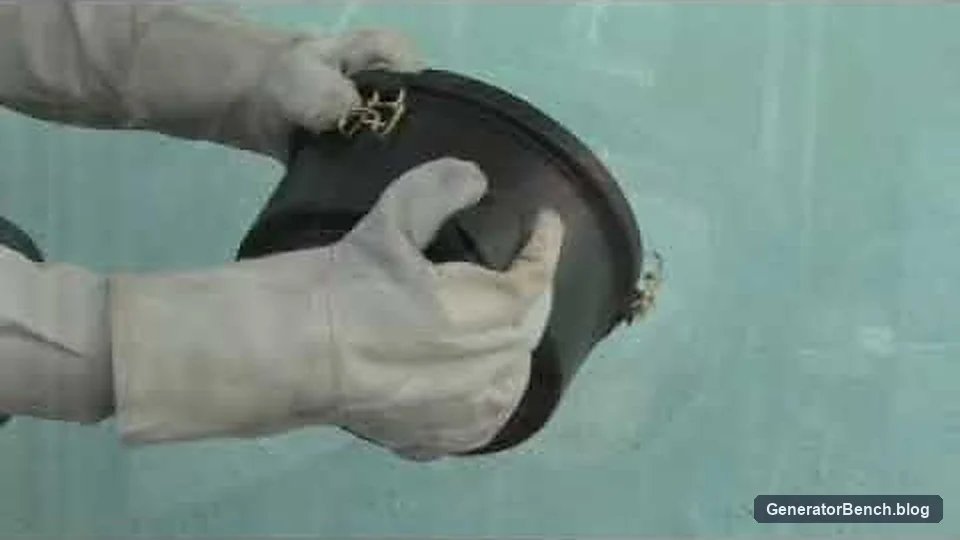
Restriction indicators on air filter housings provide visual warnings when elements require replacement. Never operate heavy diesel equipment without proper air filtration elements installed.
Measure pressure drops across the air filter assembly using differential pressure gauges. Excessive pressure drop indicates severe filter loading and impending airflow restriction.
Inspect intake ducting and rubber boots for cracks that allow unmetered dirty air entry. Dust entering the cylinders acts like sandpaper on piston rings and cylinder walls.
Unrestricted airflow is vital for complete combustion and optimal thermal efficiency in heavy diesels. Technicians must utilize a magnahelic gauge to measure intake pressure drop across the heavy-duty paper air filter elements.
Reaching maximum allowable restriction thresholds dictates immediate replacement of primary filter elements. Operating past these limits starves cylinders of oxygen, increasing exhaust temperatures and producing unwanted black smoke emissions.
Intake ducting and rubber boot clamps demand thorough visual inspections for dry rot and cracking. A compromised boot allows unfiltered abrasive dust to bypass the filter, causing rapid turbocharger impeller erosion instantly.
Charge air cooler integrity directly influences overall engine performance and emissions compliance. Pressure testing the intercooler system ensures there are no hidden cracks leaking boost pressure and reducing volumetric engine efficiency.
- Check air filter restriction gauges during daily walkarounds.
- Replace primary and secondary air elements simultaneously.
- Inspect intake rubber boots and hose clamps securely.
- Ensure air intake louvers remain free from exterior debris.
Electrical Testing and Insulation Resistance Checks
Alternator windings accumulate moisture and dust, which degrades electrical insulation over time. Perform megohmmeter insulation resistance tests annually to verify alternator winding integrity.
Check automatic voltage regulator settings to ensure stable output frequency and voltage. Fluctuating voltage damages sensitive connected electronics during emergency power events.
Inspect battery terminal connections for corrosion and verify electrolyte levels. Weak starting batteries cause unexpected failures, making it crucial to utilize our generator wattage sizing calculator for accurate electrical load planning.
Test safety shutdown systems, including low oil pressure and high temperature cutouts. Simulating fault conditions ensures the controller safely shuts down the engine before damage occurs.
Alternator windings must undergo routine megohmmeter testing to verify absolute insulation integrity. Low resistance readings indicate moisture ingress or winding contamination that could trigger dangerous phase-to-ground faults during operation.
Automatic voltage regulator calibration prevents damaging voltage spikes during sudden load acceptance steps. Technicians should verify sensing leads and excitation circuits remain secure to maintain stable output voltage regulation consistently.
Battery bank health dictates whether the generator will start reliably during a black start event. Performing high-rate discharge tests and cleaning terminal connections eliminates high resistance contact points that cause starter failure.
Automatic transfer switch communication links require physical verification and logic testing annually. Ensuring seamless handshakes between the generator controller and ATS guarantees uninterrupted power transfer when the utility grid fails.
- Perform winding insulation resistance tests using a megohmmeter.
- Clean battery terminals and apply protective anti-corrosion spray.
- Verify operation of emergency stop switches and alarms.
- Test automatic transfer switch integration during scheduled drills.
Component Standards and OEM Part Verification
Using genuine replacement parts ensures proper fitment and maintains system reliability standards. Counterfeit filters and aftermarket components often fail prematurely under heavy industrial loads.
Verify part numbers against official manufacturer catalogs before initiating major service procedures. Proper documentation prevents costly ordering mistakes and extended equipment downtime.
Adhere strictly to specified torque values when fastening critical engine components. Using calibrated torque wrenches prevents stripped threads and gasket leaks under high pressure.
Store spare maintenance parts in clean, dry environments to prevent contamination. Installing pre-contaminated filters during routine service introduces destructive particles directly into systems.
Utilizing genuine original equipment manufacturer parts ensures precise dimensional tolerances and material metallurgy. Counterfeit filters or substitute belts can fail prematurely under high vibration loads, leading to severe mechanical breakdown events.
Fastener grade verification is essential when servicing high-stress areas like cylinder heads and flywheels. Always replace torque-to-yield bolts with specified OEM hardware to guarantee proper clamping force distribution across mating surfaces.
Gasket and seal material selection must match the specific chemical properties of engine oils and coolants. Using inferior sealing materials introduces leak paths that compromise pressurized fluid containment during extended running cycles.
Maintaining a comprehensive inventory of critical spare parts reduces mean time to repair significantly. Stocking approved fuel filters, fan belts, and sensors ensures rapid emergency response capability for mission-critical facilities.
- Source replacement filters exclusively from authorized distributors.
- Verify bolt torque specifications using calibrated tools.
- Store spare belts and hoses away from direct sunlight.
- Maintain an inventory log for fast-moving replacement parts.
Operational Record Keeping and Documentation
Maintaining comprehensive historical records aids long-term asset management and resale evaluation. Detailed logs prove that preventive maintenance schedules were followed without exception.
Digital record-keeping systems streamline tracking across multiple geographically dispersed generator sites. Centralized databases allow fleet managers to schedule service technicians efficiently.
Review historical repair logs to identify recurring mechanical or electrical failure trends. Addressing root causes prevents repeated equipment breakdowns and lowers lifetime operating costs.
Train operating personnel thoroughly on proper logbook entry protocols and reporting procedures. Clear communication between operators and technicians ensures zero maintenance tasks are missed.
Detailed maintenance logs create a historical paper trail essential for regulatory compliance and resale. Documenting every oil change, repair, and test run builds a reliable equipment history that guides future servicing.
Hour meter readings must be recorded precisely alongside environmental conditions during routine exercise cycles. This data helps technicians identify subtle performance trends before they manifest as major mechanical component failures.
Compliance audits require readily accessible maintenance records demonstrating adherence to local air quality and safety codes. Digital logbooks streamline this process by providing instant data retrieval capabilities for inspecting authorities.
Standardizing work order forms ensures technicians follow uniform steps during every scheduled service appointment. Consistent documentation minimizes human error and guarantees thorough diagnostic coverage across all critical generator subsystems.
- Record all operational hours immediately after engine shutdown.
- File laboratory fluid analysis reports in chronological order.
- Document every repair action with detailed technician notes.
- Establish clear handoff protocols between shift operators.
Frequently Asked Questions
How often should engine oil be changed on a commercial diesel generator?
Commercial diesel generator oil typically requires replacement every 250 to 500 operating hours. Severe operating environments require more frequent fluid changes.
What causes wet stacking in diesel generator exhaust systems?
Wet stacking occurs when an engine runs under light loads for extended periods. Operating the unit at eighty percent load during testing burns off unburned fuel.
Why is fuel polishing necessary for emergency standby generators?
Stored diesel fuel degrades and accumulates water over time due to condensation. Regular fuel polishing removes harmful particulate matter and microbial growth from tanks.
What is the primary purpose of annual megohmmeter testing?
Megohmmeter testing measures the insulation resistance of alternator windings. This process detects moisture accumulation and winding degradation before short circuits occur.
How can operators prevent premature air filter restriction?
Operators should monitor differential pressure gauges across the intake housing daily. Replacing filters based on actual restriction measurements protects internal engine components.