Diesel Consumption Chart For Diesel Generator Usage
Accurate fuel tracking prevents unexpected site outages. Master consumption metrics today.

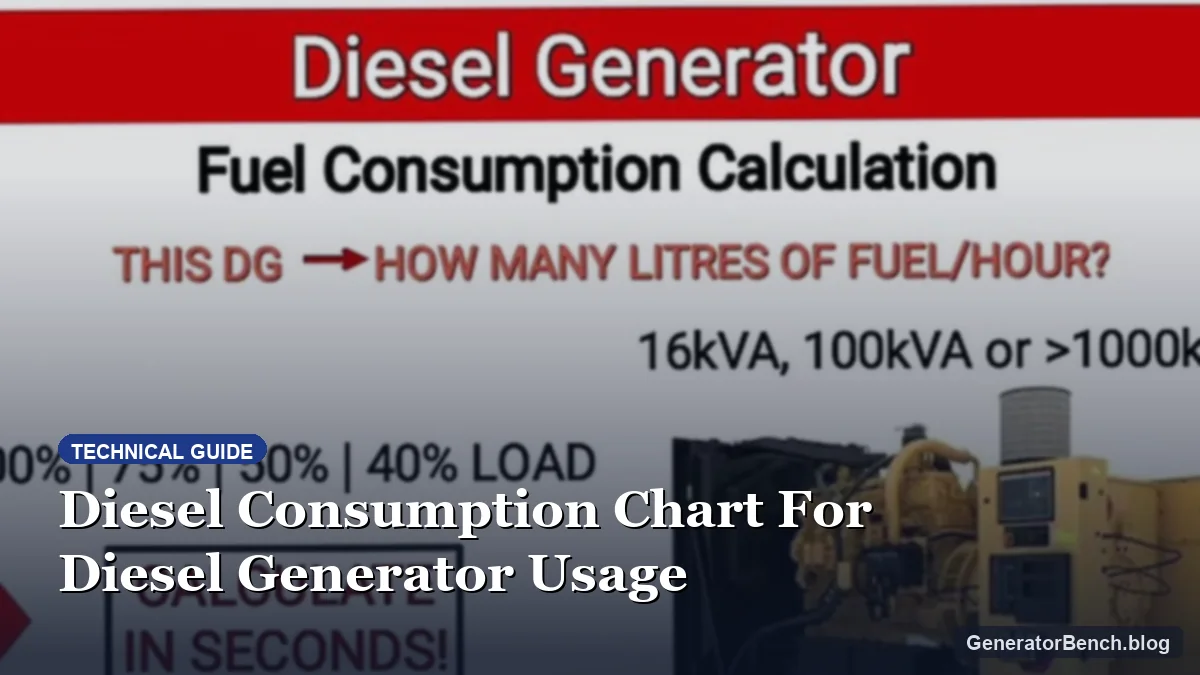
Utilize a standard fuel consumption chart to match generator load levels with accurate volumetric flow rates, ensuring optimal mechanical efficiency and reliable reserve runtimes.
Looking for matching picks? See our Best Diesel Generator.
Practical Quick-Reference Table
| Scenario / Metric | Recommended Target | Why It Matters |
|---|---|---|
| 25% Load Factor | Low specific fuel consumption | Minimizes wet stacking risks |
| 50% Load Factor | Moderate volumetric rate | Optimizes engine thermal efficiency |
| 75% Load Factor | Balanced output threshold | Standard operating benchmark |
| 100% Load Factor | Peak fuel utilization | Reduces potential runtime longevity |
| Fuel Additive Ratio | 1:1000 stabilizer blend | Prevents microbial tank degradation |
| Exhaust CO2 Output | Optimal stoichiometric ratio | Confirms complete fuel combustion |
Understanding Diesel Consumption Metrics And Generator Output
Diesel generators require precise fuel monitoring to maintain reliable electrical output during critical site operations. Reviewing standard consumption metrics helps technicians predict exact runtime hours before refueling becomes necessary.
Engine displacement and alternator sizing directly dictate fuel usage under specific electrical loads. Reviewing options like the best diesel generator for home backup ensures your installation meets strict operational demands.
The relationship between mechanical horsepower and electrical kilowatts remains fundamental when calculating precise hourly diesel consumption rates. Technicians must convert power measurements accurately to utilize standard conversion formulas without calculation errors.
Monitoring ambient temperature and atmospheric pressure prevents unexpected fluctuations in engine efficiency and fuel burn rates. High altitude installations demand careful derating adjustments to maintain accurate fuel consumption forecasts.
Calculating precise diesel consumption requires understanding brake-specific fuel consumption, which measures mass of fuel consumed per unit of power output over time under strict ISO 3046 environmental conditions and standard atmospheric pressure ratings.
Operators must convert volumetric measurements like gallons per hour into mass units because fuel density varies significantly with ambient temperature changes during daily and seasonal industrial generator operating cycles.
Generator alternators exhibit varying electrical efficiency curves that directly influence mechanical load demands transmitted back to the internal combustion engine crankshaft through magnetic coupling and core copper losses.
Monitoring real-time kilowatt output alongside fuel supply depletion rates exposes operational inefficiencies caused by parasitic loads, excessive line resistance, or declining turbocharger boost pressures within the air intake manifold.
- Calculate baseline fuel rates using manufacturer engineering data sheets.
- Account for parasitic loads from internal cooling fans and pumps.
- Verify alternator efficiency ratings before charting total fuel consumption.
- Record ambient site conditions during every scheduled fuel audit.
Voltage Regulation And Fuel Flow Dynamics
Automatic voltage regulators stabilize electrical output while influencing instantaneous fuel injector timing and pressure. Stable voltage delivery helps maintain consistent fuel burn efficiency across variable load states.
Transient load responses trigger rapid governor adjustments that temporarily alter the baseline fuel delivery rate. Technicians should document these temporary spikes to prevent inaccurate long-term forecasting on active jobsites.
- Monitor governor response times during sudden load applications.
- Inspect electronic control modules for accurate fuel mapping data.
Analyzing Fuel Load Profiles Across Standard Operating Conditions
Generator fuel consumption scales non-linearly against electrical load percentages. Selecting a reliable best diesel generator for off-grid alters the thermal dynamics inside combustion chambers significantly.
Light loads below thirty percent capacity often lead to incomplete fuel combustion and harmful carbon buildup inside exhaust manifolds. Maintaining proper load thresholds prevents costume maintenance issues and fuel wastage.
Heavy industrial applications running near full capacity demand continuous fuel supply verification to avoid sudden generator shutdowns. Monitoring fuel pressure gauges ensures the injection system receives adequate fluid volume under stress.
Reference charts provide a reliable baseline, but actual site conditions require periodic verification against real-time flow meters. Cross-referencing field data with manufacturer tables maintains high operational accuracy across fleets.
Industrial compression-ignition engines rarely operate at constant maximum capacities, necessitating detailed analysis of variable load profiles ranging from idle states to full continuous ratings specified by manufacturers.
Partial loading conditions typically degrade thermal efficiency, resulting in higher specific fuel consumption rates per kilowatt-hour compared to optimal loading zones positioned between seventy and eighty percent.
Transient load spikes demand rapid governor adjustments and sudden fuel rack advances, temporarily spiking instantaneous consumption rates before stabilizing back to baseline levels governed by electronic control units.
Extended low-load operation triggers wet stacking unburned fuel accumulation in exhaust systems, which artificially distorts consumption metrics while simultaneously degrading internal piston ring and cylinder wall seals.
- Maintain minimum load thresholds above thirty percent capacity.
- Schedule load bank testing to clear accumulated exhaust soot.
- Monitor return fuel temperatures to evaluate cooling efficiency.
- Record hourly fuel usage across distinct operational shifts.
Partial Load Efficiency Challenges
Running diesel engines at low load factors reduces exhaust gas temperatures and promotes bore polishing inside cylinders. Operators must recognize these early warning signs to prevent permanent mechanical damage.
Implementing supplemental load banks resolves partial load inefficiencies by artificially increasing the thermal demand on the engine. This strategy protects core components and optimizes overall fuel consumption metrics.
- Deploy portable load banks during low-demand operational windows.
- Monitor exhaust opacity levels during prolonged partial load cycles.
Video Walkthrough: Diesel Generator Fuel Consumption | Diesel Consumption of DG | Diesel Generator Consumption Chart
Chemical Analysis And Energy Density Of Compression-Ignition Fuels
Chemical analysis of ultra-low sulfur diesel reveals specific energy densities. Upgrading to a specialized best diesel generator for rv can alter the effective thermal output produced.
Hydrocarbon chain lengths determine the flash point and cetane rating of the fuel supplied to the injection pumps. Higher cetane ratings generally promote smoother ignition profiles and cleaner combustion cycles.
Testing fuel viscosity ensures proper lubrication of precision injection components operating under extreme pressures. Contaminated or degraded fuel increases friction and alters normal volumetric flow metrics.
Laboratory sample testing identifies particulate contaminants before they clog primary filtration systems and disrupt generator operations. Maintaining pristine fuel quality protects the entire high-pressure injection circuit.
Standard ultra-low sulfur diesel possesses a nominal volumetric energy density averaging approximately 138,000 BTUs per gallon, serving as the foundational baseline for theoretical thermal efficiency and heat rate calculations.
Variations in paraffin, naphthene, and aromatic hydrocarbon concentrations alter specific gravity measurements, directly impacting the mass of thermal energy delivered to combustion chambers during each injection event.
Biodiesel blends containing fatty acid methyl esters introduce lower energy densities, requiring proportional increases in volumetric fuel flow to maintain identical electrical outputs under heavy industrial workloads.
Fuel lubricity and cetane numbers dictate ignition delay periods, influencing peak cylinder pressures, combustion noise, and overall thermal conversion efficiencies across varying ambient intake air temperature ranges.
- Test fuel samples regularly for sulfur and water content.
- Verify cetane ratings meet engine manufacturer minimum specifications.
- Inspect fuel filters for signs of microbiological contamination.
- Monitor fuel delivery pressure during heavy load intervals.
Biodiesel Blends And Consumption Variations
Modern biodiesel blends exhibit lower energy density compared to conventional petroleum-based diesel fuel formulations. Operators must adjust consumption charts when utilizing alternative biofuel blends to maintain accuracy.
Higher oxygen content in biodiesel can slightly increase volumetric consumption rates while altering exhaust emission profiles. Technicians should verify compatibility before deploying higher ratio fuel mixtures.
- Review manufacturer guidelines before using biodiesel blends.
- Recalculate runtime expectations when switching fuel types.
Carbon Dioxide Formation And Exhaust Emission Calculations
Combustion stoichiometry dictates that every gallon of consumed diesel generates a predictable volume of carbon dioxide emissions. Calculating these gas volumes helps facilities meet environmental reporting standards accurately.
Incomplete combustion produces harmful particulate matter and carbon monoxide instead of stable carbon dioxide molecules. Monitoring exhaust gas temperatures ensures the system maintains optimal air-fuel ratios constantly.
Advanced exhaust gas analyzers measure oxygen and carbon components directly within the tailpipe. Using our wattage sizing calculator helps technicians evaluate combustion efficiency and fuel economy.
Regulatory compliance demands careful documentation of fuel consumption alongside corresponding emission output metrics. Maintaining detailed records simplifies audits and ensures adherence to local environmental mandates.
Complete stoichiometric combustion of standard diesel fuel produces predictable quantities of carbon dioxide relative to mass consumed, governed by the exact carbon-to-hydrogen ratio of the hydrocarbon chain.
Calculating mass emissions requires multiplying total hourly fuel consumption volumes by standard EPA emission factors associated with compression-ignition stationary engines operating under regulated stationary tiers.
Incomplete combustion caused by restricted air filters or worn injector nozzles generates carbon monoxide and particulate matter, reducing the expected carbon conversion efficiency of the power unit.
Advanced exhaust aftertreatment systems, including selective catalytic reduction units, consume supplementary diesel exhaust fluid but do not directly alter the baseline engine carbon dioxide emission calculation formulas.
- Calibrate exhaust gas analyzers prior to emission testing.
- Calculate carbon output based on total fuel consumption logs.
- Inspect turbochargers for oil leaks affecting emission profiles.
- Record opacity levels during peak load operations.
Exhaust Gas Recirculation And Efficiency
Exhaust gas recirculation systems lower combustion temperatures to reduce nitrogen oxide formation within the cylinders. This process requires careful calibration to prevent unintended fuel efficiency losses.
Monitoring backpressure across exhaust manifolds prevents restricted airflow from degrading overall engine performance and fuel economy. Technicians should inspect piping regularly for accumulated soot blockages.
- Clean exhaust gas recirculation valves during scheduled maintenance.
- Measure backpressure using calibrated differential manometers.
Long-Term Storage And Fuel Additive Stabilization Protocols
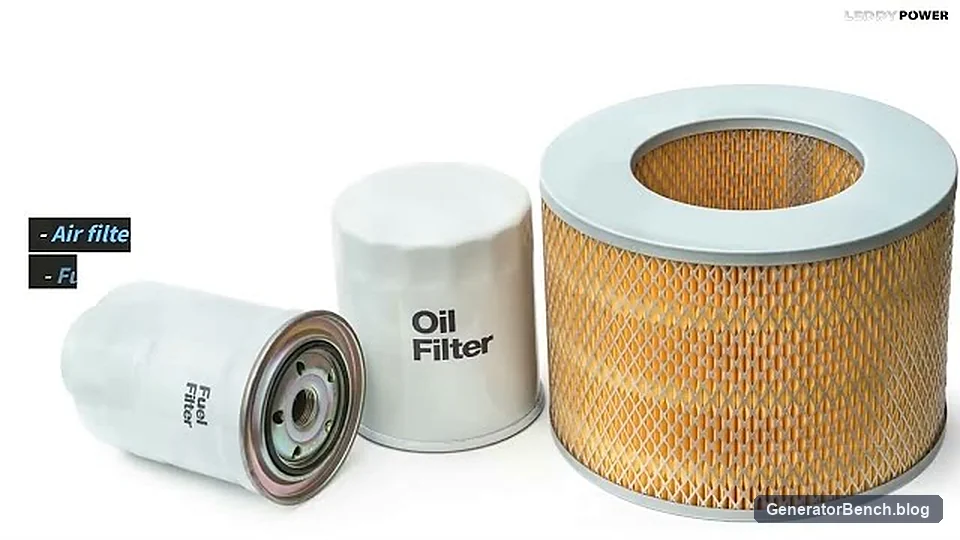
Stored diesel fuel degrades over time due to oxidation and microbiological growth within bulk storage tanks. Applying stabilizer additives prevents fuel degradation and protects downstream injection equipment.
Water condensation inside storage tanks creates an ideal environment for microbial contamination and subsequent filter clogging. Regular tank draining and biocide treatments ensure reliable fuel delivery.
Fuel polishing systems circulate stored diesel through multi-stage filtration assemblies to remove suspended particulate matter. This proactive maintenance step preserves fuel energy density over extended storage periods.
Documenting fuel batch dates and additive treatments prevents expired fluids from entering emergency generator supply lines. Proper rotation schedules maintain high fuel integrity across reserve systems.
Stored diesel fuel degrades over months through oxidation, microbial growth, and water condensation, forming varnish deposits that clog primary fuel filters and precision high-pressure common rail injection pumps.
Implementing rigorous fuel stabilization protocols involves dosing bulk storage tanks with broad-spectrum biocide treatments and multi-functional antioxidant additives immediately following routine seasonal fuel replenishment cycles.
Water separation filters and daily tank bottom drainage valves prevent free water accumulation, mitigating the risk of microbial proliferation within the fuel-water interface layer of bulk reservoirs.
Periodic laboratory testing of stored fuel samples for total acid number and particulate contamination ensures compliance with stringent ASTM D975 quality standards before introducing fuel into standby generators.
- Add chemical stabilizers to bulk fuel tanks prior to storage.
- Drain accumulated water from tank collection points weekly.
- Operate fuel polishing systems on a monthly schedule.
- Test stored fuel viscosity before emergency generator deployment.
Tank Material Compatibility And Corrosion Control
Galvanized steel tanks react poorly with ultra-low sulfur diesel, leading to zinc flake contamination within fuel lines. Modern installations utilize coated steel or corrosion-resistant composite materials.
Inspecting internal tank walls using remote cameras identifies pitting and rust formation before leaks occur. Preventing structural degradation safeguards the entire fuel supply infrastructure.
- Verify tank liner compatibility with alternative fuel blends.
- Schedule professional tank inspections every three years.
External Links And Regulatory Standards For Fuel Monitoring
Industry standards from authoritative engineering bodies provide essential guidelines for accurate generator fuel consumption calculations. Reviewing recognized codes ensures compliance with established technical protocols.
Referencing external technical documentation from organizations like the free encyclopedia offers broad historical context on diesel engine evolution. Comprehensive research enhances practical engineering knowledge significantly.
Environmental protection agencies publish strict guidelines governing diesel emissions and fuel storage tank security. Facility managers must consult these resources to maintain full legal compliance.
Technical manuals and manufacturer service bulletins deliver precise instructions for calibrating fuel monitoring instrumentation. Following these official procedures guarantees reliable measurement results.
Regulatory compliance mandates rigorous tracking of generator runtime hours and fuel consumption to satisfy local air quality management district reporting limits and federal stationary emissions standards.
Facilities must align their internal auditing procedures with established guidelines published by agencies like the EPA and NFPA regarding stationary emergency generator fuel supply systems.
Integrating automated tank gauge systems with facility management software enables continuous monitoring of fuel inventory, preventing unexpected fuel starvation during critical grid failure emergency responses.
Maintaining detailed compliance logs covering fuel delivery manifests, additive treatments, and periodic consumption rates protects operators from severe regulatory fines and ensures dependable backup power readiness.
- Consult recognized engineering standards for fuel calculations.
- Review environmental agency guidelines for fuel storage.
- Study manufacturer technical bulletins for calibration updates.
- Cross-reference external reference materials during audits.
Documentation Best Practices And Record Keeping
Maintaining thorough logs of fuel deliveries and consumption rates simplifies regulatory audits and operational reviews. Accurate records highlight potential mechanical inefficiencies early.
Digital data logging systems automate fuel level tracking and generate comprehensive consumption reports for facility engineers. Reliable record keeping supports informed purchasing decisions.
- Archive digital fuel logs in secure cloud storage.
- Review consumption reports during monthly operational meetings.
Practical Calibration Steps For Accurate Fuel Flow Tracking
Calibrating flow meters requires precise measurement of incoming and return fuel volumes under controlled operating conditions. Accurate calibration eliminates systematic measurement errors during runtime audits.

Differential flow meters measure the exact net fuel consumed by subtracting return volume from supply volume. This method provides superior accuracy compared to simple tank level gauges.
Temperature compensation sensors ensure that volumetric flow readings reflect true mass consumption regardless of fuel temperature variations. Thermal expansion can easily distort uncorrected measurement data.
Technicians must inspect flow meter transducers regularly for debris accumulation and electronic signal drift. Maintaining clean sensors guarantees dependable long-term performance.
Achieving high-precision fuel tracking demands regular calibration of electronic mass flow meters installed within both the supply and return lines of modern diesel injection systems.
Differential measurement techniques account for the substantial volume of fuel returned from the injectors back to the primary storage tank, ensuring accurate net consumption rate calculations.
Technicians must periodically verify flow meter accuracy using certified gravimetric catch-and-weigh test benches under controlled temperature conditions to eliminate volumetric expansion measurement errors.
Documenting calibration coefficients and sensor drift trends in maintenance logs establishes a reliable audit trail for verifying manufacturer fuel consumption charts against actual field operating conditions.
- Calibrate flow meters using certified volumetric test tanks.
- Install temperature compensation sensors on supply lines.
- Inspect differential pressure gauges for calibration drift.
- Verify electronic signal output during routine maintenance.
Troubleshooting Flow Meter Anomalies
Erratic flow meter readings often stem from air bubbles trapped within high-pressure fuel lines. Bleeding the system thoroughly restores stable measurement signals.
Electrical interference from neighboring alternator windings can distort low-voltage flow sensor telemetry. Shielded cabling protects instrumentation from electromagnetic interference.
- Bleed air pockets from fuel lines after filter changes.
- Check sensor grounding to prevent electrical noise distortion.
Interpreting Manufacturer Data Sheets And Load Variations
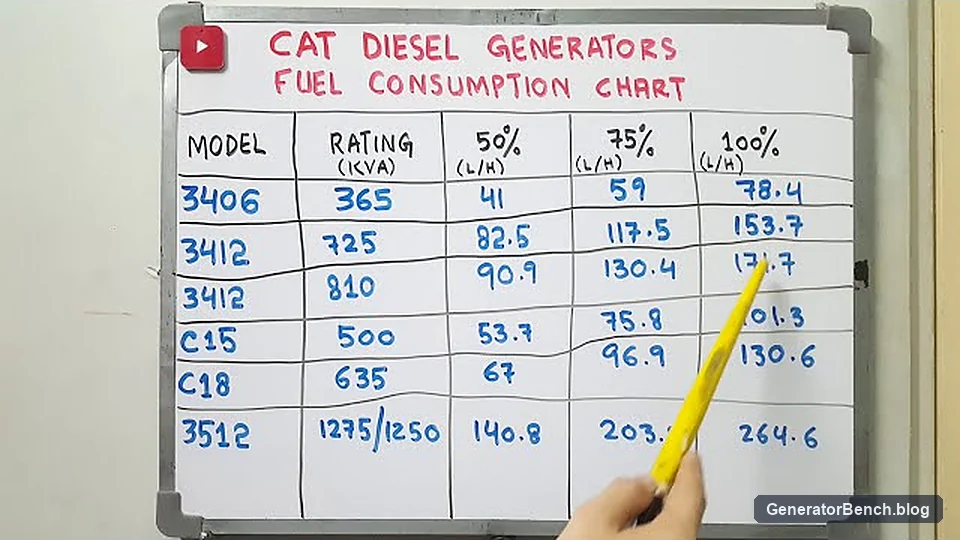
Manufacturer consumption charts typically list fuel burn rates at quarter, half, three-quarter, and full load intervals. Interpreting these data points requires understanding site-specific electrical demands.
Standby generator ratings differ significantly from prime power ratings regarding allowable fuel burn duration and load factors. Operators must apply the correct operational rating category during calculations.
Interpolating between published data points allows technicians to estimate fuel consumption for non-standard load percentages accurately. Mathematical precision prevents unexpected fuel shortages during extended outages.
Comparing empirical site data against factory consumption charts highlights emerging mechanical issues before catastrophic failures occur. Regular audits ensure peak equipment reliability.
Manufacturer technical datasheets typically provide fuel consumption curves expressed in gallons or liters per hour at quarter, half, three-quarter, and full electrical loads.
Engineers must correctly adjust published consumption metrics when operating generators at high altitudes or elevated ambient temperatures due to inherent reductions in charge air density values.
Interpolating between discrete load points on technical charts requires applying linear or polynomial regression formulas to estimate fuel burn rates during fluctuating industrial facility demands.
Cross-referencing manufacturer specifications with empirical site measurements exposes hidden inefficiencies, allowing facility managers to optimize load dispatch strategies and reduce overall generator operating expenses.
- Distinguish between standby and prime power rating tables.
- Interpolate intermediate fuel consumption values carefully.
- Compare actual burn rates with factory specifications monthly.
- Account for auxiliary equipment power draws during calculations.
Correcting For Generator Wear And Age
Aging fuel injectors and worn cylinder rings gradually increase consumption rates above original factory specifications. Factoring in equipment age prevents underestimated fuel requirements.
Routine overhauls and component replacements restore engine efficiency closer to initial manufacturer performance curves. Documenting these service intervals ensures accurate consumption forecasting.
- Adjust consumption estimates for older generator units.
- Schedule injector servicing based on operating hour thresholds.
Frequently Asked Questions
How do I read a diesel generator fuel consumption chart?
Locate your specific generator kilowatt rating on the vertical axis and match it with your expected operating load percentage. Cross-referencing these points reveals the estimated hourly fuel burn in gallons or liters.
Why does fuel consumption increase at low load percentages?
Running an engine below thirty percent capacity reduces thermal efficiency and leads to incomplete combustion. This inefficiency increases the relative fuel burn rate per kilowatt produced.
How does ambient temperature affect generator fuel usage?
Extreme cold or hot temperatures force the engine control module to adjust injection timing and idle speeds. These environmental adaptations can noticeably alter baseline hourly fuel consumption.
What is the difference between standby and prime fuel ratings?
Standby ratings assume variable loads for limited emergency runtime hours, while prime ratings permit continuous operation under variable loads. Always select the appropriate chart category for your application.
How can I improve my generator's fuel efficiency?
Maintain proper load thresholds above thirty percent capacity and schedule regular fuel filter replacements. Clean injectors and clean air filters ensure optimal combustion efficiency across all operational states.