Dg Preventive Maintenance Schedule Protocols
Proper execution of a dg preventive maintenance schedule ensures uninterrupted emergency backup power across commercial facilities. Strict adherence to manufacturer engineering tolerances prevents catastrophic mechanical failures during critical grid outages.

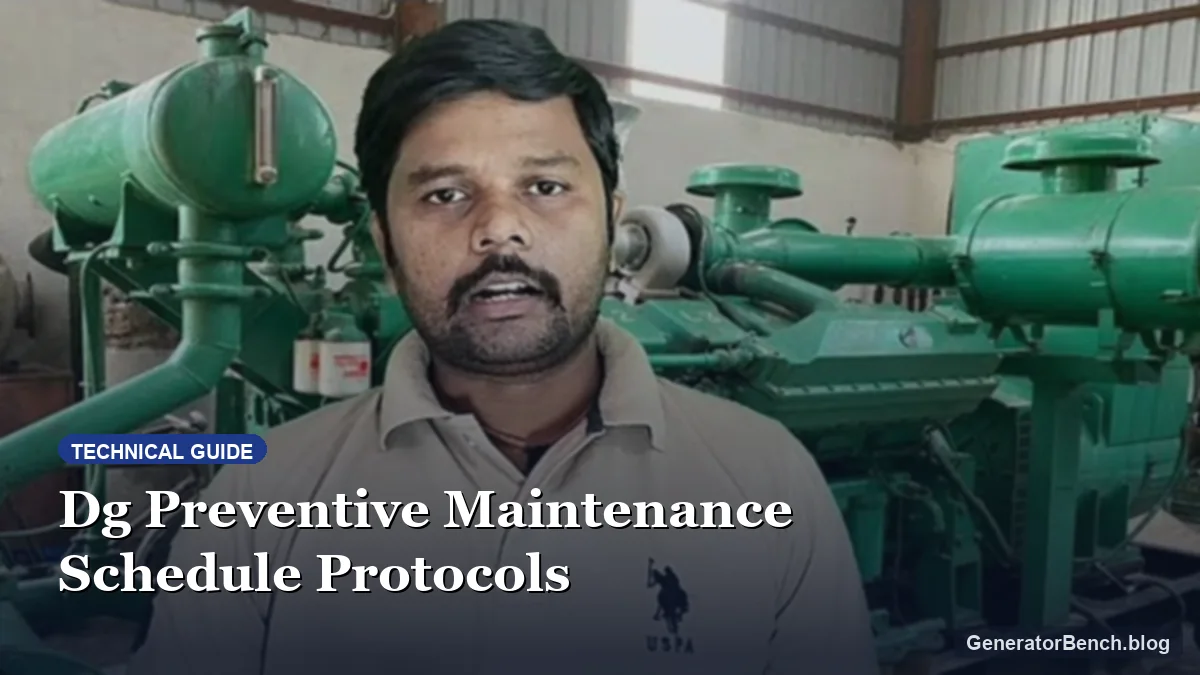
Implementing a disciplined dg preventive maintenance schedule safeguards critical electrical infrastructure by systematically tracking engine hours, fluid viscosities, and comprehensive load bank testing parameters.
Looking for matching picks? See our Best Dg Set.
Practical Quick-Reference Table
| Scenario / Metric | Recommended Target | Why It Matters |
|---|---|---|
| Engine Oil Analysis | Every 250 Hours | Detects premature internal bearing wear. |
| Coolant Glycol Ratio | 50/50 Mixture | Prevents engine block freezing and boiling. |
| Battery Float Voltage | 13.2V to 14.4V | Ensures reliable instant electric cranking. |
| Fuel Sediment Drain | Monthly Interval | Removes corrosive tank moisture accumulation. |
| Load Bank Testing | 80% Rated Capacity | Cleans carbon buildup from exhaust manifolds. |
| Air Filter Restriction | Below 25 in. H2O | Maintains optimal air-fuel combustion ratios. |
Core Philosophy of Commercial Backup Generator Maintenance
Reliable emergency power systems require strict adherence to structured operational intervals. A formal dg preventive maintenance schedule mitigates unexpected component failures by catching minor mechanical anomalies early.
Industrial diesel engines demand rigorous oversight to maintain peak volumetric efficiency. Establishing baseline performance metrics allows technicians to spot declining oil pressure or rising exhaust temperatures rapidly.
Facility managers must carefully balance operational run hours with strict calendar-based service milestones when choosing the best home emergency generator to protect your entire household.
Standardizing maintenance routines creates a transparent audit trail for regulatory compliance. Every inspection logged reinforces the overall reliability and safety readiness of your backup generator asset.
- Track total engine runtime using digital hour meters.
- Align servicing intervals with manufacturer technical manuals.
- Document all completed inspections in a central facility log.
- Prioritize safety lock-out procedures before touching moving parts.
Understanding Engine Duty Cycles
Heavy commercial duty cycles place immense thermal stress on internal cylinder walls. Monitoring operating temperatures ensures the cooling system removes excess heat effectively.
Standby generators experience sporadic usage patterns that promote moisture condensation inside fuel tanks. Regular operational cycling burns off accumulated humidity and keeps windings dry.
- Monitor peak operating temperatures under load.
- Run generators weekly under no-load conditions briefly.
Daily and Weekly Operational Inspection Protocols
Initial visual checks form the frontline defense against unexpected operational shutdowns. Before starting inspections, always verify your power requirements using our wattage sizing calculator to confirm adequate load capacity.
Checking fluid levels daily prevents catastrophic dry-starts under sudden emergency loads. Verify that engine oil, coolant expansion tanks, and fuel storage volumes rest within safe operating ranges.
Battery health dictates whether your standby engine will crank successfully. Inspect terminal connections for white lead-sulfate corrosion and verify float charger functionality without exception.
Examine the control panel for active diagnostic fault codes or warning indicators. Clearing minor electronic alerts promptly prevents cascading system lockouts during real power failures.
- Verify clear airflow around intake and exhaust louvers.
- Check engine oil dipstick for correct fill levels.
- Inspect battery terminal tightness and cable integrity.
- Confirm control panel switch rests in auto mode.
Visual Enclosure and Exhaust Checks
External enclosures must remain free from stored boxes or landscape overgrowth. Obstructed intake vents starve the combustion chambers of necessary oxygen volumes.
Examine the rain cap on the vertical exhaust stack for smooth movement. Rusted or stuck flaps can trap corrosive moisture inside the exhaust manifold.
- Clear debris away from cabinet ventilation grilles.
- Verify exhaust rain cap opens freely during cycles.
Video Walkthrough: DG Set B-Check|Diesel Generator Preventive Maintenance Explained|DG set B-CHECK step by step telugu
Monthly Engine Fluid and Filter Service Requirements

Lubricating oil degrades over time due to high operating temperatures and soot contamination. Adhering to strict oil change intervals preserves crucial crankshaft journal clearances.
Fuel filters trap microscopic particulate matter before it reaches precision injection pumps. Replacing primary and secondary fuel elements monthly prevents costly fuel system clogs.
Cooling system chemistry requires continuous monitoring to prevent internal engine block cavitation. Test coolant freeze protection levels and additive concentrations using specialized refractometer test strips.
Air induction filters protect internal cylinder liners from abrasive dust particles. Swap out clogged paper filter elements whenever restriction gauges indicate high vacuum pressure.
- Drain water separators completely during monthly service.
- Replace spin-on oil filters alongside fresh oil fills.
- Inspect drive belts for surface cracking or fraying.
- Lubricate hinge pins and door latches with grease.
Fluid Sampling and Laboratory Analysis
Scheduled oil sampling provides deep insight into internal engine wear metals. Laboratories detect microscopic copper, iron, and silicon traces before major failures occur.
Reviewing fluid analysis reports helps technicians predict upcoming component rebuild timelines accurately. This proactive strategy minimizes emergency repair downtime significantly.
- Collect oil samples directly from warm running engines.
- Ship samples promptly to certified diagnostic laboratories.
Quarterly Electrical and Load Bank Testing Standards
Standby generators must prove their capability to carry full facility electrical loads safely. Quarterly load bank testing prevents wet stacking by burning off unburned fuel residue.
Thermal imaging cameras help technicians identify high-resistance electrical connections quickly. Scanning circuit breakers and bus bars under load reveals dangerous hot spots before failures happen.
Automatic transfer switch mechanisms require routine mechanical exercising and inspection. Verify that transfer timing relays operate within specified manufacturer switching parameters reliably.
Insulation resistance testing on alternator windings protects against internal short circuits. Checking these values regularly ensures the best household generator system operates safely without risking electrical failure.
- Apply at least 80 percent load during bank tests.
- Inspect main circuit breaker trip mechanisms manually.
- Check automatic transfer switch communication wiring.
- Record voltage and frequency drop responses accurately.
Alternator and Voltage Regulator Audits
Automatic voltage regulators maintain steady output voltage despite shifting electrical demands. Calibrate regulator potentiometer settings to eliminate unwanted voltage hunting behavior.
Inspect rotating rectifier diodes inside the alternator exciter housing carefully. Failed diodes cause erratic field excitation and immediate generator voltage collapse.
- Measure output voltage balance across all three phases.
- Test automatic voltage regulator sensing fuses.
Semi-Annual Fuel System and Exhaust Integrity Checks
Bulk diesel fuel storage tanks accumulate condensation and biological microbial growth over time. Treat fuel supplies with biocide additives and polish stored diesel semi-annually.

Exhaust manifold gaskets and flexible expansion bellows demand thorough visual examination. Leaking exhaust joints can release lethal carbon monoxide gas into occupied buildings.
Fuel supply transfer pumps must maintain proper delivery pressure to unit injectors. Test mechanical lift pump output pressures against factory service manual specifications.
Clean out secondary sediment bowls and check fuel return line check valves. Ensuring unobstructed fuel return paths prevents dangerous over-pressurization inside injection rails.
- Test fuel storage tank water bottom levels using paste.
- Inspect exhaust insulation blankets for structural tears.
- Verify flexible fuel line hoses show no dry rot.
- Test emergency fuel shut-off valve functionality.
Fuel Polishing and Tank Remediation
Fuel polishing systems circulate stored diesel through high-efficiency particulate filters. This process strips out sludge and suspended water without wasting valuable fuel.
Inspect underground or aboveground fuel tank exterior walls for corrosion. Catching pitting early prevents catastrophic environmental fuel spills and costly site cleanups.
- Run fuel polishers for several complete tank volumes.
- Inspect tank vent pipes for insect nest blockages.
Annual Comprehensive Overhaul and Control Panel Audits
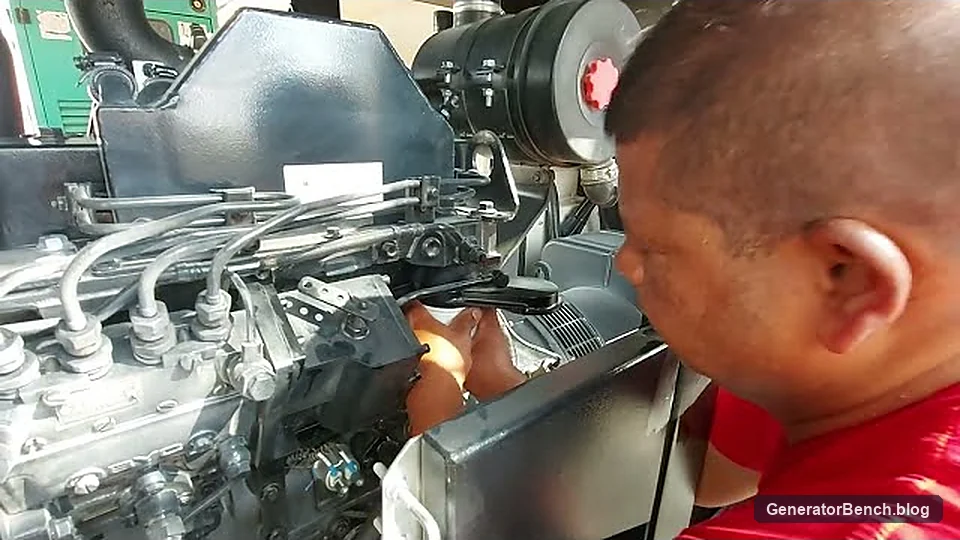
Annual maintenance demands a holistic review of all mechanical and electronic subsystems. Coordinate a certified technician visit to perform deep diagnostic checks on digital controllers.
Calibrate critical engine sensors including oil pressure senders and coolant temperature thermistors. Faulty sensors provide misleading data that can trigger improper emergency engine shutdowns.
Inspect heavy-duty starter motor solenoids and ring gear teeth for wear. Rebuild or replace starter assemblies showing sluggish cranking characteristics during annual tests.
Verify emergency shutdown safety trips function correctly under controlled conditions. Testing low oil pressure and high coolant temperature switches prevents severe engine damage.
- Test emergency stop push-buttons for positive latching.
- Update digital control panel firmware to latest versions.
- Torque all structural engine mounting bolts securely.
- Clean alternator cooling fan blades of dust buildup.
Sensor Calibration and Safety Trip Testing
Simulating alarm conditions verifies that safety shutdown circuits trigger properly. This confirms the engine will protect itself during actual overheating events.
Check digital panel battery backup memory cells to ensure settings persist. A failed internal coin cell can erase customized site parameters during outages.
- Simulate high coolant temperature to test shutdown.
- Verify overspeed trip parameters on digital controllers.
Environmental Factors Impacting Standby Generator Longevity
Local climate conditions directly influence your generator wear and maintenance frequency. For alternative off-grid resilience, pairing a standard fuel unit with the best solar electric generator minimizes environmental degradation risks.
Extreme winter freezing temperatures require dedicated block heater operation to ensure starting. Verify block heater element continuity and thermostat cycling functionality before frost arrives.
Dusty desert environments demand increased air filter replacement frequencies. Fine particulate matter bypasses worn seals and ruins precision cylinder ring packs prematurely.
High ambient summer temperatures reduce engine cooling efficiency and electrical output ratings. Ensure radiator core fins remain thoroughly cleaned of bugs and debris.
- Apply anti-corrosion spray to exposed electrical terminals.
- Ensure block heater thermostats maintain warm coolant jackets.
- Install heavy-duty pre-cleaners in dusty operating zones.
- Wash salt residue off metal enclosures using fresh water.
Mitigating Extreme Weather Challenges
Severe storm seasons require securing louver actuator motors and louvers. Automated louvers must open dependably before the engine cranks under load.
Inspect weather-stripping around enclosure access doors to keep driving rain out. Water ingress inside control compartments causes catastrophic electrical short circuits.
- Test louver motor travel limits and linkage arms.
- Replace degraded door rubber weather seals annually.
Frequently Asked Questions
What is the ideal engine oil change interval for commercial standby generators?
Commercial diesel engines typically require fresh oil every 250 operating hours or annually. Always consult your specific equipment manual to match correct fluid viscosities.
Why is quarterly load bank testing necessary for backup generator sets?
Load bank testing applies at least 80 percent rated capacity to burn off unburned fuel residue. This prevents wet stacking and ensures the engine handles emergencies safely.
How often should facility staff inspect standby generator fuel storage tanks?
Perform monthly checks to drain accumulated water and monitor for microbial growth. Treating diesel with biocide additives prevents clogged fuel filters during critical utility outages.
What causes unexpected emergency generator starting failures during power losses?
Most starting failures stem from neglected lead-acid battery corrosion or loose terminal cables. Routine weekly inspections ensure immediate cranking voltage is always available.
How do environmental factors influence generator preventive maintenance schedules?
Coastal salt spray or dusty climates demand accelerated filter replacements and anti-corrosion treatments. Tailor your service intervals to combat local weather challenges effectively.