DG Maintenance Schedule: Essential Diesel Generator Upkeep
Proper diesel generator upkeep ensures dependable emergency power during grid failures. Following a structured servicing timeline prevents catastrophic engine failure and costly downtime.

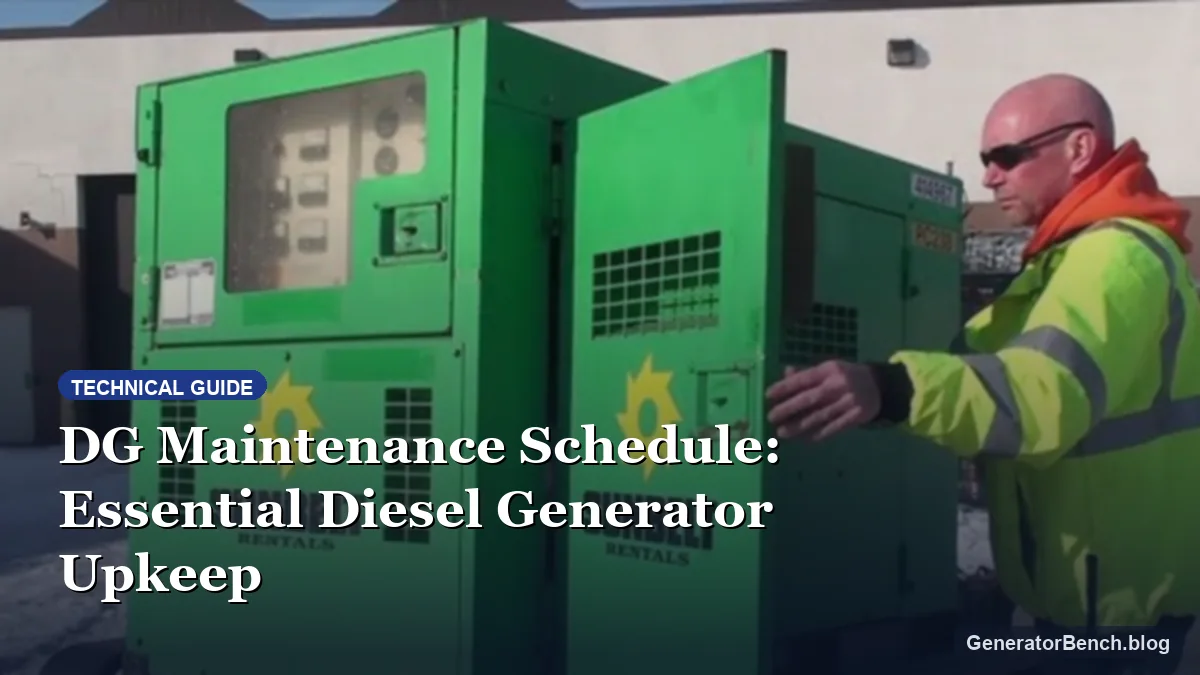
Executing regular inspections and fluid changes guarantees operational readiness. Adhering to strict service intervals extends your backup generator lifespan significantly.
Looking for matching picks? See our Best Diesel Generator.
Practical Quick-Reference Table
| Scenario / Metric | Recommended Target | Why It Matters |
|---|---|---|
| Daily Visual Check | Fluid levels and leaks | Prevents sudden startup failure |
| Weekly Exercise | 30 minutes under load | Clears moisture and lubricates parts |
| Monthly Oil Change | Every 250 operational hours | Reduces internal mechanical friction |
| Quarterly Battery Test | Load test terminals | Ensures reliable cranking power |
| Semi-Annual Fuel Check | Test for water and algae | Protects fuel injectors from clogging |
| Annual Thermal Scan | Inspect main breaker lugs | Detects dangerous electrical hot spots |
Daily Operational Checks And Visual Inspections
Routine visual inspections catch minor anomalies before they escalate into major mechanical failures. Operators must inspect the engine compartment daily for fluid puddles or loose hardware.
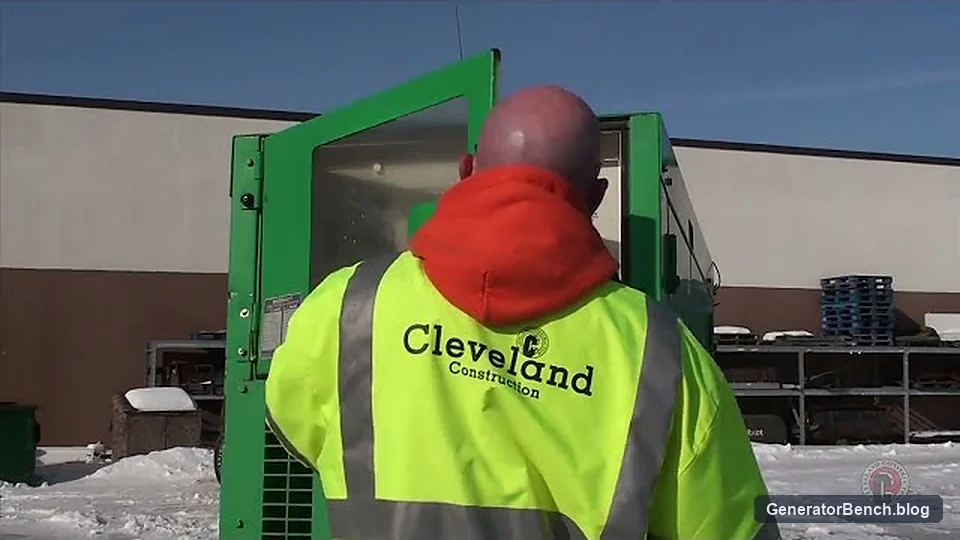
Checking coolant levels daily prevents overheating during extended outages when choosing the right best home emergency generator. Verify that all air intake vents remain completely unobstructed.
Inspect the exhaust system for signs of soot accumulation or corrosion. Documenting these baseline operational readings helps technicians track normal wear patterns over extended service periods.
Ensure the control panel displays normal standby status without active fault codes. Immediate investigation of warning lights prevents minor sensor faults from locking out the system.
- Verify engine oil level using the dipstick before starting.
- Inspect cooling system hoses for cracks, bulges, or leaks.
- Check fuel supply levels to guarantee adequate emergency run time.
- Confirm the main circuit breaker is positioned correctly for standby.
Emergency Panel Diagnostics
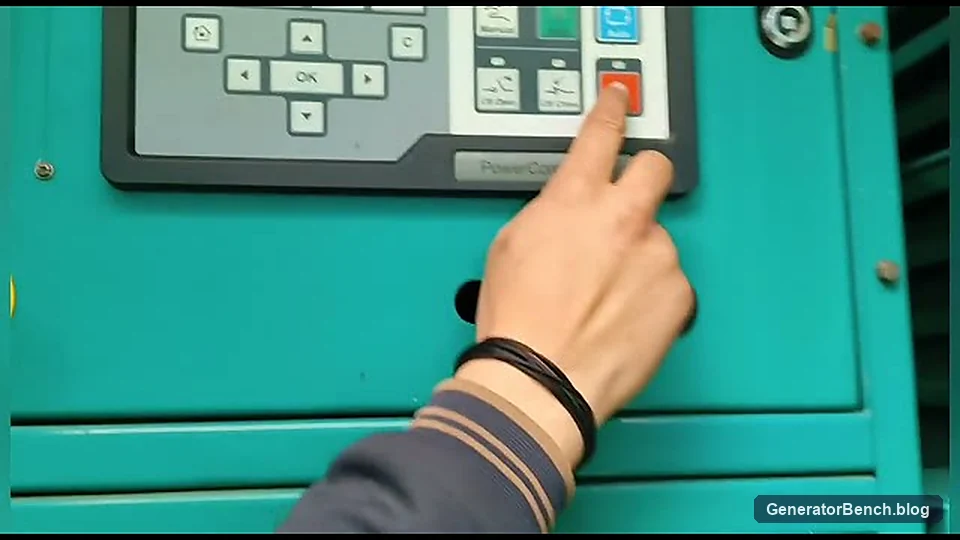
Digital control panels require daily observation to confirm system readiness. Technicians must verify battery voltage readings directly on the primary interface screen.
Clearing inactive alarm logs prevents confusion during actual power grid emergencies. Always record baseline operating parameters to establish a reliable performance history.
- Check digital display for active warning indicators.
- Test indicator bulbs and audible alarm sirens.
Weekly Load Bank Testing Procedures
Running emergency power units without adequate load causes wet stacking in diesel engines. Weekly exercise cycles burn off unburned fuel and clear exhaust manifolds safely.
Engage the generator under at least thirty percent of its rated capacity during weekly tests, comparing with a reliable best household generator. This thermal loading ensures piston rings seat properly.
Monitor oil pressure and coolant temperature closely throughout the entire testing duration. Rapid fluctuations indicate underlying cooling system restrictions or failing internal water pumps.
Allow the engine to cool down properly before returning the unit to automatic standby mode. Thermal stress reduction preserves cylinder head integrity over long operating lifespans.
- Schedule weekly runs during low-impact operational windows.
- Verify transfer switch operation during the exercise cycle.
- Monitor exhaust temperature for abnormal smoke or coloration.
- Record total running hours accurately in the maintenance log.
Video Walkthrough: Generator Preventive Maintenance
Monthly Fluid And Filter Replacements
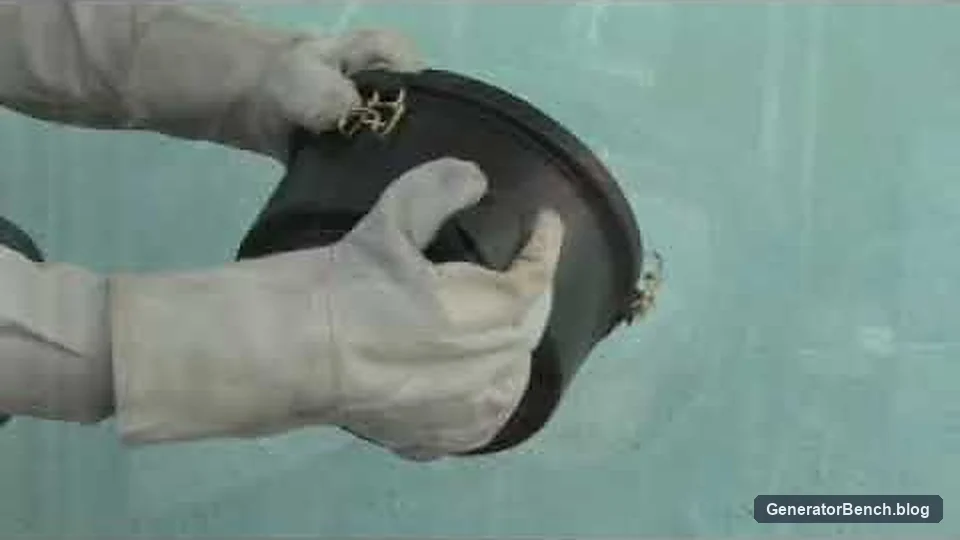
Lubricating oil degrades over time due to soot contamination and high operating temperatures evaluated alongside our wattage sizing calculator. Fresh oil film thickness protects critical crankshaft bearings safely.
Replace spin-on oil filters during every scheduled fluid change to trap microscopic debris. Contaminated oil filters severely restrict flow, starving the turbocharger of essential lubrication.
Inspect fuel water separators monthly to prevent moisture intrusion into precision injectors. Water contamination causes internal corrosion and catastrophic high-pressure fuel pump failure.
Air filtration elements require careful inspection and replacement in dusty industrial environments. Restricted airflow drastically reduces engine efficiency and increases overall fuel consumption rates.
- Drain sediment bowls on fuel water separators completely.
- Replace primary and secondary fuel filters as specified.
- Torque all drain plugs to manufacturer recommended specifications.
- Dispose of waste oil and filters according to local regulations.
Quarterly Battery System Diagnostics
Starting batteries represent the single most common point of failure during emergency deployments. Quarterly testing identifies deteriorating cells before they prevent successful engine cranking.
Measure terminal voltage under load using a dedicated digital battery analyzer instrument. Weak batteries fail under heavy cranking stress, leaving facilities entirely without backup power.
Clean battery terminals thoroughly with a wire brush to remove corrosive sulfate buildup. Apply protective terminal spray to prevent future oxidation in humid environments.
Verify that automatic float chargers maintain correct float voltage parameters continuously. Overcharging boils electrolyte solution, while undercharging allows sulfation to ruin battery plates.
- Check electrolyte specific gravity in flooded lead-acid battery cells.
- Ensure mounting brackets hold batteries firmly against vibration.
- Test auxiliary DC charger output current with a multimeter.
- Replace backup batteries every three years without exception.
Semi-Annual Fuel Polishing Protocols
Stored diesel fuel degrades significantly over six-month periods through oxidation and microbial growth. Fuel polishing removes suspended sludge and water before it plugs injector nozzles.
Circulate tank contents through multi-stage particulate and water separation filtration systems. Clean fuel extends injection component lifespan and ensures reliable combustion efficiency.
Treat stored fuel supplies with specialized biocides to inhibit bacterial and fungal proliferation. Microbiological slime clogs filters rapidly and accelerates steel fuel tank corrosion.
Sample fuel from the bottom of the storage tank to check for contamination. Properly polished diesel fuel guarantees instant combustion when unexpected grid outages occur.
- Use professional fuel polishing equipment for bulk storage tanks.
- Add stabilizing agents immediately after bulk fuel deliveries.
- Inspect tank vent lines for insect nests or blockage.
- Check secondary containment basins for standing water or leaks.
Video Walkthrough: Diesel Generator (DG) A, B, C, and D Checklist, Detailed ABCD Check of DG Sets, #DGSetABCDChecklists
Annual Comprehensive Electrical Inspections
Annual maintenance must include a thorough inspection of the alternator and control wiring. Thermal imaging cameras detect hidden electrical hot spots before insulation breakdown occurs.
Check all major power cable connections for proper torque and signs of arcing. Loose bus bars create high resistance joints that generate excessive heat under load.
Test generator winding insulation resistance using a high-voltage megohmmeter tool, similar to inspecting any best solar electric generator. Low insulation readings indicate moisture absorption requiring professional bake-outs.
Inspect automatic transfer switch contacts for pitting, burning, or mechanical binding. Clean contacts ensure seamless power transition when utility grid failures happen unexpectedly.
- Torque main breaker terminal lugs to exact engineering specs.
- Test emergency stop push buttons for immediate circuit interruption.
- Verify proper grounding rod resistance using a fall-of-potential tester.
- Inspect flexible conduit connections for physical wear or cracking.
Logging And Compliance Documentation Standards
Detailed maintenance logs provide verifiable proof of regulatory compliance and equipment reliability. Every inspection, fluid change, and repair must be recorded with exact timestamps.
Digital tracking software simplifies compliance reporting for environmental and safety regulatory audits. Maintaining accurate historical records supports warranty claims and resale equipment valuation.
Establish clear accountability by requiring technician signatures for every completed service task. Auditable maintenance histories demonstrate due diligence to facility insurance providers and inspectors.
Review historical logs annually to identify recurring mechanical issues or component wear trends. Proactive part replacement prevents unexpected breakdowns during critical emergency power demands.
- Store physical logbooks inside waterproof enclosures near generators.
- Backup digital maintenance records to secure cloud storage platforms.
- Record operating hours immediately following every exercise cycle.
- Include parts invoice numbers for all replacement components used.
Frequently Asked Questions
How often should a diesel generator be exercised?
Run your backup generator weekly for at least thirty minutes under load. This routine prevents moisture accumulation and lubricates internal engine components effectively.
What causes wet stacking in diesel engines?
Wet stacking occurs when an engine runs under light loads for extended periods. Unburned fuel accumulates in the exhaust system, causing smoking and reduced performance.
When should emergency generator batteries be replaced?
Replace standby generator starting batteries every three years regardless of apparent condition. Aged batteries fail unexpectedly during critical high-amperage engine cranking sequences.
Why is fuel polishing necessary for standby units?
Stored diesel fuel degrades and grows microbial slime over six-month intervals. Fuel polishing removes water and sludge before it ruins precision fuel injection pumps.
What maintenance requires professional technician certification?
Complex electrical testing, winding insulation checks, and major engine rebuilds require certified specialists. Attempting high-voltage electrical work without proper training creates severe safety hazards.