Cummins Generator Maintenance Checklist: Field Guide
Master technical upkeep procedures for industrial power units. Follow rigorous factory inspection standards to ensure absolute operational reliability during emergency grid failures.

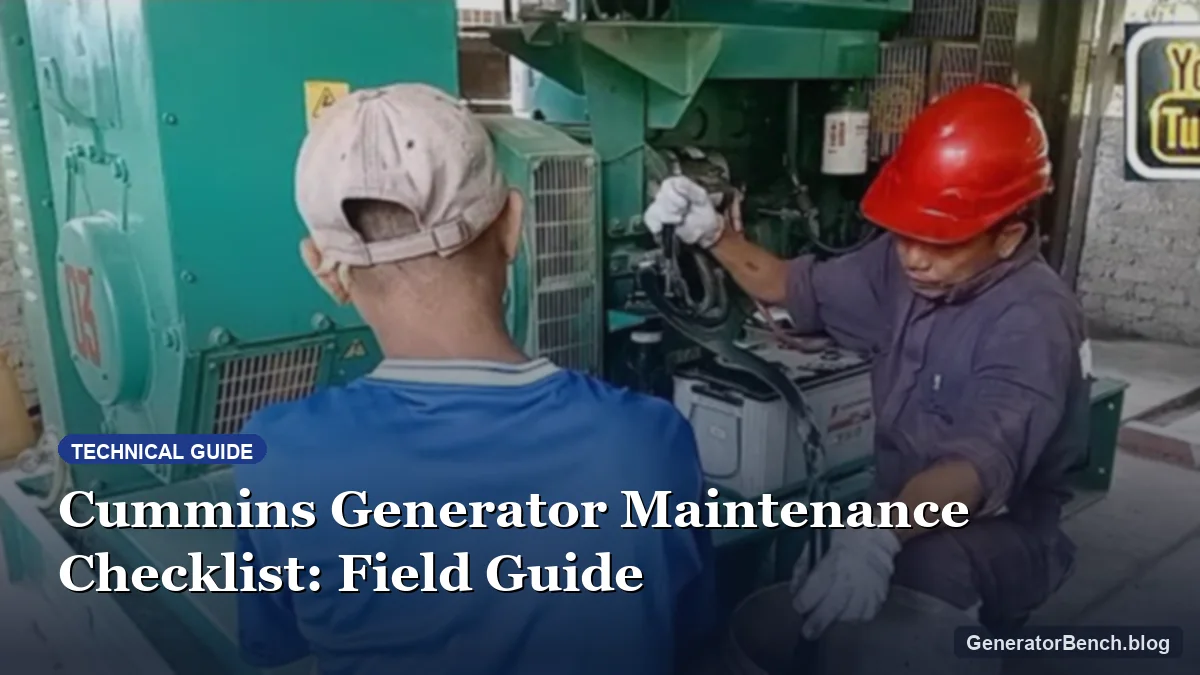
Execute scheduled fluid analysis and load testing every quarter to prevent catastrophic mechanical failure and extend operating lifespan.
Looking for matching picks? See our Best Electric Generator.
Practical Quick-Reference Table
| Scenario / Metric | Recommended Target | Why It Matters |
|---|---|---|
| Oil Viscosity Grade | 15W-40 Heavy Duty | Ensures optimal shear stability under high operating temperatures. |
| Coolant Mix Ratio | 50/50 Glycol-Water | Prevents block freezing and protects against internal cavitation. |
| Battery Float Voltage | 13.5V to 13.8V DC | Guarantees immediate cranking capability during sudden outages. |
| Air Filter Restriction | Under 25 in H2O | Maintains clean combustion airflow and prevents premature wear. |
| Belt Tension Deflection | 3/8 to 1/2 Inch | Avoids premature alternator bearing failure from over-tightening. |
| Load Bank Testing | 80% Nameplate Rating | Cleans carbon buildup and verifies total generator output capacity. |
Core Fundamentals and Operational Sizing Standards
Understanding your power system's rating profile dictates every preventive task. Industrial standby units require precise load calculations to prevent wet stacking during low-demand execution cycles.
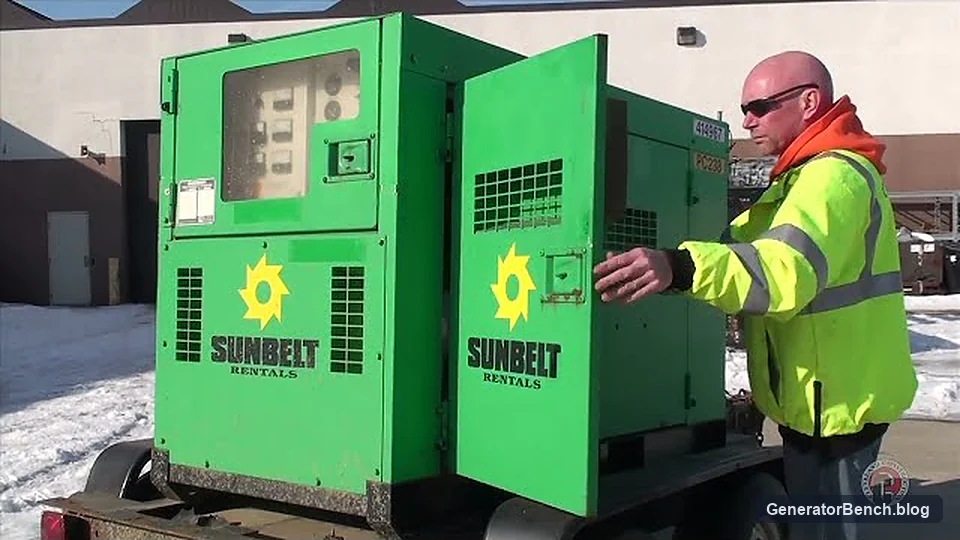
Engineers must review thermal output ratings against local ambient temperature extremes. Pairing standard fuel systems with a best solar electric generator option helps maintain clean combustion efficiency without excessive smoke.
Establish baseline performance logs before initiating any maintenance routines. Documenting standard operating pressures and temperatures helps technicians instantly identify minor deviations during routine visual walk-arounds.
Safety isolation protocols remain mandatory before touching any mechanical component. Lock out the digital control panel and disconnect negative battery terminals to eliminate accidental automatic startup hazards.
- Verify nameplate kilowatts match facility peak demand requirements.
- Calculate continuous versus standby operational hour limits strictly.
- Isolate main circuit breakers prior to opening generator enclosures.
- Inspect exterior acoustic dampening panels for structural integrity.
Environmental Baseline Assessments
Ambient site conditions heavily influence maintenance intervals. Dusty environments demand doubled air filtration checks to protect internal turbocharger compressor wheels from abrasive dust ingress.
Coastal installations require specialized anti-corrosion spray treatments on exposed electrical contacts. Salt mist accelerates oxidation across terminal blocks and control wiring harnesses rapidly.
- Measure localized relative humidity levels near intake louvers.
- Inspect enclosure grounding rods for corrosion and secure bonding.
Engine Oil and Filtration Technical Service Procedures
Before applying regular lubrication replacement routines based on our wattage sizing calculator outputs, drain old engine oil immediately after a warm operational cycle to suspend harmful sludge and abrasive contaminants.
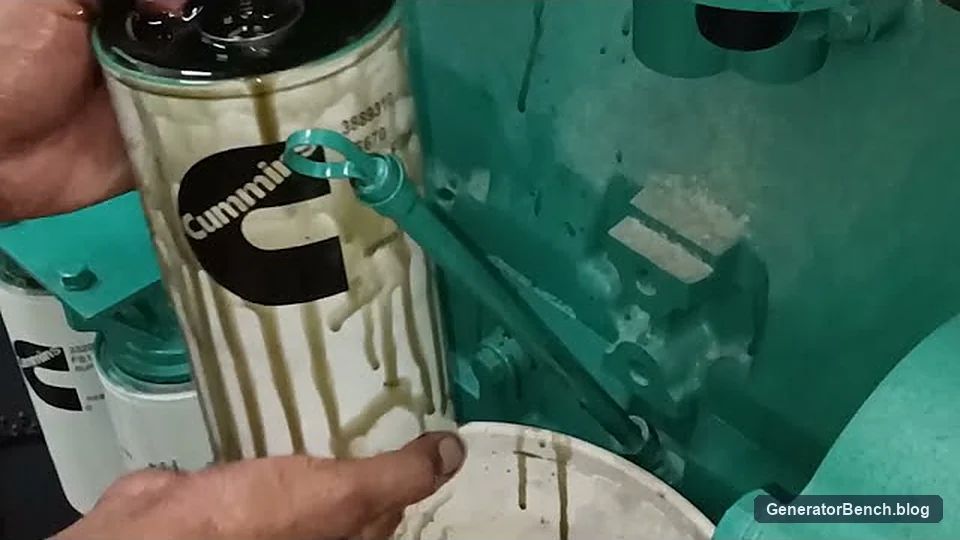
Replace spin-on oil filters using exact manufacturer part numbers. Pre-fill replacement filters with clean oil to minimize dry startup friction across main crankshaft and camshaft bearing journals.
Torque drain plugs precisely to factory specifications using a calibrated instrument. Over-tightening strips aluminum oil pan threads while loose plugs cause catastrophic high-pressure oil leaks.
Collect drained fluid samples for laboratory spectroscopic analysis regularly. Tracking microscopic wear metals provides early warning regarding internal piston ring or bearing deterioration.
- Use certified diesel engine oils meeting strict performance classifications.
- Check dipstick markings twice to confirm correct fluid level baselines.
- Dispose of waste lubricants according to local environmental protection laws.
- Inspect old filter pleats for metallic debris during teardown.
Advanced Lubrication Diagnostics
Spectrochemical analysis uncovers hidden mechanical wear before catastrophic failure occurs. Elevated silicon levels indicate dust ingestion while rising iron points toward cylinder liner friction.
Monitor total base number degradation to determine optimal oil change frequencies. High sulfur fuels require accelerated fluid replacement schedules to neutralize corrosive acidic byproducts.
- Extract oil samples from mid-stream flow ports during warm engine idles.
- Log viscosity index shifts across consecutive quarterly maintenance reports.
Video Walkthrough: Service Engine Cummins Genset
Cooling System and Heat Exchanger Inspection Protocol
Thermal regulation prevents severe internal heat distortion across cylinder heads. Inspect radiator fins for dirt blockages, insect debris, and bent metallic fins restricting vital airflow.
Check radiator coolant concentration levels using a calibrated optical refractometer. Maintaining an exact glycol mixture prevents localized boiling and protects internal metal components against cavitation corrosion.
Examine rubber coolant hoses for signs of dry rotting, swelling, or cracking. Replace any hose exhibiting soft spots or stiffness immediately to prevent sudden thermal failure under load.
Verify water pump weep hole integrity for early coolant leak indicators. A failing shaft seal requires immediate pump overhaul to protect the drive belt from fluid damage.
- Clean radiator cores safely using low-pressure compressed air backwards.
- Test coolant supplemental coolant additive levels to prevent liner pitting.
- Ensure pressure relief radiator caps hold rated spring tension securely.
- Inspect thermostat housing gaskets for minor weeping or salt crusting.
Heat Exchanger Maintenance Mechanics
Raw water heat exchangers require periodic tube bundle cleaning in marine environments. Remove end caps to clear accumulated marine growth, sand, and scale deposits effectively.
Zinc anode replacement protects dissimilar metals within the cooling circuit. Inspect sacrificial zinc plugs quarterly and replace them once fifty percent material loss occurs.
- Flush closed cooling loops every two years with approved chemical agents.
- Pressure test the complete cooling system to fifteen psi safely.
Air Induction and Fuel System Filtration Standards
Clean combustion air ensures maximum fuel efficiency and minimal particulate emissions. Inspect primary and secondary air filter elements using an inspection light for hidden pinhole tears.
Check air restriction indicators regularly to gauge dust loading limits. Replace filter elements immediately when the restriction gauge reaches maximum allowable vacuum threshold metrics.
Drain water separator bowls daily to eliminate corrosive condensation buildup. Diesel fuel contamination quickly destroys delicate high-pressure common rail injection pump assemblies and nozzles.
Replace primary fuel water-separating filters and secondary fuel filters annually. Prime the low-pressure fuel circuit carefully using the manual lift pump to purge trapped air pockets.
- Inspect flexible fuel supply lines for cracking and secure clamping.
- Test fuel transfer pump pressure against manufacturer minimum standards.
- Ensure intake manifold boot clamps remain tight against vibration.
- Keep daily service fuel tanks polished to prevent bacterial slime growth.
Fuel Quality Management Practices
Bio-diesel blends demand enhanced water monitoring and biocide treatments. Stagnant fuel creates microbial growth that clogs microscopic fuel filter media within operational cycles.
Test stored fuel flash points and viscosity levels in dedicated bulk tanks. Regular fuel polishing removes suspended particulate matter and restores baseline cetane performance ratings.
- Add stabilizing chemicals to long-term emergency fuel reserves.
- Sample bulk fuel storage tanks from the lowest drain point.
Battery Health, Charging Circuits, and Electrical Checks

Starting reliability depends heavily on robust battery terminal connections. Clean heavy-duty battery posts and cable clamps with a wire brush to eliminate high-resistance electrical oxidation.
Test individual battery cell specific gravity using an optical hydrometer. Low electrolyte density signals sulfation or internal plate degradation requiring complete battery bank replacement.
Verify automatic battery charger output voltage settings under normal float conditions. A malfunctioning charger either fries battery plates or leaves cranking cells completely uncharged.
When upgrading your backup power capabilities with our best home emergency generator selection, inspect emergency stop pushbuttons and confirm that safety trip circuits signal correctly to the digital controller.
- Apply protective terminal grease to prevent post corrosion buildup.
- Check DC alternator belt tension and electrical charging output.
- Test emergency starter contactors for burnt or pitted internal tips.
- Verify proper grounding strap resistance across generator frame rails.
Alternator and Voltage Regulator Care
The main generator end requires clean winding ventilation to prevent overheating. Inspect rotating diode rectifiers visually for loose hardware or signs of electrical arcing damage.
Check automatic voltage regulator sensing wires for secure terminal connections. Loose voltage sense leads cause erratic output fluctuations and potential electrical equipment damage.
- Measure stator winding insulation resistance using a megohmmeter.
- Inspect slip rings for smooth concentricity and carbon dusting.
Exhaust Gas Routing and Ventilation Verification
Proper exhaust routing protects operators from lethal carbon monoxide poisoning. Inspect flexible exhaust bellows and rigid steel piping for structural cracks and exhaust gas leaks.
Verify that thermal insulation blankets cover hot exhaust manifolds completely. Damaged insulation increases compartment temperatures and poses severe structural fire hazards indoors.
Check motorized intake and discharge louver actuators during routine test runs. Louvers must open fully prior to engine cranking to prevent internal engine room suffocation.
Inspect exhaust rain caps and condensate drain traps on vertical stacks. Clearing trapped rainwater prevents corrosive backflow into the turbocharger exhaust turbine housing.
- Measure carbon monoxide levels in adjacent occupied facility spaces.
- Inspect hanger brackets supporting heavy exhaust silencer mufflers.
- Verify backpressure metrics stay below maximum exhaust limits.
- Ensure thermal expansion joints move freely without binding.
Acoustic and Ventilation Optimization
Enclosure airflow must satisfy total combustion and cooling requirements. Restricted airflow causes high engine coolant temperatures and premature automatic shutdown sequences.
Inspect acoustic baffling material inside ventilation ducts for degradation. Loose sound-absorbing foam can break free and block critical radiator airflow paths.
- Calculate net free area of louver screens against factory specs.
- Test enclosure temperature rise under full rated electrical load.
Comprehensive Diagnostic Troubleshooting and Calibration
Systematic fault diagnosis minimizes costly generator downtime periods. Access controller event logs while evaluating options from our best household generator lineup to review historical warning codes and engine sensor anomalies.
Calibrate analog pressure and temperature sensors against physical reference gauges. Sensor drift creates false alarm conditions that interrupt critical emergency standby operations.
Execute regular monthly un-loaded exercise runs to keep internal components lubricated. Combine monthly runs with quarterly load bank testing to maintain piston ring sealing.
Update digital control firmware only when manufacturer bulletins recommend revisions. Document all parameter changes securely within the facility maintenance logbook for future reference.
- Test low oil pressure shutdown switches using mechanical gauges.
- Verify high coolant temperature sensor switch closure thresholds.
- Check speed sensing magnetic pickup clearance from flywheel teeth.
- Inspect CAN bus communication wiring for secure shielding grounds.
Advanced Controller Calibration Steps
Governor speed control tuning eliminates undesirable frequency hunting under load. Adjust gain and stability potentiometers to achieve rapid response without mechanical surging.
Verify automatic transfer switch signaling sequences during manual test cycles. Confirm that start signals transmit instantly and transfer time delays operate correctly.
- Measure output frequency stability using a digital multimeter.
- Calibrate voltage droop settings for parallel generator synchronization.
Frequently Asked Questions
How often should engine oil and filters be replaced on industrial standby units?
Perform complete oil and filter changes every 250 operating hours or annually. Operating in dusty or high-moisture environments requires cutting these service intervals in half.
What causes wet stacking in diesel generators during routine exercise cycles?
Wet stacking occurs when unburned fuel accumulates in the exhaust system from prolonged low-load running. Prevent this by applying an 80% load bank test periodically.
Why is regular coolant testing critical for preventing internal engine block cavitation?
Coolant loses its anti-corrosion additives over time, leading to destructive liner pitting. Maintain a 50/50 mixture and test supplemental coolant additive levels every six months.
What is the correct voltage range for standby generator starting batteries on float charge?
Healthy lead-acid batteries should maintain a float voltage between 13.5V and 13.8V DC. Lower readings indicate failing cells or a malfunctioning automatic battery charger unit.
How can technicians detect minor air intake restrictions before a power failure occurs?
Monitor the mechanical air restriction indicator gauge mounted on the filter housing. Service the primary element immediately once vacuum levels exceed 25 inches of water.