Cummins Generator Diesel Consumption Chart And Load Metrics
Analyzing a cummins generator diesel consumption chart helps technicians accurately predict operational runtime. Proper tracking ensures uninterrupted backup power during critical facility outages.

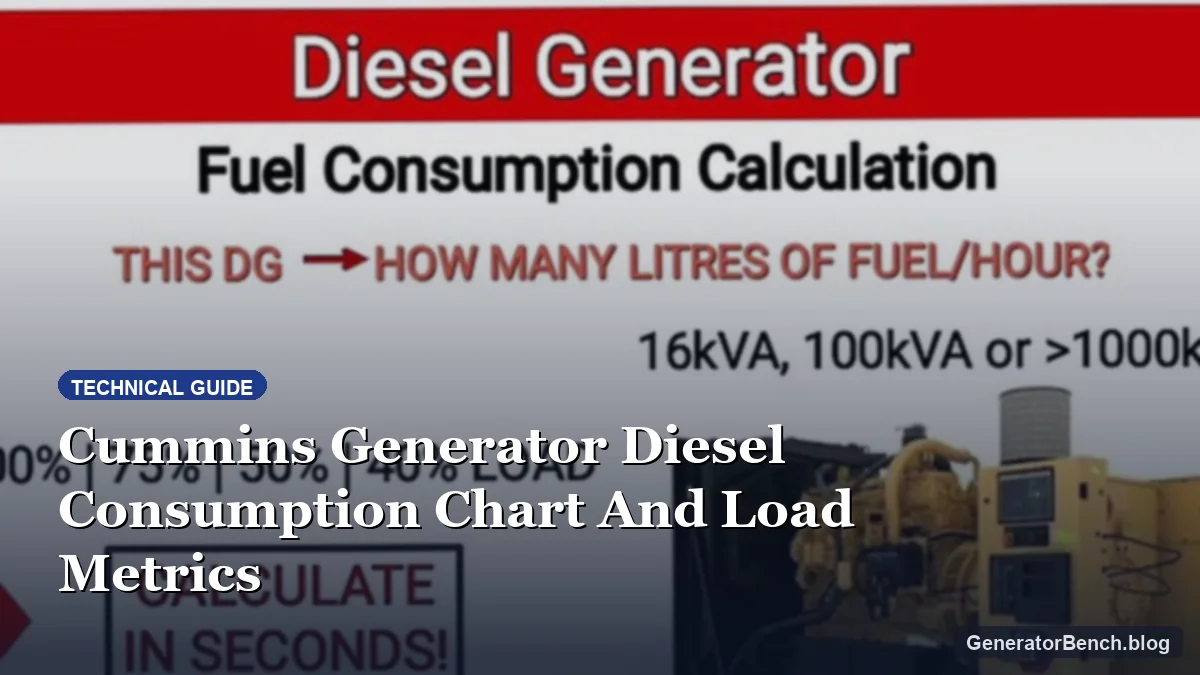
Reviewing a cummins generator diesel consumption chart reveals that fuel burn scales non-linearly with electrical load. Always calculate consumption at seventy-five percent capacity for reliable emergency planning.
Looking for matching picks? See our Best Diesel Generator.
Practical Quick-Reference Table
| Scenario / Metric | Recommended Target | Why It Matters |
|---|---|---|
| Idle Fuel Burn | Minimal Flow Rate | Reduces unnecessary cylinder glaze. |
| Quarter Load (25%) | Baseline Efficiency | Typical low-demand site baseline. |
| Half Load (50%) | Moderate Burn Rate | Standard operational facility benchmark. |
| Three-Quarter Load (75%) | Optimal Efficiency Zone | Best balance of load and fuel. |
| Full Load (100%) | Maximum Flow Rate | Ensures capacity under peak stress. |
| Exhaust Gas Temp | Manufacturer Specs | Prevents wet stacking and carbon. |
Cummins Generator Diesel Consumption Chart Fundamentals
Understanding any standard cummins generator diesel consumption chart requires familiarity with engine displacement ratings. Industrial diesel engines burn fuel proportionally to electrical output demands placed on the alternator.
Engine displacement directly dictates baseline fuel needs before adding parasitic alternator loads. Evaluating these metrics alongside a detailed diesel generator vs gas generator comparison helps technicians select optimal prime power equipment.
Primary fuel supply lines demand careful engineering to support peak volumetric flow requirements. Inadequate pipe diameters restrict fuel delivery and degrade overall generator performance under heavy electrical stress.
Operating manuals provide baseline consumption curves that help facilities estimate total runtime reserves. Correlating these baseline curves with actual site demands prevents unexpected fuel starvation during emergencies.
- Always verify engine serial numbers before reading data tables.
- Note the difference between prime and standby ratings.
- Account for ambient fuel temperature variations in cold climates.
- Inspect fuel return lines for proper pressure regulation.
Reading Volumetric Data Tables
Technical charts express fuel usage in gallons per hour across various load percentages. Reviewing these figures helps facility managers schedule timely bulk diesel fuel delivery logistics.
Cross-referencing fuel density with ambient temperature ensures accurate mass flow calculations. Technicians should utilize calibrated flow meters to verify theoretical chart values against reality.
- Convert volumetric units accurately between gallons and liters.
- Check viscosity ratings for ultra-low sulfur diesel fuels.
Analyzing Fuel Burn Rates At Partial Electrical Loads
Partial load operations present unique challenges when reviewing a diesel generator vs propane generator comparison. Running engines below thirty percent capacity often leads to incomplete combustion and carbon buildup.
Cylinder glazing occurs when low combustion temperatures prevent proper piston ring sealing. Engineers must integrate resistive load banks to maintain healthy operating temperatures during light demand periods.
Fuel efficiency peaks around seventy-five percent load for most heavy-duty industrial diesel generators. Designing facility microgrids around this sweet spot maximizes operational economy during extended outages.
Transitioning between load steps alters transient fuel consumption spikes significantly. Monitoring these dynamic fluctuations protects injection systems from premature wear and mechanical stress.
- Avoid prolonged idling to prevent wet stacking issues.
- Deploy permanent load banks for oversized generator installations.
- Track fuel burn anomalies during cyclical facility operations.
- Calibrate electronic governors to stabilize erratic frequency shifts.
Mitigating Low Load Complications
Addressing light load conditions requires strategic deployment of supplementary resistive load banks. Maintaining proper exhaust gas temperatures preserves internal cylinder wall integrity over time.
Regular thermal validation prevents costly engine overhauls caused by unburned fuel accumulation. Technicians should schedule periodic high-load testing to burn off carbon deposits effectively.
- Monitor exhaust backpressure gauges during load bank testing.
- Inspect fuel injectors for carbon fouling after light runs.
Video Walkthrough: Diesel Generator Fuel Consumption | Diesel Consumption of DG | Diesel Generator Consumption Chart
Interpreting Specific Fuel Consumption Technical Metrics
Brake specific fuel consumption measures how efficiently an engine converts diesel into mechanical power. This specialized metric appears on engineering spec sheets alongside standard hourly flow rates.
Lower specific consumption values indicate superior thermodynamic performance within combustion chambers. Utilizing our wattage sizing calculator alongside these thermal metrics aids in selecting efficient replacement power units.
Mechanical friction within the crankshaft assembly directly influences specific fuel consumption outcomes. Routine lubrication maintenance minimizes internal drag and preserves factory-rated efficiency benchmarks reliably.
Turbocharger boost pressure correlates strongly with optimized specific fuel consumption curves. Ensuring clean charge air coolers maintains proper air-fuel ratios under demanding operational conditions.
- Calculate brake specific metrics using dynamometer test results.
- Inspect turbocharger impellers for compressor surge damage.
- Verify valve lash clearances to maintain compression efficiency.
- Monitor intercooler pressure drops during peak operations.
Thermodynamic Efficiency Calculations
Engineers compute thermal efficiency by comparing electrical output against total chemical energy input. High-pressure common rail injection systems improve this ratio across modern industrial platforms.
Detailed thermodynamic analysis helps facility planners forecast long-term operational expenditures accurately. Regular data logging ensures performance degradation is caught before catastrophic failure occurs.
- Record ambient barometric pressure during efficiency tests.
- Measure exhaust gas enthalpy for complete energy audits.
Environmental Factors Affecting Engine Fuel Efficiency
Ambient temperature and humidity drastically alter diesel engine volumetric efficiency and fuel burn. High altitude installations demand careful derating calculations to prevent smoky combustion.
Thinner air at elevated locations reduces oxygen mass available for complete fuel oxidation. Technicians must consult altitude derate curves alongside standard fuel consumption references.
Fuel density fluctuates with ambient weather conditions, impacting energy content per gallon. Winter blend diesel contains slightly less energy than summer formulations, shifting consumption totals upward.
Proper intake ventilation ensures engines receive adequate oxygen mass for optimal combustion. Restricted louvers force generators to burn more fuel while producing reduced electrical output.
- Apply altitude derate multipliers for sites above sea level.
- Insulate outdoor fuel supply lines against freezing temperatures.
- Keep intake air filters clean to prevent airflow restrictions.
- Monitor ambient humidity levels during high-output testing.
High Altitude Derating Adjustments
Operating diesel generators above five thousand feet requires professional power derating. Adjusting fuel injection timing compensates for reduced atmospheric pressure and oxygen density.
Failing to account for altitude results in excessive exhaust temperatures and turbocharger overspeed. Always verify generator configuration matches local geographic installation parameters.
- Calculate accurate derate percentages using site elevation data.
- Adjust electronic control modules for altitude parameters.
Maintenance Practices For Optimizing Diesel Burn Efficiency
Proactive maintenance routines directly preserve fuel economy over the lifespan of generators. Worn fuel injectors introduce atomization defects that waste diesel and increase harmful emissions.
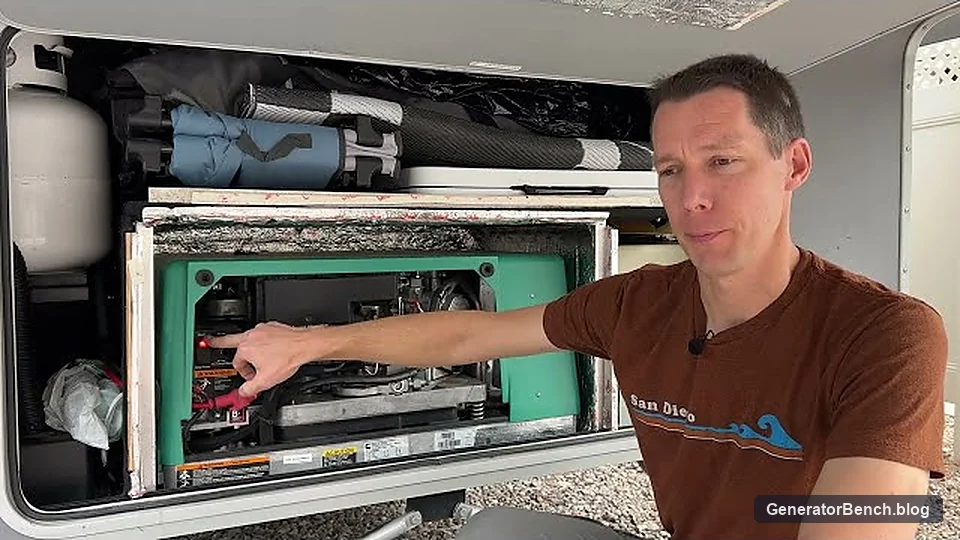
Replacing primary and secondary fuel filters prevents microscopic debris from scoring injection pumps. Clean fuel passages ensure consistent spray patterns inside each combustion cylinder.
Valve clearance adjustments maintain optimal compression ratios necessary for efficient fuel ignition. Neglecting mechanical adjustments leads to sluggish combustion and elevated hourly fuel usage.
Cooling system upkeep prevents thermal runaway and maintains proper operating viscosity. Clean radiators ensure the engine operates within its designed thermodynamic temperature window.
- Test fuel injector spray patterns using bench testers.
- Replace fuel filters according to operating hour intervals.
- Check valve bridge settings during major service milestones.
- Flush cooling systems annually to prevent scaling deposits.
Fuel System Sanitation Protocols
Microbial contamination in storage tanks ruins fuel quality and clogs filters rapidly. Implementing regular polishing routines protects sensitive high-pressure common rail injection components.
Draining water separators daily prevents corrosion within delicate fuel system galleries. Using approved biocides keeps diesel storage tanks free from harmful bacterial growth.
- Install dual-stage water separators on main supply lines.
- Test stored diesel for microbial growth and particulate load.
Fleet Monitoring And Historical Performance Data Logging
Modern telematics systems allow continuous tracking of generator fuel burn metrics remotely. Historical trend analysis helps fleet managers identify efficiency drops before major mechanical failures occur.
Recording runtime hours alongside fuel additions provides empirical verification of chart data. Discrepancies between theoretical consumption and real usage highlight hidden mechanical problems quickly.
Automated supervisory control systems log load profiles and fuel levels simultaneously. Reviewing these logs assists in optimizing refueling schedules for mission-critical facilities.
Cloud-based diagnostics enable remote engineering teams to audit generator performance accurately. Integrating telemetry data streamlines overall maintenance management across multi-site power fleets.
- Install accurate digital flow sensors on supply headers.
- Export telemetry logs weekly for comprehensive data review.
- Correlate fault codes with sudden fuel consumption spikes.
- Establish baseline performance profiles for every unit.
Telemetry Integration And Analysis
Connecting generator control panels to central SCADA networks enables real-time monitoring. Operators can spot abnormal fuel burn rates instantly during emergency backup operations.
Analyzing historical trends prevents unexpected fuel outages during extended grid failures. Automated alerts notify technicians when fuel consumption exceeds normal operating thresholds.
- Verify network protocol compatibility with control panels.
- Set up automated email alerts for low fuel warnings.
Standard Safety Protocols During Fuel System Inspections
Working around high-pressure diesel systems demands strict adherence to industrial safety standards. Escaping high-pressure fuel streams can penetrate human skin and cause severe medical emergencies.
Always allow diesel engines to cool completely before servicing fuel injection components. Hot surfaces near exhaust manifolds pose extreme burn hazards during routine inspections.
Disconnect battery banks and disable automatic start controls prior to maintenance work. Preventing accidental engine cranking protects personnel from unexpected mechanical movement hazards.
Maintain approved Class B fire extinguishers nearby whenever servicing any best diesel generator installation. Proper ventilation prevents the accumulation of explosive vapors inside enclosed generator rooms.
- Wear chemical-resistant gloves and eye protection always.
- Lock out and tag out generator starting controls securely.
- Contain minor fuel spills immediately using absorbent pads.
- Test room atmosphere for combustible vapors before work.
Emergency Spill Response Procedures
Having dedicated spill kits on hand ensures rapid containment of accidental diesel leaks. Environmental compliance regulations require immediate cleanup of any released petroleum products.
Disposing of contaminated absorbent materials safely prevents hazardous waste citation penalties. Train all facility staff on proper emergency spill response protocols annually.
- Keep containment booms stationed near bulk storage tanks.
- Report significant chemical releases to environmental authorities.
Frequently Asked Questions
How does electrical load affect diesel consumption?
Fuel burn increases non-linearly as electrical demands rise on the alternator. Operating at seventy-five percent capacity provides the most optimal efficiency balance.
What causes high fuel consumption in diesel generators?
Dirty fuel injectors, restricted air filters, and heavy parasitic loads often increase burn rates. Addressing these mechanical issues restores factory-rated efficiency performance quickly.
Why is low load operation harmful to diesel engines?
Running below thirty percent capacity causes incomplete combustion and wet stacking. This leads to carbon buildup on internal cylinder walls and piston rings.
How do ambient temperatures impact generator fuel usage?
Extreme cold increases fuel viscosity and requires longer warm-up cycles before loading. Proper fluid management ensures engines maintain optimal thermal operating ranges reliably.
Where can technicians find accurate fuel consumption numbers?
Manufacturer technical specification sheets provide the most reliable baseline data tables. Cross-referencing these published curves with site telemetry ensures precise runtime forecasting.