Cummins Diesel Generator Fuel Consumption Chart In Litres
Understanding diesel fuel metrics helps operators optimize runtime and manage bulk storage. Accurate consumption charts translate kilowatt loads into exact volumetric requirements.

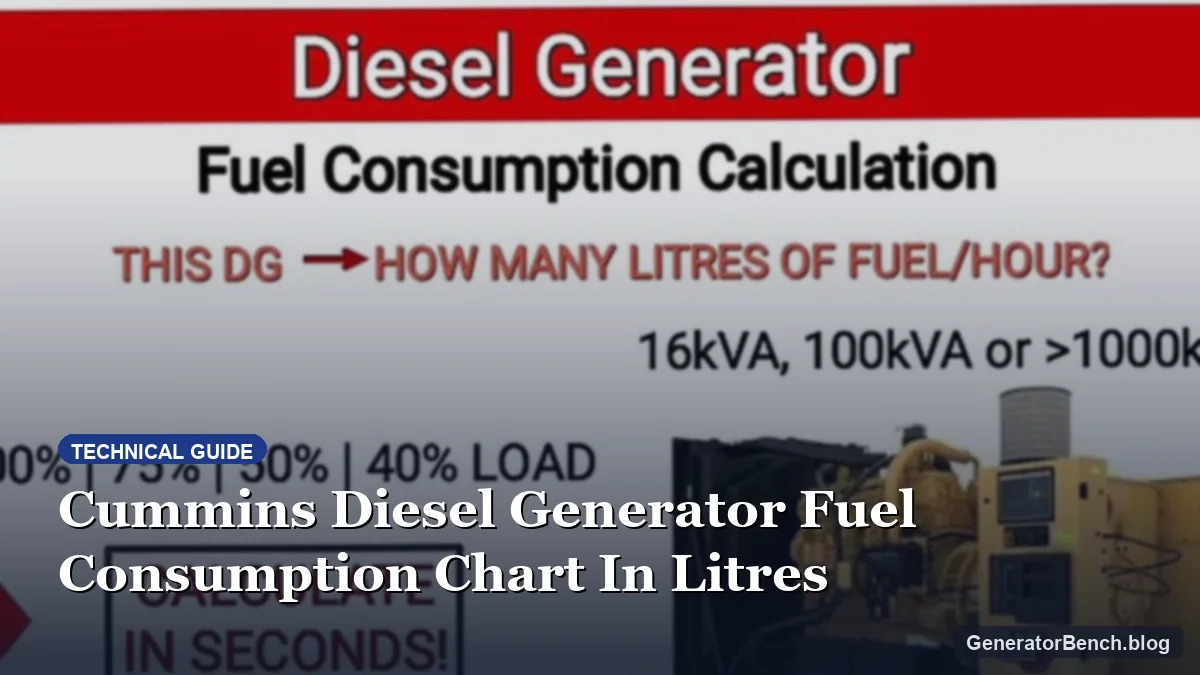
Always evaluate full load metrics against your baseline operational profile to prevent unexpected fuel starvation during extended outages. Proper planning guarantees uninterrupted power delivery.
Looking for matching picks? See our Best Diesel Generator.
Practical Quick-Reference Table
| Scenario / Metric | Recommended Target | Why It Matters |
|---|---|---|
| 25% Load Factor | Low burn rate | Prevents wet stacking |
| 50% Load Factor | Optimal efficiency | Balances fuel and wear |
| 75% Load Factor | Standard operation | Meets high facility demand |
| 100% Load Factor | Maximum output | Depletes tanks rapidly |
| Specific Gravity | 0.82 to 0.84 | Ensures energy density |
| Storage Turnover | 3 to 6 months | Prevents fuel degradation |
Interpreting Cummins Diesel Generator Fuel Consumption Data
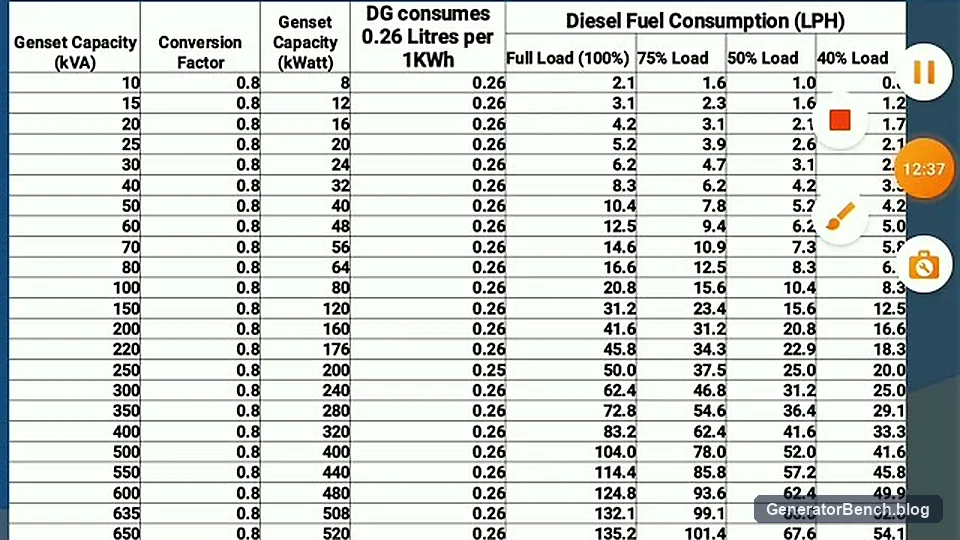
Reviewing engine specifications requires careful attention to manufacturer data sheets. These documents provide baseline figures for specific models under controlled testing environments.
Reviewing propane vs gas generator fuel consumption charts helps operators match specific metrics to actual site demands. These records display usage across multiple load steps for accurate planning.
Standard metric conversions allow technicians to translate US gallons into litres easily. Multiplying gallons by three point seven eight five yields precise metric volumes.
Environmental variables like temperature and barometric pressure alter these baseline numbers. Field conditions rarely match the sterile laboratory settings used during initial factory testing phases.
- Always review official manufacturer spec sheets for exact data.
- Convert US gallons to litres using standard multiplication factors.
- Account for auxiliary equipment draw when calculating totals.
- Verify engine serial numbers before referencing performance tables.
Reading Technical Data Sheets
Technical documentation breaks down usage by specific output percentages. Reading these columns correctly prevents costly miscalculations during emergency power deployments.
Always inspect the fuel density assumptions listed within small print notes. Variations in diesel quality directly influence total volumetric burn rates.
- Check ambient temperature correction factors carefully.
- Note the lower heating value used for baseline calculations.
Analyzing Load Percentage Impact on Litre Burn Rates
Diesel engines exhibit non-linear efficiency curves as electrical loads fluctuate. Operating at quarter capacity yields different burn characteristics than running at full throttle.
Evaluating our best tri fuel generator analysis reveals how units consume fuel at maximum output. However, the exact litres per kilowatt-hour ratio often improves near upper thresholds.
Facility managers must map typical daily loads against consumption data points. This strategy identifies the most cost-effective operating bands for your specific installation.
Ignoring partial load efficiencies can lead to severely flawed fuel reserve estimates. Always plot multiple operating scenarios before ordering bulk diesel deliveries.
- Quarter loads demand higher fuel per kilowatt produced.
- Half load operations often represent sweet spots for efficiency.
- Full load runs exhaust sub-base tanks at maximum speeds.
- Dynamic loads require averaged consumption modeling.
Partial Versus Full Load Efficiency
Running generators below half capacity reduces mechanical thermal stress. Unfortunately, this practice also degrades overall fuel efficiency and invites carbon buildup.
Balancing mechanical health with fuel economy requires careful operational oversight.
- Monitor exhaust temperatures during low load cycles.
- Schedule periodic high load runs to burn accumulated soot.
Video Walkthrough: Diesel Generator fuel consumption | Diesel consumption of DG
Calculating Hourly Fuel Requirements for Backup Systems
Determining exact hourly runtime requirements protects facilities from unexpected outages. Multiply the charted litres per hour by your expected emergency operational window.
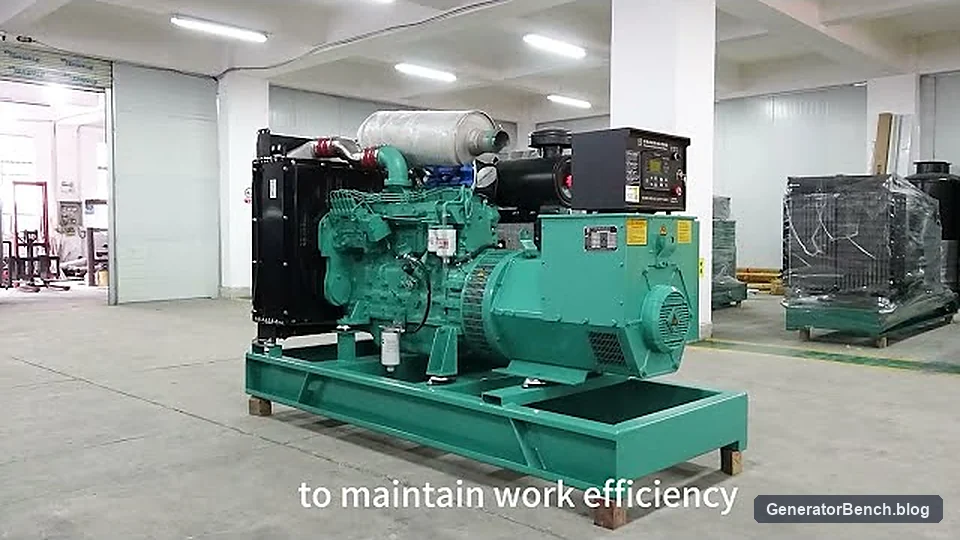
Emergency backup generators need safety margins built into storage calculations. Adding a twenty percent reserve buffer prevents total starvation during storms.
Automated transfer switches initiate immediate startup during commercial grid failures. Your fuel calculations must account for this rapid transition and stabilization period.
Recording actual run times helps refine future consumption forecasting models significantly. Real-world telemetry often reveals minor discrepancies against theoretical charts.
- Multiply hourly burn rates by expected outage durations.
- Always maintain a twenty percent emergency fuel reserve.
- Account for generator warm-up and cool-down cycles.
- Log actual historical consumption for future accuracy.
Establishing Outage Duration Baselines
Historical weather patterns dictate realistic backup duration expectations for facilities. Rural sites prone to extended grid failures require substantially larger bulk storage reserves.
Review local utility reliability metrics to determine proper tank sizes.
- Consult regional grid failure statistics annually.
- Size bulk tanks for multi-day independent operations.
Factoring Ambient Temperature and Altitude Adjustments
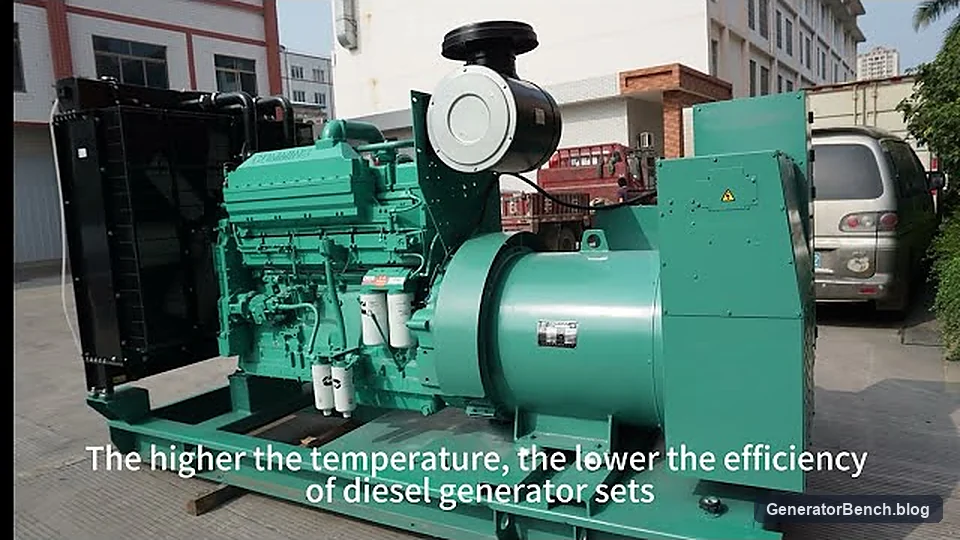
High altitudes reduce atmospheric oxygen density available for combustion processes. Cummins engines compensate by adjusting injection parameters, which alters fuel efficiency.
Extreme ambient temperatures also force generators to work harder for cooling. Both heat and cold impose parasitic loads that increase hourly litre consumption.
Reviewing deration tables ensures your fuel calculations remain accurate at elevation. Ignoring altitude corrections results in premature tank depletion during emergencies.
Always apply the manufacturer correction formulas for sites above sea level. Minor elevation changes accumulate into noticeable volumetric variances over long runs.
- Subtract rated output percentage for high altitude installations.
- Account for extreme ambient temperature cooling fan loads.
- Apply manufacturer deration factors before finalizing storage.
- Check turbocharger performance metrics in thin air.
Temperature Extremes and Fuel Density
Reviewing a diesel generator vs gas generator comparison highlights cold weather vulnerabilities. Freezing winter temperatures cause diesel fuel to thicken, so maintaining proper fuel heaters prevents flow restrictions.
Hot summer climates expand fuel volume slightly without adding energy.
- Use winterized diesel blends in sub-zero environments.
- Monitor fuel supply temperatures entering the primary filters.
Managing Bulk Storage Tanks and Refueling Schedules
Bulk storage tanks require rigorous management to prevent fuel degradation over time. Diesel fuel typically degrades within six months without chemical stabilization.
Refueling logistics must be scheduled before tanks drop below critical thresholds. Relying on emergency fuel delivery during widespread storms creates severe operational risks.
Sub-base tanks provide immediate internal capacity for short-term facility protection. Connecting secondary external bulk tanks extends autonomous runtime significantly.
Regularly test stored diesel for microbial contamination and water accumulation. Clean fuel protects injection pumps from catastrophic internal mechanical failure.
- Rotate bulk fuel supplies every three to six months.
- Install water separation filters on all storage tanks.
- Schedule commercial refueling before reaching quarter capacity.
- Test fuel quality periodically for bacterial growth.
Tank Sizing and Delivery Logistics
Using our generator wattage sizing calculator helps dictate required facility emergency reserves. Local fire codes and environmental regulations strictly govern maximum on-site diesel storage volumes.
Coordinate closely with local commercial fuel distributors for priority delivery.
- Comply with local environmental spill containment laws.
- Establish priority fuel supply contracts with vendors.
Preventing Wet Stacking Through Proper Load Management
Running diesel generators on light loads causes unburned fuel accumulation. This damaging phenomenon, known as wet stacking, fouls exhaust systems and degrades efficiency.
Consulting consumption charts helps operators identify dangerously low load zones. Keeping your generator above thirty percent capacity prevents this costly problem.
If light loads are unavoidable, operators must introduce bank load resistors. These external dummy loads restore proper combustion chamber temperatures quickly.
Routine inspection of exhaust stacks reveals early signs of carbon blow-by. Catching wet stacking early protects engine cylinder walls from permanent scoring.
- Never run large diesel generators below thirty percent load.
- Use external load banks during periods of low demand.
- Inspect exhaust manifolds regularly for wet black residue.
- Run periodic high-output exercises to clear carbon.
Implementing Load Bank Testing
Scheduled load bank testing verifies full horsepower output capabilities safely. These tests burn off accumulated unburned hydrocarbons and restore peak fuel economy.
Document every load bank test session in your maintenance logs.
- Perform annual resistive load bank testing cycles.
- Monitor exhaust clarity during high output runs.
Utilizing Manufacturer Technical Manuals and Specifications
Official Cummins technical manuals remain the ultimate authority for fuel data. Always cross-reference generic charts with your specific engine serial number documentation.
Engine software updates can occasionally modify electronic fuel injection timing maps. Staying informed about firmware revisions ensures your consumption calculations remain accurate.
Technical support teams can provide customized fuel consumption curves upon request. These tailored reports account for unique facility configurations and auxiliary loads.
Proper documentation archiving simplifies regulatory compliance audits and insurance verifications. Keep all engineering reference charts accessible in the control room.
- Match charts strictly to your specific engine serial number.
- Review control system firmware updates regularly.
- Contact authorized distributors for custom performance curves.
- Archive all technical manuals near the generator enclosure.
Accessing Official Engineering Data
Engineering portals offer downloadable spec sheets for most legacy models. Utilizing verified digital tools prevents errors stemming from outdated printed paperwork.
Keep digital backups of all critical operational manuals.
- Bookmark verified manufacturer engineering portals.
- Verify publication revision dates on all documents.
Frequently Asked Questions
How do I convert US gallons per hour to litres per hour?
Multiply the US gallon figure by three point seven eight five. This simple conversion yields precise metric hourly consumption.
Why does fuel consumption not scale linearly with load?
Engine mechanical and thermal efficiencies shift across different output percentages. Running at quarter load consumes more fuel per kilowatt produced.
What is wet stacking and how does it relate to fuel burn?
Wet stacking occurs when unburned fuel accumulates due to low operating temperatures. Keeping loads above thirty percent capacity prevents this issue.
How long can diesel fuel sit in storage tanks before degrading?
Untreated diesel typically degrades within three to six months. Regular testing and chemical stabilizers prevent microbial growth and filter clogging.
Do altitude and temperature affect generator fuel consumption?
High altitudes reduce oxygen density, requiring injection adjustments. Extreme temperatures also increase cooling fan loads and alter burn rates.