Cummins Dg Set Maintenance Schedule Technical Protocols
Proper servicing keeps industrial diesel generators reliable under heavy loads. Follow manufacturer intervals to prevent unexpected facility power failures.

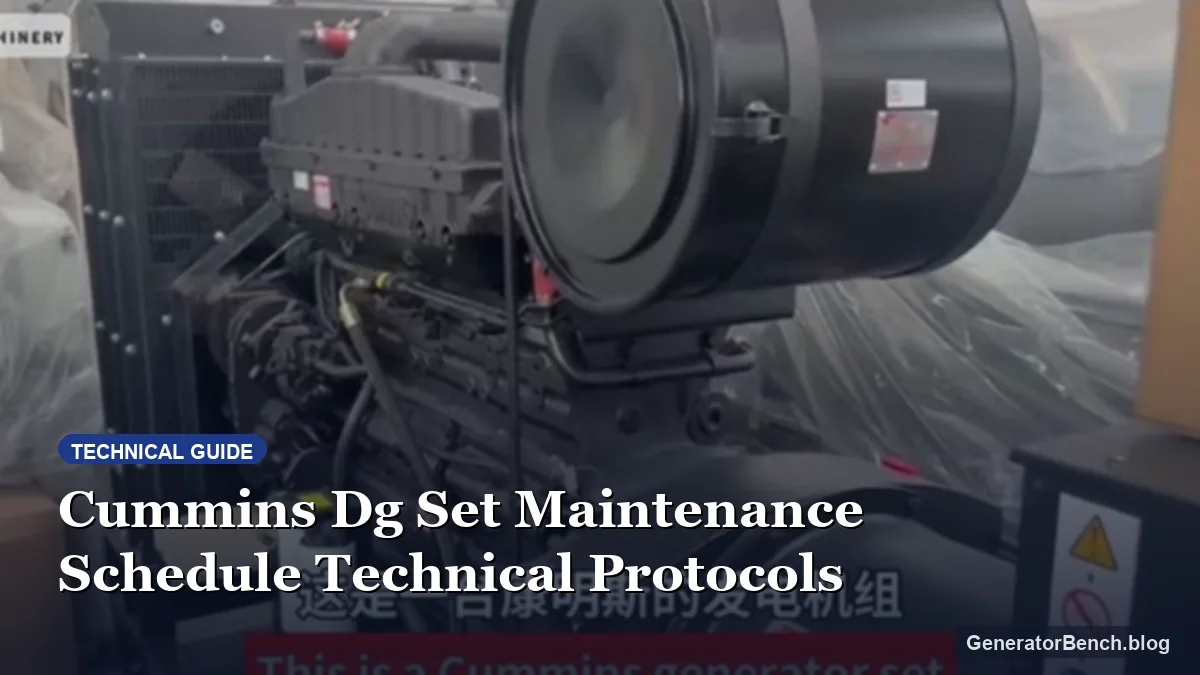
Execute daily inspections and oil changes precisely on time. Preventive maintenance ensures your backup generator delivers rated standby power safely.
Looking for matching picks? See our Best Dg Set.
Practical Quick-Reference Table
| Scenario / Metric | Recommended Target | Why It Matters |
|---|---|---|
| Daily Inspection | Fluid and leak checks | Early fault detection |
| Oil Change Interval | 250 operating hours | Reduces internal friction |
| Coolant Testing | Semi-annual Glycol check | Prevents engine overheating |
| Load Bank Testing | Annual at 80% capacity | Clears wet stacking risks |
| Fuel Filter Service | Every 500 hours | Protects fuel injectors |
| Battery Voltage | 12.6V to 14.2V float | Guarantees reliable cranking |
Routine Daily Visual Inspections And Pre-Start Checks
Daily walkarounds verify that your engine environment remains free of debris. Visual checks catch minor fuel leaks before they escalate into major fire hazards.
When evaluating models like the best home emergency generator, inspect fluid levels including engine oil and coolant expansion tanks. Low fluid volumes trigger automatic shutdown protocols during emergency power demands.
Examine the intake air restriction indicator to ensure adequate airflow. Restricted filters starve combustion chambers and reduce overall generator efficiency.
Check the battery charging alternator belt for proper tension and wear. A loose belt prevents adequate battery replenishment while the generator runs.
Conduct a thorough walkaround inspection of your Cummins diesel generator before every startup, verifying that fluid leaks are completely absent from the engine block, fuel lines, and surrounding containment areas.
Check the engine crankcase oil level using the dipstick, ensuring the fluid reaches the full mark without exceeding it, which prevents dangerous aeration, foaming, and subsequent internal mechanical component damage during operation.
Inspect the air intake restriction indicator daily to determine if the primary filter element requires replacement, keeping pressure drop within manufacturer specified limits to maintain optimal combustion efficiency and fuel economy.
Verify that the enclosure louvers remain entirely unobstructed by debris or snow, allowing unrestricted airflow necessary for proper alternator cooling and overall thermal regulation under heavy electrical load conditions.
- Verify fuel supply valve positions and primary tank levels.
- Check exhaust piping for secure mounting and soot leaks.
- Inspect control panel for active fault codes or warnings.
- Ensure enclosure louvers remain unblocked by environmental obstruction.
Control Panel Diagnostic Verification
Review the digital display for stored fault history and active alarms. Diagnostic codes pinpoint specific electrical or mechanical faults instantly.
Confirm that the master control switch rests in the auto position. This setting guarantees seamless transfer switch operation during power grid outages.
- Check for active warning lights on the main display.
- Verify remote monitoring telemetry connection status.
Lubrication System Servicing And Oil Analysis Protocols
Engine oil maintains critical film strength across high-stress internal components. Scheduled oil changes remove suspended soot and microscopic metallic debris safely.
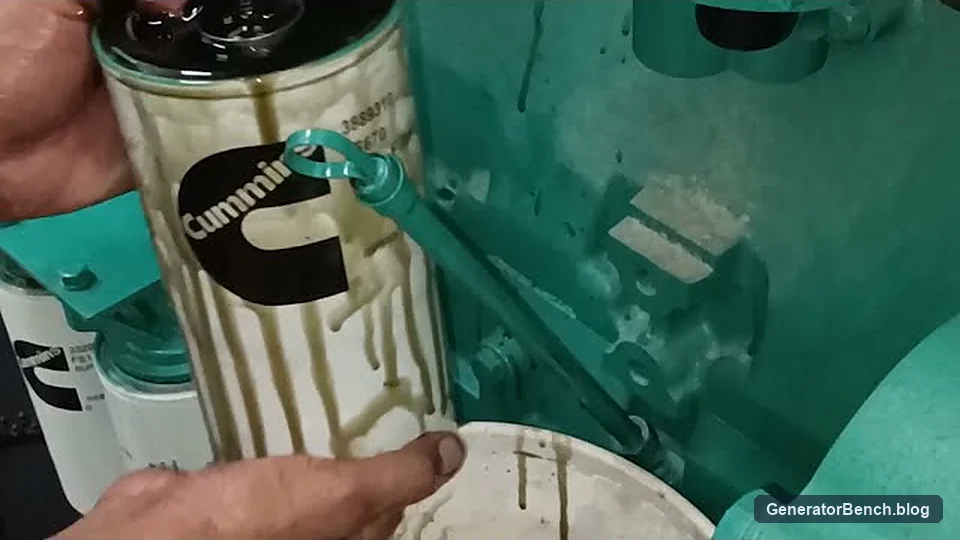
Drain old oil while the engine remains warm to suspend contaminants. Replace spin-on filters simultaneously using OEM-specified filtration media to protect bearings.
Refill the crankcase with exact viscosity grades recommended for ambient temperatures. Overfilling creates excessive internal pressure and damages rear main oil seals.
Submit periodic fluid samples to a certified laboratory for analysis. Spectrochemical testing detects early bearing wear and coolant leaks inside the block.
Perform scheduled engine oil and filter changes strictly according to operating hours or calendar intervals, utilizing approved cj-4 oils or higher specifications to protect heavy-duty Cummins diesel internal components.
Collect representative used oil samples during every drainage procedure, sending them to a certified laboratory for spectrochemical analysis to detect microscopic wear metals, fuel dilution, and coolant contamination early.
Lubricate all external mechanical linkage points, governor connections, and starter support bearings using high-temperature grease to prevent binding and ensure smooth throttle actuation during emergency startup sequences.
Monitor oil pressure gauges constantly during initial warm-up phases, verifying that readings stabilize within the normal operating range defined in your specific Cummins technical operations manual.
- Change oil filters at every scheduled lubrication service interval.
- Verify correct dipstick fill lines after running the engine.
- Dispose of waste oil according to local environmental regulations.
- Record operating hours precisely in the maintenance logbook.
Video Walkthrough: Diesel Generator Maintenance Overview
Cooling System Maintenance And Heat Exchanger Care
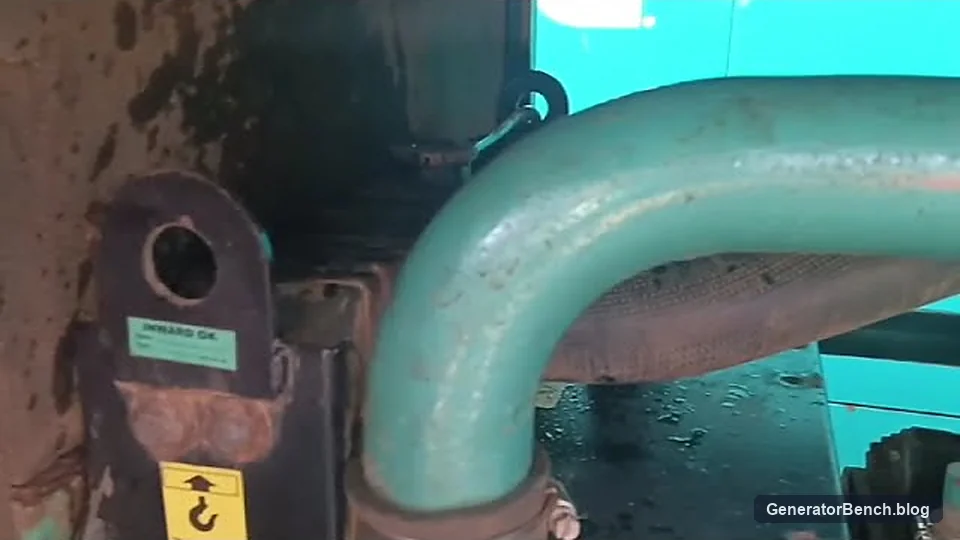
Industrial diesel engines generate massive thermal energy during standard operation. Proper coolant chemistry protects cylinder liners from cavitation and corrosion damage.
Test antifreeze concentration levels using a calibrated optical refractometer. Maintain a balanced mixture of water and heavy-duty ethylene glycol inhibitors.
Inspect radiator fins for external clogging caused by dust and debris. Clean cooling surfaces using compressed air directed opposite to normal airflow.
Examine radiator hoses for softening, cracking, or clamp security. Hose failure dumps hot coolant instantly and causes catastrophic engine seizure conditions.
Maintain proper coolant chemistry by testing antifreeze concentration and additive levels regularly, preventing destructive liner pitting and internal cavitation erosion within the heavy-duty engine block water jackets.
Inspect radiator fins and remote heat exchanger surfaces for accumulated dirt, leaves, or insect clogs, using low-pressure compressed air or specialized cleaners to restore maximum thermal transfer efficiency.
Check all radiator hoses and connection clamps for signs of dry rotting, cracking, or coolant weeping, replacing deteriorated rubber components immediately to avoid catastrophic overheating events under full load.
Test the radiator pressure cap relief valve periodically to ensure it maintains the correct system pressure threshold, which prevents premature boiling and maintains proper boiling point elevation.
- Flush cooling systems according to multi-year manufacturer guidelines.
- Replace thermostat assemblies during major overhaul intervals.
- Check jacket water heater operation to ensure cold starts.
- Inspect fan drive pulleys and bearings for excessive play.
Fuel System Filtration And Storage Tank Integrity
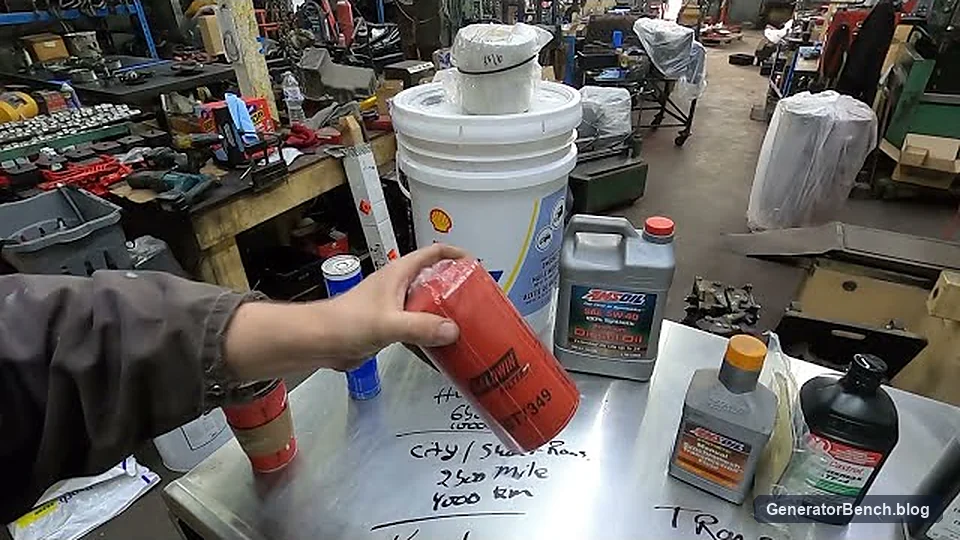
Clean diesel fuel is vital for high-pressure common rail injection systems. Primary fuel filters trap water and particulate matter before delivery.
Drain water separators daily to eliminate condensation from bulk storage. Water contamination fosters microbial growth that plugs fine secondary filters rapidly.
Replace primary and secondary fuel filters at designated hour intervals. Never pre-fill replacement spin-on filters with un-filtered fuel during servicing.
Polish bulk diesel storage fuel periodically to remove accumulated sediment. Fuel stability prevents sudden engine stalling during emergency power events.
Drain water and sediment from the primary fuel water separator daily, preventing corrosive moisture from reaching precision high-pressure common rail fuel injectors and causing internal scoring.
If your setup relies on a best household generator, replace secondary fuel filters according to manufacturer hour thresholds, ensuring you prime the system completely to eliminate trapped air pockets before startup.
Test bulk diesel fuel storage tanks regularly for microbiological growth, sludge accumulation, and water phase separation, applying approved fuel biocide treatments whenever contamination exceeds acceptable industry tolerances.
Inspect flexible fuel lines and hard metal piping for chafing, vibration fatigue, and weeping fittings, maintaining absolute integrity across the entire fuel supply architecture for safety compliance.
- Inspect fuel lines for abrasion and secure joint fittings.
- Test fuel pump delivery pressure against technical specifications.
- Keep day tanks filled to minimize condensation accumulation risks.
- Verify proper venting on external diesel storage reservoirs.
Electrical Generation And Automatic Transfer Switch Testing
Before upgrading electrical loads based on our generator wattage sizing calculator, alternator windings require regular insulation resistance testing using megohmmeters to identify moisture absorption within the generator head.
Inspect exciter brushes and slip rings for excessive wear patterns. Clean carbon dust accumulation to prevent electrical flashover during high loads.
Exercise the automatic transfer switch monthly under simulated grid failure. This routine confirms signal transmission between controller and breaker mechanisms.
Inspect main circuit breaker terminals for signs of thermal stress. Torque verification prevents high-resistance connections from causing localized overheating events.
Inspect the main alternator output terminals and wiring harnesses for signs of overheating, discoloration, or loose hardware, utilizing a torque wrench to verify proper bus bar connection tightness.
Conduct routine functional tests of your automatic transfer switch by simulating a utility power loss, verifying that transfer times and voltage recovery meet required facility emergency standards.
Measure generator output voltage, frequency, and phase balance under various operational states using a calibrated multimeter, ensuring the digital control panel accurately reflects actual electrical bus conditions.
Clean dust and moisture accumulation from inside the generator control cabinet and breaker enclosures, protecting sensitive microprocessor boards from short circuits and premature electronic degradation.
- Verify voltage regulator output stability across varied loads.
- Test emergency stop buttons for immediate circuit interruption.
- Inspect generator neutral and earth ground bonding points.
- Check battery charger output voltage and float currents.
Comprehensive Load Bank Testing And Performance Validation
Running standby generators lightly causes unburned fuel accumulation in exhaust systems. Load bank testing applies artificial electrical resistance to burn carbon.
Operate generators at seventy-five percent load for two consecutive hours. This thermal stress proves the cooling system can handle maximum facility demand.
Monitor exhaust gas temperatures and turbocharger boost pressures closely. Stable readings confirm that combustion efficiency meets factory operational standards.
Record frequency and voltage regulation responses during step-load changes. Transient performance data highlights governor or voltage regulator response deficiencies early.
Execute annual resistive load bank testing to verify your Cummins diesel generator can deliver its rated prime or standby power output without excessive exhaust smoking or voltage sag.
Step the applied electrical load gradually through twenty-five, fifty, seventy-five, and one hundred percent increments, monitoring exhaust temperatures and turbocharger boost pressures carefully throughout the entire procedure.
Run the generator at full rated load for a minimum of two consecutive hours to burn off unburned fuel deposits and prevent destructive wet stacking inside the exhaust system.
Record all critical performance metrics during the test protocol, archiving data sheets to establish a historical baseline of generator health and preemptively identify declining engine efficiency.
- Perform annual load tests to prevent wet stacking damage.
- Verify instrumentation accuracy against calibrated external meters.
- Inspect exhaust manifolds for thermal cracking or leakage.
- Ensure ventilation fans operate correctly during load runs.
Starter Battery Maintenance And DC Electrical Security
Starting reliability depends entirely on healthy lead-acid or AGM batteries. Battery terminal cleaning removes white lead sulfate corrosion that blocks current.
Measure open-circuit voltage and internal resistance using a conductance tester. Weak batteries must be replaced immediately before emergency conditions arise.
Verify that battery chargers maintain proper float voltage setpoints. Overcharged batteries boil dry while undercharged cells suffer from sulfation degradation.
Secure battery mounting brackets to prevent destructive mechanical vibration damage. DC electrical security ensures uninterrupted power to engine control modules.
Test starting battery terminal voltage and state of charge weekly, cleaning corrosion from posts and cable clamps to ensure reliable cranking amperage during emergency power failure events.
Verify that automatic float chargers operate correctly, maintaining precise DC voltage output without overcharging or boiling electrolyte levels inside flooded lead-acid starter battery cells over time.
Perform load testing on starting batteries annually, replacing any units that fail to sustain required minimum voltage under heavy starter motor engagement loads to guarantee prompt starts.
Inspect DC wiring harnesses and engine-mounted starter solenoids for secure mounting and insulation integrity, preventing intermittent electrical faults that can disable remote generator starting capabilities entirely.
- Apply protective terminal grease to prevent future corrosion.
- Check electrolyte specific gravity in unsealed battery cells.
- Inspect DC cabling for insulation chafing and secure lugs.
- Test remote alarm signals connected to facility monitoring desks.
Comprehensive Documentation And Compliance Record Keeping
Accurate record keeping demonstrates compliance with environmental and safety mandates. Maintenance logs track component lifecycle trends for proactive replacement planning.
Record every inspection, filter change, and test run in detail. Include operating hours, technician signatures, and observed anomalies in the registry.
Archive oil analysis reports alongside routine service invoices systematically. Historical data tracking helps technicians diagnose recurring mechanical or electrical faults.
Review compliance schedules yearly to align with updated industrial standards. Proper documentation protects facility operators during regulatory safety audits or inspections.
When selecting your power source from the best dg set options, maintain a dedicated logbook or digital management system to record every completed service task and operational test performed.
Archive all oil sample reports, load bank test certificates, and fuel quality test results systematically to demonstrate compliance with local environmental and fire safety regulatory standards.
Review comprehensive facility maintenance service schedules annually with engineering teams to adjust upkeep intervals based on actual runtime accumulation and changing site environmental operating conditions.
Ensure operating manuals, electrical schematics, and emergency contact lists remain securely stored inside waterproof enclosures directly adjacent to the generator set for rapid technician reference.
- Maintain physical and digital backup copies of logs.
- Track warranty expiration dates for major engine components.
- Schedule third-party safety audits for critical installations.
- Update emergency contact directories in the control room.
Frequently Asked Questions
How often should I change the oil in my industrial diesel generator?
Change engine oil and filters every two hundred fifty operating hours or annually. Regular oil replacement removes destructive soot and prevents premature internal bearing wear.
Why is annual load bank testing critical for backup generators?
Load bank testing prevents wet stacking by applying artificial electrical resistance. This process burns off unburned fuel deposits and proves the cooling system works.
What causes wet stacking in diesel generator sets?
Wet stacking occurs when diesel generators run under light loads for extended periods. Unburned fuel accumulation clogs exhaust systems and reduces overall engine efficiency.
How do I test the automatic transfer switch safely?
Exercise the system monthly by initiating a simulated utility power outage test. This confirms seamless signal transmission between the controller and breaker mechanisms.
What are the signs of failing coolant chemistry?
Failing coolant shows rusty discoloration, acidic pH levels, or scale buildup inside the radiator. Glycol testing prevents cylinder liner cavitation and destructive engine overheating.