Caterpillar Generator Maintenance Schedule Essentials
Master your caterpillar generator maintenance schedule with precise technical intervals. Proper servicing ensures emergency reliability and extends equipment service life.

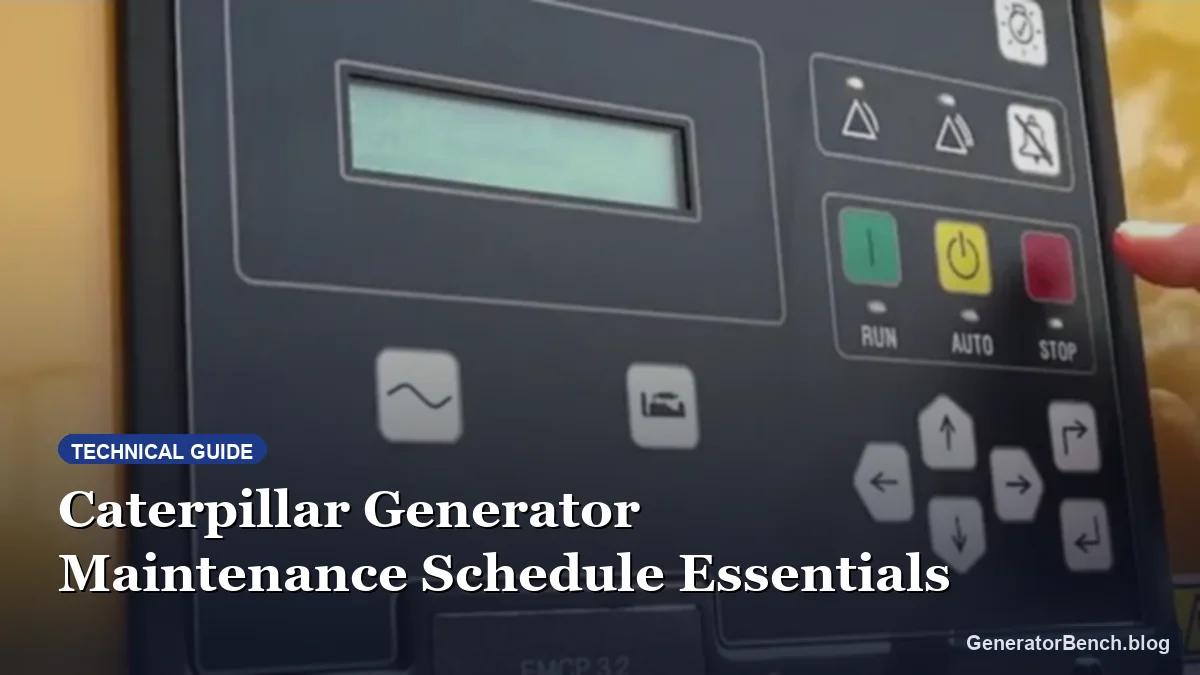
Follow the official caterpillar generator maintenance schedule using OEM fluid standards to prevent unexpected industrial power failures.
Looking for matching picks? See our Best Electric Generator.
Practical Quick-Reference Table
| Scenario / Metric | Recommended Target | Why It Matters |
|---|---|---|
| Oil Change Interval | Every 250 Hours | Removes accumulated soot and acidic wear byproducts. |
| Coolant Testing | Every 500 Hours | Prevents liner pitting and internal engine cavitation. |
| Fuel Filter Replacement | Every 500 Hours | Protects high-pressure common rail fuel injectors. |
| Air Filter Inspection | Weekly Visual Check | Restricts abrasive dust ingress into cylinders. |
| Battery Voltage Test | Monthly Check | Ensures immediate cranking capability during outages. |
| Load Bank Testing | Annually at 80% | Eliminates wet stacking and confirms rated output. |
Core Principles of Industrial Power Servicing
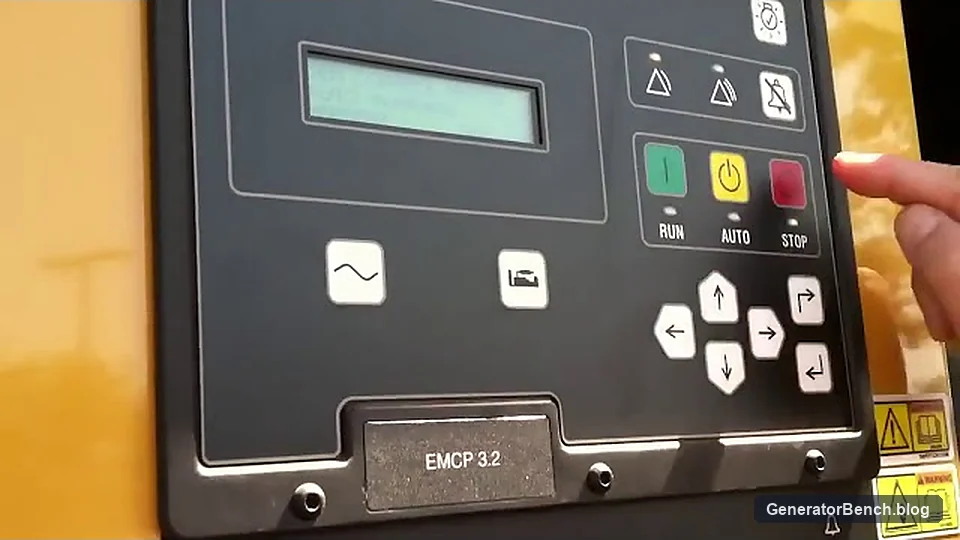
Implementing a rigorous generator maintenance schedule demands strict adherence to factory operating hours. Before servicing, always check our wattage sizing calculator to confirm your total electrical load limits.
Industrial diesel engines operate under extreme thermal loads and high mechanical pressures. Regular preventive interventions safeguard internal components from premature abrasive wear and thermal fatigue.
Environmental operating conditions directly influence required service intervals and fluid degradation rates. Dusty environments require accelerated air filter replacements and frequent core inspections.
Establishing baseline technical documentation helps facility managers track component degradation over extended operational lifespans. Accurate records simplify warranty compliance and streamline major overhaul planning.
- Track total engine operating hours using digital controllers.
- Adjust service intervals for extreme ambient temperatures.
- Maintain comprehensive maintenance logs for every unit.
- Utilize genuine manufacturer replacement parts exclusively.
Documenting Operational History and Technical Metrics
Maintaining detailed logs ensures all recurring service items receive timely attention. Consistent documentation reveals subtle performance shifts before they escalate into major failures.
Modern digital monitoring systems simplify data collection by automatically recording critical operating parameters.
- Record daily fuel consumption rates and pressure metrics.
- Note ambient temperature and humidity during service events.
- Archive oil analysis laboratory reports for historical comparison.
Daily and Weekly Pre Start Inspection Protocols
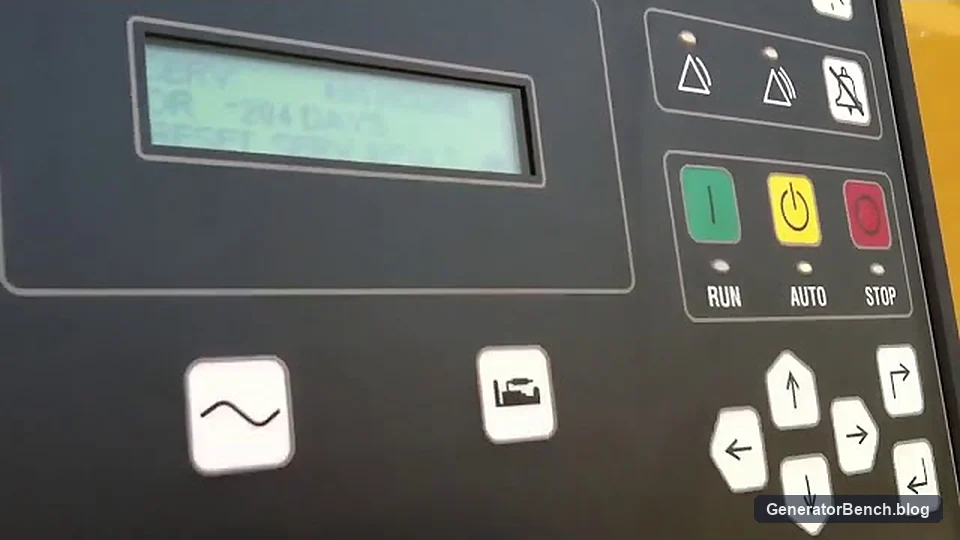
Conducting routine pre start inspections protects your equipment from preventable operational damage. Technicians must inspect fluid levels, belt tensions, and exhaust pathways before initiating engine startup.
Visual checks identify fluid leaks, loose electrical terminals, and physical housing damage immediately. Catching these minor anomalies early prevents costly roadside or facility repair delays.
Checking engine oil levels requires the machine to be completely shut down and cool. Proper fluid verification protects every best household generator unit from running with insufficient lubrication pressure.
Coolant expansion tanks must be visually examined to ensure proper thermal fluid retention. Low coolant levels indicate potential external leaks or internal gasket compromises requiring immediate attention.
- Verify crankcase oil levels using the dipstick gauge.
- Inspect cooling system hoses for cracking or soft spots.
- Examine drive belts for proper tension and fraying.
- Ensure exhaust discharge paths remain entirely unobstructed.
Executing Thorough Walk Around Safety Checks
Walk around inspections form the frontline defense against unexpected operational interruptions and safety hazards. Every enclosure panel and structural mounting point demands careful scrutiny.
Verifying control panel fault indicators ensures the electronic monitoring system functions correctly prior to load application.
- Check enclosure weather seals for weather cracking.
- Confirm emergency stop button functions correctly without delay.
- Inspect base fuel containment basins for accumulated moisture.
Video Walkthrough: Search filters
Routine Lubrication and Engine Oil Intervals
Engine oil degradation represents a primary cause of internal diesel engine mechanical wear. Adhering strictly to oil change intervals preserves vital bearing surfaces and reduces friction.
Drain old oil while the engine remains warm to ensure complete contaminant removal. Hot fluid suspends particulate matter efficiently, purging metal debris from the oil pan.
Replacing the spin on oil filters alongside every oil change prevents immediate contamination of fresh lubricants. Using substandard filters compromises filtration efficiency and oil pressure stability.
Laboratory oil analysis provides deep insight into internal engine condition and bearing health. Spectrochemical testing detects microscopic wear metals before catastrophic component seizures occur.
- Drain crankcase oil completely at operating temperature.
- Install certified OEM oil filters with proper torque.
- Refill with high quality diesel engine oil meeting specs.
- Perform scheduled oil analysis every 250 operating hours.
Interpreting Laboratory Oil Analysis Reports
Oil sample testing reveals critical microscopic wear indicators hidden deep within the power plant. Laboratory reports quantify soot loading, fuel dilution, and additive depletion rates.
Reviewing viscosity metrics helps technicians determine if oil degradation stems from excessive thermal stress or prolonged idling.
- Collect clean oil samples directly from warm fluid streams.
- Track iron and chromium levels across consecutive sample reports.
- Monitor total base number retention to gauge additive life.
Cooling System Maintenance and Flushing Procedures
Effective cooling systems prevent destructive thermal runaway during heavy industrial electrical loading. Maintaining proper coolant chemistry protects cylinder liners from cavitation and corrosion.
Routine coolant flushes remove mineral scale and degraded chemical inhibitors from internal passages. Fresh coolant restores optimal heat transfer efficiency across radiator core tubes.
Thermostats regulate operating temperatures and must be tested or replaced periodically. Failing thermostats cause severe overheating or prevent the engine from reaching efficient operating warmth.
Inspect cooling fan blades for structural cracks, loose mounting hardware, and balancing weights. Damaged fan assemblies compromise airflow and can destroy expensive radiator cores instantly.
- Test coolant freeze point and inhibitor levels regularly.
- Flush cooling systems completely every two years or hours.
- Inspect water pump weep holes for persistent coolant leakage.
- Clean radiator fins externally using low pressure compressed air.
Managing Heavy Duty Diesel Coolant Additives
Conventional heavy duty coolants require regular supplemental additive charges to prevent liner pitting. Neglecting these chemical balances leads to catastrophic pinhole leaks in cylinder walls.
Extended life coolants reduce maintenance complexity by providing long term corrosion protection without frequent booster additions.
- Test SCA concentration levels using specialized test strips.
- Drain and flush old coolant formulations before switching types.
- Ensure proper water quality is used for system dilution.
Air Filtration Systems and Intake Integrity
Combustion air quality directly determines diesel engine longevity and overall fuel efficiency performance. Abrasive dust entering unhindered destroys piston rings and cylinder walls rapidly.
Primary air filter elements trap large particulate matter before it reaches secondary safety filters. Inspecting service indicators prevents premature replacement while avoiding dangerous restriction levels.
Intake ducting must remain completely airtight between the filter housing and turbocharger inlet. Unfiltered air bypass ruins compressor wheels and degrades boost pressure output significantly.
Heavy debris accumulation inside dust collection bowls requires immediate manual cleaning and disposal. Maintaining clear intake pathways guarantees adequate airflow under peak electrical demands.
- Check air filter restriction gauges during weekly inspections.
- Replace primary and secondary air elements simultaneously when dirty.
- Inspect all rubber intake boots for cracking and loose clamps.
- Ensure rain caps operate freely without mechanical binding.
Detecting Intake Leaks and Restriction Risks
Air intake restrictions force the engine to work harder, increasing exhaust gas temperatures. Identifying pressure drops across the filter media prevents unnecessary fuel consumption spikes.
Smoke color changes under load often indicate restricted airflow or failing turbocharger components.
- Perform smoke checks during high electrical load tests.
- Inspect turbocharger compressor blades for foreign object damage.
- Verify restriction indicator switches function accurately.
Fuel System Filtration and Water Separator Care
Modern diesel fuel injection systems operate under extreme pressures demanding absolute fuel purity. Water and particulate contamination ruin precision injectors within operational seconds.
Fuel water separators trap moisture before it reaches delicate transfer pumps and injection rails. Draining accumulated water from the separator bowl should occur on a weekly basis.
Primary and secondary fuel filters remove suspended microscopic contaminants from the diesel supply stream. Replacing these filters strictly on schedule prevents sudden power loss events.
Fuel tank condensation poses a constant threat during seasonal temperature fluctuations and high humidity. Maintaining full tanks minimizes internal air space and reduces moisture accumulation.
- Drain water separator bowls weekly into approved containers.
- Replace primary and secondary fuel filters every 500 hours.
- Bleed air from fuel systems completely after filter changes.
- Treat stored diesel fuel with biocide and stabilizers.
Preventing Microbial Growth in Storage Tanks
Microbial contamination clogs fuel filters rapidly and corrodes metallic fuel tank walls. Stagnant diesel fosters bacterial and fungal growth when water is present in storage.
Using quality fuel additives inhibits microbial proliferation and maintains fuel stability over extended storage periods.
- Test stored fuel samples for microbial contamination regularly.
- Circulate and polish bulk fuel reserves through filtration carts.
- Drain tank bottoms to remove settled water and sludge.
Electrical Testing and Battery Service Operations
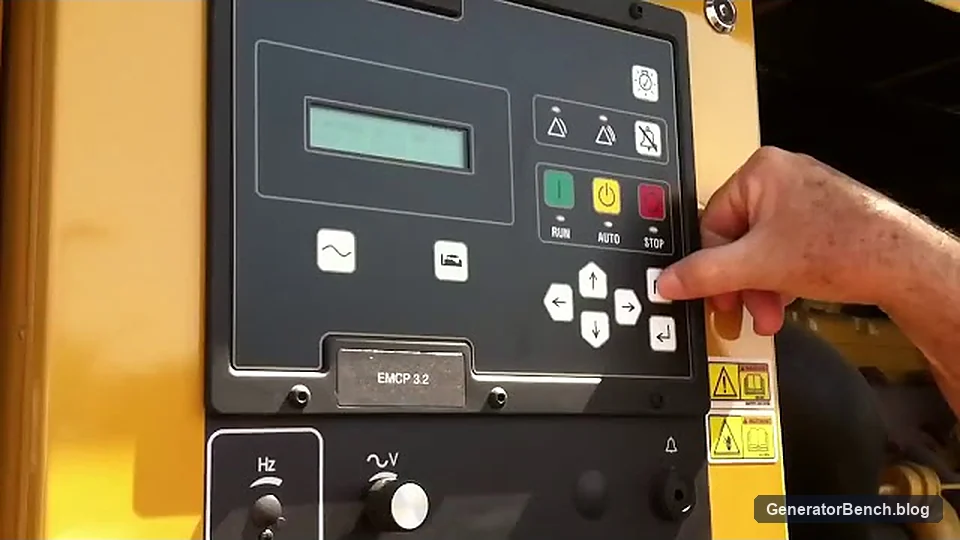
Reliable starting capability depends entirely on robust electrical charging and battery systems. Routine testing ensures batteries deliver sufficient cranking amperage during sudden power outages.
Battery terminals require thorough cleaning and protective terminal spray application to prevent corrosion. Loose or corroded connections prevent proper starter motor engagement and charging.
Automatic transfer switch communication testing verifies proper signal transmission between the generator and your chosen best home emergency generator setup. Regular integration tests confirm seamless emergency power transfer during grid failure.
Alternator output voltage and battery charging current must be verified using multimeters. Proper voltage regulation protects sensitive onboard electronic control modules from power spikes.
- Test starting battery specific gravity and terminal voltage.
- Clean battery posts and coat connections with anti corrosion.
- Verify automatic transfer switch operation through manual tests.
- Inspect alternator wiring harnesses for chafing and heat damage.
Performing Load Testing on Starting Batteries
Carbon pile load testers evaluate battery capacity under simulated engine cranking stress. Weak batteries fail this test immediately, preventing unexpected failure during actual grid outages.
Replacing aging batteries proactively eliminates the risk of non start conditions during emergencies.
- Apply carbon pile load for fifteen seconds safely.
- Measure recovered terminal voltage against manufacturer standards.
- Replace batteries older than three to four years.
Comprehensive Load Bank Testing and Seasonal Prep
Load bank testing verifies your engine delivers its rated electrical kilowatt capacity safely. Running large units at high loads mirrors the performance demands seen in any best solar electric generator system.
Light loading causes wet stacking, characterized by unburned fuel accumulation in exhaust manifolds. Annual load bank testing at eighty percent capacity eliminates this harmful condition.
Seasonal preparation involves adjusting fluid viscosities and checking block heater operation thoroughly. Cold weather readiness protects engine blocks from freezing and ensures rapid starting.
Exhaust system insulation blankets and flexible exhaust bellows require thorough annual safety inspections. Preventing exhaust leaks protects operators from toxic carbon monoxide gas exposure.
- Perform annual load bank testing at eighty percent capacity.
- Verify engine block heater functionality before winter weather.
- Inspect exhaust insulation blankets for structural integrity.
- Check generator enclosure ventilation louvers for smooth operation.
Mitigating Wet Stacking Risks Through Load Testing
Running industrial generators below thirty percent capacity leads to incomplete combustion. This unburned fuel mixes with soot, creating wet, tarry deposits throughout the exhaust system.
Applying resistive load banks burns away accumulated carbon and restores engine efficiency.
- Connect resistive load bank cables securely to main lugs.
- Step up electrical load gradually to eighty percent capacity.
- Run unit under full load for at least two hours.
Frequently Asked Questions
How often should engine oil be changed on industrial diesel generators?
Engine oil requires replacement every 250 operating hours or annually under normal conditions. Always verify specific intervals using your official equipment operations manual.
What causes wet stacking and how can facility operators prevent it?
Wet stacking results from prolonged light load operation causing unburned fuel accumulation. Prevent this issue by conducting annual load bank testing at eighty percent capacity.
Why is daily pre start inspection crucial for emergency power equipment?
Daily inspections identify fluid leaks and low battery voltage before emergencies happen. Catching these problems early ensures reliable grid failure response every single time.
What fuel system components need the most frequent maintenance attention?
Water separator bowls require weekly draining to prevent moisture damage. Replacing primary and secondary fuel filters every 500 hours protects delicate injection components.
How does coolant testing protect heavy duty diesel engine cylinders?
Coolant testing verifies chemical inhibitor levels and prevents destructive liner cavitation. Maintaining proper coolant chemistry avoids expensive internal engine block repairs over time.