Whole House Generator vs. Portable: Which Fits Your Setup Better?
Selecting backup power requires balancing permanent integration with flexible deployment. Your home's electrical load profile dictates whether a standby system or a mobile unit fits best.

Whole house generators dominate for automated, heavy-duty residential protection, while portable generators win on upfront flexibility and mobile outdoor utility.
Compare all top models in our Best Home Emergency Generator.
Side-by-Side Breakdown
| Criteria | Whole House Generator | Portable | Edge |
|---|---|---|---|
| Peak Performance & Output | 12kW to 48kW continuous | 3kW to 10kW standard | Whole House Generator |
| Duty Cycle & Consistency | Designed for multi-day continuous runs | Limited by fuel and small engine duty | Whole House Generator |
| Operating Noise & Vibration | Enclosed and heavily muffled | Open frame with higher decibel output | Whole House Generator |
| Portability & Footprint | Permanent concrete pad installation | Wheeled frame for easy relocation | Portable |
| Maintenance & Service Life | Professional service every 100 hours | Frequent owner-performed maintenance | Whole House Generator |
| Power Requirements | Tied directly to natural gas lines | Relies on gasoline or propane jugs | Whole House Generator |
| Best Ideal Use-Case | Full home automation and heavy HVAC | Budget-conscious emergency basics | Whole House Generator |
Architectural Engineering and Output Architecture
Whole house generators integrate permanently into your property's utility infrastructure. They deliver massive surge capacity to run central air units and heavy household appliances simultaneously without dropping line voltage.
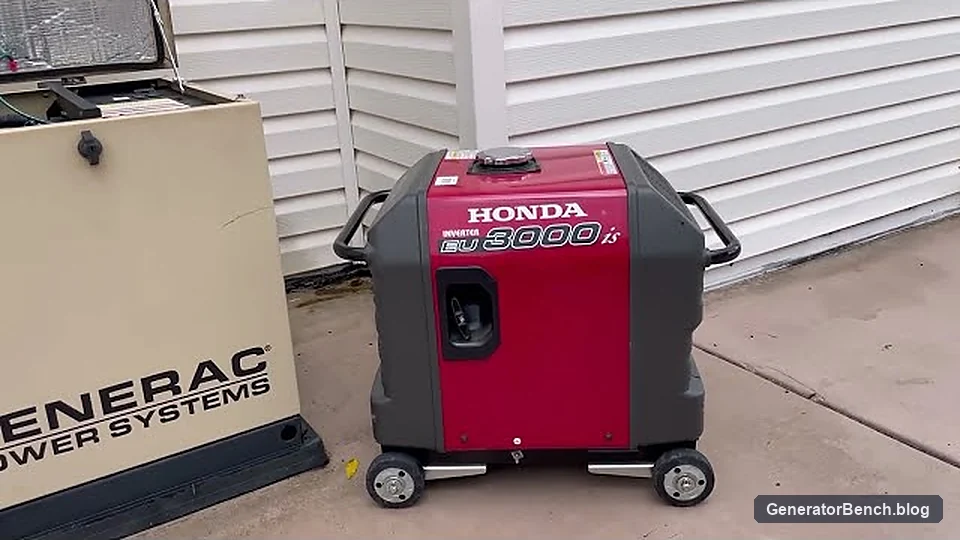
Portable generators rely on smaller internal combustion engines. You must manually deploy these mobile units outdoors and connect them safely using heavy extension cords or a dedicated transfer switch.
Whole house units utilize synchronous alternators producing clean 120/240V split-phase power, whereas traditional portables often exhibit higher total harmonic distortion, requiring modern inverter modules to safely power sensitive microprocessor appliances.
Electrical engineers must calculate starting kVA requirements for inductive loads like central air compressors, ensuring the chosen generator alternator possesses adequate rotor thermal capacity to handle locked-rotor amperage surges safely.
- Permanent standby units supply 12kW to 48kW automatically.
- Portable variants typically output 3kW to 10kW of power.
- Standby models run on existing natural gas infrastructure.
- Portables require manual refueling every eight to twelve hours.
Electrical Safety and Voltage Regulation
Modern home standby systems feature advanced digital controllers. These onboard computers ensure clean power delivery with minimal harmonic distortion, protecting sensitive electronics throughout your residence during unexpected outages.
Portable units vary significantly in Total Harmonic Distortion levels. Traditional open-frame designs may spike voltage during heavy load shifts, while modern inverter portables provide stable sine waves.
- Digital microprocessors monitor grid status continuously.
- Inverter portables protect laptops and medical devices.
Continuous Duty Cycles and Fuel Logistics
Standby systems connect directly to natural gas or propane lines. This direct plumbing eliminates manual refueling, allowing the engine to run continuously for days during extended grid failures.
Portable generators depend on onboard fuel tanks or external jugs. Operators must constantly monitor consumption and handle gasoline safely, which introduces severe fire risks during severe weather events.
Standby generators operate on continuous duty cycles tied directly to stationary natural gas or LPG plumbing infrastructure, eliminating manual refueling hazards during extended utility grid failures exceeding several days.
Portable power stations rely on gasoline fuel tanks requiring strict fuel stabilization and manual replenishment every eight to twelve hours at fifty percent load, creating logistical bottlenecks during severe weather events.
- Natural gas provides unlimited run time during outages.
- Gasoline storage requires strict safety container handling.
- Propane offers long shelf-life fuel alternatives.
Thermal Management and Engine Longevity
Whole house units utilize automotive-grade liquid-cooled or heavy air-cooled engines. Their robust thermal design supports extended run times without overheating under maximum residential electrical loads.
Portable generators typically employ high-RPM air-cooled small engines. These mechanical assemblies wear out much faster when subjected to continuous multi-day operational duties during catastrophic blackouts.
- Liquid cooling prevents localized hot spots.
- High-RPM small engines demand frequent cool-down periods.
Acoustic Profiles, Enclosures, and Vibration Mitigation
Fixed standby generators feature weather-resistant acoustic enclosures. These engineered housings reduce operating noise levels significantly, allowing the machinery to sit close to neighboring properties without complaints.
Portable generators expose their muffler systems directly to the open air. This exposed architecture generates loud, disruptive sound profiles often exceeding seventy decibels at standard operating distances.
Permanent standby systems feature weather-protective acoustic enclosures lined with sound-deadening foam, maintaining operational noise levels near sixty-five decibels at a standard distance of seven meters from the unit.
Portable units employ open-frame designs or light mufflers generating significantly higher noise profiles, requiring careful placement on vibration-isolating rubber pads to prevent structural resonance transmission into living spaces.
- Standby decibel ratings match quiet residential AC units.
- Open-frame portables require careful distance placement.
Ground Vibration and Structural Isolation
Whole house generators bolt securely onto heavy concrete pads. Internal rubber vibration isolators prevent mechanical shock waves from transferring into surrounding soil and nearby residential building foundations.
Portable generators sit directly on bare earth, asphalt, or patios. Their unmitigated engine vibrations create walking tendencies and structural rattling unless placed on specialized anti-fatigue rubber mats.
- Concrete pads anchor heavy standby equipment firmly.
- Portable units can migrate across slick surfaces.
Spatial Footprint, Installation, and Siting Engineering
Installing a whole house generator requires professional site preparation. Technicians must pour concrete pads, trench gas lines, and run heavy electrical conduits before final system commissioning.
Portable generators offer immediate out-of-the-box spatial flexibility. You simply wheel the unit out of your garage, position it safely away from windows, and start it manually.
Whole house generators demand engineered concrete pads and strict adherence to NFPA fire codes regarding clearance from windows, vents, and combustible building materials for safe exhaust dispersion.
Portable generators require temporary outdoor positioning well away from dwelling entries, utilizing heavy-duty weather-rated extension cords while adhering to mandatory carbon monoxide safety operational distances.
- Standby installations demand permanent yard footprint allocation.
- Portables store compactly inside standard garage sheds.
Local Building Codes and Clearance Rules
Permanent standby units must comply with strict municipal zoning laws. Inspectors mandate precise clearance distances from windows, doors, and property lines to prevent dangerous exhaust gas accumulation.
Portable generators present severe carbon monoxide poisoning hazards when operated improperly. Users frequently violate safety clearances by placing running units too close to home living spaces.
- Zoning permits dictate exact property line setbacks.
- Carbon monoxide detectors remain mandatory indoors.
Routine Maintenance Intervals and Mechanical Longevity
Whole house generators require scheduled professional servicing every one hundred hours. Modern digital control panels automatically remind homeowners to check oil levels, filters, and battery conditions.
Portable generators demand frequent, hands-on owner maintenance. Users must clean carburetor jets, change engine oil every fifty hours, and meticulously stabilize fuel to prevent varnish buildup.
Standby engines operate at lower rotational speeds around 3600 RPM for air-cooled models or 1800 RPM for liquid-cooled variants, extending oil change intervals up to two hundred operating hours.
Portable generators run hard at maximum governor thresholds, demanding rigorous maintenance checks every hundred hours alongside mandatory carburetor bowl draining to prevent fuel varnish accumulation during storage periods.
- Digital panels track total operating hours automatically.
- Carburetors require seasonal cleaning and fuel drainage.
Component Wear and Replacement Parts
Standby generators utilize heavy-duty alternators and industrial starting systems. These commercial-grade components achieve exceptional operational lifespans exceeding thousands of hours of reliable backup service.
Portable units feature lightweight consumer-grade electrical windings. Frequent overloading and exposure to harsh weather elements drastically shorten their overall mechanical and electrical service expectancy.
- Industrial alternators resist thermal breakdown.
- Consumer windings degrade faster under heavy loads.
Automatic Transfer Switches versus Manual Interlock Integration
Standby generators operate through an automatic transfer switch. This smart electrical device detects grid failure instantly, cranking the engine and shifting home circuits without human intervention.
Portable generators require manual user intervention during emergencies. An operator must venture outside into inclement weather, start the engine manually, and flip mechanical interlock breakers.
Automatic transfer switches monitor utility voltage continuously, executing seamless power source switching within seconds via motorized contactors without requiring any homeowner physical intervention during sudden blackouts.
Manual panel interlock kits mechanically prevent simultaneous utility and generator breaker closure, offering a cost-effective safety mechanism that mandates manual startup and manual circuit selection by the user.
- Transfer switches isolate home grids from utility lines.
- Manual interlocks require proper breaker sequencing.
Seamless Power Transition for Essential Appliances
Automatic transfer systems prevent frustrating power drops for refrigerators and medical equipment. The seamless power transition ensures uninterrupted operational continuity for vital home appliances and HVAC systems.
Manual transfer setups leave homes dark temporarily during outages. Homeowners must manage power budgets carefully, manually cycling heavy loads to prevent tripping the portable generator's circuit breakers.
- Refrigerators stay cold without manual power resets.
- Medical devices maintain continuous battery charging.
Choosing the Optimal Power Plant for Your Specific Load
Selecting the right backup power system depends on your budget. Homeowners living in hurricane-prone regions benefit immensely from the fully automated reliability of permanent standby installations.
Budget-conscious homeowners with modest emergency needs find portable units adequate. If you only need to power a refrigerator and lights, a portable generator offers unbeatable economy.
Selecting the ideal generator requires balancing total electrical demand, budget constraints, fuel availability, and local municipal codes to ensure uninterrupted power delivery tailored to your specific household lifestyle.
Critical medical equipment or remote locations heavily favor permanent whole house units, whereas moderate seasonal backup needs are effectively met by properly sized high-output portable generators.
- Standby systems suit frequent storm-prone areas.
- Portables fit occasional emergency backup requirements.
Future-Proofing Your Residential Electrical Infrastructure
Installing a whole house generator increases overall real estate property value. Prospective buyers appreciate the turnkey emergency preparedness that permanent standby systems provide to modern residential structures.
Portable generators require zero permanent real estate modifications or permits. Renters and frequent movers prefer portable units because they pack up easily and travel to new locations.
- Permanent generators add appraised home equity.
- Portable units travel easily to remote job sites.
Frequently Asked Questions
Can a portable generator run my central air conditioning system?
Traditional portable generators lack the massive starting wattage required for heavy central air units. You would need a very large dual-fuel portable unit paired with a soft-start kit to safely manage central HVAC startup surges.
How often do whole house generators require professional maintenance?
Whole house standby generators typically require professional servicing every one hundred operating hours or annually. Routine maintenance includes changing oil filters, replacing spark plugs, and testing the automatic battery charger for optimal reliability.
Is it safe to run a portable generator during heavy rain?
Operating a standard portable generator in direct rain creates severe electrocution and equipment damage hazards. You must always use a certified running tent or dedicated enclosure to protect sensitive electrical outlets from moisture.
Do whole house generators increase home resale value?
Installing a permanent standby generator generally increases residential property appraisal values. Real estate markets increasingly reward turnkey emergency preparedness systems that guarantee seamless continuous power during catastrophic utility grid failures.
What is the primary advantage of a manual transfer switch?
Manual transfer switches provide a safe, code-compliant connection between portable generators and home panels. This hardware prevents dangerous backfeed currents from flowing back into utility lines and injuring local electrical lineworkers.