Synchronous Generator vs. Inverter Generator: Which Fits Your Setup Better?
Choosing the right portable power unit requires balancing raw mechanical output against clean, stable electrical waveforms. Understanding core engineering trade-offs protects sensitive electronics during emergency outages.

Choose a synchronous generator for heavy-duty job sites requiring massive surge capacity. Select an inverter generator for sensitive electronics, lower noise profiles, and variable fuel efficiency.
Compare all top models in our Best Home Emergency Generator.
Side-by-Side Breakdown
| Criteria | Synchronous Generator | Inverter Generator | Edge |
|---|---|---|---|
| Peak Performance & Output | High starting surge capacity | Controlled digital output | Synchronous Generator |
| Duty Cycle & Consistency | Fixed 3600 RPM baseline | Variable speed microchip throttle | Inverter Generator |
| Operating Noise & Vibration | Higher mechanical dB levels | Enclosed acoustic dampening | Inverter Generator |
| Portability & Footprint | Heavy steel frame builds | Compact suitcase configurations | Inverter Generator |
| Maintenance & Service Life | Simpler brushed or brushless designs | Complex multi-stage electronics | Synchronous Generator |
| Power Requirements | Raw high-amperage tool loads | Clean pure sine wave power | Inverter Generator |
| Best Ideal Use-Case | Industrial construction sites | Recreational camping and home backup | Inverter Generator |
Engineering Architecture and Statistical Baseline
Synchronous models rely on a direct mechanical connection between the engine and alternator rotor. This establishes a rigid operational baseline similar to a strict statistical baseline used in field metrics.
Engine speed directly dictates electrical frequency, maintaining a constant thirty-six hundred rotations per minute. This traditional design handles massive instantaneous inductive loads without complex computer intervention.
Inverter architecture decouples engine rotation from frequency generation entirely. Raw AC converts to DC and passes through a microprocessor, a feature highlighted in our best power inverter generator review.
Synchronous units couple the rotor directly to the engine crankshaft, locking frequency to 3600 RPM for a two-pole alternator to maintain a rigid 60 Hz output across fluctuating mechanical loads.
Inverter designs decouple engine speed from electrical frequency, rectifying raw AC to high-voltage DC before passing it through an IGBT inverter bridge to synthesize clean pure sine wave power.
Harmonic distortion differentiates their baseline performance significantly, with standard synchronous alternators producing 15 to 25 percent THD, whereas modern multi-pole inverters consistently achieve under 3 percent total harmonic distortion.
- Direct alternator coupling ensures maximum raw surge delivery.
- Fixed engine speeds maintain standard sixty-hertz frequency output.
- Digital microchips isolate electrical frequency from engine RPM fluctuations.
Core Alternator Mechanics
Brushed and brushless alternators on synchronous units use heavy copper windings. These robust components withstand intense thermal loads during prolonged high-wattage operations.
Field coils generate a magnetic field that rotates synchronously with the prime mover mechanical output.
- Heavy copper wire resists localized overheating.
- Rugged rotor designs endure harsh industrial vibrations.
Load Density and Power Distribution Mapping
Evaluating power distribution requires examining load density across multiple active circuits. High-draw appliances create complex distribution patterns comparable to mapping a dense population distribution across urban grids.
Synchronous generators excel when handling massive, clustered electrical demands simultaneously without dropping voltage. Their large alternators absorb sudden current spikes effortlessly.
Inverter units manage varying loads by dynamically accelerating the engine when demand spikes. This intelligent throttling conserves fuel, making models featured in our best inverter generator for home backup roundup very popular.
Heavy inductive loads demand severe starting surges, requiring synchronous generators to rely on heavy copper windings and inherent rotor inertia to absorb sudden motor startup torque without immediate stalling.
Voltage regulation under transient conditions highlights architectural limitations, where conventional AVR units experience momentary voltage sags exceeding twenty percent before mechanical governor recovery stabilizes the electrical output grid.
Distributed power mapping across extended job sites benefits from understanding voltage drop calculations, balancing cable gauge resistance against the impedance characteristics of traditional revolving field alternator topologies safely.
- Synchronous units maintain voltage stability under heavy combined loads.
- Inverters adjust engine RPM to match current wattage demands precisely.
- Distributed loads test the thermal thresholds of both alternator types.
Surge Capacity Management
Heavy motor start-ups require massive initial amperage spikes that challenge generator electronics. Synchronous units deliver raw inductive surge capacity through sheer mechanical momentum.
Inverter units rely on internal capacitors to bridge short-term power gaps during heavy motor engagement.
- Inductive loads demand robust initial starting watts.
- Capacitor banks protect inverter circuits from overloads.
Community Hub Power Demand and Heavy Workloads
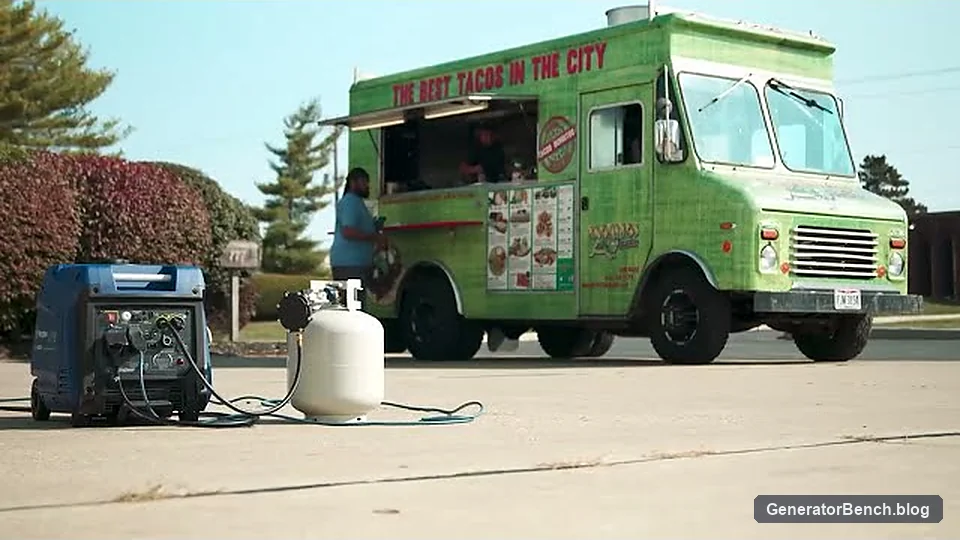
Commercial spaces and shared community areas experience fluctuating energy demands throughout the day. Powering a busy gathering place resembles supplying energy to a bustling community hub like a local eatery.
Heavy refrigeration compressors, lighting grids, and commercial cooking gear require reliable, uninterrupted power delivery. Synchronous generators provide the raw muscle needed for these demanding commercial environments.
Connecting sensitive POS terminals alongside heavy kitchen motors requires clean electricity. Selecting units from our best portable inverter generator selections prevents voltage drops that typically plague traditional synchronous alternators.
Emergency operation centers and community shelters require continuous multi-appliance baseline capacity, demanding robust alternator designs capable of handling heavy continuous loads without triggering thermal overload protection cutoffs.
Parallel operation kits allow dual inverter setups to synchronize phase angles, combining electrical output safely to supply up to fifty amps of reliable power for larger commercial shelter hubs.
Thermal management during prolonged multi-day deployments dictates housing ventilation requirements, ensuring ambient temperatures around the stator windings do not exceed class H insulation operating thresholds prematurely.
- Commercial hubs demand high-capacity continuous electrical output.
- Refrigeration compressors require reliable motor starting wattage.
- Shared spaces benefit from balanced multi-outlet power panels.
Sustained Commercial Operation
Running heavy equipment for extended shifts tests engine durability and oil temperatures. Traditional synchronous units handle continuous industrial duty cycles with minimal thermal throttling.
Proper ventilation prevents premature alternator winding degradation in enclosed commercial setups.
- Extended runtime testing reveals thermal limits.
- Commercial duty cycles demand heavy-duty cast-iron cylinder sleeves.
Culinary Appliance Load Testing and Harmonic Distortion
Modern kitchens feature sophisticated appliances with digital control boards and sensitive microprocessors. Testing high-end cooking gear or a gourmet culinary setup exposes the dangers of dirty electrical power.
Synchronous generators often produce higher total harmonic distortion, which can overheat sensitive appliance control boards over time. This electrical noise interferes with digital clocks and touch panels.
Inverter generators maintain total harmonic distortion below three percent, ensuring safe operation for smart refrigerators and induction cooktops. Clean power protects your valuable household investments from premature failure.
Modern kitchen appliances incorporate sensitive digital control boards that are highly vulnerable to electrical noise, making low harmonic distortion vital for preventing control board failure during emergency food service.
Variable-speed refrigerators utilize inverter technology that conflicts with dirty power sources, often causing lockouts. Choosing options from our quietest generator inverter guide prevents this damage.
Oscilloscope testing during full appliance load verification reveals voltage spike amplitudes, proving that inverter systems maintain strict adherence to IEEE 519 standards for harmonic limits reliably.
- High harmonic distortion causes digital appliance malfunctions.
- Pure sine wave output protects sensitive computerized kitchen gear.
- Induction cooktops require stable frequency regulation to function.
Total Harmonic Distortion Limits
Electrical purity is measured by total harmonic distortion percentages across the load spectrum. Inverter electronics filter out unwanted frequency spikes before power reaches receptacles.
Standard synchronous alternators lack digital filtering, resulting in rougher electrical waveforms.
- Low THD prevents overheating in transformer-based electronics.
- Unfiltered power degrades motor longevity over extended periods.
Field Events, Emergency Response, and Breaking Updates
Rapid deployment during emergency response operations requires equipment that sets up quickly and runs reliably. Broadcasting breaking news or managing mobile field events demands quiet, dependable portable power sources.
Inverter generators feature enclosed sound-dampening chassis that reduce operating noise to conversational levels. This acoustic shielding allows placement near command tents or broadcast trailers.
Synchronous units generate higher decibel levels, requiring careful placement away from communication gear. However, their rugged steel frames withstand harsh weather and rough transport conditions.
Rapid deployment scenarios require transportable equipment that resists physical shock, prompting engineers to house sensitive electronics in reinforced polymer casings with internal vibration dampening mounts.
Emergency response teams operating in wet weather conditions must verify ingress protection ratings, ensuring enclosure seals meet strict NEMA standards against driving rain and wind-blown dust debris.
Communication relay stations deployed during disaster recovery depend on clean alternating current to prevent signal interference across sensitive telemetry transceivers and remote monitoring broadcast equipment arrays.
- Enclosed inverters operate quietly near sensitive broadcast microphones.
- Rugged synchronous frames endure punishing field deployment conditions.
- Quick-start mechanisms ensure rapid power restoration during emergencies.
Acoustic Dampening Engineering
Double-walled enclosures and specialized muffler designs suppress engine noise effectively. Acoustic foam lining absorbs high-frequency mechanical vibrations before they escape.
Open-frame synchronous models lack sound enclosures, resulting in significantly higher decibel outputs.
- Muffler baffling reduces exhaust noise significantly.
- Rubber isolation mounts minimize chassis vibration transfer.
Fuel Efficiency, Throttling, and Mechanical Wear
Operating costs depend heavily on engine fuel consumption and throttling efficiency during varying loads. Inverter generators automatically adjust engine speed to match power demands, saving substantial fuel.
Synchronous generators must maintain a constant thirty-six hundred rotations per minute regardless of load. This constant high-speed operation increases fuel consumption during low-wattage tasks.
Smart throttle systems on inverters reduce mechanical wear over time by lowering idle speeds. Traditional units experience continuous high-speed friction across all internal engine components.
Mechanical throttling mechanics differ fundamentally between systems, forcing synchronous engines to run constantly at high revolutions per minute regardless of the actual electrical demand placed on them.
Eco-throttle modes on inverter models adjust engine speed dynamically to match current wattage draws, significantly conserving fuel and reducing piston ring wear during low-load operational periods.
Long-term thermal efficiency calculations demonstrate that variable-speed operation lowers overall carbon buildup inside the combustion chamber, extending the required intervals between major valve service overhauls.
- Variable speed throttles drastically lower light-load fuel consumption.
- Constant high RPM operation accelerates internal engine wear.
- Eco-mode settings extend run times on single fuel tanks.
Thermal Management Systems
Efficient cooling fins and forced-air shrouds maintain optimal operating temperatures under load. Overheating degrades lubricating oil quality and shortens engine component life.
Proper airflow design is critical for dense inverter electronics packages.
- Forced-air cooling prevents dangerous internal heat buildup.
- Synthetic oils enhance high-temperature protection margins.
Maintenance Protocols and Long-Term Service Life
Proper routine maintenance ensures reliable operation and extends generator service life significantly. Checking oil levels, cleaning air filters, and inspecting spark plugs prevent unexpected field failures.
Synchronous generators offer simpler mechanical designs that are easier for field technicians to service. Fewer electronic components mean fewer potential points of catastrophic failure.
Inverter generators require careful handling of delicate inverter modules and cooling fans. However, their modular component replacement makes major repairs straightforward for authorized service centers.
Routine maintenance schedules for synchronous units focus heavily on brush inspections, bearing greasing, and checking slip ring cleanliness to prevent electrical arcing across the rotating excitation circuits.
Inverter maintenance shifts attention toward cooling fan longevity, printed circuit board dust clearance, and verifying the integrity of potting compounds protecting sensitive power electronics modules.
Diagnostic troubleshooting procedures require multimeters capable of measuring frequency and pulse-width modulation signals accurately, helping technicians isolate faults between the engine governor and microprocessor control boards.
- Routine oil changes preserve internal engine component longevity.
- Synchronous units feature fewer complex electronic circuit boards.
- Modular inverter assemblies simplify component troubleshooting procedures.
Preventative Service Schedules
Adhering to strict hourly service intervals prevents premature wear on critical engine parts. Inspecting fuel lines and cleaning spark arrestors maintains peak operating efficiency.
Storing units with treated fuel prevents carburetor gumming during off-seasons.
- Change engine oil every one hundred operating hours.
- Inspect air filtration elements before every major deployment.
Frequently Asked Questions
Can inverter generators safely power sensitive medical devices?
Yes, inverter generators produce exceptionally clean power with minimal harmonic distortion. This makes them ideal for running sensitive medical equipment safely.
Why do synchronous generators make more noise during operation?
Synchronous models run constantly at high fixed speeds without acoustic enclosures. Enclosed inverters utilize dampening materials to absorb operating sound effectively.
Are synchronous units better for heavy construction tools?
Yes, their direct mechanical alternators deliver massive initial starting surges. This handles heavy inductive motor loads much better than standard inverters.
How does eco-mode save fuel on inverter generators?
Eco-mode automatically lowers engine RPM when electrical demand drops. Variable throttling ensures fuel consumption matches your exact current wattage requirements.
Which generator type lasts longer under professional use?
Both last many years with strict adherence to maintenance schedules. Synchronous simplicity often edges out complex electronics in harsh industrial environments.