Standby vs. Whole House Generators: Which Fits Your Setup Better?
Choosing a backup power system requires balancing total electrical load against permanent installation footprints. Understanding these structural capacity differences protects your critical home infrastructure efficiently during prolonged grid failures.


Whole house generators dominate heavy-duty continuous loads across every single circuit, whereas standard standby units suit targeted essential backup applications safely and efficiently.
Compare all top models in our Best Home Emergency Generator.
Side-by-Side Breakdown
| Criteria | Standby | Whole House Generators | Edge |
|---|---|---|---|
| Peak Performance & Output | 10kW to 26kW typical range | 22kW to 150kW industrial scale | Whole House Generators |
| Duty Cycle & Consistency | Designed for essential circuits | Continuous full-home operation | Whole House Generators |
| Operating Noise & Vibration | 60 to 68 dB(A) at 23 feet | 65 to 75 dB(A) acoustic dampening | Standby |
| Portability & Footprint | Compact pad placement required | Larger concrete slab foundation | Standby |
| Maintenance & Service Life | 150-hour oil change intervals | Heavy-duty commercial components | Whole House Generators |
| Power Requirements | Standard 100A to 200A switches | Advanced 400A smart management | Whole House Generators |
| Best Ideal Use-Case | Targeted emergency load defense | Total seamless estate power | Whole House Generators |
Architectural Power Capacities and Electrical Load Engineering
Modern backup systems rely on precise electrical load calculations to prevent system overloads during sudden surges. Engineers utilize running wattage metrics alongside starting surge tolerances to determine exact sizing requirements.
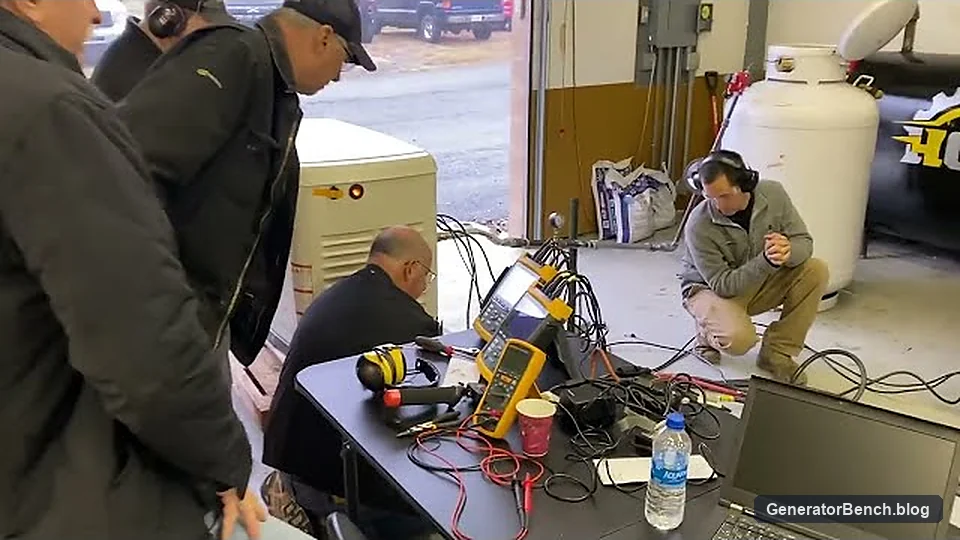
Standard standby models typically manage essential circuits like refrigerators, medical devices, and basic lighting. Conversely, high-capacity alternatives support simultaneous central air conditioning and heavy electric appliances without breaking a sweat.
Evaluating your household demand profile prevents costly under-sizing mistakes during extended grid failures. Professional electricians conduct thorough load audits using clamp meters to measure actual peak drawing phases.
Calculating total electrical demand requires summing running watts and starting surges across all motorized appliances. Motor starting loads often demand up to three times the continuous running wattage during compressor startup cycles.
Standby systems typically range from 10kW to 24kW for essential circuits. Top models featured in our best whole house generators report scale up to 150kW, supporting heavy dual-HVAC configurations.
Automatic load shedding modules prevent generator overload by temporarily disabling non-critical heavy loads when total consumption approaches capacity thresholds. This dynamic circuit prioritization ensures reliable operation without requiring an oversized alternator architecture.
- Running wattage determines baseline fuel consumption rates.
- Surge capacity handles inductive motor startup spikes safely.
- Essential circuit panels isolate non-critical household loads.
Load Center Integration and Automatic Transfer Switches
Automatic transfer switches constantly monitor utility voltage to initiate seamless generator engagement within seconds. These heavy-duty contactors physically isolate your home grid to prevent dangerous backfeeding into utility lines.
Whole house variants require sophisticated digital load shedding modules to prioritize vital appliances dynamically. This prevents oversized alternators from bogging down when multiple heavy motor loads engage simultaneously.
- Transfer switches operate independently from manual user intervention.
- Load shedding protects alternators from thermal overload events.
Engine Displacement, Alternator Performance, and Thermal Dynamics
Internal combustion engines serving backup generators feature robust multi-cylinder configurations designed for longevity. Larger engine displacements generate higher torque reserves necessary for maintaining stable voltage regulation under duress.
Stator and rotor windings utilize heavy copper cabling coated with high-temperature insulation classes. This engineering minimizes electrical resistance losses while maximizing overall power conversion efficiency during peak operational hours.
Thermal management relies on forced-air cooling shrouds or closed-loop liquid cooling systems. Liquid-cooled engines maintain exceptionally stable operating temperatures, drastically extending total mechanical service life spans.
Engine displacement directly dictates mechanical torque output and sustained power delivery under heavy electrical loads. Industrial-grade V-twin engines exceeding 999cc displacement operate at lower RPMs to reduce mechanical wear and thermal stress.
Alternator efficiency relies on high-grade copper windings and advanced voltage regulators to maintain strict frequency stability. Maintaining voltage regulation within ±1% protects sensitive microprocessors and inductive motor windings from harmful electrical surges.
Thermal management systems utilize high-capacity cooling fans and strategic baffling to dissipate heat during extended heatwave outages. Effective airflow management prevents premature stator degradation and maintains optimal operating temperatures inside aluminum enclosures.
- Multi-cylinder engines reduce vibration and mechanical wear.
- Copper windings ensure superior electrical conductivity performance.
- Liquid cooling prevents localized hot spots during heatwaves.
Frequency Stability and Harmonic Distortion Standards
Maintaining strict sixty-hertz frequency output protects sensitive microprocessors found in modern household appliances. Advanced digital voltage regulators keep harmonic distortion below strict thresholds for clean power delivery.
Unstable frequency modulation can damage compressor motors and delicate entertainment electronics over time. High-grade governors react instantaneously to load fluctuations, preserving absolute sinusoidal wave purity.
- Low harmonic distortion protects sensitive digital home equipment.
- Electronic governors maintain precise frequency lock continually.
Acoustic Emissions, Sound Enclosures, and Neighborhood Compliance
Residential zoning laws mandate strict decibel limits for permanently installed outdoor mechanical equipment. Heavy-gauge steel enclosures lined with acoustic dampening foam effectively reduce operational noise footprints significantly.
Standard standby models usually register around 62 decibels at a twenty-three-foot distance. Premium choices detailed in our best whole house standby generator guide include advanced acoustic shielding to reduce noise.
Strategic placement away from bedroom windows ensures peaceful operation during overnight emergency scenarios. Baffled exhaust systems direct turbulent airflow upward while mututing high-frequency combustion noises effectively.
Sound pressure levels are measured in decibels at a standardized distance of seven meters under normal operational load. Premium enclosures incorporate acoustic foam damping and louvered vents to reduce noise output to roughly 60 decibels.
Municipal noise ordinances frequently restrict standby generator sound emissions to strict nighttime limits near property lines. Selecting units with sound-attenuated baffles ensures full compliance with local zoning laws without sacrificing critical exhaust scavenging efficiency.
Exhaust routing and muffler design play crucial roles in dampening low-frequency combustion pulses that travel through residential neighborhoods. Proper muffler backpressure control balances quiet operation with optimal engine breathing characteristics for sustained reliability.
- Acoustic foam dampens high-frequency mechanical engine noise.
- Decibel thresholds dictate strict neighborhood placement rules.
- Baffled exhaust routing minimizes direct sound projection zones.
Vibration Isolation and Foundation Engineering
Internal reciprocating engine components generate significant kinetic energy during combustion cycles. Heavy rubber vibration isolators mounted beneath the engine block absorb these forces before they reach the enclosure.
Properly poured concrete pads prevent structural settling that could misalign fuel lines or electrical conduits. Level foundations are critical for maintaining proper oil distribution within the crankcase.
- Rubber mounts decouple engine vibrations from concrete pads.
- Level mounting surfaces protect internal lubrication systems.
Installation Footprints, Foundation Requirements, and Site Prep
Permanent backup generators require meticulous site planning to satisfy local building and fire codes. Clearances from windows, doors, and combustible materials must meet strict National Electrical Code mandates.
Standard standby units feature compact footprints that fit neatly along side yards. Premium systems analyzed in our best residential whole house generators roundup demand larger concrete slabs and heavy rigging.
Professional installers evaluate soil stability and flood zones before pouring reinforced concrete pads. Proper anchoring withstands severe weather events like hurricanes and heavy winter blizzards safely.
Permanent standby installations require a reinforced concrete pad designed to prevent shifting during freeze-thaw cycles or soil subsidence. Pouring a 4-inch concrete slab provides a stable, level foundation that isolates engine vibrations from surrounding soil.
National fire protection codes mandate strict clearance distances between generator exhaust outlets and building openings, windows, or flammable materials. Maintaining a minimum 5-foot clearance from structures prevents lethal carbon monoxide intrusion into the main dwelling.
Site preparation must also account for local flood plain elevations to protect sensitive electrical control panels from water infiltration. Elevating the pad above base flood levels ensures continuous operation during severe weather events involving standing water.
- Building codes dictate minimum clearances from structural openings.
- Reinforced concrete pads prevent shifting during freeze cycles.
- Professional rigging ensures safe heavy equipment placement.
Permitting, Zoning, and Utility Coordination
Navigating municipal permitting processes is a mandatory step prior to installing permanent backup generators. Local inspectors verify gas line sizing, electrical clearances, and sound abatement compliance meticulously.
Utility providers must evaluate gas meter capacities to ensure adequate supply pressure during peak loads. Upgrading gas regulators prevents starvation issues when both the generator and home appliances operate simultaneously.
- Municipal permits ensure compliance with local safety codes.
- Utility coordination verifies adequate gas meter flow rates.
Routine Maintenance Protocols, Fluid Analysis, and Longevity
Scheduled maintenance ensures reliable starting capability when unexpected utility grid failures occur. Routine tasks include replacing air filters, spark plugs, and inspecting battery charger functionality weekly.
Engine oil and filter replacements are typically required every one hundred to two hundred operating hours. Utilizing synthetic lubricants protects internal engine components during extreme temperature fluctuations.
Automated weekly self-test cycles circulate vital fluids throughout the engine block preemptively. This preventative diagnostic feature prevents gasket drying and identifies potential mechanical faults early.
Preventative maintenance schedules dictate oil and filter replacements every 100 to 200 operational hours or annually. Utilizing synthetic 5W-30 oil improves cold-weather starting performance and reduces internal friction during initial engine cranking cycles.
Routine fluid analysis of used engine oil reveals microscopic wear metals, coolant contamination, and thermal breakdown indicators. Tracking total base number depletion helps technicians schedule component rebuilds before catastrophic mechanical failure occurs in the field.
Battery maintenance remains vital because automated weekly self-test cycles rely on healthy cranking amps for reliable ignition. Installing a smart trickle charger prevents sulfation and ensures the starting battery retains full capacity during prolonged standby periods.
- Weekly self-tests verify battery charge and starter health.
- Synthetic lubricants protect engines across extreme weather.
- Routine filter changes prevent premature internal mechanical wear.
Long-Term Wear Indicators and Component Rebuilding
Top options featured in our top rated whole house natural gas generators review feature replaceable cylinder liners designed for extensive rebuilding, extending total operational lifespans significantly.
Monitoring oil degradation through laboratory fluid analysis helps catch microscopic bearing wear early. Proactive component replacement prevents catastrophic engine failures during prolonged emergency grid outages.
- Replaceable cylinder liners facilitate major engine overhauls.
- Fluid analysis detects internal wear before failure occurs.
Fuel Delivery Systems, Pressure Regulation, and Consumption Rates
Backup generators typically operate on permanent municipal natural gas or liquid propane lines. Natural gas provides an endless fuel supply without requiring manual refueling during extended emergencies.
Liquid propane tanks offer higher energy density but require careful seasonal fuel management. Proper pipe sizing and second-stage regulators ensure consistent fuel pressure reaches the carburetor reliably.
Fuel consumption scales exponentially as electrical loads approach maximum alternator capacity thresholds. Calculating accurate fuel burn rates helps homeowners determine appropriate propane storage tank sizes.
Generators operate on natural gas or liquid propane, requiring precise pipe sizing to prevent fuel starvation under heavy loads. Installing adequate gas pipe diameters ensures the primary regulator maintains correct inlet pressure during maximum fuel consumption.
Multi-stage pressure regulation steps down high utility pressures to the specific operating range required by the carburetor demand valve. Maintaining stable water column pressure prevents engine surging, stalling, or lean air-fuel mixtures during abrupt load shifts.
Fuel consumption rates increase exponentially as electrical load scales from idle capacity to maximum rated output. Calculating BTU fuel requirements at 100% load prevents undersizing the fuel supply line during extended multi-day power grid failures.
- Natural gas eliminates the need for manual fuel replenishment.
- Propane storage requires careful seasonal sizing calculations.
- Regulators maintain stable fuel pressure under heavy loads.
Cold Weather Fuel Vaporization and Performance
Extreme winter temperatures significantly impact liquid propane vaporization rates inside storage tanks. Insulated tank blankets and specialized vaporizers maintain proper fuel delivery pressure during sub-zero cold snaps.
Natural gas lines remain largely unaffected by cold ambient temperatures, offering superior winter reliability. Ensuring proper pipe burial depths prevents freezing moisture blockages within supply lines.
- Propane tanks require winter vapor management solutions.
- Proper pipe burial depths prevent freezing moisture blocks.
Frequently Asked Questions
What is the primary difference between a standard standby and a whole house generator?
Standard standby units power targeted essential circuits during emergencies, whereas whole house generators manage total electrical loads simultaneously across every single household circuit without manual intervention or power rationing.
Can a standard standby generator run central air conditioning units?
Yes, provided the unit features sufficient wattage capacity and a soft-start kit installed. However, whole house models handle large multi-zone HVAC systems effortlessly alongside heavy electric kitchen appliances.
How often do permanent standby generators require professional maintenance servicing?
Routine service is recommended every one hundred to two hundred operating hours or annually. Performing weekly self-test cycles ensures critical components remain operational during sudden severe weather outages.
Do these permanent backup generators require specialized concrete foundation pads?
Yes, professional installation requires a level reinforced concrete pad to prevent structural shifting. A solid foundation protects gas lines and electrical conduits from breaking during ground settling events.
Which fuel source is more reliable during extended winter grid failures?
Municipal natural gas offers an endless supply without requiring manual tank refills. Proper pipe sizing ensures consistent fuel delivery even during severe sub-zero winter storms.