Solar Generator vs. Gas Generator: Which Fits Your Setup Better?
Solar generators leverage photovoltaic cells and lithium chemistry for silent backup, while gas generators rely on internal combustion engines. Choosing the right unit depends heavily on your specific runtime demands and operational environment.

For absolute continuous power under heavy industrial loads, the gas generator dominates every deployment scenario. However, for eco-friendly residential backup and silent operation, the solar generator is the definitive superior choice.
Compare all top models in our Best Home Emergency Generator.
Side-by-Side Breakdown
| Criteria | Solar Generator | Gas Generator | Edge |
|---|---|---|---|
| Peak Performance & Output | 1,000W to 3,600W continuous | 2,000W to 10,000W+ continuous | Gas Generator |
| Duty Cycle & Consistency | Dependent on sunlight or capacity | Unlimited with continuous fuel supply | Gas Generator |
| Operating Noise & Vibration | Virtually silent operation (<30 dB) | Loud internal combustion (60-75 dB) | Solar Generator |
| Portability & Footprint | Modular, heavy battery packs | Heavy engine block with fuel weight | Solar Generator |
| Maintenance & Service Life | Solid-state electronics, minimal upkeep | Frequent oil, filter, and plug service | Solar Generator |
| Power Requirements | Recharges via sun or wall outlet | Requires gasoline, propane, or diesel | Gas Generator |
| Best Ideal Use-Case | Indoor emergency backup and camping | Job sites and extended grid outages | Tie (Application Specific) |
Fundamental Core Technologies and Power Generation Mechanisms
Solar generators convert sunlight into usable electricity using advanced photovoltaic panels wired to charge controllers. This captured energy is securely stored inside dense lithium-ion or lithium iron phosphate battery banks for later consumption.
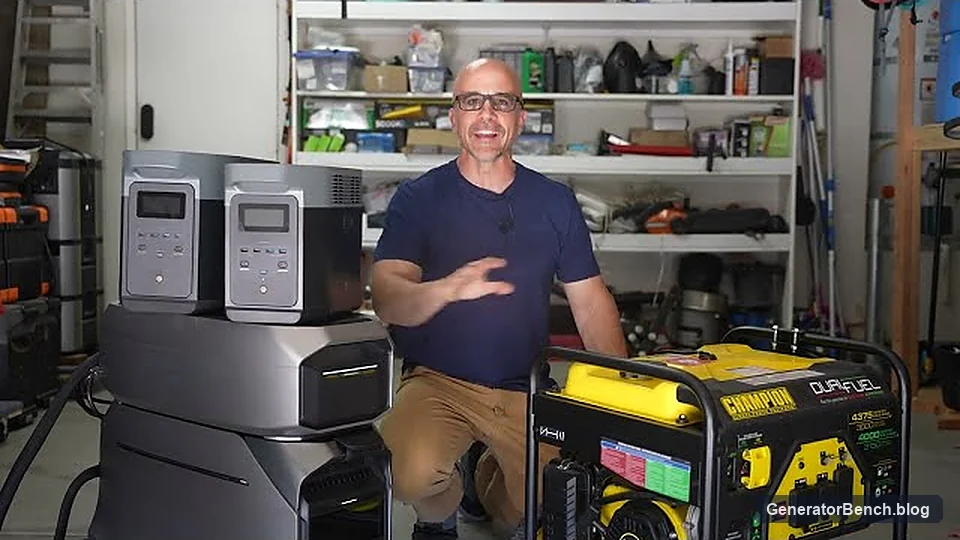
Gas generators operate through internal combustion engines that burn fossil fuels to spin an alternator. This mechanical rotation creates raw electrical current, which an onboard inverter module stabilizes for sensitive modern appliances.
Understanding these foundational mechanical differences dictates how each system handles sudden electrical surges and sustained loads in the field. Every generator design trades raw thermodynamic force for operational convenience or environmental cleanliness.
- Photovoltaic panels capture renewable photons for silent electrical generation.
- Combustion engines utilize fossil fuel chemical energy to spin alternators.
- Inverter modules condition raw electrical output for safe appliance usage.
Photovoltaics Basics and Energy Conversion
Monocrystalline photovoltaic cells achieve the highest conversion efficiencies available in modern consumer solar setups. These panels absorb sunlight and direct direct current electricity safely into your designated battery storage architecture.
Shading a single solar panel can severely impact the cumulative output of an entire array. Proper panel placement and optimal tilt angles remain critical for maximizing daily energy yields during emergency deployment.
- Monocrystalline cells maximize direct sunlight conversion rates.
- Partial shading reduces string-level photovoltaic efficiency dramatically.
Electricity Production via Internal Combustion
Small displacement gas engines convert chemical energy into rotational force through controlled fuel explosions. This mechanical rotation turns copper windings within a magnetic field to generate standard alternating current electricity.
Maintaining proper engine RPM is vital for stabilizing the frequency and voltage of output power. Modern inverter generators modulate engine speed dynamically to match real-time electrical load demands efficiently.
- Combustion engines translate fuel chemistry into mechanical rotation.
- Dynamic RPM modulation improves fuel efficiency under fluctuating loads.
Electrical Grid Integration and Inverter Architecture
Modern power systems require sophisticated inverter architecture to synchronize safely with household circuits or auxiliary loads. Solar generators utilize pure sine wave inverters to deliver clean electricity matching utility grid standards.
Gas generators also employ advanced inverter modules to regulate variable engine speeds into stable electrical outputs. Clean power output prevents voltage spikes from damaging sensitive microprocessors inside modern refrigerators and computers.
Grid integration capabilities allow specific generator models to feed power back into home circuits automatically. Transfer switches ensure utility workers remain protected from dangerous backfeeding scenarios during regional power outages.
- Pure sine wave inverters protect sensitive home electronics from damage.
- Automatic transfer switches facilitate seamless emergency power integration.
- Voltage regulation prevents harmful electrical surges during appliance startup.
Grid-Tied Capabilities and Synchronization
Connecting backup equipment directly to main distribution panels requires strict adherence to local electrical codes. Advanced inverters synchronize phase angles automatically before permitting power to flow into household circuits.
Microgrid setups combine solar generation with battery storage to offset everyday energy consumption costs. These hybrid systems provide seamless transition support when regional utility grids experience sudden catastrophic failures.
- Phase synchronization ensures safe connection to main home panels.
- Hybrid microgrids lower daily utility expenses through storage.
Standby Integration and Automated Transfer
Permanent standby configurations rely on hardwired automatic transfer switches to detect grid failures instantly. Gas units fire up within seconds, while solar systems switch to battery inverter feeds with zero interruption.
Rapid switchover times protect delicate medical equipment and computer servers from experiencing unexpected operational reboots during severe weather events or rolling blackouts.
- Standby units detect utility loss and initiate power automatically.
- Zero-interrupt transfer protects sensitive medical and computing hardware.
Thermal Management and Thermodynamic Efficiency
Internal combustion engines generate massive amounts of waste heat that require active cooling systems. Radiators, forced-air fans, and specialized oil formulations prevent catastrophic engine seizure during prolonged heavy-load operations.
Solar generators produce minimal thermal waste because solid-state inverters and lithium batteries operate at much lower temperatures. Passive aluminum heatsinks and small variable fans easily manage internal thermal dissipation requirements.
Maintaining optimal operating temperatures directly impacts the overall lifespan and performance efficiency of your equipment. Excessive heat degrades lithium battery chemistry rapidly and accelerates mechanical wear within gas engine cylinders.
- Gas engines require robust active cooling to prevent overheating.
- Solid-state solar systems rely on passive heatsinks for temperature control.
- Thermal management directly preserves internal component lifespan.
Managing Engine Heat in Gas Units
Continuous heavy electrical loads force combustion engines to burn more fuel and generate extreme temperatures. Operating these machines in enclosed spaces without adequate airflow leads directly to rapid thermal shutdown.
Synthetic motor oils help mitigate extreme friction and high operating temperatures inside hardworking portable engine blocks. Routine oil checks remain mandatory for sustaining long-term mechanical reliability during emergencies.
- Enclosed operation restricts airflow and causes thermal shutdown.
- Synthetic oils reduce friction and manage high internal temperatures.
Thermal Stability in Battery Storage
Lithium iron phosphate batteries feature excellent thermal stability compared to older chemistry variants. Advanced battery management systems monitor cell temperatures continuously to prevent dangerous thermal runaway during rapid charging cycles.
Extreme sub-zero environments can temporarily inhibit charging efficiency in solar storage units. Many premium models incorporate internal heating pads to maintain safe operating temperatures in freezing weather conditions.
- Battery management systems monitor cell temperatures to ensure safety.
- Cold weather performance requires integrated heating elements for charging.
Energy Storage Methods and Battery Chemistry Dynamics
Energy storage capacity defines how long your backup power system can sustain essential household appliances. Solar generators rely exclusively on chemical battery banks to store captured electricity for nighttime or emergency use.
Gas generators utilize liquid fossil fuels stored in external cans or onboard tanks as their primary energy repository. This fundamental difference means solar runtimes are fixed by battery size, while gas runtimes depend on fuel availability.
Evaluating energy density helps users determine the physical footprint required to achieve desired runtime goals. Modern lithium iron phosphate packs offer exceptional cycle lives exceeding thousands of full charge and discharge events.
- Battery banks store solar energy for use during extended outages.
- Liquid fuel reserves dictate total runtime potential for combustion units.
- Lithium iron phosphate chemistry provides thousands of durable cycles.
Advanced Lithium Battery Architectures
Lithium iron phosphate chemistry dominates modern solar generators due to superior safety and longevity profiles. These advanced cells resist thermal degradation and maintain high capacity retention over many years of regular service.
Modular battery expansion ports allow users to scale their total energy storage capacity effortlessly. Adding extra packs increases overall system weight but provides crucial runtime extensions during prolonged grid failures.
- Lithium iron phosphate offers superior safety and longevity metrics.
- Modular expansion ports allow users to scale storage capacity easily.
Fossil Fuel Storage and Chemical Energy
Gasoline offers high energy density, storing significant power within a relatively small fluid volume. However, liquid fuel degrades over time and gums up carburetor jets if left untreated inside generator tanks.
Propane storage eliminates fuel degradation concerns entirely, offering virtually indefinite shelf life for emergency backup supplies. Storing pressurized propane cylinders requires strict adherence to safety clearances and local fire codes.
- Gasoline provides high energy density in compact storage volumes.
- Propane offers indefinite shelf life without carburetor gumming issues.
Environmental Impact, Emissions, and Urban Planning
Urban planning guidelines increasingly favor zero-emission backup solutions for residential and commercial property developments. Solar generators produce no exhaust gases, making them perfectly safe for indoor deployment during emergencies.
Gas generators emit carbon monoxide, nitrogen oxides, and unburned hydrocarbons during active combustion operations. Operating these fossil-fueled machines requires strict outdoor placement far away from open windows and ventilation intakes.
Reducing carbon footprints aligns with broader municipal sustainability goals and clean air regulations. Solar technology eliminates localized pollution entirely, contributing positively to healthier neighborhood air quality standards.
- Solar generators produce zero toxic emissions during active operation.
- Combustion engines release dangerous carbon monoxide and exhaust gases.
- Indoor safety makes solar units ideal for apartments and enclosed spaces.
Zero-Emission Residential Integration
Integrating clean backup power into residential architecture eliminates noise pollution and exhaust hazards completely. Homeowners can place compact power stations inside living areas without risking carbon monoxide poisoning or disturbing neighbors.
Urban balconies and high-rise apartments benefit immensely from silent solar generator setups. Residents gain reliable emergency lighting and device charging capabilities without violating strict building safety codes.
- Silent operation eliminates neighborhood noise pollution entirely.
- High-rise apartments benefit from safe, indoor emergency backup power.
Mitigating Combustion Hazards in Urban Spaces
Using gas generators in densely populated urban environments presents severe safety and logistical challenges. Exhaust toxicity mandates strict placement outdoors, leaving units vulnerable to theft and weather exposure.
Carbon monoxide detectors are mandatory safety equipment when operating any combustion-based generator near occupied living structures. Proper ventilation protocols prevent tragic accidents during widespread emergency power outages.
- Exhaust toxicity requires secure outdoor placement away from structures.
- Carbon monoxide detectors are essential safety gear for gas units.
Agricultural Applications and Remote Horticultural Deployment
Remote agricultural operations require dependable power sources for irrigation pumps, electric fencing, and livestock monitoring systems. Solar generators provide autonomous electricity to isolated pastures without requiring long extension cords.
Gas generators excel in demanding agricultural settings where high-wattage machinery demands continuous heavy power delivery. Pumping large volumes of water or running heavy power tools requires the sustained muscle of a combustion engine.
Choosing between these technologies in farming environments depends heavily on duty cycle and location accessibility. Solar units reduce daily operational labor, while gas units handle brutal, uninterrupted peak workloads effortlessly.
- Solar generators power remote livestock monitors and electric fences.
- Farming operations utilize gas units for heavy irrigation pumps.
- Autonomous renewable power eliminates remote fuel hauling logistics.
Horticultural Lighting and Greenhouse Power
Modern greenhouses utilize advanced LED horticultural lighting to extend growing seasons and optimize crop yields. Solar storage systems can regulate supplementary lighting schedules smoothly without generating unwanted ambient heat inside structures.
Maintaining precise climate control systems in remote nurseries requires unwavering power reliability. Hybrid setups combine solar generation with backup gas generators to guarantee crop survival during extended overcast periods.
- Solar storage supports horticultural lighting without adding heat.
- Hybrid setups combine solar and gas for ultimate crop protection.
Remote Field Deployments and Irrigation
Remote fields often lack access to the electrical grid, making standalone power generation an absolute necessity. Solar pumps manage steady, low-volume drip irrigation efficiently throughout sunlit daylight hours.
High-pressure sprinkler systems demand heavy continuous wattage that heavily favors fuel-powered industrial generators. Evaluating daily water volume requirements helps farmers select the most cost-effective power source.
- Solar pumps manage efficient drip irrigation in isolated fields.
- High-pressure sprinklers require heavy industrial generator capacity.
Operational Ergonomics, Maintenance Protocols, and Lifespan
Ergonomic design significantly influences how easily users can transport and operate emergency power equipment. Solar generators feature intuitive digital displays, push-button activation, and balanced carrying handles for simple deployment.
Gas generators require manual recoil pulls or electric starter motors, along with regular carburetor priming. Maintaining these internal combustion machines involves scheduled oil changes, spark plug replacements, and fuel filter inspections.
Solid-state electronics boast exceptional service lives with virtually zero routine maintenance requirements. Conversely, mechanical engines demand consistent upkeep to prevent premature failure during critical emergency situations.
- Push-button activation simplifies solar generator startup procedures.
- Gas units require regular oil changes and spark plug service.
- Solid-state electronics offer long service lives with minimal upkeep.
Routine Maintenance for Combustion Engines
Internal combustion engines require meticulous upkeep to ensure reliable performance during unexpected power outages. Changing engine oil every one hundred operating hours prevents premature internal component wear and tear.
Draining carburetors before long-term storage prevents stale fuel deposits from clogging delicate fuel jets. Neglecting these maintenance tasks frequently results in frustrating starting failures when emergency power is needed most.
- Regular oil changes prevent premature internal engine wear.
- Draining carburetors avoids stale fuel blockages during storage.
Ergonomics and Portability of Modern Power Stations
Compact portable power stations incorporate rugged polymer housings and integrated wheels for effortless mobility. Transporting heavy battery modules remains manageable thanks to well-balanced handles and ergonomic frame designs.
Eliminating fuel containers and heavy engine blocks makes solar generators vastly superior for camping. Users enjoy clean, quiet electricity without inhaling exhaust fumes or smelling gasoline storage cans.
- Integrated wheels and balanced handles simplify unit transport.
- Eliminating fuel cans makes camping trips cleaner and safer.
Frequently Asked Questions
Can a solar generator run heavy appliances like a household refrigerator?
Yes, high-capacity solar generators easily run standard refrigerators for several hours using pure sine wave inverters. You must ensure the continuous running wattage of your fridge does not exceed the inverter output rating.
How long do solar generators take to fully recharge outdoors?
Recharge times depend entirely on solar panel wattage and direct sunlight intensity. A standard one-thousand-watt solar array can replenish a medium battery capacity in roughly four to six optimal sun hours.
Do gas generators require specialized installation or permits?
Portable gas generators require no permits when operated outdoors in well-ventilated areas. However, permanent standby gas units connected directly to home electrical panels require professional installation and municipal permits.
What is the typical lifespan difference between solar and gas units?
Solar generators last ten to fifteen years with minimal degradation due to solid-state architecture. Gas generators typically last five to ten years with rigorous maintenance before requiring major engine overhauls.
Are solar generators completely silent during operation?
Solar generators operate in near-total silence, emitting only faint whispers from small internal cooling fans. This makes them ideal for indoor emergency use and quiet campsites without disturbing neighbors.