Portable Generator Propane vs. Gasoline: Which Setup Fits Your Power Needs?
Comparing liquid propane and gasoline reveals critical engineering compromises in energy density, fuel storage life, and operational efficiency. Choosing the right fuel source ensures reliable backup power during prolonged grid outages.

For indefinite shelf life and clean handling, propane wins. For maximum raw wattage output from a compact engine, gasoline remains superior.
Compare all top models in our Best Home Emergency Generator.
Side-by-Side Breakdown
| Criteria | Portable Generator Propane | Gasoline | Edge |
|---|---|---|---|
| Peak Performance & Output | Lower electrical output by 10% due to energy density limits | Maximum rated starting and running wattage delivered cleanly | Gasoline |
| Duty Cycle & Consistency | Uninterrupted vapor delivery regardless of ambient temperature drops | Standard fuel delivery prone to carburetor gumming over time | Portable Generator Propane |
| Operating Noise & Vibration | Slightly quieter combustion profile with reduced engine knock | Standard mechanical noise levels under heavy electrical loads | Portable Generator Propane |
| Portability & Footprint | Requires heavy pressurized steel tanks for continuous supply | Lightweight integrated plastic fuel tanks built into frames | Gasoline |
| Maintenance & Service Life | Extremely clean burning leaves zero varnish in fuel lines | Requires frequent carburetor cleaning and fuel stabilizer use | Portable Generator Propane |
| Power Requirements | Best for sensitive electronics and intermittent long-term storage | Best for high-surge motor loads and immediate heavy output | Gasoline |
| Best Ideal Use-Case | Emergency home backup with years of undisturbed storage | Jobsite operations and recreational tailgating applications | Portable Generator Propane |
Fundamental Energy Density and Chemical Composition
Gasoline delivers higher energy density per gallon than liquid propane, allowing smaller engines to produce maximum electrical wattage. Internal combustion components experience different thermal loads depending on the specific fuel chemical bonds undergoing oxidation.
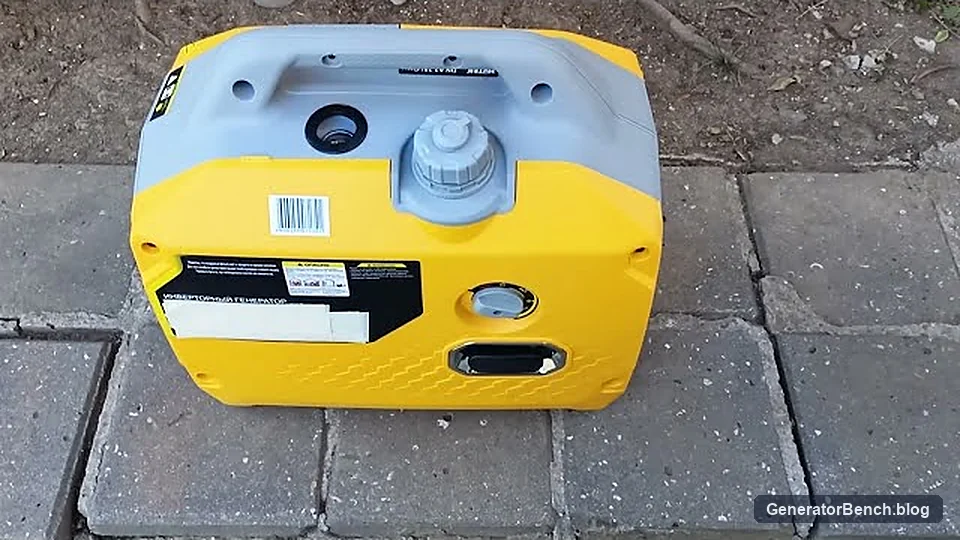
Propane gas enters the combustion chamber as a vapor, mixing seamlessly with ambient air for a cleaner burn. This chemical state prevents the carbon buildup commonly associated with liquid petroleum distillates evaporating inside small engine carburetors.
Engineers measure specific fuel consumption to determine how efficiently portable generators convert chemical energy into electrical current. Gasoline yields roughly ten percent more raw power than propane within identical displacement engine blocks.
Gasoline delivers roughly 115,000 BTUs per gallon, giving it a distinct volumetric advantage over liquefied petroleum gas. This higher energy density allows smaller fuel tanks to run combustion engines under heavy electrical loads efficiently.
Propane typically yields about 91,500 BTUs per gallon, meaning dual-fuel generators suffer a ten to twenty percent power drop when running on LPG. Engineers must account for this stoichiometric energy deficit during sizing calculations.
The molecular structure of gasoline includes heavier hydrocarbons that vaporize slowly in freezing temperatures. Conversely, propane exists as a pressurized gas, ensuring reliable fuel delivery even when ambient conditions plummet well below zero degrees Fahrenheit.
- Gasoline contains roughly 116,000 BTUs of energy per gallon.
- Liquid propane provides approximately 91,500 BTUs per gallon.
- Vaporized propane burns cleaner with fewer combustion byproducts.
Combustion Efficiency and Thermal Dynamics
Thermal efficiency dictates how effectively a best portable gasoline generator handles heavy inductive loads without dropping frequency. Liquid fuel provides the necessary thermal headroom to start high-surge motor applications safely.
Propane systems suffer a slight power penalty because gaseous fuel displaces incoming air volume inside the combustion chamber. This volumetric displacement directly reduces the maximum volumetric efficiency of standard small engines.
- Gasoline handles sudden surge loads with superior recovery speed.
- Propane requires larger engine displacement to match gasoline output.
Fuel Stability, Storage Longevity, and Carburetor Health
Gasoline degrades rapidly when exposed to atmospheric oxygen, leaving sticky varnish deposits that clog microscopic carburetor jets. Storing untreated gasoline for more than thirty days typically results in hard starting and erratic engine surging.
Propane stored inside sealed steel pressure vessels maintains its chemical composition indefinitely without losing volatility. Emergency preparedness plans heavily favor propane because fuel degradation is virtually nonexistent over multi-year storage cycles.
Carburetor maintenance drops significantly when operating exclusively on gaseous fuels during routine grid outages. Owners eliminate the tedious draining procedures required to prevent fuel system corrosion during long off-season storage periods.
Standard gasoline begins degrading within 30 days as volatile compounds evaporate and oxidation creates sticky varnish deposits. This gumming effect rapidly clogs microscopic carburetor jets, leading to frustrating engine surges or complete starting failures.
Liquid propane stored in sealed tanks maintains indefinite chemical stability without requiring fuel stabilizers. Operators relying on a best portable propane generator never worry about stale fuel varnishing internal regulator diaphragms during extended storage periods.
Transitioning a dual-fuel generator to propane prevents the buildup of corrosive ethanol byproducts. Using dry vapor fuels eliminates the moisture absorption typical of modern pump gas containing up to ten percent ethanol content.
- Gasoline requires chemical stabilizers for storage exceeding one month.
- Propane cylinders remain stable for years without chemical additives.
- Gaseous fuel eliminates varnish accumulation in float bowls.
Carburetor Preservation Techniques
Preventing fuel varnish requires running gasoline carburetors completely dry before storing portable generators for extended durations. Neglecting this maintenance step guarantees expensive carburetor cleaning or replacement service down the road.
Dual-fuel generator owners can effortlessly switch to propane before shutting down their equipment. This clever operational habit purges residual gasoline from the system and protects internal components.
- Run fuel bowls dry to prevent internal jet blockage.
- Switch to propane shutdown routines to protect gaskets.
Logistics, Cylinder Weight, and Ergonomic Field Handling
Transporting liquid propane requires heavy-duty steel or composite cylinders designed to withstand high internal vapor pressures. These bulky tanks add considerable weight and take up valuable cargo space during transit to remote work sites.
Gasoline utilizes lightweight integrated fuel tanks built directly into the protective tubular steel frame of portable generators. This centralized weight distribution improves overall balance when wheeling units across uneven terrain.
Refueling a running gasoline generator poses significant burn hazards near hot engine components. Selecting the best size propane tank for portable generator usage eliminates liquid fuel splash risks during cylinder swaps.
Handling portable fuel requires evaluating the dead weight of steel containers alongside liquid mass. A standard 20-pound propane cylinder weighs roughly thirty-eight pounds when completely filled, presenting manageable ergonomics for emergency deployment and transport.
Gasoline weighs approximately six pounds per gallon, meaning five-gallon utility jugs exceed forty pounds during lifting. Field operators must manage sloshing liquid dynamics, which alter center of gravity during transit over rough terrain.
Connecting quick-release propane hoses prevents fuel spills common with manual pouring spouts. However, swapping empty tanks during midnight power outages demands dexterity and proper wrench technique to secure threaded fittings against high pressure.
- Propane tanks require secure vertical strapping during transport.
- Integrated gasoline tanks reduce overall loose equipment footprint.
- Quick-connect propane hoses simplify fast cylinder changeouts.
Safety Protocols for Fuel Handling
Handling volatile liquid fuels demands strict adherence to fire safety protocols and proper ventilation standards. Spilling gasoline onto hot exhaust mufflers creates an immediate catastrophic fire hazard in residential areas.
Propane fittings require periodic leak checks using soapy water solutions to detect loose connections. Proper regulator maintenance prevents high-pressure gas leaks from pooling near ground level ignition sources.
- Never store gasoline containers inside occupied living spaces.
- Inspect propane regulator hoses for cracking and wear.
Emissions, Environmental Regulations, and Ventilation
Burning liquid propane produces significantly lower carbon monoxide, nitrogen oxide, and particulate matter emissions than gasoline. This cleaner emission profile makes propane generators safer for temporary use in semi-enclosed environments.
Environmental regulations heavily favor clean-burning gaseous fuels for municipal operations and restrictive green zones. Operators reduce their overall carbon footprint while maintaining reliable backup power during severe weather emergencies.
Despite lower emissions, carbon monoxide remains a lethal byproduct of all internal combustion engines. Proper outdoor placement and strict cross-ventilation rules apply equally to both propane and gasoline power units.
Propane combustion produces significantly fewer unburned hydrocarbons and particulate matter than raw gasoline. This cleaner burn helps generators easily comply with stringent EPA and CARB emission standards across densely populated residential neighborhoods.
Carbon monoxide output drops marginally when running on gaseous fuels, but lethal exhaust hazards still demand strict outdoor operation. Portable units must maintain at least 20 feet of clearance from structures to prevent fatal gas intrusion.
Regulatory compliance often exempts certified propane configurations from strict spill-containment mandates required for bulk liquid storage. Facilities can store multiple vapor cylinders safely without triggering complex hazardous material containment building codes.
- Propane emits fewer smog-forming hydrocarbons during operation.
- Gasoline exhaust contains higher concentrations of toxic particulates.
- Carbon monoxide safety protocols remain mandatory for all fuels.
Regulatory Compliance and Local Codes
Municipal fire codes often restrict the total volume of gasoline stored in residential garages and sheds. Propane tank storage is similarly regulated based on aggregate weight capacities and distance from structures.
Compliance inspectors check for proper clearance around exhaust discharge points to prevent localized air toxicity. Adhering to manufacturer guidelines protects operators from liability and equipment damage.
- Check local municipal codes for fuel storage limits.
- Maintain strict clearance distances from building openings.
Maintenance Schedules, Component Wear, and Longevity
Internal engine components experience less abrasive wear when operating on clean-burning vaporized propane. Oil contamination rates drop substantially because raw liquid fuel does not wash down cylinder walls during cold starts.
Gasoline combustion washes lubricating oil films off cylinder walls, accelerating piston ring and cylinder bore wear over time. Oil change intervals must be strictly observed when running heavy gasoline workloads.
Spark plug lifespan increases noticeably when generators run exclusively on propane fuel rather than gasoline. Reduced carbon fouling keeps ignition timing consistent and prevents intermittent engine misfires under load.
Running engines exclusively on dry propane vapor significantly extends oil change intervals by preventing carbon soot dilution. Clean combustion stops unburnt fuel from washing past piston rings, preserving vital cylinder wall lubrication over time.
Spark plug lifespan increases dramatically under propane operation because the fuel leaves virtually zero ash or lead deposits. Technicians frequently report electrode wear dropping by thirty percent compared to units fueled strictly by pump gasoline.
Conversely, dry vapor fuels place added thermal stress on exhaust valve seats due to reduced internal cooling. Engines engineered for dual-fuel capability feature hardened valve trains to withstand higher operating temperatures without premature recession.
- Propane extends engine oil life by preventing oil dilution.
- Gasoline causes faster carbon buildup on spark plug tips.
- Valve seat recession can occur faster on dry propane fuels.
Routine Service Interventions
Executing routine maintenance tasks ensures your quietest portable propane generator operates at peak mechanical efficiency year-round. Replacing air filters and checking valve clearances prevents premature engine failure during prolonged outages.
Keeping a detailed service log helps track operating hours for timely oil and filter replacements. Preventative care minimizes unexpected breakdowns when reliable backup power matters most.
- Change engine oil every one hundred operating hours.
- Inspect spark arrestors regularly for soot accumulation.
Cost-Efficiency Metrics and Operational Economics
Calculating the true cost of generator operation involves balancing fuel prices against maintenance and repair expenditures. Gasoline typically offers a lower cost per kilowatt-hour in regions where local utility power remains stable.
Propane fuel costs vary widely depending on regional supplier pricing and whether you own your storage tanks. Avoiding expensive carburetor rebuilds offsets higher per-gallon propane costs during long-term emergency deployments.
Evaluating total cost of ownership requires factoring in lost fuel from degraded gasoline thrown away annually. Propane eliminates wasted fuel expenses since cylinders retain their energy indefinitely without spoiling.
Calculating real operational economics requires analyzing local utility rates alongside bulk propane delivery pricing. Gasoline typically offers a lower cost per kilowatt-hour in regions where petroleum taxes remain relatively modest and stable.
Propane becomes economically competitive when factoring in avoided carburetor repair expenses and fuel spoilage losses. Eliminating carburetor rebuilds saves owners roughly one hundred dollars annually in replacement parts and professional mechanic service fees.
Large-scale emergency preparedness budgets favor propane for its infinite shelf life, eliminating the hidden tax of discarded stale fuel. Long-term asset management proves that predictable storage costs outweigh minor fluctuations in daily fuel consumption expenses.
- Gasoline usually provides cheaper immediate per-gallon energy.
- Propane eliminates financial losses from spoiled stored fuel.
- Carb maintenance savings favor propane over multi-year cycles.
Long-Term Value Analysis
Investing in a dual-fuel portable generator provides maximum flexibility during unpredictable emergency grid failures. Users can seamlessly switch between fuel sources based on immediate availability and market pricing.
Evaluating upfront equipment costs against expected service lifespan helps consumers make informed purchasing decisions. Quality engineering guarantees reliable performance across diverse operating environments.
- Dual-fuel flexibility maximizes emergency preparedness value.
- Quality components ensure dependable long-term operation.
Frequently Asked Questions
Can I convert a gasoline-only portable generator to run on propane safely?
Converting a gasoline generator requires installing an aftermarket carburetor kit and specialized pressure regulators. Professional installation is strongly recommended to prevent dangerous gas leaks and ensure proper air-fuel ratios.
Does running a generator on propane reduce its maximum electrical output?
Yes, propane typically reduces rated starting and running wattage by roughly ten percent compared to gasoline. Energy density differences between the two fuel types cause this slight drop in overall engine power.
How long can I store liquid propane tanks before they expire or degrade?
Propane fuel inside sealed steel cylinders maintains its chemical composition and volatility indefinitely. Zero fuel degradation occurs over multi-year storage cycles, making propane superior for emergency preparedness.
Why does gasoline cause more carburetor problems than propane during storage?
Gasoline contains volatile compounds that evaporate over time, leaving behind sticky varnish deposits. Carburetor jets clog easily when untreated gasoline sits stagnant inside small engine float bowls for weeks.
Is it safe to connect multiple propane tanks together for longer run times?
Linking multiple propane cylinders requires proper manifold kits and vapor-withdrawal safety valves. Always follow manufacturer guidelines to prevent pressure drops and maintain safe fuel delivery rates.