Natural Gas vs. Diesel Generator Efficiency: Which Fits Your Setup Better?
Natural gas and diesel systems trade thermodynamic efficiency for fuel accessibility. Choosing the right generator requires balancing continuous runtime against localized energy infrastructure limits.


Diesel generators dominate heavy industrial prime power due to superior thermal efficiency, while natural gas units win for uninterrupted standby reliability utilizing municipal utility lines.
Compare all top models in our Best Home Emergency Generator.
Side-by-Side Breakdown
| Criteria | Natural Gas | Diesel Generator Efficiency | Edge |
|---|---|---|---|
| Peak Performance & Output | Moderate volumetric efficiency with lower energy density per cubic foot. | High energy density delivering superior torque and instantaneous block loading. | Diesel Generator Efficiency |
| Duty Cycle & Consistency | Unlimited runtime via piped utility infrastructure during emergencies. | Requires dependable onsite bulk storage and frequent fuel replenishment schedules. | Natural Gas |
| Operating Noise & Vibration | Quieter combustion cycle with smoother idle profiles in enclosures. | Higher compression ratios generate distinct mechanical knock and vibration. | Natural Gas |
| Portability & Footprint | Fixed stationary installations tied directly to rigid municipal gas lines. | Available in mobile skids with integrated double-wall sub-base fuel tanks. | Diesel Generator Efficiency |
| Maintenance & Service Life | Cleaner burning fuel reduces carbon buildup and spark plug wear. | Requires rigorous fuel polishing, filter changes, and injector servicing. | Natural Gas |
| Power Requirements | Susceptible to pressure drops during peak regional utility winter demand. | Uninterrupted fuel delivery independent of municipal pipeline fluctuations. | Diesel Generator Efficiency |
| Best Ideal Use-Case | Urban commercial facilities with existing high-pressure gas mains. | Remote industrial sites, data centers, and critical emergency backups. | Diesel Generator Efficiency |
Thermodynamic Realities and Fuel Energy Density
Evaluating generator efficiency starts with examining fundamental fuel chemistry. Diesel fuel contains roughly thirty-eight megajoules per liter, packing considerably more potential energy than standard gaseous fuels.
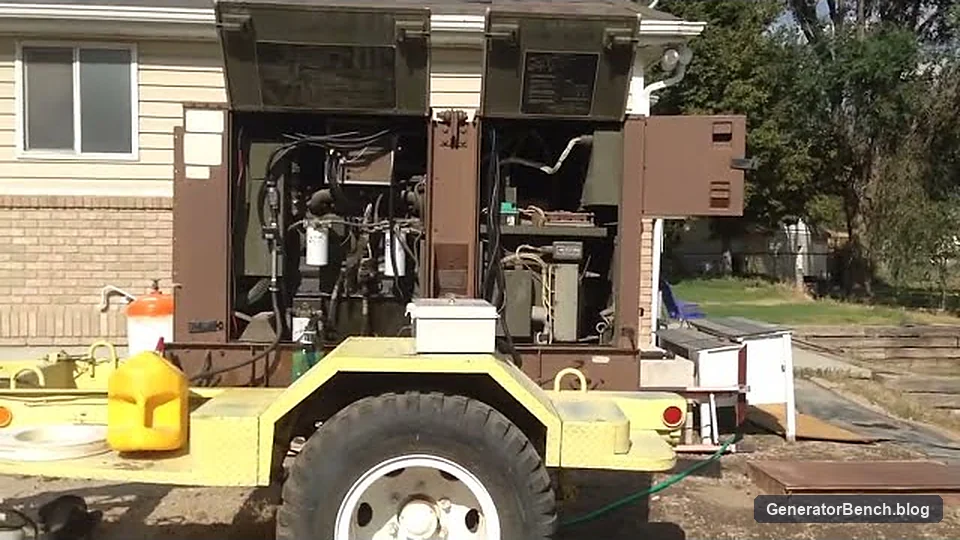
Natural gas delivers lower volumetric energy density per standard cubic foot. This chemical disparity means internal combustion engines require larger fuel volumes to generate equivalent electrical output.
Natural gas delivers roughly 1,000 BTU per cubic foot, whereas diesel packs significantly higher density. Selecting the right best natural gas standby generator ensures continuous performance during prolonged commercial utility outages.
Compression-ignition diesel engines routinely achieve thermal efficiencies exceeding 40%, outperforming standard stoichiometric natural gas spark-ignited engines which typically hover around 30% to 35% efficiency limits under continuous rated loads.
- Diesel energy density averages 38 MJ/L versus lower gaseous energy yields.
- Stoichiometric air-fuel ratios dictate distinct thermal management strategies.
- Volumetric efficiency directly influences physical engine displacement requirements.
- Volumetric energy density strongly favors diesel fuel storage logistics.
- Stoichiometric natural gas combustion requires careful air-fuel ratio management.
Stoichiometric Ratios in Heavy Combustion
Combustion chambers operate under strict stoichiometric constraints. Diesel engines utilize lean burn designs with high compression ratios, maximizing thermal conversion efficiency across variable loads.
Gaseous engines require precise stoichiometric control to prevent damaging pre-ignition events. Advanced electronic management systems continuously adjust valve timing to protect internal components.
- Compression ignition eliminates traditional spark plugs entirely.
- Spark-ignited gas engines demand precise electronic air-fuel mixing.
Volumetric Efficiency Factors
Pipeline pressure drops can restrict fuel delivery to natural gas units, while diesel systems store energy locally in tanks, ensuring uninterrupted fuel supply during catastrophic grid failures.
- Local fuel storage eliminates external utility dependence risks.
Mechanical Combustion Mechanics and Load Response
Transient load acceptance separates these two prime mover technologies. Diesel units accept massive block loads instantly due to high compression ignition and robust governor response.
Conversely, evaluating the best natural gas generator for whole house applications reveals lower instantaneous block loading capability. Operators often oversize gaseous sets or implement stepped load additions to maintain stable frequency.
Diesel engines rely on high compression ratios of 16:1 to 22:1, creating intense heat that instantly ignites injected fuel. This design delivers superior transient response and block load acceptance capabilities.
Natural gas generators utilize lower compression ratios, often 9:1 to 12:1, to prevent destructive pre-ignition and engine knocking. Consequently, they require sophisticated electronic governors to manage sudden block loads effectively.
- Diesel governor systems handle 100 percent step loads seamlessly.
- Gaseous engines require gradual step loading to prevent voltage drops.
- Turbocharger wastegate tuning optimizes transient response characteristics.
- High compression ratios improve diesel engine block loading performance.
- Knock mitigation limits natural gas compression ratio optimization.
Transient Response and Frequency Stability
Maintaining strict ISO 8528 Class 1 frequency regulation is vital for sensitive facilities. Diesel turbines snap back to nominal RPM faster following major electrical disturbances.
Gaseous systems rely on sophisticated electronic throttle actuators to compensate for lower fuel density. Proper tuning ensures frequency recovery matches critical facility operational thresholds.
- ISO 8528 standards govern acceptable voltage and frequency recovery.
- Electronic actuators compensate for gaseous fuel delivery lag.
Transient Load Mitigation
Modern spark-ignited generator controllers utilize advanced electronic throttle actuators to anticipate fuel demands, mitigating the inherent response lag compared to mechanical diesel fuel injection systems.
- Electronic actuators enhance step-load response times.
Structural Build Quality and Long-Term Durability
Heavy-duty industrial blocks are engineered for decades of rigorous service. Diesel frames utilize cast iron crankcases built to withstand extreme internal pressures and continuous high-torque operations.
When reviewing options like the best natural gas portable generator, you notice gaseous engines experience less acidic oil contamination. Higher operating temperatures still place distinct thermal stresses on exhaust valves.
Because diesel combustion pressures generate extreme mechanical stress, diesel engine blocks feature thick-walled cast iron construction and robust crankshafts designed for heavy-duty commercial operational lifespans exceeding 30,000 hours.
Natural gas engines experience lower peak cylinder pressures, allowing for slightly lighter crankcase designs. However, the continuous high exhaust temperatures demand hardened valve seats to prevent premature recession and seat burning.
- Cast iron crankcases absorb high mechanical stress in diesel builds.
- Valve seat recession requires specialized metallurgy in gaseous engines.
- Enclosure corrosion resistance depends on marine-grade powder coating.
- Heavy-duty cast iron blocks withstand high diesel cylinder pressures.
- Thermal stress in gas engines necessitates specialized metallurgy.
Cylinder Head Metallurgy and Thermal Stress
Combustion chamber temperatures dictate material selection across heavy generator builds. Exhaust valves in gas engines face accelerated wear without hardened seat inserts and specialized rotators.
Diesel cylinders endure immense pressure spikes requiring forged steel crankshafts. Proper cooling system maintenance prevents micro-cracking across high-output industrial engine blocks.
- Hardened valve seats prevent premature gaseous engine wear.
- Forged steel crankshafts handle extreme diesel pressure spikes.
Cylinder Liner Longevity
Heavy-duty diesel units often feature wet cylinder liners enabling straightforward rebuilds, whereas natural gas engines frequently require complete block replacement once cylinder wear exceeds manufacturer tolerance limits.
- Wet liners facilitate cost-effective diesel engine overhauls.
Operational Footprint, Acoustics, and Site Emissions
Site placement requires balancing physical footprint constraints against strict local noise ordinances. Acoustic enclosures attenuate high decibel diesel clatter down to acceptable commercial community standards.
Investigating a top best natural gas inverter generator reveals that gaseous units inherently run quieter due to smoother combustion profiles, simplifying placement near noise-sensitive urban healthcare facilities.
Diesel generators demand bulky double-walled fuel storage tanks, increasing the total site footprint. Conversely, natural gas units connect directly to municipal pipelines, eliminating the need for onsite fuel containment infrastructure.
Acoustic dampening is critical; diesel units emit a harsh low-frequency knock requiring heavy industrial enclosures, while natural gas engines produce softer acoustic signatures that are significantly easier to attenuate.
- Enclosed industrial units achieve sub-75 dBA ratings at seven meters.
- Diesel particulate filters capture soot to satisfy strict environmental rules.
- Gaseous emissions feature lower nitrogen oxide profiles with catalysts.
- Pipeline connectivity reduces facility space requirements.
- Gas engines simplify urban noise abatement engineering.
Exhaust Aftertreatment and Environmental Compliance
Modern Tier 4 Final emissions regulations dictate strict aftertreatment requirements. Diesel setups utilize selective catalytic reduction and diesel particulate filters to minimize harmful tailpipe pollutants.
Gaseous generators produce minimal particulate matter right out of the combustion chamber. Simple three-way catalysts efficiently neutralize residual carbon monoxide and hydrocarbon emissions.
- Selective catalytic reduction targets harmful nitrogen oxides.
- Three-way catalysts clean gaseous exhaust streams effectively.
Exhaust Aftertreatment
Meeting stringent Tier 4 emissions standards requires diesel units to utilize complex selective catalytic reduction systems, while natural gas engines naturally produce lower particulate matter emissions.
- Catalytic reduction adds recurring maintenance overhead.
Maintenance Intervals and Lubrication Demands
Preventative maintenance directly influences overall lifecycle cost efficiency. Diesel generators demand frequent oil changes, fuel filter replacements, and regular fuel polishing routines.
Natural gas systems enjoy extended lubrication oil lifespans because the fuel leaves minimal soot. Spark plugs and ignition coils require periodic scheduled replacement instead.
Diesel engines contaminate engine oil rapidly with soot and unburned hydrocarbons, necessitating strict oil change intervals every 250 to 500 operating hours to prevent accelerated internal mechanical wear.
Natural gas burns much cleaner, allowing extended lubrication cycles up to 1,000 hours. However, ash from oil additives can cause spark plug fouling, requiring regular ignition system inspections.
- Diesel oil changes typically occur every 250 operating hours.
- Gaseous engines extend oil change intervals past 500 hours.
- Fuel polishing prevents microbial contamination in diesel storage tanks.
- Soot accumulation mandates frequent diesel oil replacements.
- Cleaner gas combustion extends overall fluid longevity.
Fuel Polishing and Storage Integrity
Bulk fuel storage introduces significant long-term management challenges for facilities. Diesel tanks accumulate condensation and biological growth, necessitating automated fuel polishing and biocide treatments.
Piped natural gas eliminates onsite storage degradation concerns entirely. Facilities avoid fuel spoilage risks completely during extended periods of standby readiness.
- Automated polishing systems keep stored diesel clean and dry.
- Piped utilities remove onsite bulk storage liability completely.
Filtration Requirements
Fuel cleanliness is paramount for both systems; diesel requires advanced multi-stage water separators, while natural gas systems depend on sediment traps to protect delicate carburetors.
- Water separation protects precision diesel fuel injectors.
Extreme Environmental Resiliency and Cold Weather Behavior
Sub-zero operating conditions test the absolute limits of generator reliability. Diesel fuel undergoes paraffin gelling during severe winter freezes unless treated with specialized anti-gel additives.
Natural gas maintains consistent vaporization down to extreme sub-zero thresholds. Pipeline supply pressures must remain stable to prevent delivery starvation during peak regional heating loads.
Cold ambient temperatures cause diesel fuel to gel as paraffin wax precipitates out of suspension, requiring heated fuel lines or chemical anti-gel additives for reliable winter emergency startups.
Natural gas remains vaporized in sub-zero environments, though extremely low temperatures can cause pressure drops in municipal supply lines, potentially starving high-demand generators during regional winter storms.
- Diesel block heaters and fuel heaters are mandatory in cold climates.
- Gaseous regulators require specialized low-ambient heating blankets.
- Battery warmers ensure rapid cranking torque during winter storms.
- Paraffin precipitation causes severe diesel cold-weather starvation.
- Extreme cold can impair municipal gas delivery pressures.
Cold Weather Starting and Fuel Gelling
Low ambient temperatures severely impact internal combustion starting reliability. Gelled diesel clogs primary fuel filters instantly, preventing the engine from firing during critical emergency outages.
Gaseous systems bypass gelling risks but face pressure drops if supply lines freeze. Proper insulation and regulator sizing guarantee uninterrupted performance in arctic conditions.
- Paraffin crystal formation blocks standard diesel fuel filters.
- Regulator heaters prevent freeze-ups in high-pressure gas lines.
Cold Start Additives
Facilities utilizing diesel generators in extreme climates must install block heaters and battery warmers to ensure instantaneous cold-weather cranking without mechanical strain.
- Block heaters guarantee reliable sub-zero engine starting.
Matching Your Facility Workload to the Right Fuel Engine
Selecting optimal backup power depends entirely on facility operational priorities. Continuous prime power applications favor heavy diesel units for unmatched thermal efficiency and load acceptance.
Emergency standby applications in urban areas benefit from natural gas reliability. Continuous piped fuel removes the logistical burden of coordinating emergency diesel deliveries.
Facilities with continuous baseload demands and unpredictable surge requirements benefit from the robust torque curves and immediate fuel availability inherent to heavy-duty industrial diesel generator systems.
Operations prioritizing uninterrupted runtime without refueling logistics find natural gas generators ideal, provided the local utility infrastructure maintains stable pipeline pressure during major grid disruption events.
- Assess your local utility infrastructure stability before purchasing.
- Calculate maximum expected transient block loads for your facility.
- Review local environmental zoning laws regarding fuel storage.
- Diesel excels in remote applications requiring high surge capacity.
- Natural gas provides infinite runtime absent pipeline failures.
Prime Power Versus Standby Duty Classifications
Engine ratings dictate safe operational hours per annual cycle. Prime rated diesel sets excel at running continuous multi-day loads at remote industrial job sites.
Standby rated natural gas generators provide dependable backup during grid failures. Their operational limits fit commercial facilities needing reliable emergency life-safety support.
- Prime power units handle variable loads for unlimited hours.
- Standby generators protect facilities during unexpected grid dropouts.
Total Cost Integration
Evaluating long-term utility rates alongside capital equipment expenses ensures optimal selection, balancing initial fuel storage investments against ongoing operational fuel expenditure projections.
- Comprehensive financial modeling dictates ideal fuel selection.
Frequently Asked Questions
Which generator type offers better fuel efficiency under heavy industrial loads?
Diesel generators deliver superior thermal efficiency due to higher compression ratios and energy density. They consume significantly less fuel volume per kilowatt-hour generated compared to gaseous alternatives.
Can natural gas generators run continuously during extended emergency grid failures?
Natural gas units can run indefinitely as long as municipal pipelines remain pressurized. They eliminate onsite fuel truck delivery logistics during prolonged regional disasters.
What are the primary maintenance differences between natural gas and diesel engines?
Diesel systems require frequent oil changes and fuel polishing to prevent tank contamination. Natural gas engines extend oil lifespans but require periodic spark plug replacements.
How does cold weather impact natural gas versus diesel generator reliability?
Diesel fuel suffers from paraffin gelling in freezing temperatures requiring fuel heaters. Natural gas avoids gelling but demands proper regulator heating to prevent supply line freezing.
Which fuel option provides superior transient block load acceptance?
Diesel generators accept instantaneous heavy block loads much faster than gas units. Their high compression ignition and robust governors prevent severe frequency drops during sudden surges.