Lpg Generator vs. Petrol: Which Fits Your Setup Better?
Evaluating liquid propane and gasoline power sources requires understanding distinct chemical energy densities. This technical guide examines real operational variables for your setup.

Choose the Lpg Generator for extended fuel stability and cleaner emissions during extended outages. Select petrol when maximum instantaneous energy density and immediate retail availability matter most.
Compare all top models in our Best Home Emergency Generator.
Side-by-Side Breakdown
| Criteria | Lpg Generator | Petrol | Edge |
|---|---|---|---|
| Peak Performance & Output | 10% lower rated running wattage due to lower BTU content. | Maximum rated output utilizing standard automotive fuel grades. | Petrol |
| Duty Cycle & Consistency | Consistent fuel delivery via pressurized tank systems without varnish. | Prone to carburetor gumming and fuel degradation over time. | Lpg Generator |
| Operating Noise & Vibration | Slightly quieter operation due to smoother gaseous combustion cycles. | Standard mechanical decibel levels under heavy electrical loads. | Lpg Generator |
| Portability & Footprint | Requires heavy steel cylinders or complex permanent plumbing lines. | Easily transportable in lightweight plastic or metal jerry cans. | Petrol |
| Maintenance & Service Life | Extended engine longevity with minimal carbon buildup on valves. | Frequent carburetor cleaning required due to ethanol residue. | Lpg Generator |
| Power Requirements | Ideal for stationary standby power and residential backup needs. | Excellent for mobile job sites and high surge applications. | Petrol |
| Best Ideal Use-Case | Long-term emergency backup where fuel sits unused for months. | Frequent mobile deployment requiring rapid refueling anywhere. | Lpg Generator |
Fundamental Chemical Energy and Fuel Storage
Gasoline contains roughly 116,000 BTUs per gallon, delivering superior energy density for heavy motor starting surges. Propane yields about 91,500 BTUs per gallon, resulting in slightly reduced maximum electrical generation capacity under identical engine displacement constraints.
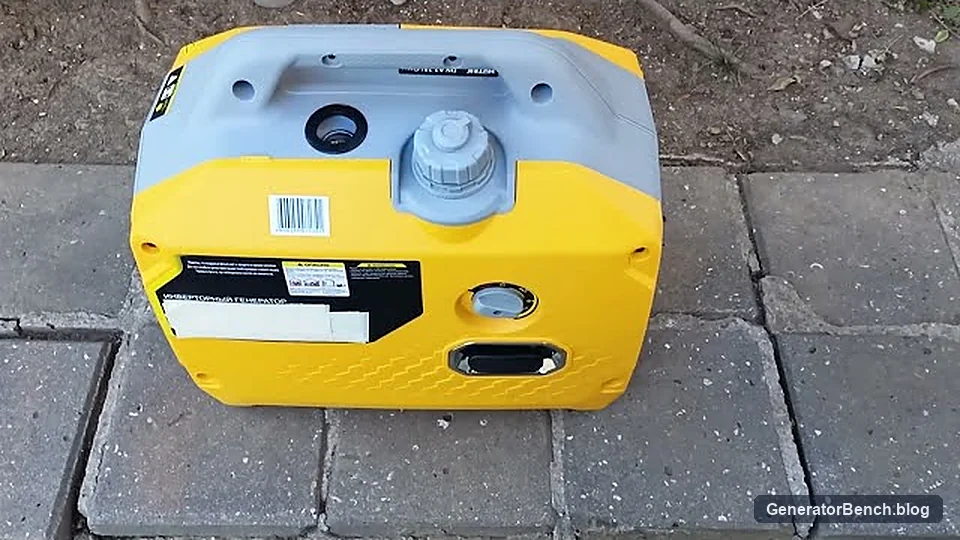
Propane fuel storage offers indefinite shelf life without degrading or attracting moisture. Conversely, modern ethanol-blended gasoline begins oxidizing within thirty days, actively clogging carburetor jets and destroying sensitive fuel system components if untreated.
Liquid propane gas contains roughly 21,500 BTUs per pound, whereas standard gasoline delivers about 18,400 BTUs per pound. However, gasoline has higher volumetric density, packing more potential energy into smaller liquid footprints overall.
Propane cylinders boast an indefinite shelf life because pressurized steel tanks prevent fuel degradation. Conversely, un-stabilized fuel from our best small petrol generator guide begins breaking down within 30 days.
- Gasoline delivers roughly 26 percent higher energy density by volume.
- Propane cylinders never degrade, spoil, or gum up internal carburetors.
- Sealed propane tanks eliminate dangerous fuel vapor emissions during storage.
Fuel Stability Metrics
Maintaining reliable emergency backup power demands stable chemical compositions over multi-year storage cycles. Propane eliminates the need for chemical fuel stabilizers required by standard gasoline during off-season storage periods.
- Propane requires zero stabilizing chemical additives for long-term storage.
- Gasoline demands stabilizer mixing to prevent phase separation and varnish.
Combustion Efficiency and Engine Wear Dynamics
Gaseous propane enters combustion chambers already vaporized, promoting complete and clean burning processes. This characteristic significantly reduces internal carbon deposits on piston crowns, spark plugs, and exhaust valve seats over extended operational hours.
Liquid gasoline relies on mechanical atomization through tiny carburetor jets or injector nozzles. Incomplete fuel vaporization often washes cylinder walls down with raw fuel, accelerating piston ring wear and diluting crankcase lubricating oil.
Propane enters as a dry vapor, preventing cylinder-wall wash and reducing oil dilution. Meanwhile, models from our quietest petrol generator lineup rely on liquid carburetion during cold starts, which accelerates ring wear.
Because propane lacks octane-boosting lead additives, it features a high rating of roughly 105 RON, resisting knock effectively. Generators running on petrol typically operate at an octane rating between 87 and 91 AKI.
- Propane combustion leaves virtually zero carbon fouling on internal components.
- Gasoline dilution of engine oil necessitates much more frequent oil changes.
- Valve seat recession requires hardened materials for continuous propane operation.
Lubrication and Thermal Load
Dry-burning propane generates higher localized cylinder head temperatures than liquid gasoline. Operators must utilize high-grade synthetic oils and verify proper cooling fin clearance to prevent premature thermal fatigue during heavy continuous loads.
- Synthetic lubricants mitigate higher cylinder head thermal stress effectively.
- Proper airflow management protects exhaust valves from overheating damage.
Operational Safety Protocols and Save Directions
Handling pressurized gas cylinders demands strict adherence to mandatory safety clearances and secure upright positioning. Always inspect rubber supply hoses for cracking, wear, and secure brass fitting connections prior to system ignition.
Gasoline storage requires explosion-proof containers kept far away from ignition sources like water heaters. Follow strict fire safety save directions to prevent accidental fuel spills from igniting hot muffler surfaces during emergency refueling.
LPG is heavier than air, meaning dense gas pools dangerously in low spots, trenches, or basements during leaks. You must install propane detectors near floor level when operating these auxiliary power units indoors or enclosed.
Petrol presents extreme flammability hazards due to volatile vapors that ignite easily from distant pilot lights. Always store gasoline in approved NFPA-compliant containers away from living spaces and ignition sources during emergencies.
- Propane systems require leak checks using soapy water before every startup.
- Gasoline handling mandates approved safety cans stored in ventilated detached sheds.
- Never refuel either generator type while the internal combustion engine is running.
Emergency Shutoff Procedures
Quickly isolating fuel lines remains paramount during unexpected leaks. Close the main tank valve immediately on propane units, or consult our petrol generator fuel consumption chart before servicing internal components.
- Instantly shut off tank valves if a gaseous sulfur odor is detected.
- Keep ABC-rated chemical fire extinguishers accessible near all fuel sources.
Site Planning and Measure Distances and Areas
Proper generator placement prevents lethal carbon monoxide accumulation inside residential living spaces. Carefully measure distances to windows, doors, and fresh air intake vents to maintain safe operating clearance thresholds.
Calculate exact operational areas around your generator pad to ensure unobstructed exhaust dissipation. Maintain at least five feet of clearance on all sides to prevent hazardous exhaust gas recirculation into cooling fans.
Generator placement requires strict adherence to National Electrical Code guidelines and manufacturer clearance metrics. Maintain a minimum distance of 20 feet from windows, doors, and fresh-air intakes to prevent carbon monoxide poisoning.
When utilizing large propane tanks, position vessels at least 10 feet away from building openings and ignition sources. Petrol fuel jugs require dedicated outdoor storage sheds maintaining ambient temperatures below 100 degrees Fahrenheit.
- Position portable generators at least twenty feet away from habitable structures.
- Measure exact cord lengths to avoid dangerous voltage drop over long runs.
- Ensure solid, level ground prevents unit tipping during heavy motor surges.
Exhaust Gas Mitigation
Carbon monoxide is an odorless, colorless gas produced by incomplete hydrocarbon combustion. Direct exhaust away from prevailing wind patterns and install dual-sensor battery backup detectors inside nearby enclosed structures.
- Position exhaust mufflers pointing directly away from human activity zones.
- Test remote carbon monoxide shutoff sensors monthly for operational readiness.
Cold Weather Performance and Vapor Pressure
Extreme sub-freezing temperatures drop propane tank internal vapor pressure significantly. Low ambient temperatures can prevent adequate fuel vaporization, starving the carburetor and causing sudden generator engine stalling under heavy electrical loads.
Gasoline remains liquid at very low temperatures, making cold weather engine starting much more predictable. However, winter condensation inside fuel bowls can freeze and block internal jets unless dry gas additives are utilized.
Propane relies on ambient heat to boil inside the tank and create necessary vapor pressure. Extreme sub-zero temperatures drop tank pressure sharply, causing vapor lock or starving the generator engine of required fuel.
Gasoline maintains liquid state efficiency at low temperatures, vaporizing easily down to minus 40 degrees. However, if combustion issues arise, consult our petrol generator not starting guide for troubleshooting steps.
- Propane tanks require larger capacities in winter to maintain sufficient vaporization.
- Gasoline resists pressure drops but suffers from moisture freezing in lines.
- Winter operations demand multi-grade synthetic oils for reliable cold cranking.
Cold Weather Mitigation Strategies
Mitigate propane vaporization issues by utilizing larger twenty-pound or one-hundred-pound cylinders rather than small canisters. Insulated tank blankets or specialized thermal wraps help maintain adequate internal pressure during severe winter storms.
- Utilize larger fuel tanks to increase surface area for vaporization.
- Protect fuel regulators from blowing snow and freezing rain accumulation.
Maintenance Schedules and Long-Term Servicing
Routine generator upkeep preserves mechanical reliability and extends total operational lifespan. Propane units require less frequent carburetor servicing because clean gaseous fuels leave no sticky residues or varnish deposits behind.
Gasoline powered generators demand rigorous maintenance including annual carburetor cleaning, fuel filter replacements, and regular spark plug inspections. Stale fuel remnants frequently clog delicate jets during prolonged storage intervals.
Propane generators experience minimal carbon buildup, extending spark plug life and pushing oil change intervals up to 200 operating hours. Clean burning properties drastically lower internal soot contamination across valve trains and pistons.
Petrol units demand strict adherence to 100-hour service intervals, requiring frequent carburetor bowl draining during storage. Unburned fuel additives leave sticky deposits that plug tiny jets, necessitating chemical cleaning or manual ultrasonic rebuilding.
- Inspect air filter elements every fifty operating hours in dusty environments.
- Change engine oil after the initial break-in period and every hundred hours.
- Check spark plug gaps annually to ensure optimal ignition spark intensity.
Carb Maintenance Protocols
Preventing petrol carburetor failure requires running the engine dry of fuel before long-term storage. Draining the float bowl completely eliminates gum accumulation and saves hours of frustrating mechanical troubleshooting later.
- Always drain petrol float bowls if storing equipment past thirty days.
- Use ultrasonic cleaning baths for heavily varnished carburetor brass jets.
Environmental Impact and Emissions Compliance
Modern environmental regulations strictly govern small off-road engine emissions across all operational sectors. Propane generators emit significantly lower particulate matter and greenhouse gases, easily satisfying stringent state air quality board standards.
Gasoline combustion releases higher levels of unburned hydrocarbons, nitrogen oxides, and benzene vapors. Maintaining proper emission compliance requires catalytic mufflers and frequent tuning to prevent rich running conditions during heavy loads.
Burning propane produces significantly lower greenhouse gas emissions, reducing carbon dioxide output by roughly 10 percent compared to gasoline. Furthermore, LPG lacks heavy hydrocarbons, virtually eliminating toxic evaporative emissions during storage periods.
Standard petrol engines release higher levels of unburned hydrocarbons and nitrogen oxides, requiring advanced catalytic converters for EPA compliance. Spilling liquid gasoline while refueling creates localized soil contamination and volatile organic compound spikes.
- Propane drastically reduces smog-forming hydrocarbon emissions during operation.
- Gasoline engines require catalytic converters to meet current EPA mandates.
- Clean gaseous burning helps protect sensitive local ecosystems from pollution.
Regulatory Standards Compliance
Adhering to local environmental codes ensures safe operation in parks and residential zones. Always verify that your chosen generator model carries appropriate certifications for local air quality and noise ordinances.
- Check regional air district rules before operating commercial generators.
- Ensure sound levels remain below local municipal decibel restrictions.
Frequently Asked Questions
Can a standard petrol generator be easily converted to run on propane?
Yes, aftermarket conversion kits allow dual-fuel operation by installing a specialized gaseous carburetor adapter. However, this modification may void factory warranties and requires careful mechanical tuning for optimal performance.
Why does a generator produce less electrical power when running on propane?
Propane features a lower British Thermal Unit energy content by volume compared to gasoline. This chemical difference translates to roughly a ten percent reduction in maximum electrical output capacity.
How long can stored propane sit safely inside a connected steel cylinder?
Propane possesses an indefinite chemical shelf life and never degrades or spoils over time. This makes it the superior choice for emergency backup systems that remain unused for long periods.
What causes gasoline to turn bad inside a generator fuel tank?
Modern ethanol additives absorb atmospheric moisture and oxidize quickly, leaving a sticky varnish residue. This chemical breakdown rapidly clogs tiny carburetor jets and prevents proper engine starting.
Is it safe to store spare gasoline containers inside a residential garage?
Storing gasoline indoors poses severe explosion risks due to volatile vapor emissions accumulating near ignition sources. Always store approved fuel containers in a well-ventilated detached shed away from living areas.