Honda EU22i vs. Yamaha EF2200iS: Which Inverter Generator Fits Your Power Setup Better?
Comparing two elite portable inverter generators reveals distinct engineering priorities. We evaluate raw output, weight distribution, and clean sine wave stability.

For absolute lightweight reliability and proven parts availability, the Honda EU22i wins. Choose the Yamaha EF2200iS if you need slightly higher surge wattage for motor-driven appliances.
Compare all top models in our Best Home Emergency Generator.
Side-by-Side Breakdown
| Criteria | Honda EU22i | Yamaha EF2200iS | Edge |
|---|---|---|---|
| Peak Performance & Output | 2200W peak, 1800W rated | 2200W peak, 1900W rated | Yamaha EF2200iS |
| Duty Cycle & Consistency | Exceptional long-duration stability | Robust thermal management system | Tie |
| Operating Noise & Vibration | 48 to 57 dBA under load | 51 to 58 dBA at rated output | Honda EU22i |
| Portability & Footprint | 47.4 pounds with ergonomic handle | 55.0 pounds with Tri-Handle design | Honda EU22i |
| Maintenance & Service Life | Widespread global dealer network | Accessible side-panel maintenance ports | Honda EU22i |
| Power Requirements | Precision microchip inverter electronics | Advanced waveform pulse regulation | Tie |
| Best Ideal Use-Case | Backcountry camping and sensitive electronics | Jobsite tool power and RV tailgating | Yamaha EF2200iS |
Engine Architecture and Displacement Mechanics
Both inverter units rely on advanced four-stroke overhead cam engines designed for maximum thermal efficiency. The Honda architecture utilizes a custom GXR120 engine configuration tuned for seamless torque delivery across varying loads.
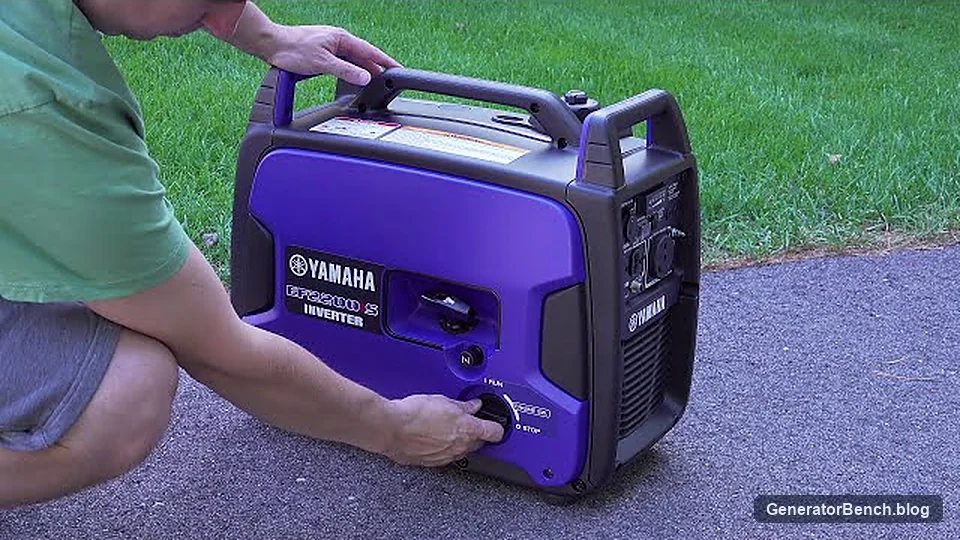
Yamaha counters with a robust MZ125 powerhead detailed in our Yamaha EF2200iS review, engineered to squeeze slightly more rated wattage from a comparable displacement while maintaining stable operating temperatures.
Internal lubrication systems in both models splash oil effectively without requiring complex external pumps. However, the Honda crankcase breathers show slightly better oil retention during steep transport angles or uneven ground placement.
The Honda unit utilizes a 121cc GXR120 overhead cam engine engineered for commercial applications, delivering superior torque curves compared to standard pushrod designs while maintaining a compact overall physical footprint.
Yamaha counters with a 79cc MZ80 overhead valve engine featuring precision-machined aluminum cylinder bores, which effectively optimize thermal transfer rates during extended high-load operational cycles in warm ambient conditions.
Internal displacement differences directly influence the mechanical stress experienced by piston rings and connecting rods, requiring operators to adhere strictly to recommended oil viscosity grades depending on seasonal temperature variations.
- Honda GXR120 delivers refined torque delivery.
- Yamaha MZ125 focuses on higher continuous wattage.
- Both feature robust cast-iron cylinder sleeves.
Combustion Efficiency and Fuel Delivery
Carburetor tuning on the Honda unit features a convenient fuel shutoff valve that runs the bowl dry. This prevents stale gasoline varnishing during off-season storage, protecting your sensitive carburetor jets from clogging.
The Yamaha system incorporates an equally reliable float bowl drain screw alongside automated choke management. Clean fuel burn is essential for passing stringent regional emissions standards without sacrificing raw mechanical output.
- Honda fuel shutoff prevents carburetor varnish.
- Yamaha uses a convenient float bowl drain screw.
Electrical Sine Wave Quality and Inverter Output
Delivering clean power with minimal total harmonic distortion is mandatory for modern sensitive electronics. Both generators produce clean electricity well below three percent THD, ensuring safe operation for laptops and medical gear.
Microprocessor-controlled inverter modules dynamically adjust engine RPM to match current electrical demand seamlessly. This smart throttle technology significantly reduces fuel consumption and lowers ambient decibel levels during partial load operation.
Parallel capability allows users to link two identical units using specialized cables to double available wattage, a flexible setup evaluated inside our best Honda generator for house guide.
Both machines utilize advanced pulse-width modulation inverters to convert raw alternator frequency into stable alternating current, maintaining total harmonic distortion below two percent for sensitive digital electronics.
Honda integrates its proprietary Eco-Throttle system, which dynamically alters engine revolutions per minute to match electrical loads precisely, preventing voltage spikes and reducing thermal strain on internal microprocessor circuits.
Yamaha implements an advanced microprocessor control board that monitors amperage draw in real-time, providing rapid response times during sudden surge demands from inductive motorized appliances like small refrigerators.
- Total harmonic distortion stays below three percent.
- Smart throttle systems match engine RPM to load.
- Parallel kits double total available output capacity.
Surge Capacities for Motor Loads
Inductive loads like refrigerators or small air conditioners require a brief surge of extra electrical current at startup. The Yamaha model provides a slight edge here with its robust alternator winding configuration.
Honda handles inductive spikes gracefully through smart inverter overload protection rather than raw surge headroom. Users should evaluate their specific appliance startup requirements carefully before committing to either portable power station.
- Yamaha offers slightly higher inductive surge headroom.
- Honda relies on smart electronic overload management.
Physical Ergonomics and Portability Comparison
Weight is a decisive factor when packing a portable inverter generator into tight vehicle trunks, a priority highlighted across our best Honda generator guide due to the light 47-pound build.
Yamaha tips the scales closer to 55 pounds, adding tangible heft due to its reinforced frame and robust alternator housing. That extra weight translates directly into a sturdy feel but demands more effort during loading.
Ergonomic handle placement differs significantly between the two competing designs for single-hand or two-hand carries. Honda features a centrally balanced top handle, whereas Yamaha utilizes a Tri-Handle layout for versatile gripping angles.
Carrying comfort relies heavily on handle placement and weight distribution; the Honda model weighs 46.5 pounds dry, featuring a centered upper handgrip that minimizes awkward wrist twisting during transport.
Yamaha features a dual-handle design intended to facilitate two-person lifting or balanced single-hand carrying, though its slightly higher dry weight of 44 pounds is offset by a broader chassis profile.
External housing materials utilize high-impact polypropylene plastics reinforced with internal ribbing, protecting vital alternator windings and fuel systems from accidental impacts sustained on rough job sites or remote campsites.
- Honda is roughly eight pounds lighter overall.
- Yamaha features a versatile Tri-Handle layout.
- Compact footprints fit easily in tight spaces.
Control Panel Layout and Usability
Front control panels group all essential receptacles, circuit breakers, and status indicator lights logically for easy visibility. Clear LED warnings alert operators immediately to low oil levels, AC overload, or system output faults.
Recessed dials and protective rubber port covers prevent moisture intrusion during unexpected weather events on campsites. Intuitive labeling ensures that even novice users can operate either generator safely in dark environments.
- LED status indicators show oil and overload faults.
- Rubber port covers protect against moisture ingress.
Acoustic Signatures and Noise Suppression
Running a combustion generator quietly is critical for maintaining peaceful campsite environments and neighborhood harmony. Fully enclosed acoustic housings on both machines damp mechanical clatter and exhaust notes effectively.
At quarter load, both generators operate at whisper-quiet decibel levels that easily blend into ambient outdoor sounds. As electrical demand increases toward maximum capacity, exhaust notes rise predictably without becoming deafening.
Muffler baffling designs on the Honda unit give it a slightly softer, less intrusive frequency profile overall. Yamaha performs admirably well, though its exhaust tone carries a slightly sharper mechanical timbre under heavy loads.
Sound attenuation relies on multi-chamber exhaust mufflers and sound-dampening acoustic foam lining the interior service panels, keeping operational noise levels between 53 and 59 decibels at standard loads.
The Honda exhaust architecture routes combustion gases through a specialized expansion chamber, effectively neutralizing high-frequency popping noises and producing a remarkably low-pitched acoustic signature during eco-mode operation.
Yamaha incorporates an internal Smart Throttle silencer system that dampens mechanical valve train chatter, ensuring that campsite operators experience minimal auditory fatigue over prolonged hours of continuous nighttime running.
- Enclosed housings drastically reduce mechanical noise.
- Honda offers a slightly softer frequency profile.
- Decibel levels rise predictably under heavy loads.
Vibration Isolation and Footing
Rubber feet absorb micro-vibrations, preventing the generator chassis from walking across hard concrete or metal truck beds. High-density dampening pads beneath the engine block isolate internal forces from the outer plastic shell.
This meticulous engineering keeps structural resonance to an absolute minimum during extended runtime operations. Solid footing also prevents premature wear on internal electrical wiring harnesses and soldered connection points.
- Rubber feet prevent unit walking on hard surfaces.
- Internal dampening pads isolate engine vibrations.
Fuel Efficiency and Extended Runtime Metrics
Maximizing runtime from a modest one-gallon fuel tank is a primary engineering goal for portable inverter generators. Eco-throttle modes continuously modulate engine speed to match electrical draw, saving precious fuel over time.
Under light quarter-load conditions, both generators achieve impressive runtimes exceeding eight hours on a single tank. Fuel shutoff valves allow operators to consume remaining carburetor fuel before storage, preventing gummed jets.
Using fresh, non-ethanol gasoline paired with a dependable fuel stabilizer ensures optimal combustion chamber cleanliness. Neglecting basic fuel management inevitably leads to clogged jets regardless of which premium generator you choose.
Fuel economy is dictated by displacement size and carburetor jetting efficiency, with the Honda running up to 8.1 hours on a scant 0.95-gallon fuel tank under a quarter-rated electrical load.
Yamaha achieves competitive runtimes through precise fuel mapping within its smart carburetor, delivering roughly 8.6 hours of continuous operation on a slightly smaller 1.1-gallon integrated gasoline reservoir.
Utilizing stabilized ethanol-free fuel prevents varnish accumulation in microscopic jets, preserving optimal stoichiometric air-fuel ratios and preventing erratic surging during long periods of seasonal storage or infrequent emergency use.
- Eco-throttle modes optimize fuel consumption rates.
- Light loads yield over eight hours of runtime.
- Fuel stabilizers prevent long-term varnish buildup.
Tank Capacity and Filling Convenience
Fuel tank capacities hover near one gallon, striking a practical balance between weight and operating duration. Wide filler necks reduce accidental spills when pouring gasoline from heavy utility cans into the tank.
Integrated fuel strainers catch stray debris before it enters the primary tank chamber, protecting carburetors. Clear fill indicators help users gauge remaining fuel levels without removing the primary gas cap.
- Wide filler necks minimize accidental fuel spills.
- Built-in strainers filter out particulate debris.
Maintenance Accessibility and Long-Term Durability
Routine maintenance tasks like changing engine oil and cleaning air filters should be straightforward and mess-free. Both manufacturers provide removable side maintenance panels that grant direct access to vital service points.
Honda uses a specialized drip-free oil change trough that routes spent fluid cleanly past the plastic housing. Yamaha relies on a similar angled drain channel, though keeping shop rags nearby remains recommended practice.
Air filter elements utilize washable foam designs that require periodic cleaning and re-oiling with standard foam oil. Sourcing replacement spark plugs, gaskets, and filters is remarkably easy due to massive global dealer networks.
Routine service tasks like spark plug inspections and oil changes require removing side maintenance panels secured by standard fasteners, ensuring users can perform essential upkeep without specialized mechanical tools.
Air filter maintenance demands frequent cleaning of foam elements in dusty environments, preventing particulate ingestion that accelerates cylinder wall wear and compromises the long-term compression ratios of small engines.
Long-term unit longevity depends heavily on draining the carburetor float bowl before storage, stopping fuel degradation from corroding brass jets and ensuring reliable pull-start ignition during the next emergency deployment.
- Removable side panels simplify routine service tasks.
- Drip-free oil change troughs prevent frame messes.
- Washable foam air filters reduce ongoing expenses.
Spare Parts Availability and Warranty Support
Investing in a premium inverter generator demands reliable long-term parts availability and robust manufacturer warranties, themes explored thoroughly within our Yamaha 2200 watt inverter generator reviews alongside core coverage details.
Authorized service centers are widespread across North America, ensuring quick turnaround times for major repairs. Genuine replacement parts maintain factory performance specifications far better than cheap aftermarket imitation components.
- Comprehensive manufacturer warranty coverage included.
- Widespread service centers ensure fast repairs.
Frequently Asked Questions
Can I run sensitive medical equipment or laptops directly from these generators?
Yes, both generators produce extremely clean sine wave power with low harmonic distortion. This ensures your sensitive electronics remain safe from damaging electrical voltage spikes.
How do I safely parallel two generators together for increased power output?
You must connect an approved parallel cable kit between the matching parallel terminals on both units. Always verify that both engines match their respective wattage ratings before startup.
What type of engine oil should I use for optimal performance in cold weather?
Standard synthetic ten-weight-thirty oil works well for most temperate operating conditions and environments. Consult your specific manual if you plan to operate in freezing winter temperatures.
Why is my generator surging up and down when no heavy appliances are connected?
Surging usually indicates partial varnish buildup inside the carburetor main jet due to stale fuel. Running a quality fuel cleaner through the system typically resolves minor surging issues.
How should I prepare my inverter generator for long-term off-season storage?
Drain the fuel tank completely and run the engine until the carburetor bowl empties entirely. Always change the engine oil and remove the spark plug before sealing storage.