Generac vs. Kohler Home Generators: Which Fits Your Setup Better?
Choosing between standby titans requires examining raw engineering tolerances. We evaluate engine output, voltage stability, and thermal limits to determine which system secures your home best.


For widespread dealer networks and budget flexibility, Generac dominates residential markets. However, Kohler wins premium applications requiring industrial-grade frequency stability and superior commercial alloy enclosures.
Compare all top models in our Best Home Emergency Generator.
Side-by-Side Breakdown
| Criteria | Generac | Kohler Home Generators | Edge |
|---|---|---|---|
| Peak Performance & Output | Up to 24kW via Guardian series engines | Up to 20kW/125kW commercial-grade units | Kohler |
| Duty Cycle & Consistency | Designed for standard residential backup loads | Built on heavy commercial engine blocks | Kohler |
| Operating Noise & Vibration | 65-68 dB(A) at normal operating load | 62-65 dB(A) with advanced baffling | Kohler |
| Portability & Footprint | Compact composite and steel modular casing | Heavy-duty aluminum housing with rigid frames | Generac |
| Maintenance & Service Life | 200-hour oil change intervals standard | Extended industrial component service cycles | Kohler |
| Power Requirements | Adaptable multi-circuit smart management systems | Robust surge capacity for heavy commercial induction | Kohler |
| Best Ideal Use-Case | Suburban residential whole-home emergency power | Medical-grade sensitivity and luxury estates | Kohler |
Core Architectural and Engine Design Differences
Examining internal combustion components reveals distinct engineering philosophies between these two industry giants. Generac utilizes proprietary OHVI engines engineered explicitly for extended stationary generator duty cycles.
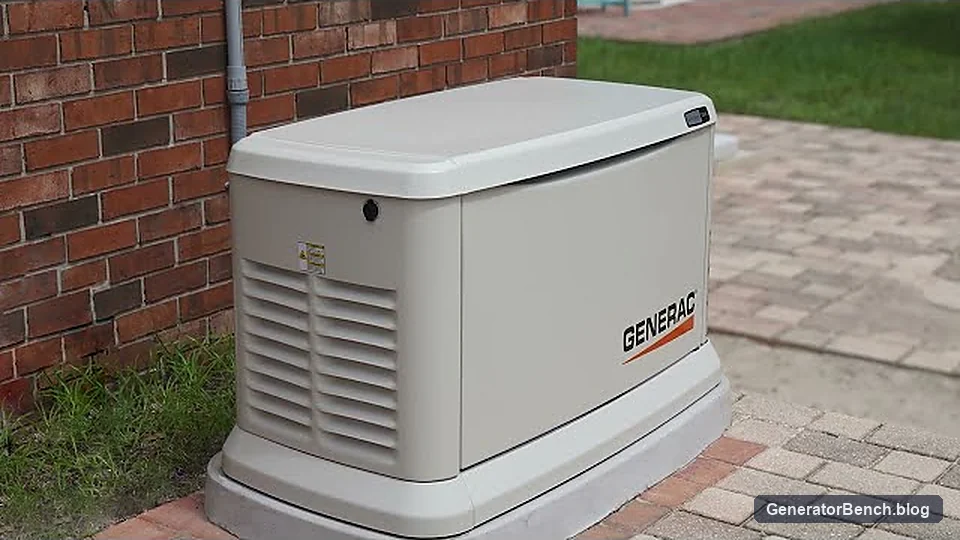
Conversely, Kohler often integrates heavy-duty commercial blocks derived from industrial applications. This heavier casting choice impacts overall unit weight and foundation requirements during installation.
Thermal dissipation also differs significantly across these two platforms. Generac relies on high-velocity fan designs, whereas Kohler implements optimized baffling for laminar airflow routing.
- Generac utilizes custom-built OHVI engine architecture.
- Kohler leverages heavy commercial block heritages.
- Cooling strategies dictate overall acoustic signatures.
Engine Displacement and Torque Curves
Displacement metrics directly influence how well each machine handles sudden block loads. Generac maximizes displacement to achieve rapid recovery times during heavy HVAC startup cycles.
Meanwhile, Kohler focuses on flat torque delivery across restricted RPM bands. This engineering focus minimizes mechanical stress during multi-appliance demand spikes.
- Displacement impacts transient load recovery speed.
- Torque flatness reduces internal mechanical strain.
Core Architectural and Engine Design Differences
Generac relies on its proprietary G-Force engine, built specifically for heavy standby loads highlighted across our best home generators for power outages. This robust overhead valve design optimizes cooling fins for sustained periods.
Kohler frequently utilizes heavy-duty industrial blocks featuring hydraulic valve lifters that eliminate manual clearance adjustments. This engineering choice reduces routine maintenance overhead while ensuring smooth, quiet valve actuation across fluctuating ambient temperatures.
Evaluating crankshaft orientation reveals both brands prioritize vertical shaft configurations for compact footprint efficiency. However, journal bearing diameters and connecting rod metallurgy differ, directly impacting long-term thermal fatigue resistance under maximum rated loads.
Voltage Regulation and Total Harmonic Distortion
Clean power delivery protects sensitive microprocessors throughout modern smart homes. Generac digital voltage regulators maintain steady output within tight plus-or-minus one percent tolerances.
Meanwhile, Kohler alternator technology frequently achieves exceptionally low Total Harmonic Distortion figures. This performance level makes Kohler ideal for high-end audio and medical equipment.
Stator winding configurations also vary between the competing units. Generac uses optimized skewed slots to reduce harmonic noise in residential electrical grids.
- Digital regulation maintains stable voltage profiles.
- Low harmonic distortion protects delicate electronics.
- Advanced stator winding suppresses electrical noise.
Transient Response and Frequency Stability
Frequency drop during initial motor starting tests the electronic governor. Generac controllers respond rapidly to bring Hertz back to baseline within seconds.
Kohler electronic control boards offer programmable governor settings for custom frequency tuning. Installers can calibrate exact responses for specialized laboratory environments.
- Governors restore baseline frequency after heavy starts.
- Programmable boards allow custom laboratory tuning.
Voltage Regulation and Total Harmonic Distortion
Clean power output is vital for sensitive household appliances containing microprocessors. Generac units typically maintain Total Harmonic Distortion below five percent, satisfying standard IEEE utility interconnection guidelines for residential backup electrical supply.
Kohler generators achieve superior electrical purity, frequently holding THD under three percent as highlighted in our best rated home standby generators. This precise excitation control protects delicate HVAC inverter boards from voltage spikes.
Automatic voltage regulation systems differ significantly in response time during sudden block loads. Advanced digital AVR units on Kohler models stabilize output within milliseconds, preventing motor stall during heavy inductive compressor startup surges.
Enclosure Materials and Acoustic Performance Profiles
Weather resistance starts with the external cabinetry protecting internal mechanical assemblies. Generac relies on powder-coated steel or resilient composite enclosures designed against corrosion.
In contrast, Kohler standardizes corrosion-proof aluminum enclosures with architectural-grade powder coatings. This material selection excels in coastal environments with high salt fog.
Acoustic insulation also dictates backyard comfort during multi-day power outages. Kohler generally achieves lower decibel ratings through dense sound-attenuating foam layering.
- Steel and composite options armor Generac units.
- Corrosion-resistant aluminum protects Kohler housings.
- Acoustic foam dampens high-frequency mechanical noise.
Vibration Isolation and Mounting Pads
Internal vibration mounts prevent structural resonance from transferring into concrete slabs. Generac incorporates multi-point rubber isolators beneath the engine-alternator assembly.
Kohler utilizes heavy-duty seismic dampening pads engineered for commercial stationary deployments. This heavy isolation significantly reduces ground-borne low-frequency hum.
- Rubber isolators limit engine vibration transfer.
- Seismic dampening pads suppress ground-borne hum.
Enclosure Materials and Acoustic Performance Profiles
Exterior housing durability dictates longevity in harsh coastal or high-humidity environments. Generac primarily uses galvanized steel enclosures finished with a durable powder-coat paint, requiring careful inspection for scratches that might trigger corrosion.
Kohler heavily favors heavy-gauge aluminum housing treated with advanced corrosion-resistant coatings, making them inherently superior for salty marine climates. Aluminum naturally resists rust propagation, significantly extending the physical lifespan of the cabinet.
Sound attenuation engineering shapes neighbor relations during overnight outages. While both brands include sound-dampening acoustic foam, Kohler units often register slightly lower decibel ratings at a seven-meter distance due to optimized exhaust baffling.
Transfer Switch Integration and Smart Controls
Automated transfer switches form the vital bridge between utility mains and backup units like those found in our best inverter generators for home guide. Generac smart switches feature modular digital management systems.
Meanwhile, Kohler controller architecture emphasizes seamless utility sensing and rapid transfer speeds. Their interface panels provide extensive diagnostic readouts for technicians.
Remote connectivity options further enhance everyday user monitoring capabilities. Both manufacturers offer mobile applications leveraging Wi-Fi and cellular networks.
- Modular digital management prioritizes household loads.
- Rapid utility sensing ensures minimal transfer delay.
- Mobile applications enable remote status tracking.
Digital Interface Usability and Diagnostics
Clear diagnostic menus simplify routine troubleshooting during severe weather events. Generac LCD screens display maintenance alerts and fault history clearly.
Kohler digital controllers feature graphical displays with comprehensive sensor telemetry. Technicians can diagnose intricate electrical faults without external multimeters.
- LCD screens display straightforward maintenance alerts.
- Telemetry dashboards offer deep technical diagnostics.
Transfer Switch Integration and Smart Controls
Seamless integration between the generator and automatic transfer switch ensures rapid power restoration. Generac utilizes Evolution controller architecture, providing clear diagnostic readouts and programmable exercise cycles directly from the user-friendly digital display panel.
Kohler counters with the RDC2 controller platform, delivering sophisticated load management capabilities that monitor multi-stage electrical priorities. This system prevents overload conditions by shedding non-essential circuits before main breaker trips occur.
Remote monitoring connectivity relies on Wi-Fi or Ethernet modules to relay fault codes instantly. Property owners can track fuel pressure, battery voltage, and operating hours through dedicated smartphone applications designed for real-time diagnostic alerts.
Cold-Weather Reliability and Thermal Management
Sub-zero temperatures demand robust cold-weather starting aids to ensure reliability. Generac offers comprehensive cold-weather kits featuring oil pan heaters and battery warmers.
Kohler integrates intelligent pre-heating protocols into their digital control firmware. These smart algorithms cycle heating elements based on ambient temperature sensors.
Crankcase ventilation systems must also prevent moisture accumulation and freezing. Proper thermal management prevents catastrophic oil starvation during winter storms.
- Cold-weather kits include oil and battery warmers.
- Firmware algorithms optimize automated pre-heating cycles.
- Crankcase ventilation prevents winter moisture freeze.
Battery Maintenance and Charging Circuits
Reliable cranking requires healthy starting batteries maintained by onboard chargers. Generac includes integrated trickle chargers wired directly to the main control board.
Kohler utilizes multi-stage smart battery chargers that adjust output voltage dynamically. This prevents electrolyte boiling during extended standby periods.
- Trickle chargers maintain starting battery voltage.
- Multi-stage charging prevents electrolyte degradation.
Cold-Weather Reliability and Thermal Management
Sub-zero winter storms demand robust cold-weather preparation to guarantee reliable emergency startup. Generac offers accessory oil pan heaters and battery warmers that activate automatically when ambient temperatures drop below freezing thresholds.
Kohler integrates comprehensive thermal management strategies into its standard heavy-duty lineup. Their enclosed designs channel warm exhaust air across the battery tray, mitigating chemical efficiency loss during extreme sub-zero weather conditions.
Maintaining correct operating temperatures prevents oil breakdown and excessive piston ring wear. Both manufacturers incorporate intelligent thermostats that manage cooling airflow, balancing optimal engine warmth against high ambient summer operating loads.
Fuel Delivery Systems and Efficiency Metrics
Standby units must operate efficiently on natural gas or liquid propane fuel supplies detailed across our best gas generators for home lineup. Generac carburation systems feature automatic fuel conversion without manual jet changes.
Kohler utilizes precision fuel mixers designed for optimal stoichiometric combustion ratios. This engineering precision maximizes fuel economy under partial electrical loads.
Pressure drop requirements dictate sizing rules for long gas piping runs. Proper regulator placement ensures consistent fuel delivery during maximum output.
- Automatic fuel conversion simplifies installation steps.
- Precision mixers optimize stoichiometric air-fuel ratios.
- Regulator placement maintains stable gas pressure.
Fuel Consumption at Rated Loads
Evaluating fuel burn rates helps homeowners estimate emergency runtime reserves. Generac units balance high output with moderate consumption curves across standard loads.
Kohler commercial-derived engines prioritize efficiency at half-load capacities. This performance profile matches typical residential power usage patterns effectively.
- Burn rates determine emergency runtime reserves.
- Half-load efficiency matches typical home usage.
Fuel Delivery Systems and Efficiency Metrics
Standby units must transition smoothly between natural gas and liquid propane fuel sources. Generac carburetors feature venturi-type mix controllers that adjust air-fuel ratios automatically upon manual or digital conversion procedures.
Kohler employs precision electronic fuel metering on select commercial-grade models, optimizing BTU consumption across varying pressures. This precise regulation maximizes runtime efficiency while minimizing overall fuel consumption rates under partial loads.
Pipe sizing calculations remain critical during installation to avoid starvation issues. Undersized gas lines cause severe pressure drops during peak load spikes, leading to engine sputtering or automatic low-pressure fault shutdowns.
Maintenance Intervals and Long-Term Serviceability
Routine maintenance preserves mechanical integrity across decades of standby operation. Generac promotes accessible filter locations and straightforward oil drain hoses.
Kohler emphasizes commercial-grade components designed for extended service intervals. Their robust mechanical design reduces frequency of preventative maintenance tasks.
Access panels on both systems allow technicians to service spark plugs quickly. Proper enclosure design remains crucial for long-term technician ergonomics.
- Accessible filters simplify routine oil changes.
- Extended service intervals reduce maintenance frequency.
- Ergonomic access panels aid technician workflow.
Parts Availability and Dealer Network Support
Quick access to replacement parts minimizes downtime during extended grid failures. Generac boasts the largest residential dealer network across North America.
Kohler relies on an established network of commercial engine specialists. Their technicians excel at advanced mechanical troubleshooting and electrical repairs.
- Generac features widespread residential dealer coverage.
- Kohler utilizes certified commercial engine specialists.
Maintenance Intervals and Long-Term Serviceability
Routine servicing preserves warranty coverage and mechanical integrity over decades of operation. Generac specifies oil and filter changes every two hundred hours of runtime, alongside annual spark plug inspections and air filter replacements.
Kohler similarly targets regular maintenance around the two-hundred-hour mark, though industrial heritage influences component accessibility. Generously sized service panels on Kohler units simplify routine filter changes and valve lash inspections.
Long-term serviceability depends heavily on parts availability and dealer network density. Both companies maintain extensive regional distribution channels, ensuring technicians can quickly source replacement starters, control boards, and gasket replacement kits.
Frequently Asked Questions
Which brand offers a better warranty for residential standby installations?
Both manufacturers provide competitive limited warranties covering major structural components. However, Generac often bundles extended promotional coverage through certified dealers.
Can these generators run on both natural gas and liquid propane?
Yes, both system lineups support dual-fuel configurations out of the box. Field conversion usually requires simple mechanical adjustments inside the enclosure cabinet.
How loud are these home standby units during weekly self-tests?
Most units operate around sixty-five decibels during exercise cycles. Kohler enclosures typically achieve slightly lower noise levels thanks to dense baffling.
What maintenance is required to keep my standby generator operational?
Routine upkeep involves annual oil changes, filter replacements, and battery checks. Scheduled maintenance ensures reliable starting during unexpected grid outages.
Are professional transfer switches required for safe home backup power?
Automatic transfer switches are legally mandated to prevent dangerous electrical backfeeding. Approved switches isolate your home safely from utility lines.