Dual Fuel Generator vs. Tri Fuel Generator: Which Fits Your Setup Better?
Dual fuel models balance gasoline and propane for reliable everyday emergency backup. Tri fuel units add natural gas integration, delivering indefinite runtime via stationary residential utility lines.

Choose a dual fuel generator for flexible mobility and straightforward backup needs. Select a tri fuel generator when permanent natural gas hookups and infinite runtime outweigh portability constraints.
Compare all top models in our Best Home Emergency Generator.
Side-by-Side Breakdown
| Criteria | Dual Fuel Generator | Tri Fuel Generator | Edge |
|---|---|---|---|
| Peak Performance & Output | High wattage on gasoline, slight drop on propane | Consistent output across gas, propane, and natural gas | Tri Fuel Generator |
| Duty Cycle & Consistency | Limited by portable fuel tank capacity | Indefinite runtime via direct natural gas plumbing | Tri Fuel Generator |
| Operating Noise & Vibration | Standard portable decibel levels under heavy load | Comparable acoustic signature with complex plumbing | Dual Fuel Generator |
| Portability & Footprint | Lighter weight and simpler transport frames | Heavier overall build due to multi-port regulators | Dual Fuel Generator |
| Maintenance & Service Life | Straightforward carburetor cleaning and fuel stabilization | Additional multi-fuel valve checks and seal inspections | Dual Fuel Generator |
| Power Requirements | Standard manual pull or electric start systems | Requires specialized line pressure and demand regulators | Dual Fuel Generator |
| Best Ideal Use-Case | Job sites, tailgating, and standard storm outages | Whole-home standby integration and extended grid failures | Tri Fuel Generator |
Fuel Architecture and Internal Engineering Fundamentals
Modern portable power units rely on sophisticated combustion chambers. Engineers design these engines to handle varying stoichiometric ratios across multiple fuel types without sacrificing thermal efficiency.
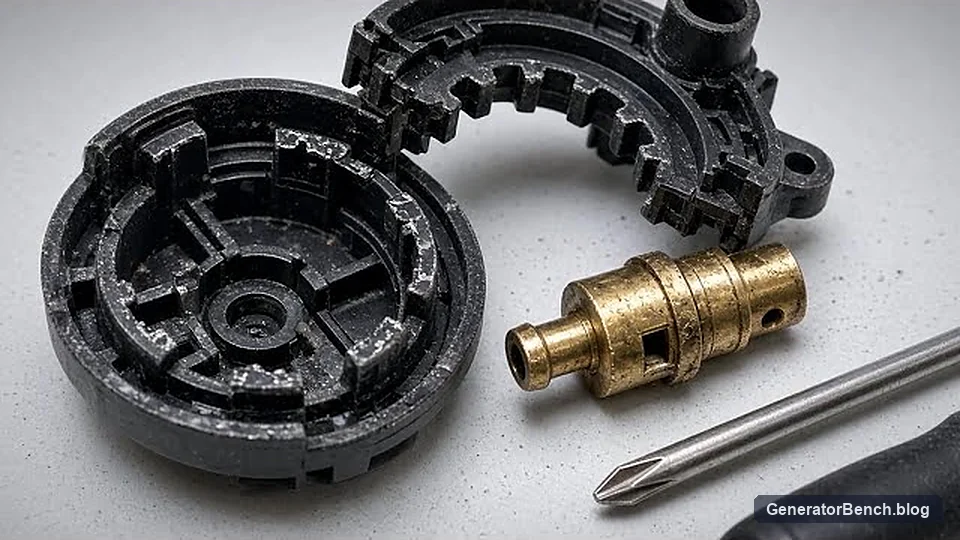
A dual fuel architecture manages gasoline and propane via specialized regulators. For massive whole-house needs, finding the best 13000 watt dual fuel generator ensures seamless load switching.
Tri fuel systems incorporate an additional metering circuit. This third pathway introduces natural gas safely into the intake airstream, accounting for lower energy density compared to liquid fuels.
- Dual fuel systems manage liquid gasoline and gaseous propane seamlessly.
- Tri fuel units add dedicated natural gas plumbing into the mixing block.
- Internal components require hardened valve seats to withstand dry gaseous fuels.
Stoichiometric Ratios and Combustion Dynamics
Combustion efficiency depends heavily on precise air-fuel mixing. Natural gas demands less oxygen by volume than gasoline, altering jet sizes inside the secondary regulator.
Engineers calibrate these carburetors to prevent lean running conditions. Running lean under heavy electrical loads can cause dangerous cylinder head overheating and premature valve wear.
- Precise air-fuel mixing prevents destructive engine overheating.
- Gaseous fuels require adjusted volumetric flow rates for stable idling.
Carburetor Design and Fuel Delivery Mechanics
The heart of any multi-fuel engine lies in its mixing block. Reviewing the best tri-fuel generator choices helps you select a model providing maximum fuel versatility during extended outages.
Dual fuel models utilize a step-down regulator to convert liquid propane vapor into usable gas. This mechanical process relies on engine vacuum to actuate internal rubber diaphragms.
Tri fuel carburetors feature complex solenoid valves and manual selectors. These components isolate each fuel source, preventing cross-contamination and dangerous pressure spikes within the fuel lines.
- Demand regulators control incoming pressure from external propane tanks.
- Solenoid valves isolate fuel paths to prevent dangerous vapor mixing.
- Engine vacuum safely actuates internal diaphragms during active operation.
Pressure Regulation and Safety Valves
Low-pressure natural gas requires precise delivery from residential supply lines. Internal regulators step down high pressure to match the exact requirements of the generator throat.
Safety shutoff valves instantly halt gas flow if engine rotation stops. This critical mechanism prevents unburned gas from flooding the combustion chamber during unexpected stalls.
- Residential natural gas lines require specialized low-pressure regulators.
- Automatic shutoff valves prevent hazardous gas accumulation during stalls.
Operational Runtime and BTU Energy Densities
Energy density dictates overall runtime and electrical output capacity. Gasoline boasts the highest BTU rating per gallon, delivering maximum surge wattage for demanding motor loads.
Propane yields roughly ten percent less power than gasoline due to lower energy density. However, it stores indefinitely without gumming up carburetor jets with varnish.
Natural gas provides the lowest BTU output per cubic foot. Consequently, generators running on natural gas typically experience a twenty to thirty percent reduction in peak wattage.
- Gasoline delivers maximum surge wattage and high energy density.
- Propane offers clean, long-term storage without fuel degradation issues.
- Natural gas reduces peak electrical output due to lower BTU content.
Calculating Fuel Consumption Under Load
Calculating fuel consumption requires analyzing electrical load percentages. A fifty percent load draws significantly less vapor volume than running near maximum rated capacity.
Homeowners must verify their natural gas meter capacity before connecting large generators. Exceeding meter limits starves other household appliances of necessary gas pressure.
- Electrical load percentages dictate exact hourly fuel consumption rates.
- Residential gas meters must support total combined household demand.
Installation Complexity and Plumbing Demands
Setting up portable options involves simpler exterior connections. Many homeowners prefer evaluating the best dual fuel inverter generator for home backup because they connect easily to standard propane tanks.
Tri fuel units demand permanent or semi-permanent professional plumbing installations. Plumbers must tap into home gas lines using appropriately sized black iron piping.
Proper sizing prevents pressure drops across long runs of pipe. Undersized piping starves the generator engine, causing voltage fluctuations and potential alternator damage.
- Dual fuel setups require only basic portable hose connections.
- Tri fuel generators demand professional gas line plumbing and sizing.
- Inadequate pipe diameters cause severe voltage and frequency drops.
Professional Plumbing and Code Compliance
Local building codes dictate strict guidelines for gas generator placement. Units must maintain safe clearance distances from windows, vents, and combustible building materials.
Certified technicians install quick-disconnect fittings and manual shutoff valves. These safety additions simplify routine maintenance and emergency disconnection procedures during storms.
- Building codes dictate strict clearance zones for generator placement.
- Quick-disconnect fittings simplify routine maintenance and seasonal storage.
Portability, Weight, and Site Deployment
Portability remains a major differentiator between these classes. Selecting the best dual fuel generator for rv trips provides lightweight frames, rugged wheels, and compact footprints for seamless transport.
Tri fuel generators often include heavier alternator windings and reinforced mounting brackets. These additions increase total dry weight, reducing spontaneous mobility around the property.
Deploying a tri fuel unit usually confines it to a fixed concrete pad. Users sacrifice mobility to gain the immense convenience of uninterrupted utility gas supply lines.
- Dual fuel units prioritize lightweight mobility and rugged transport frames.
- Tri fuel generators feature heavier components optimized for stationary backup.
- Fixed pads replace wheels when dealing with permanent gas plumbing.
Transporting and Storing Backup Equipment
Storing portable equipment requires careful attention to fuel stability. Draining gasoline bowls prevents varnish buildup during long periods of non-use between storm seasons.
Gaseous fuels eliminate internal varnish concerns entirely. Storing propane tanks safely outdoors ensures instant readiness whenever unexpected grid failures strike your area.
- Draining gasoline bowls prevents destructive carburetor varnish buildup.
- Gaseous fuels offer instant readiness without degrading internal jets.
Maintenance Schedules and Component Longevity
Engine longevity depends on rigorous adherence to preventative maintenance schedules. Oil changes, air filter inspections, and spark plug replacements dictate total operating lifespan.
Running generators exclusively on propane or natural gas significantly extends engine life. Clean-burning gaseous fuels eliminate carbon deposits and keep motor oil pristine longer.
Dual fuel and tri fuel systems both require periodic hose inspections. Rubber lines degrade under ultraviolet light and high pressure, necessitating timely replacements for safety.
- Gaseous fuels reduce carbon buildup and extend engine oil life.
- Routine oil changes protect critical internal components from premature wear.
- Flexible fuel hoses demand regular inspections for cracking and leaks.
Valve Seat Wear in Dry Fuel Engines
Dry fuels lack the natural lubrication provided by liquid gasoline. Manufacturers address this by installing hardened valve seats and specialized exhaust valves during factory production.
Owners running tri fuel units on natural gas must monitor valve clearances. Periodic adjustments prevent compression loss and ensure consistent power output over years.
- Hardened valve seats compensate for the lack of liquid fuel lubrication.
- Regular valve clearance checks maintain optimal compression and efficiency.
Cost-Efficiency and Emergency Preparedness Realities
Initial purchase costs vary significantly based on internal valve complexity. Dual fuel models offer an economical entry point for homeowners seeking basic emergency storm backup.
Tri fuel generators command higher retail prices due to advanced multi-port regulators. However, the long-term savings of tapping cheap municipal gas lines offset initial expenses.
Emergency preparedness requires evaluating local infrastructure reliability. If natural gas lines remain pressurized during regional disasters, tri fuel units provide unmatched operational security.
- Dual fuel units provide cost-effective entry for standard backup needs.
- Tri fuel generators involve higher upfront costs but lower fuel expenses.
- Municipal gas reliability determines the ultimate value of tri fuel setups.
Evaluating Long-Term Fuel Availability
During catastrophic storms, gasoline stations often lose electrical grid power. Having propane tanks or natural gas access ensures your generator keeps running indefinitely.
Smart homeowners maintain multiple fuel options to hedge against supply shortages. This comprehensive strategy guarantees household safety regardless of external utility disruptions.
- Gasoline stations fail during widespread regional grid power outages.
- Multi-fuel capabilities guarantee uninterrupted power during severe disasters.
Frequently Asked Questions
Can a dual fuel generator be easily converted into a tri fuel unit later?
Converting a dual fuel generator requires installing an aftermarket natural gas demand kit. However, professional installation and calibration are essential to ensure safe fuel mixing and proper pressure regulation.
Why does running a generator on natural gas reduce its total wattage output?
Natural gas possesses a lower BTU energy density compared to liquid gasoline or propane. This lower energy content results in reduced peak electrical wattage capacity under heavy loads.
Do tri fuel generators require special plumbing permits for residential installation?
Most local municipalities require professional plumbing permits for permanent natural gas tie-ins. Certified technicians ensure that all installations comply strictly with local building codes and safety regulations.
Which fuel type provides the longest possible storage life without chemical degradation?
Propane and natural gas store indefinitely inside sealed tanks or utility lines without spoiling. Unlike gasoline, gaseous fuels never suffer from varnish buildup or gummed carburetor jets.
Is it safe to switch between fuel types while the generator is actively running?
Modern multi-fuel generators feature specialized demand regulators that allow safe fuel switching under load. Always follow manufacturer guidelines to prevent dangerous pressure spikes or engine stalling.