Commercial Generator vs. Residential Generator: Which Fits Your Setup Better?
Understanding the structural differences between heavy-duty commercial units and home standby systems prevents costly electrical mismatches. Choosing the correct standby tier safeguards sensitive facility loads.

Commercial generators dominate continuous industrial workloads with unmatched fuel endurance. Meanwhile, residential generators provide automated, quieter emergency backup optimized strictly for modern household electrical demands.
Compare all top models in our Best Home Emergency Generator.
Side-by-Side Breakdown
| Criteria | Commercial Generator | Residential Generator | Edge |
|---|---|---|---|
| Peak Performance & Output | Multi-megawatt three-phase power | Single-phase home standby output | Commercial Generator |
| Duty Cycle & Consistency | Continuous prime power rating | Intermittent emergency standby use | Commercial Generator |
| Operating Noise & Vibration | Heavy industrial acoustic shielding | Neighborhood-friendly quiet baffling | Residential Generator |
| Portability & Footprint | Large concrete pad installation | Compact composite yard footprint | Residential Generator |
| Maintenance & Service Life | Certified industrial technician servicing | User-friendly consumable replacement routines | Commercial Generator |
| Power Requirements | Variable industrial shift demands | Standard domestic breaker panels | Commercial Generator |
| Best Ideal Use-Case | Enterprise facilities and factories | Suburban homes and small properties | Split by Application |
Architectural Engineering and Structural Differences
Commercial generators utilize heavy-duty cast-iron industrial blocks engineered for high mechanical stress. Industrial cooling systems handle extreme ambient temperatures without thermal degradation during long endurance runs.
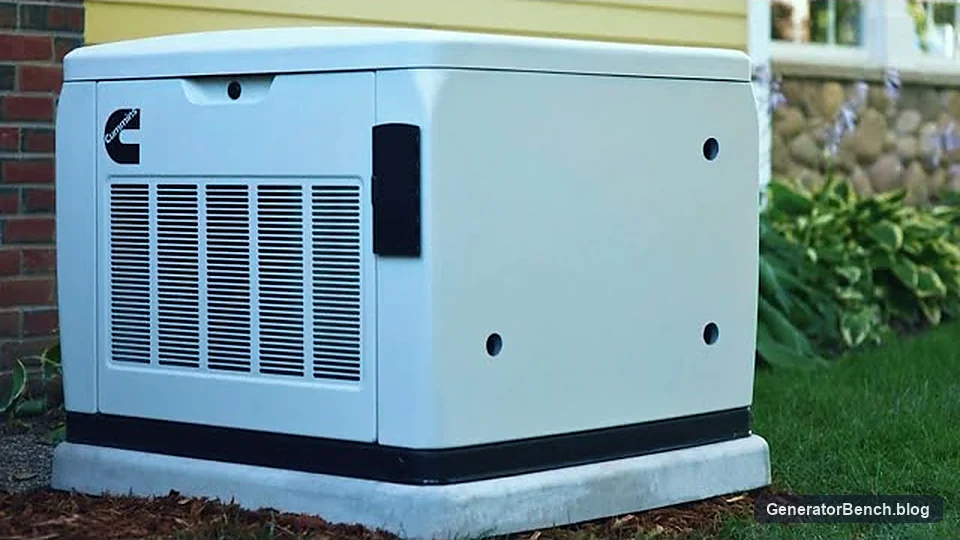
When choosing the best residential generator for your home, prioritize compact footprints and acoustic insulation over continuous multi-megawatt outputs. Their lighter engines balance reliable emergency response with reduced structural vibration.
Commercial units employ heavy-gauge steel enclosures with weather-protective powder coating, often featuring 14-gauge structural steel, designed to withstand harsh outdoor industrial environments without premature structural degradation or corrosion.
Residential models utilize lighter aluminum or composite panels prioritizing aesthetic integration, typically rated for standard NEMA 3R weather protection, contrasting with heavy-duty commercial housing built for continuous exposure.
- Commercial builds emphasize continuous multi-day industrial runtime.
- Residential designs prioritize compact suburban footprint constraints.
- Engine block metallurgy dictates total operational lifespan.
Core Metallurgy and Thermal Management
Industrial housings feature heavy gauge steel enclosures designed to resist harsh weather extremes. Advanced liquid cooling maintains optimal operating temperatures under severe heavy-load conditions.
Home standby systems rely on smaller air-cooled configurations suitable for shorter emergency outages. Enclosure acoustic baffling keeps noise levels low enough for residential property boundaries.
- Heavy steel housings protect against harsh outdoor elements.
- Liquid cooling manages high industrial thermal loads safely.
Duty Cycles, Load Factors, and Operational Endurance
Commercial power systems are rated for prime power or continuous operations exceeding thousands of annual hours. Heavy load factors require robust alternator windings and oversized lubrication circuits.
Reviewing the best residential standby generator options reveals systems functioning primarily as emergency assets designed for intermittent backup service, keeping internal components lubricated without demanding full industrial endurance capability.
Commercial generators are engineered for prime power operations, capable of running continuously under variable loads for thousands of hours before requiring a major overhaul or component replacement.
Residential backup systems function primarily on standby duty cycles, designed for intermittent emergency use capped at roughly two hundred annual operating hours to ensure longevity.
- Industrial units support continuous 24/7 prime power deployment.
- Home standby systems handle intermittent emergency outage response.
- Exercise intervals prevent mechanical binding in residential models.
Prime Power Versus Standby Duty Ratings
Commercial units handle variable industrial shifts without risking premature alternator thermal breakdown. Continuous duty ratings ensure uninterrupted power delivery across complex multi-facility corporate campuses.
Residential standby units feature strict maximum run-hour limitations per annual weather event. Exceeding these thresholds accelerates wear on lightweight engine components built for intermittent use.
- Variable industrial shifts demand robust alternator thermal thresholds.
- Standby run limits protect lightweight residential engine parts.
Fuel Delivery Systems and Storage Capacities
When evaluating the best commercial generator brands, installations frequently tie directly into high-capacity natural gas mains or massive diesel bulk tanks, allowing facilities to operate independently for many days.
Residential models typically connect to standard household natural gas lines or liquid propane cylinders. Automatic fuel switching ensures seamless transitions during unexpected municipal power grid failures.
Industrial setups integrate high-capacity sub-base fuel tanks holding hundreds of gallons of diesel, complying with NFPA 30 safety codes for extended autonomous runtime during severe grid outages.
Home generators rely on smaller external propane tanks or municipal natural gas lines, utilizing low-pressure regulators that typically demand lower volumetric flow rates than heavy industrial installations.
- Industrial setups utilize massive bulk fuel storage tanks.
- Home units connect to existing residential gas lines.
- Fuel autonomy dictates emergency preparedness operational windows.
Fuel Efficiency and Consumption Profiles
Large industrial diesel engines consume significant fuel volumes while maintaining stable frequency under surging loads. Electronic fuel injection optimizes combustion efficiency across variable operating conditions.
Smaller residential engines throttle down intelligently when household electrical demand drops significantly. Variable speed governors minimize unnecessary fuel waste during low-load nighttime standby periods.
- Diesel engines maintain stable frequency under heavy loads.
- Speed governors reduce nighttime residential fuel consumption.
Alternator Design, Voltage Regulation, and Clean Power
Exploring the best commercial portable generator models shows they employ advanced digital voltage regulators to eliminate harmonic distortion, while three-phase power delivery safely runs heavy industrial machinery and facility HVAC arrays.
Residential alternatives generally provide single-phase power tailored for standard domestic breaker panel inputs. Total harmonic distortion remains low enough to protect sensitive consumer electronics and computers.
Commercial alternators feature robust Class H insulation and advanced digital voltage regulators, maintaining tight voltage output tolerances within one percent under heavy inductive motor starting loads.
Residential units often use simpler capacitor or AVR excitation systems, prioritizing cost-effectiveness while maintaining total harmonic distortion below five percent to protect sensitive home electronics safely.
- Commercial alternators support complex three-phase industrial loads.
- Residential systems output clean single-phase home electricity.
- Voltage regulation prevents damage to sensitive electronics.
Managing Surge Currents and Motor Starting
Industrial facilities demand massive starting kVA capacities to spin up large commercial compressors simultaneously. Robust excitation systems prevent voltage sag during heavy inductive motor startup phases.
Residential generators size their surge capacities around central air conditioner compressors and refrigerators. Smart load shedding modules prevent total system overload during peak household power draws.
- Starting kVA handles large industrial compressor surges.
- Load shedding prevents domestic power overload conditions.
Emissions Compliance, Acoustics, and Zoning Laws
Commercial setups must meet stringent industrial EPA tier standards and local environmental noise ordinances. Heavy acoustic enclosures reduce decibel output to comply with strict municipal zoning requirements.
Residential standby units focus heavily on neighborhood quietness ratings during routine weekly testing phases. Sound-dampening foam linings ensure backup operations do not disturb nearby sleeping homeowners.
Industrial generators must meet stringent Tier 4 Final standards, incorporating diesel particulate filters and selective catalytic reduction systems to minimize environmental nitrogen oxide emissions drastically.
Residential models prioritize acoustic attenuation, utilizing advanced baffling and multi-chamber mufflers to achieve strict sound level limits often under 65 decibels at seven meters distance.
- Industrial sites face rigorous local environmental emissions oversight.
- Residential models prioritize ultra-low decibel neighborhood operation.
- Enclosure engineering dictates urban placement feasibility.
Environmental Permitting and Site Placement
Commercial installations require extensive civil engineering approvals, concrete pads, and spill containment kits. Environmental permitting processes evaluate local air quality impacts from continuous diesel exhaust.
Home standby units install easily on pre-formed composite pads within standard property setback limits. Simple municipal permits streamline residential deployment before seasonal storm threats emerge.
- Civil engineering approvals govern commercial site placement.
- Composite pads simplify home standby deployment steps.
Maintenance Protocols and Long-Term Servicing
Commercial generators demand rigorous preventive maintenance schedules overseen by certified industrial technicians. Oil analysis sampling detects internal component wear before catastrophic mechanical failure occurs onsite.
Residential owners benefit from simplified maintenance routines involving basic filter and oil replacements. Self-diagnostic control panels alert homeowners automatically when professional dealer service is required.
Commercial maintenance schedules mandate rigorous oil sampling, filter changes every 250 operating hours, and comprehensive coolant analysis to prevent catastrophic mechanical failures in mission-critical applications.
Residential servicing is significantly less intensive, generally requiring annual inspections, routine spark plug replacements, and basic fluid level checks performed before the primary storm season arrives.
- Industrial units require professional technician oversight and testing.
- Home models offer user-friendly consumable maintenance checklists.
- Preventive diagnostics extend operational reliability across all tiers.
Spare Parts Availability and Fleet Support
Commercial equipment relies on deep industrial supply chains ensuring rapid replacement part delivery worldwide. Enterprise service contracts guarantee priority emergency dispatch during unexpected grid outages.
Residential standby units utilize standardized modular components stocked extensively by regional certified dealers. Authorized service networks simplify warranty claims and routine annual tune-up procedures.
- Industrial supply chains ensure rapid part availability.
- Certified dealers stock modular residential repair components.
Frequently Asked Questions
Can a residential generator power a small commercial office building safely?
Standard residential backup units completely lack the robust three-phase electrical power delivery required to safely operate heavy office machinery and complex multi-zone commercial HVAC arrays simultaneously during standard business operating hours.
Commercial electrical loads demand specialized industrial alternators and heavy-duty engineering to completely prevent catastrophic system failure during unexpected municipal grid outages.
What primary factors distinguish industrial cooling systems from home standby cooling?
Heavy industrial commercial generators utilize massive liquid-cooling radiators and heavy-duty water pumps to continuously manage punishing multi-day thermal stress across severe operational cycles without interruption.
Advanced heat dissipation ensures stable internal engine operating temperatures under continuous industrial workloads without risking premature thermal degradation or catastrophic mechanical piston seizure across extended runtimes.
Why cannot residential generators run continuously as prime power sources?
Standard residential standby generator models feature lightweight engine blocks and basic air-cooling configurations that degrade rapidly under constant continuous operation outside of temporary emergency use scenarios.
Intermittent emergency duty cycles strictly protect domestic generators from severe overheating and premature mechanical wear during extended weather-related municipal power outages across suburban residential neighborhoods.
How do local noise ordinances impact commercial generator placement?
Large commercial generators produce significant mechanical decibel outputs that require heavy structural acoustic enclosures to comply strictly with local municipal zoning codes and strict environmental noise ordinances.
Advanced acoustic baffling materials successfully reduce sound emission levels near busy urban commercial property lines during routine weekly testing and extended emergency operations.
What maintenance differentiates commercial units from home standby generators?
Complex commercial power systems demand rigorous professional fluid sampling and certified technical inspections, whereas standard residential units rely on simple user-friendly filter and oil swaps.
Strict preventive maintenance schedules ensure maximum mechanical reliability and operational readiness across both distinct equipment classes throughout their respective long-term service lifecycles today.